Posts Tagged "climate"
Congressional briefing emphasizes electrification and public transit to meet climate goals
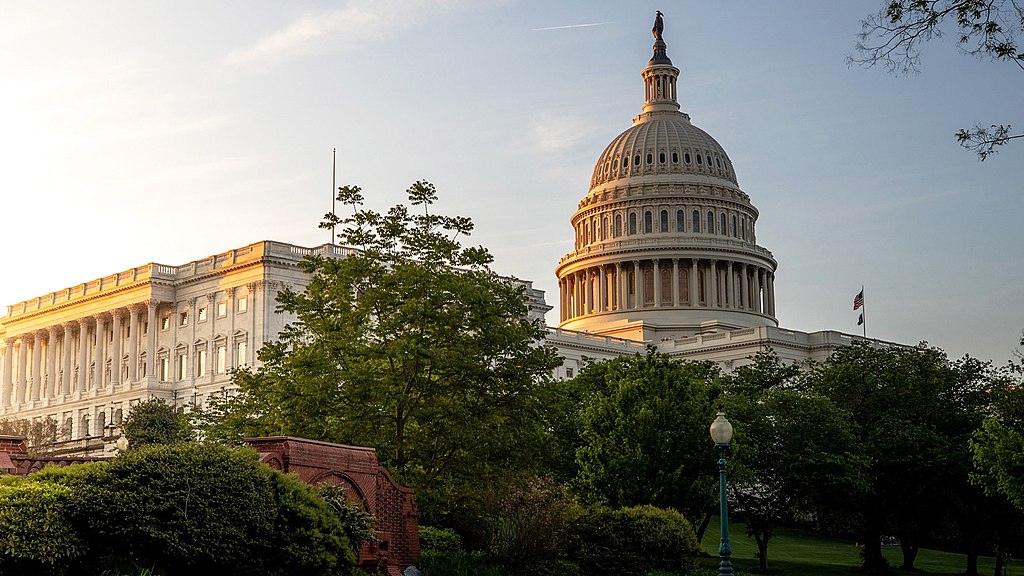
54 years since the first Earth Day, the US is still focusing on highway expansion. In light of increasing greenhouse gas (GHG) emissions, due in part to the Infrastructure Investment and Jobs Act (IIJA), Transportation for America and its partners engaged the Future of Transportation Caucus to brief Congress on transportation decarbonization. We explained that to truly decrease emissions we need to electrify transportation systems and replace car trips with other modes of transportation.
There’s a climate cost to America’s freeways, and it’s not paid equally

The environmental impacts of the Interstate Highway System continue to harm communities of color through health hazards, pollution, and displacement.
Demand a greener future for transportation. Tell your senator to support the GREEN Streets Act.

New legislation introduced by Senator Markey, the GREEN Streets Act, seeks to establish goals for emissions reduction and resilience in our transportation system, marking a pivotal step in alleviating the climate crisis on our roadways. Tell your senator to cosponsor this legislation.
The IIJA is a climate time bomb. Will states defuse it?

Despite the transportation sector being the biggest emitter of U.S. greenhouse gasses, our AI-powered analysis of over 57,000 infrastructure law-funded state projects shows that over a quarter of the law’s formula dollars are funding highway expansion projects that will drastically increase emissions. Will states reverse course with the last two fiscal years of funding?
Share the spark with EV carshares
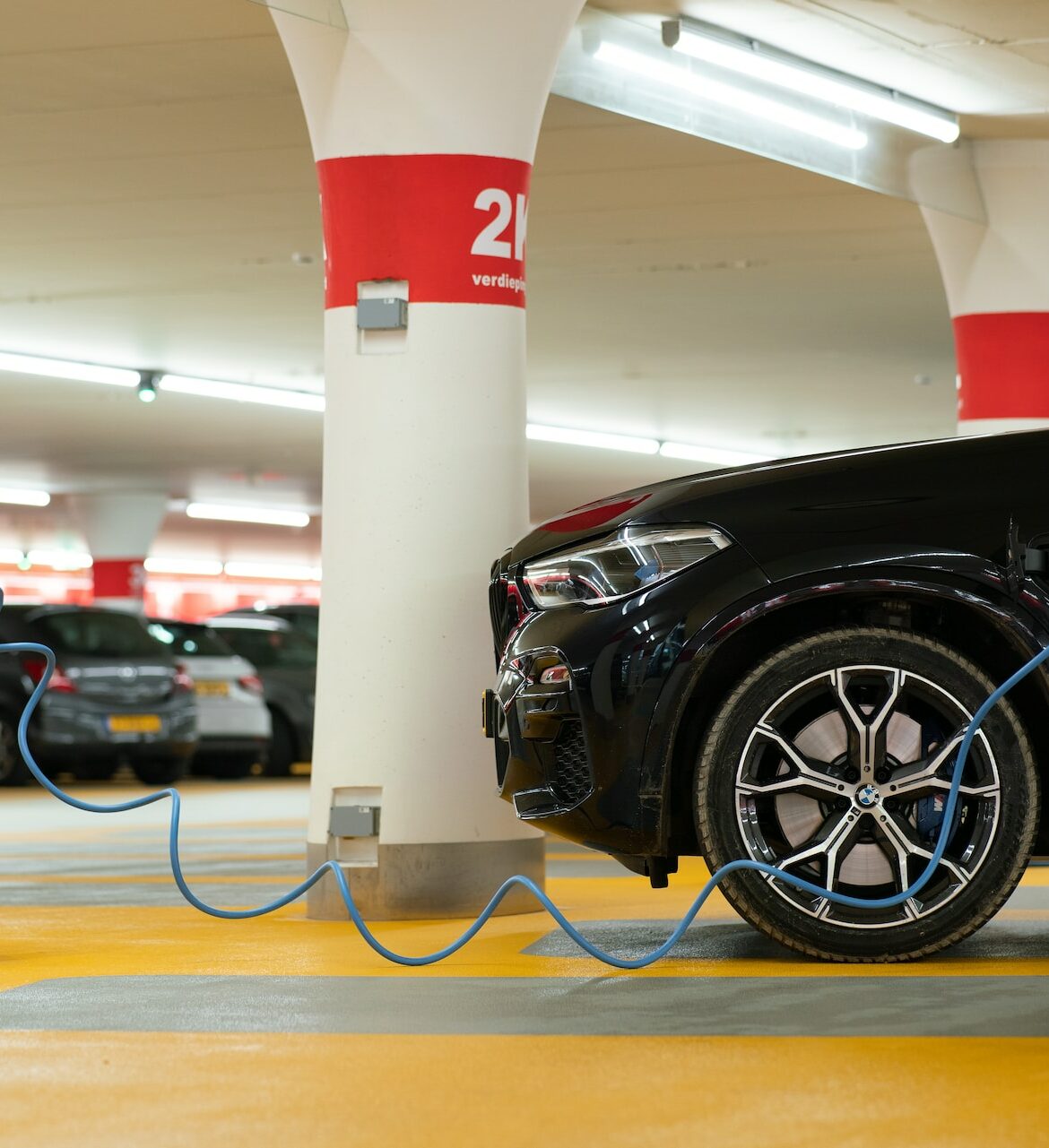
Electric vehicle (EV) carshare is an effective strategy in speeding the transition to zero emissions transportation, providing more affordable transportation options and syncing up with other smart growth solutions. This strategy is worthy of public investment.
We can advance EVs and smart growth at the same time
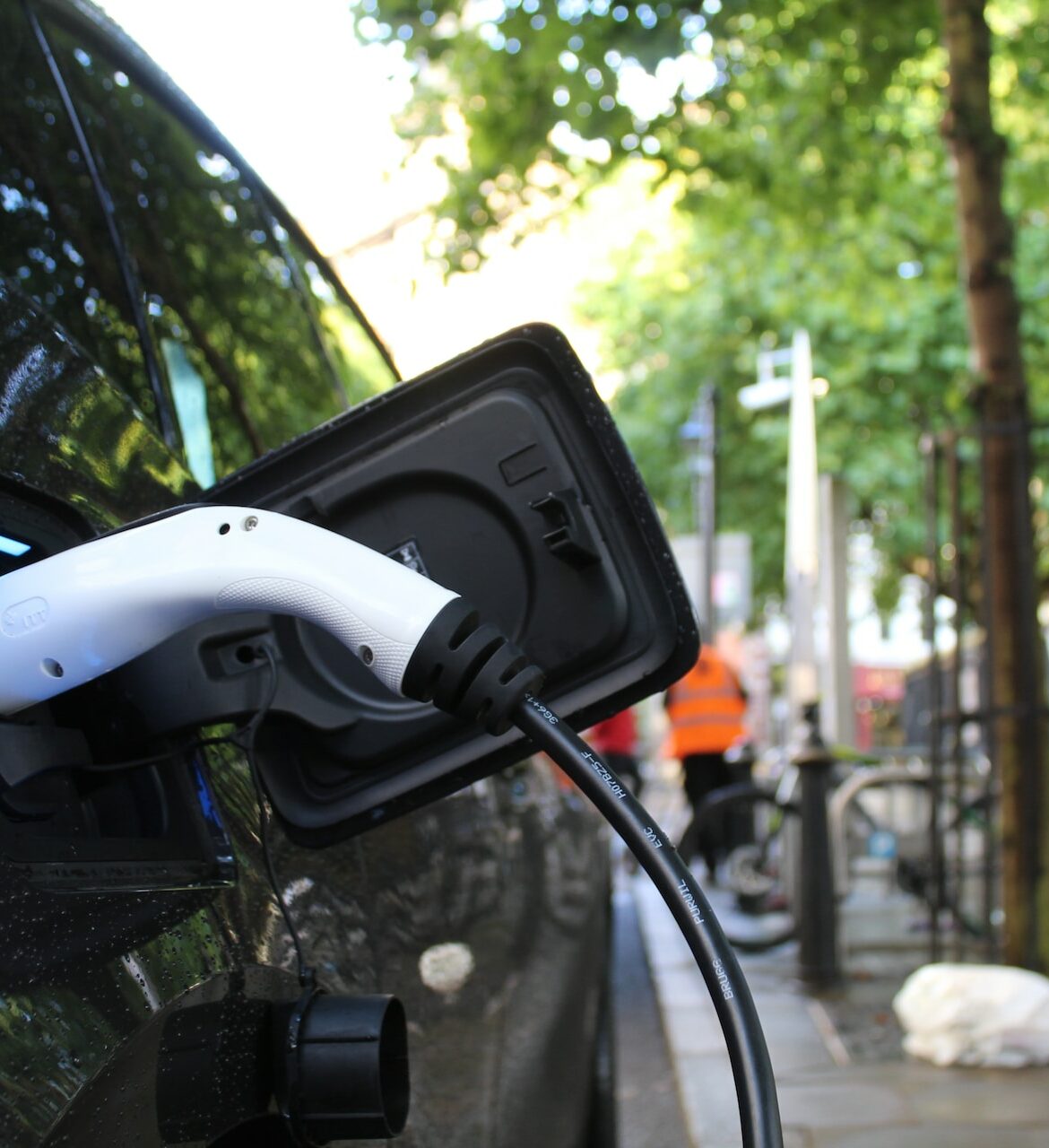
Many climate advocates and pro-climate decision-makers are focused on electrification as the primary, or even only, emissions reduction solution in the transportation sector. As smart growth advocates, we know that electrification is essential but insufficient to achieve our greenhouse gas reduction goals. How do we push transportation electrification forward in a way that supports essential smart growth goals?
How Minnesota set a national example in climate legislation

Minnesota made waves last week by passing a landmark transportation spending bill that will fund transit expansions and passenger rail service while reducing transportation emissions. The law, which was passed by razor-thin margin, serves as a blueprint for transformative transportation legislation.
Is the federal government squandering clean transit funds?

A new report shows splitting clean transit funds between zero-emission vs. low-emission is holding U.S. transit agencies back from cleaning up the bus fleet.
Advocates call for White House council to track and reduce emissions

While NEPA exists to protect the environment and communities, it has long fallen short of addressing climate emissions and protecting disadvantaged communities. In response to a call for comments about new guidance on climate change and greenhouse gas emissions, Transportation for America joined a nine-member working group to urge the White House to address transportation’s role in climate emissions and historic injustices.
Mining public funds for (minimal) private gain
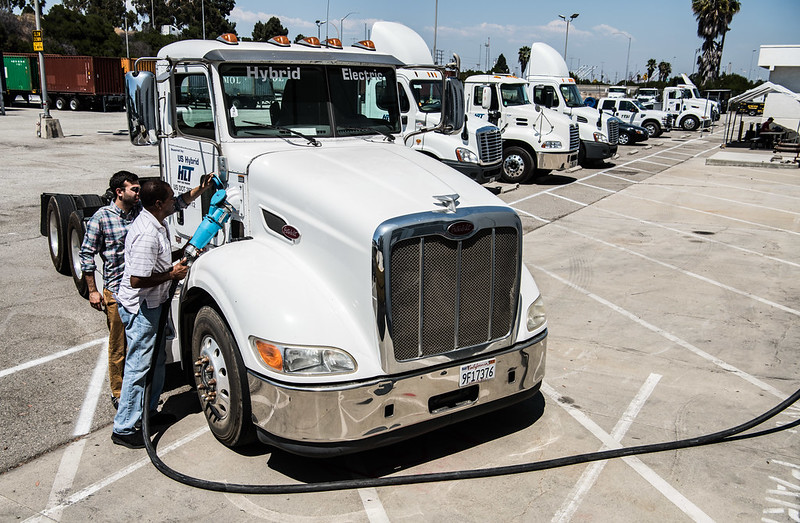
Lawmakers in Nevada have recently introduced legislation to set aside Carbon Reduction Program funds—about $3.9 million per year—for medium- and heavy-duty vehicle (MHDV) electrification. Although MHDV electrification is essential, assembly bill AB184’s method for doing so is inefficient, ineffective, and unnecessarily generous to private actors at the expense of taxpayers.
Doing justice to Justice40
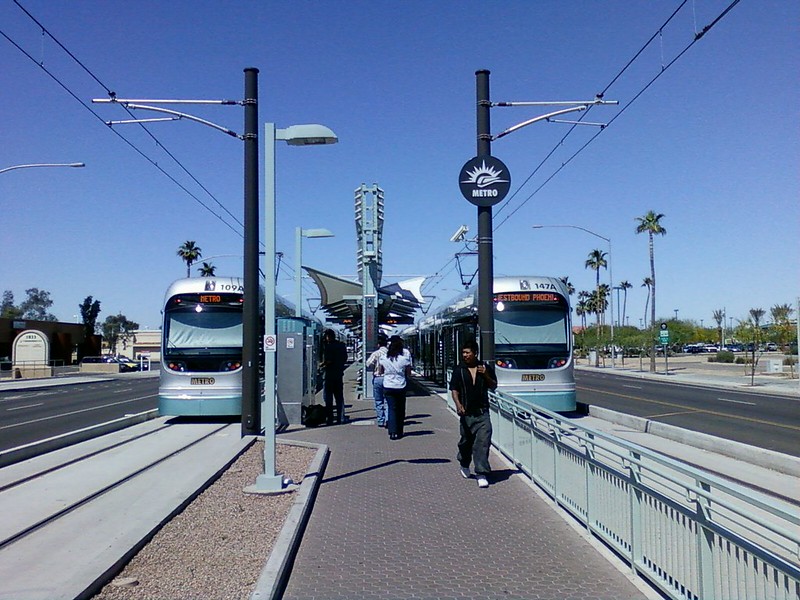
USDOT has finally added more substance to their plan to implement the Biden administration’s Justice40 Initiative. Despite some questions about how many programs can meet Biden’s goal of spending 40 percent on disadvantaged communities, the projects and programs they’ve moved toward Justice40 suggest a real effort to improve equity.
No time to lose: Federal rule ready to boost awareness of transportation emissions
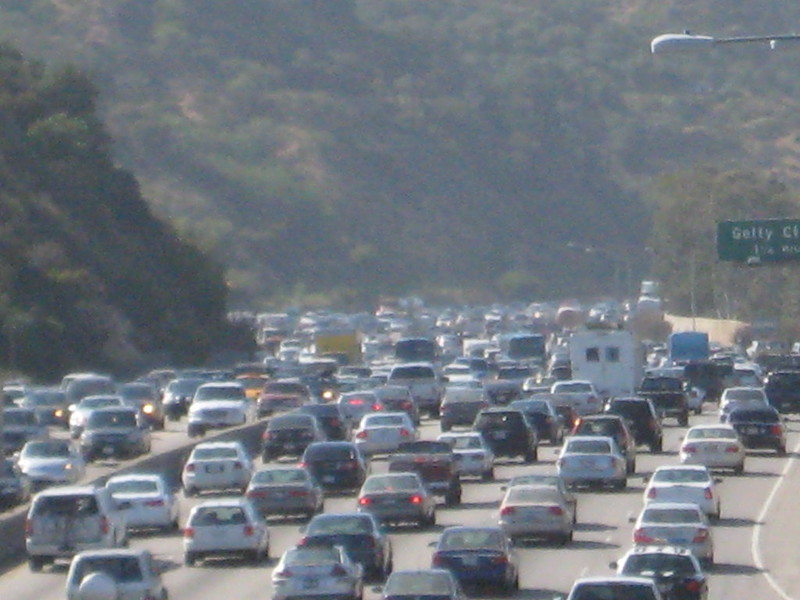
Comments close tomorrow 10/13 on a greenhouse gas emissions rule that could reestablish sunlight and accountability for transportation’s impact on climate change. Here’s what’s next for the proposed measure.
Here’s what you need to know about the Inflation Reduction Act
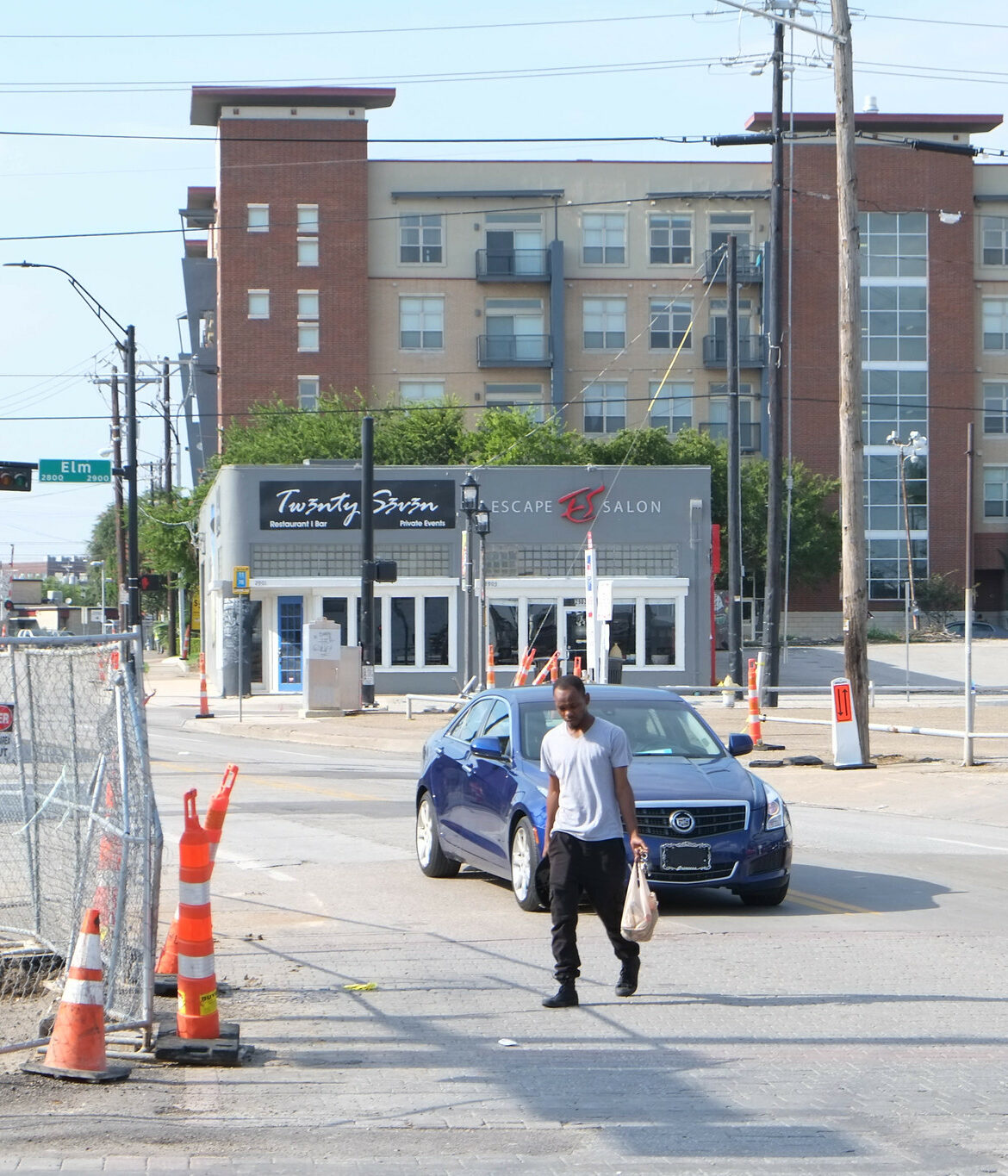
The Senate passed the Inflation Reduction Act, a budget reconciliation package that includes some portions of President Biden’s Build Back Better agenda. This is the largest climate investment in U.S. history, and programs in it will help Americans save money and stay safe on our streets. Here’s what you need to know as the bill awaits a House vote (scheduled for 8/12).
The half-promise of the Carbon Reduction Program
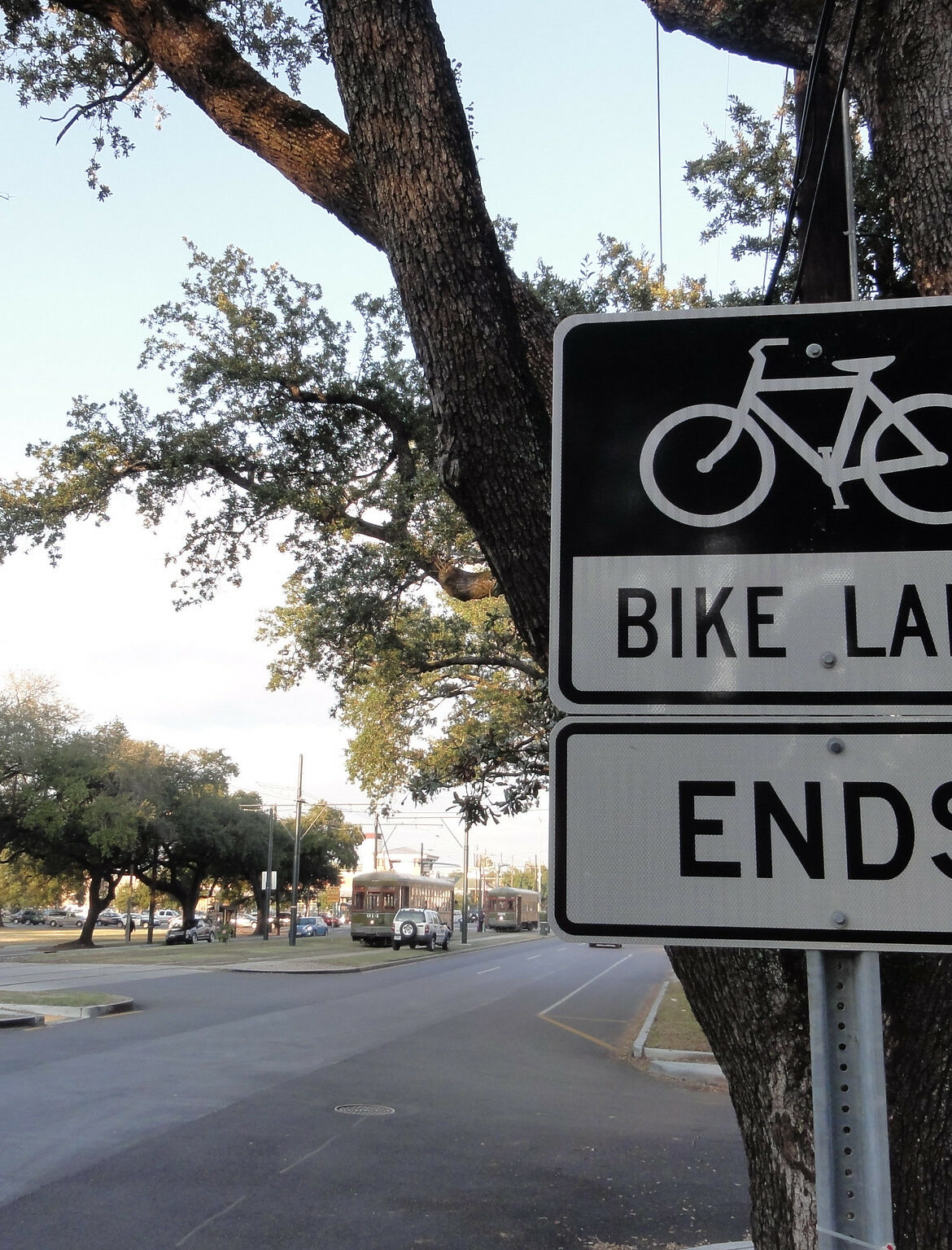
The Carbon Reduction Program (CRP), a new formula program released by the Federal Highway Administration (FHWA), provides states with $6.4 billion over 5 years for projects and strategies to reduce carbon emissions. However, thanks to a costly loophole, the program could end up making emissions worse.
Three strategies for smart electrification
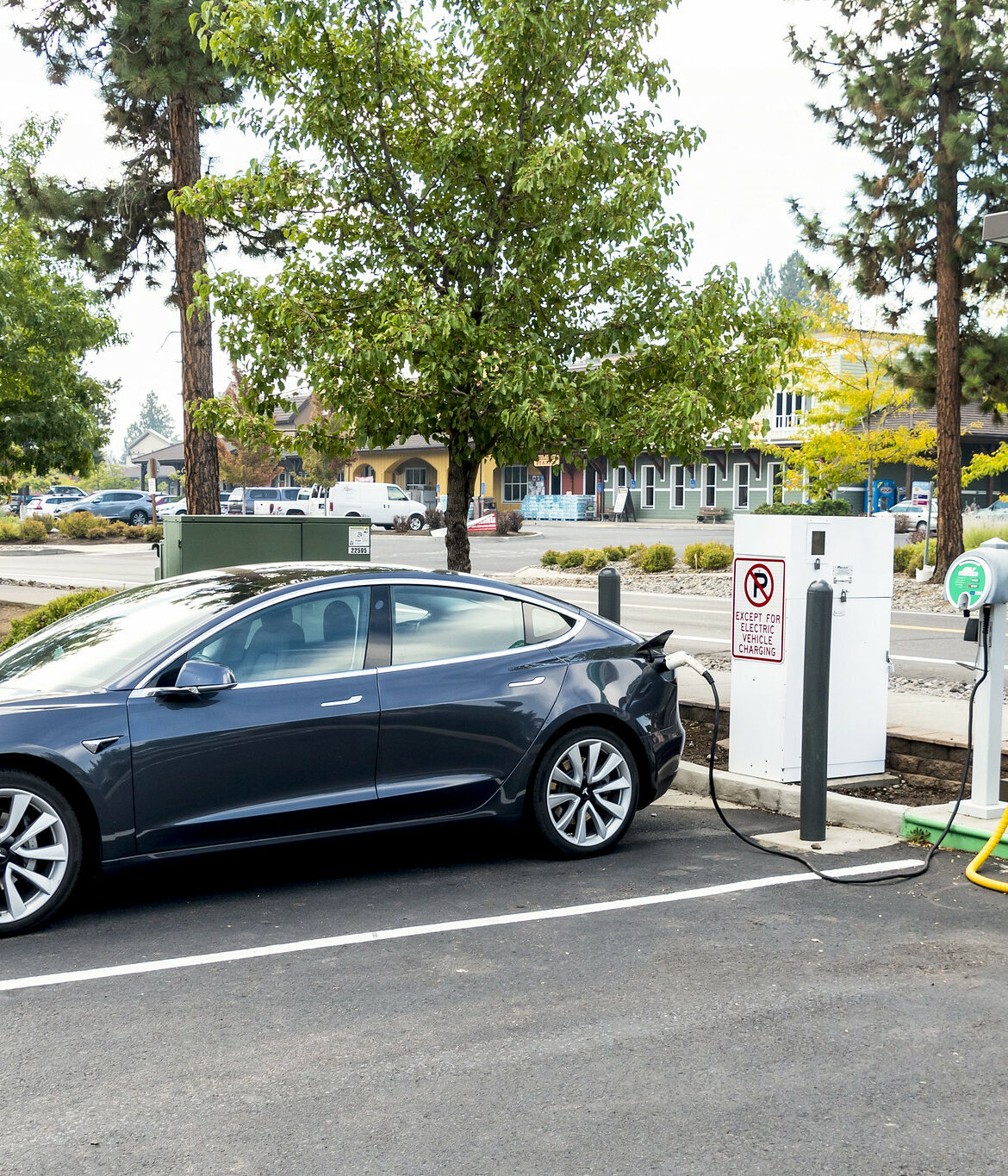
When it comes to the climate crisis, we at T4A have historically been focused on the land use and transportation options that can reduce driving to cut emissions. However, transportation electrification is also essential to reducing greenhouse gas emissions. Here are three key strategies for doing it right.
Justice40 “benefits” could mean more emissions, worse health outcomes in disadvantaged communities
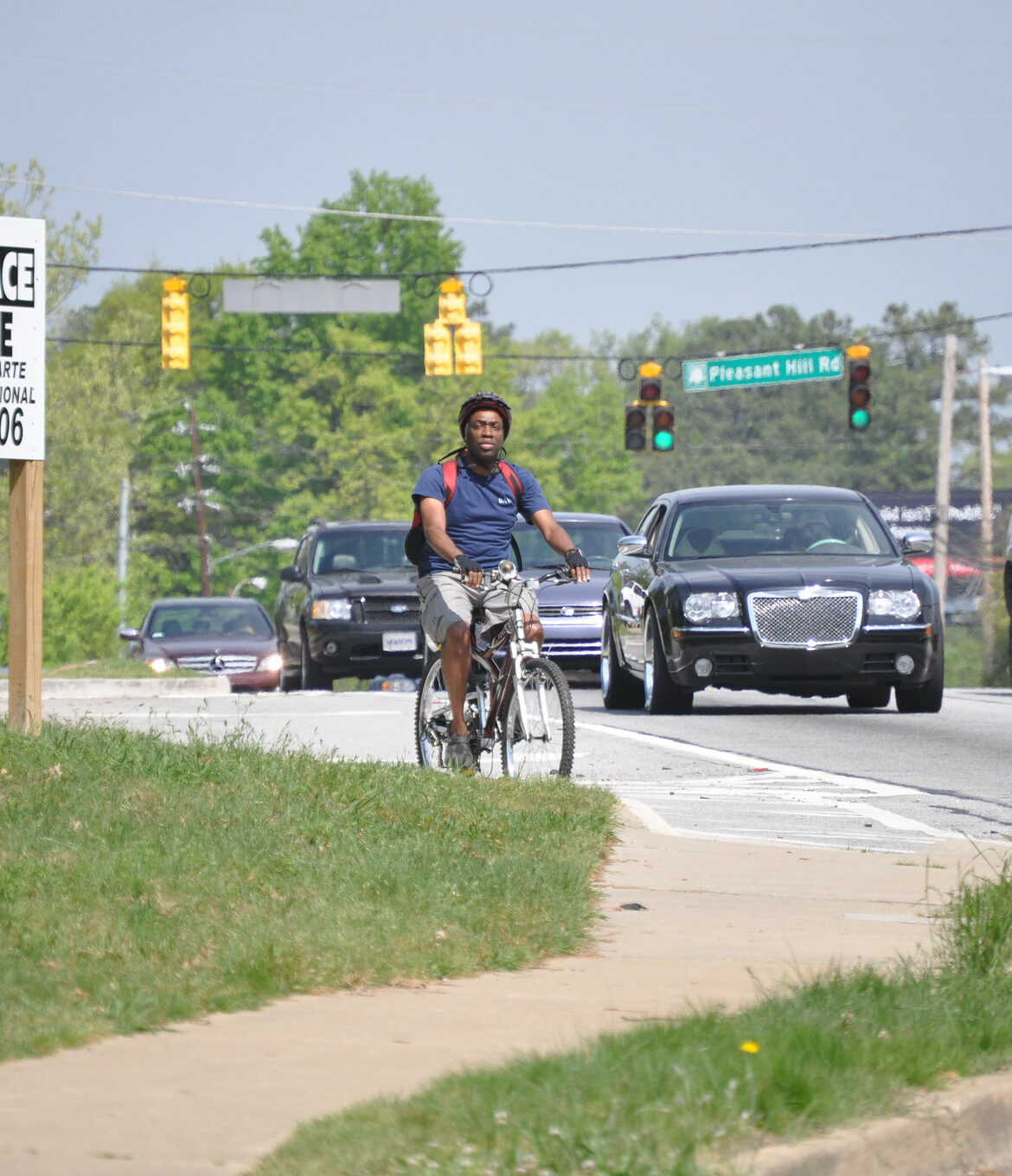
In President Biden’s first weeks in office, he established an environmental justice initiative called Justice40, which aims to direct benefits from federal investments to disadvantaged communities. Today, the administration is working on more specific guidance on how Justice40 should be applied, which will determine how effective this effort will be.
Getting to equitable outcomes in the infrastructure law
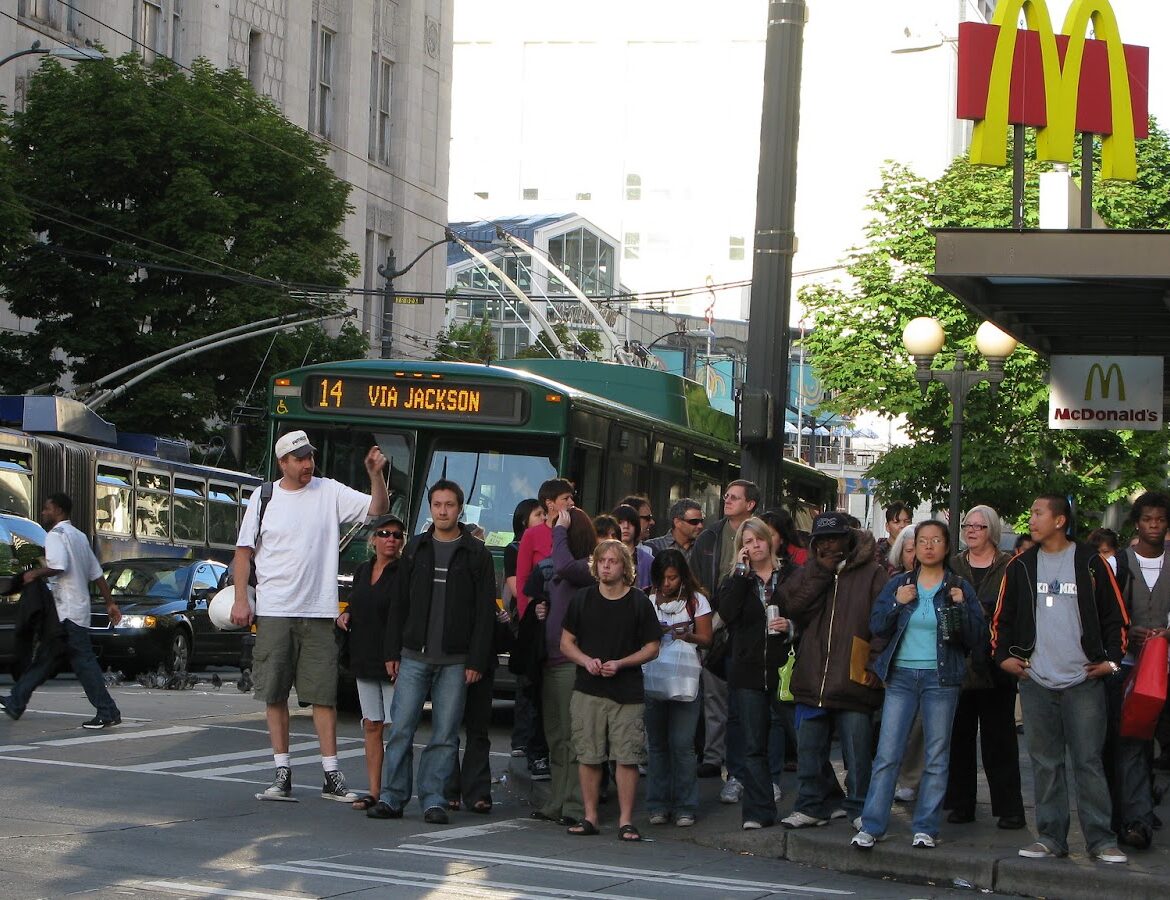
Despite the rhetoric, the infrastructure law falls well short of truly addressing the decades of harm our transportation system has inflicted on marginalized communities, and could even exacerbate existing inequities. However, it does provide some notable opportunities to restore and invest in these communities’ infrastructure needs.
The infrastructure law is not climate legislation, but states could make it green
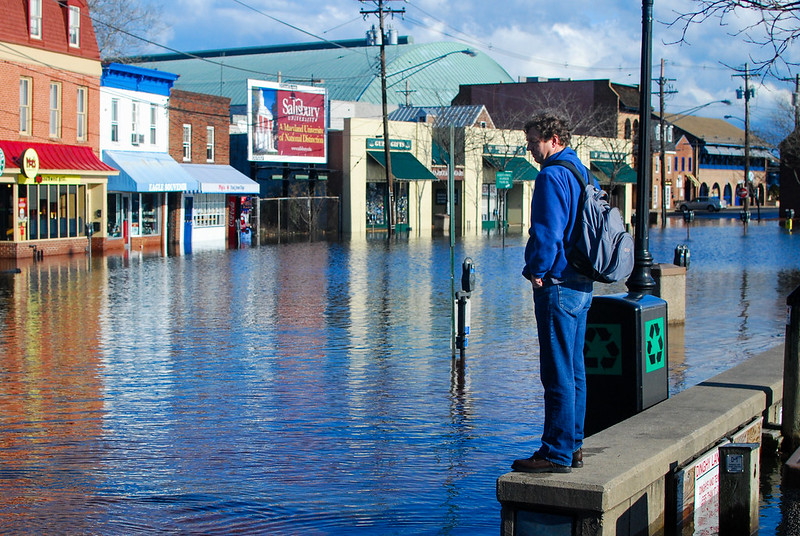
Though distinctly not serious about fighting climate change, the Infrastructure Investment and Jobs Act (IIJA, the infrastructure law) can still help lead to some decent climate outcomes if states and metro areas make the choice to prioritize doing so with their flexible funding.
The infrastructure law and safety: Will it be able to move the needle?
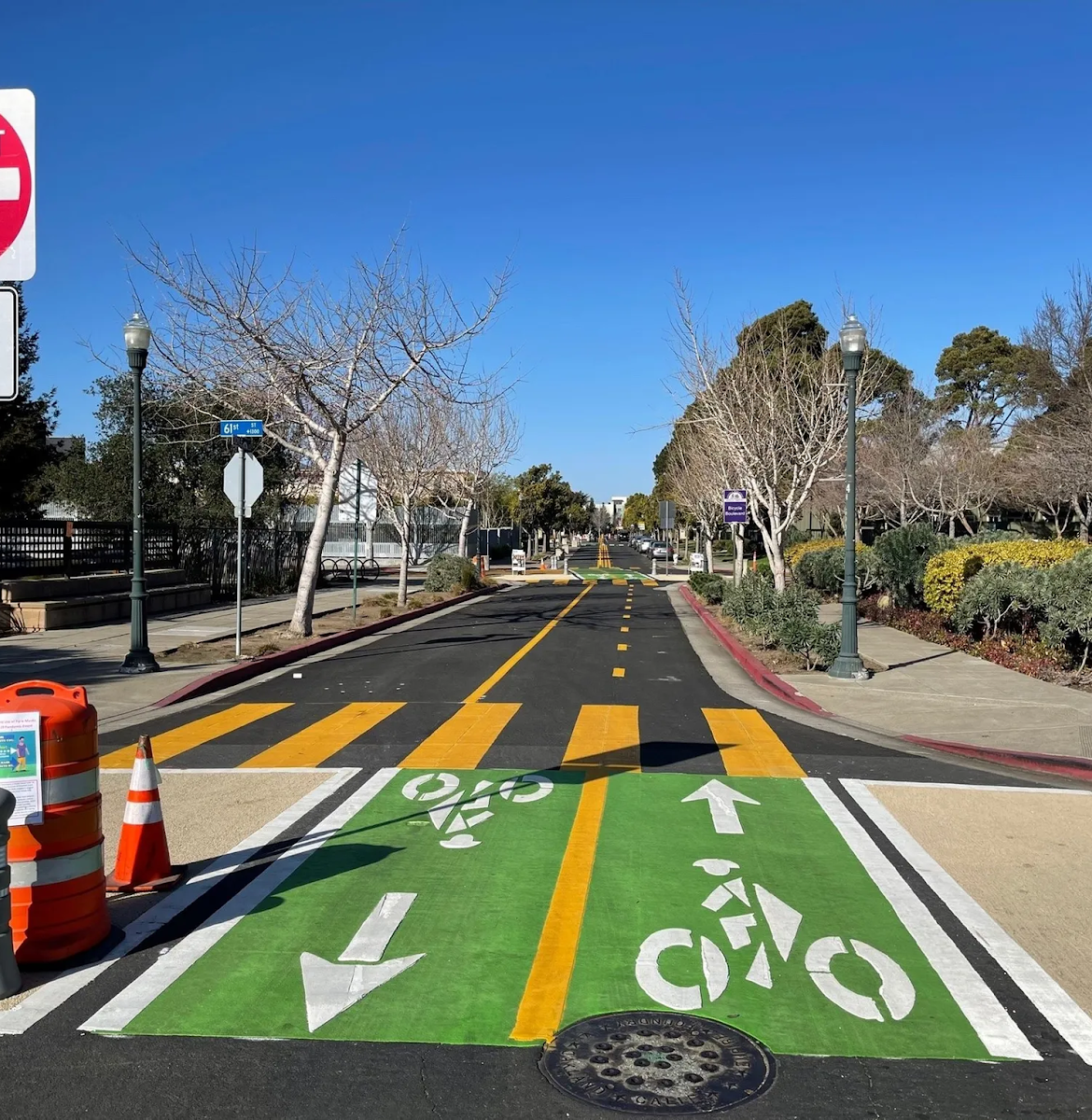
The new infrastructure law authorizes around $650 billion to fund transportation infrastructure through formula and competitive grant programs, some of which have safety as a core emphasis. Here’s what you need to know about the new money and (modest) policy changes to the safety program, as well as how you can make them work for you.
USDOT urges states to prioritize repair, safety, and climate with their influx of infrastructure bill cash
Although state DOTs have always been free to prioritize repair, safety, or improving access for everyone across the entire system, most have traditionally chosen to use that flexibility to build new highways instead. With state DOT coffers soon to be loaded with billions from the new infrastructure bill, USDOT is urging states via a new […]
Our three principles

It’s past time to elevate the national conversation about infrastructure beyond just the price tag.
Learn more about our platformLatest From The Blog


There’s a climate cost to America’s freeways, and…
Apr 23rd, 2024


Progress for passenger rail in the South and…
Apr 10th, 2024

I cannot find the zoom link, I registered…
Jan 6th, 2024

A rare look behind the curtain of Transportation…
Jul 28th, 2023

In what Harrison Ford said was his most…
Jul 25th, 2023

Good example, walking to the local taco place…
Jul 24th, 2023