In 2009, Congress and the next Administration will face the expiration of the current $286 billion national transportation program. The choice is clear: move our nation in a bold new direction, or continue on the current path of spending billions of taxpayer dollars with little accountability on a system that is both BROKE and BROKEN.
A New Direction
To make this vision a reality, Transportation For America is calling for Congress and President-elect Obama’s administration to adopt these key policies:
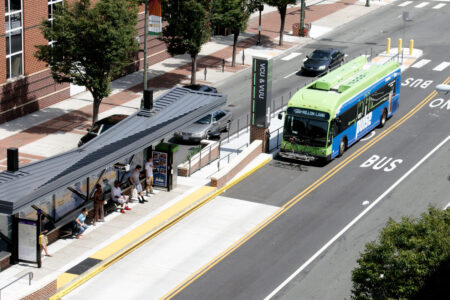
1. A 21st CENTURY NETWORK: Invest in a world-leading, sustainable transportation system. As oil grows costlier, the aviation system teeters and metro areas grow ever more central to our economy, we must rapidly catch up to other developed countries with high- speed rail and world-class public transportation. We must fix bottlenecks in our freight corridors. Our cities and towns must have safe streets for walking and biking to reach transit, school and jobs. Public planning and implementation of rail transit, especially, can unleash billions in private investment, which can be applied to its construction and operation. Expanding highways must no longer claim the lion’s share of national investment.
2. NO MORE BLANK CHECKS: Establish national transportation objectives and hold agencies accountable. The federal government must ensure that funding for transportation is invested wisely by holding the U.S. Department of Transportation and its grantees accountable for progress toward primary objectives, including: reducing dependence on oil, lowering carbon emissions from transportation, improving the safety and health of our citizens, and ensuring economic access and prosperity across our society.
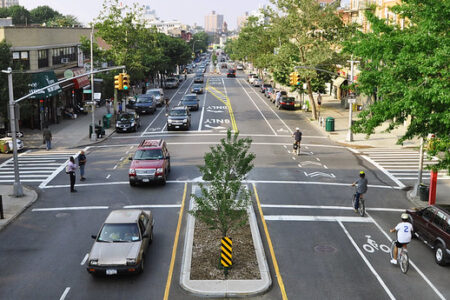
3. SAVE LIVES, PROMOTE HEALTH: Support safe walking and biking, reduced exposure to vehicle injuries and dirty air. Provide federal funding and direction so that communities may retrofit unsafe urban roads; create complete streets safe for motorists, pedestrians and cyclists; and encourage active living in communities fre e of harmful levels of vehicle emissions.
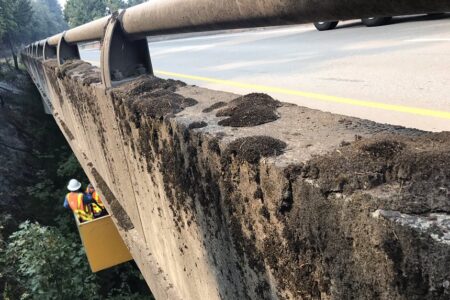
4. FIX WHAT’S BROKEN: Establish a special program to restore and maintain our existing highways, bridges and transit and maximize their efficiency. To protect our investment, federal funds should be conditioned on demonstrated performance by grantees that existing transportation infrastructure is kept in a state of good repair.
5. SHARE THE POWER – AND THE RESPONSIBILITY: Provide funding and decision- making authority to local regions. Empower metropolitan planning organizations and other local entities to address their transportation and development issues, but require improved performance and democratic representation in decision-making bodies.
6. SUPPORT SUSTAINABLE DEVELOPMENT: Give priority to investments with multiple pay-offs. Transportation and development go hand in hand. Our nation can no longer afford to sink money into highway lanes or transit that become overwhelmed or undermined by poorly planned development. We need a more efficient system that rewards communities for developing in smarter, more sustainable ways, reducing energy use and carbon emissions while ensuring the availability of housing affordable to families of all incomes, near job centers and public transit.
7. SMART FINANCING: Broaden the capital and operating funding base. The probable financial need will be far greater than current Federal sources; therefore, encourage smarter methods of state and local government and private sector funding matches of limited Federal resources, while maintaining public control.