We can’t expand passenger rail without the trains to run it

Communities want more options to travel quickly, safely, and affordably by train. Yet there is a fundamental problem holding us back: we don’t have enough trains to run the service people are asking for. An aging fleet, unreliable access to equipment, and a fragmented procurement system are threatening to derail progress. If we want to build a national rail network, we must fix how we procure and manage the equipment that makes it possible.

America is finally making long-overdue investments in passenger rail, with growing demand and enthusiasm for passenger rail service across the country. Two decades after Hurricane Katrina, Amtrak’s Mardi Gras service made a triumphant return to connect passengers across the Gulf Coast between Mobile and New Orleans. Reflecting this rising interest, demand for the service has been so high that Amtrak had to add an additional car on the train to increase its capacity.

But a severe and growing equipment crisis for intercity passenger rail is already delaying service, limiting expansion, and threatening to derail progress. Earlier this year, Amtrak pulled several of its aging Horizon rail cars from service after identifying corrosion. This impacted several Amtrak routes, including the state-supported Amtrak Cascades service which was left with only one working train. Even the launch of the Mardi Gras service required shifting equipment from the Northeast Corridor to the Gulf Coast. This logistical improvisation is a warning sign that there simply is not enough rolling stock to support the expansion of services nationally. The reality is simple: we cannot build a modern national rail network if we don’t fix how we procure and manage the equipment needed to run it.

T4’s policy proposal for a national equipment leasing pool

In our platform for reauthorization, under our principle of Invest in the Rest, we propose building a world-class passenger rail network. One of the core policies we recommend is to “Create a national equipment pool for passenger rail equipment, standardize rail procurement practices, and establish federal funding maximums for equipment purchases to protect the federal taxpayer from the added cost of over-customization.” To build out a world-class passenger rail network, we need a system that ensures the availability of rolling stock to services as well as interoperability across these services.

Currently, an operator that wants to launch or expand service has to go through a fragmented procurement process. This means designing, funding, and purchasing equipment on a project-by-project basis. It’s slow, expensive, and often leads to custom railcars that are hard to maintain, difficult to share, and nearly impossible to replace quickly. Even with available funding, long manufacturing lead times can delay the scale or speed required to deliver new trains. Meanwhile, much of the nation’s current passenger rail fleet is decades old, nearing or past its intended lifespan. Without building up a national stock of new vehicles, the equipment crisis will only deepen, leaving communities without reliable trains to run even existing routes.

To solve this problem, we propose the establishment of a National Equipment Leasing Pool. This non-profit entity would procure, own, and lease passenger rail equipment to service providers across the country. Instead of operators individually procuring their fleet, this new corporation would purchase domestically manufactured and standardized equipment, and lease it to Amtrak, private operators, and state-supported services alike.

This approach is about creating efficiency but it’s also about building a system that can scale. A national pool of standardized railcars and locomotives would allow for more flexible deployment, easier maintenance, and better value for public investment. States and service providers would be able to focus on planning and delivering routes without having to navigate a years-long procurement maze.

Stop reinventing the wheel and wasting public dollars

Customization is one of the culprits behind our broken equipment strategy. Too many railcars are designed to unique specifications that make them more expensive to build and harder to interchange. Over-customization slows down procurement and drives up costs for taxpayers whilst limiting interoperability across the national rail network. The proposed National Equipment Leasing Pool Corporation would establish performance-based national standards for equipment, reducing the need for custom builds and enabling trains to be shared across routes and operators. Industry would be able to build passenger rail rolling stock to meet burgeoning demand at scale.

Federal funding limits for equipment purchases would encourage standardization without sacrificing quality or innovation. By setting clear maximums, the federal government could ensure that funds are directed toward equipment that can serve multiple routes and operators, rather than niche, costly designs.

Perhaps most importantly, the pool would finally provide the steady pipeline of orders needed to support and grow a strong U.S. manufacturing base. Right now, our “boom-and-bust” procurement cycle leaves manufacturers without predictable demand, driving up costs and discouraging investment. A national pool would break this cycle, sustaining workforce training, strengthening supply chains, and creating good-paying domestic jobs. Instead of scrambling to fill sporadic one-off orders, U.S. manufacturers could plan ahead, innovate, and deliver the railcars America needs at scale.

Conclusion

The biggest threat to rail expansion today is not a lack of vision but the absence of a working system to deliver it. If we are committed to building a competitive rail system, we must ensure trains do not become the bottleneck. Creating the National Equipment Leasing Pool Corporation will not solve every challenge, but it would immediately address one of the most fixable and foundational problems in American passenger rail. It would speed up deployment, reduce costs, and make it possible for states and operators to deliver rail service that Americans are eager and excited to ride.

How to make repair the rule, not the exception

Our Fix It First principle represents an incredibly basic but fundamental shift in federal transportation policy: prioritizing the repair of existing infrastructure before funding new projects. But implementing this shift will require a new process for setting targets to improve infrastructure conditions, and more accountability for agencies to meet those targets.

Introduction to Fix it First

Fix it First” is the first of Transportation for America’s three simple guiding principles towards transforming transportation policy. The federal government has spent hundreds of billions of dollars on transportation over the past two decades. And yet, the results are underwhelming. Roads across the country are still riddled with potholes, and bridges are aging, some to the point of collapse. According to the American Society of Civil Engineers, U.S. infrastructure received barely passing grades, with roads earning a D+ and bridges a C in their latest report card. What’s more troubling is that these scores have barely improved over the past 25 years—despite over a trillion dollars in spending and repeated federal authorizations that increased funding. A new approach is urgently needed—one that makes fixing existing infrastructure a prerequisite before building anything new. How are we going to do that?

T4’s policies to improve the state of the system

Under our principle of Fix it First, we have two overarching policy proposals. The first focuses on the changes required to prioritize existing maintenance needs before building new things: require grantees of federal funding to maintain their infrastructure by setting targets for improving road and bridge conditions, and then hold them accountable for doing so. This post will expand on the first four policies under that first idea:

1. Require grantees to maintain their infrastructure. If a grantee uses federal dollars (formula, competitive, or loan assistance) to build new road or bridge capacity, they must demonstrate the capacity to operate and maintain that asset throughout its useful life while improving the condition of their overall road and bridge system. Maintain the 80 percent federal match for repair projects, but lower the federal match for new capacity projects to 50 percent.

2. Require states and MPOs to set targets to improve road and bridge conditions. When setting targets under 23 USC 150, states and MPOs must set targets to improve the condition of pavements and bridges on both the Interstate system and the National Highway system.

3. Assist states and MPOs that fail to hit their repair targets. For states and MPOs that fail to achieve all of their targets to improve pavement and bridge conditions:

  • No National Highway Performance Program (NHPP) or Surface Transportation Block Grant Program (STBG) funding or Transportation Infrastructure Finance and Innovation Act (TIFIA) credit assistance can be used for new capacity road or bridge projects
  • No competitive grant award can be made for new capacity road or bridge projects.

4. Establish accountability and transparency.

  • States and MPOs must detail in their STIPs/TIPs projected progress toward repair targets and how programmed funds will support that progress.
  • All approved STIPs and TIPs should be posted on the Federal Highway Administration (FHWA) and Federal Transit Administration (FTA) websites and fully searchable.

The current system for setting targets is broken

The current federal performance management system, created by MAP-21 in 2012, intended to improve accountability by requiring states and metro areas to set measurable targets in seven areas, including infrastructure conditions for roads and bridges, safety, congestion, and others. We explained this existing program (and its many failures) in this previous post here, but in short, this new system has failed to deliver meaningful accountability, transparency, or progress on those key areas.

Requiring real targets—and accountability

Our proposed policy would require all states and MPOs to set progressive (i.e., good!) targets to improve the condition of both Interstate and National Highway System (NHS) pavements and bridges. Currently, federal law only requires states to set condition targets for the ~140,000-plus NHS bridges. We would expand this requirement to include targets for the hundreds of thousands of bridges that are not on the NHS. These bridges are typically owned by counties, towns, or cities. NHS bridges carry the most traffic per day, but they also account for only a relatively small portion of the nation’s ~620,000 total bridges. But these “off-system” bridges are critical local and regional connectors, providing essential access in rural and underserved areas. Their exclusion from federal oversight, combined with limited local funding, means they are frequently overlooked in planning and investment decisions, leading to deferred maintenance and long-term neglect.

A second critical element of this reform is requiring states to review and modernize their bridge inspection methods. Most routine inspections today still rely heavily on visual assessments. While visual inspections remain important, they aren’t the best solution for detecting early-stage deterioration or hidden structural issues. States should be supported (with funding) and encouraged to incorporate new, advanced condition assessment tools into their inspection programs. These technologies offer more precise, timely, and comprehensive insights into bridge health, enabling earlier detection of problems and more strategic, cost-effective maintenance decisions. Modernizing bridge inspections is not only essential for improving safety, but also for maximizing the long-term value of our infrastructure investments.

Planning transparency and performance accountability

States and metropolitan planning organizations (MPOs) must also be far more transparent about their plans and progress. Right now, it’s nearly impossible for the public, or even policymakers, to easily access or compare state investment plans. Some states publish clear, searchable transportation improvement programs detailing what they are committed to building over the next four years; others bury their plans in hard-to-navigate PDFs or provide minimal detail. We propose requiring all states and MPOs to publish clear, detailed documentation of their projected progress toward repair targets, including which program funds are supporting those efforts.

These plans should be publicly available in a centralized, searchable platform maintained by USDOT, so people can understand how their state is performing, and compare that performance across the country. You can’t hold someone accountable if you can’t understand the data, so it must be accessible and standardized, so people can understand what’s happening and why. Our investments are too disconnected from real results. Some states are setting goals that anticipate worsening conditions, even though they have the funding to do better. That should no longer be acceptable.

Consequences for failing to improve

One of the biggest flaws in the current system is that there are no real penalties for failure. We propose to change that. So if a state or MPO fails to meet their repair targets, they would lose the ability to use funds from the National Highway Performance Program (NHPP), Surface Transportation Block Grant Program (STBG), or Transportation Infrastructure Finance and Innovation Act (TIFIA) on roadway expansion projects. These are some of the largest and most flexible sources of federal transportation funding, and they are frequently used for major capacity expansion projects like building new highways or adding lanes. If you can’t improve the condition of your existing infrastructure, you should not be building more. Additionally, states would also become ineligible for competitive federal grants aimed at constructing new roads or bridges. Withholding these funds helps realign federal investment with outcomes that improve safety, preserve existing assets, and deliver better long-term value to taxpayers.

These incentives help direct public dollars to where they’re most needed: fixing and maintaining what we already have. Too often, flashy new projects get the spotlight while potholes and bridge cracks quietly undermine safety and economic growth. That’s because the current system rewards ribbon-cutting and expansion, projects that are highly visible and politically popular in the short term, even if they add to long-term maintenance costs and neglect existing needs. These proposed changes would realign incentives to prioritize long-term system health and performance, rather than short-term wins or political headlines.

Funding reform: Rewarding maintenance over expansion

Our current funding structure incentivizes expansion by allowing states to use flexible federal dollars to prioritize highway widening and new road construction, often at the expense of maintenance, without any penalties. We need more incentives to encourage repair ahead of expansion. So we propose restructuring federal matching rates to 80 percent for repair and maintenance projects, but lowering that maximum to only 50 percent or less for capacity-expanding projects. Make repair the more financially attractive choice.

Second, if a state wants to build new infrastructure, it should also have to prove that it can afford to maintain the new assets throughout their full lifecycle, while also maintaining their existing system. We already apply this principle to the federal transit program, where agencies must demonstrate financial capacity to operate and maintain what they build. It’s the same expectation we place on everyday decisions—if you want a mortgage, you need to show you can pay for long-term upkeep. No such requirement exists for highways. The result is a growing backlog of deferred maintenance while new roads (i.e., new fiscal obligations) continue to be added. It’s time to hold road projects to the same standard of long-term responsibility.

Looking ahead

These proposals are not meant to exist in a vacuum. They’re part of a broader push for transformational change to the surface transportation program. Without it, we’d rather see the federal program sunset than continue its current path. Let’s stop rewarding neglect and start funding responsibility.

Hear from Smart Growth America’s Interim President and CEO, Beth Osborne, and Transportation for America’s Policy Manager, Corrigan Salerno, in our recent webinar on how our Fix it First policy proposals will help us achieve the results that our team—and everyday Americans want. Watch it here.

This post is part of our Rethinking reauthorization series, which explores T4America’s detailed policy proposals to replace the existing transportation program and come up with something new…and more effective. Organized around our principles—Fix it First, Invest in the Rest, and Safety Over Speed—each post takes a closer look at a specific recommendation we want to see included in the next surface transportation reauthorization bill.

What to know about this year’s SS4A funding

USDOT has released its Notice of Funding Opportunity (NOFO) for the FY2025 round of the Safe Streets and Roads (SS4A) competitive grant program. Almost $1 billion is available for projects that improve roadway safety for people in and out of a vehicle. 

SS4A grants are open to Metropolitan Planning Organizations (MPOs), Tribes, municipalities, counties, or business improvement districts for projects to enhance roadway safety.  Unlike previous years, transit agencies that aren’t created by state authority are no longer eligible to apply. 

Of the available funding, $580 million is intended for implementation grants, while $402.3 million (or 40 percent) is set aside for planning and demonstration grants. Applicants can seek planning funds for road safety action plans, supplemental planning, or quick-build demonstration projects. If they already have a safety action plan, applicants must submit a self-certification eligibility worksheet by email no later than May 9, 2025 (5 p.m. ET). Applications for planning and demonstration grants and implementation grants must be submitted by June 26, 2025 (5 P.M. ET).  

The USDOT’s R.O.U.T.E.S. grant toolkit is available to support communities that may need technical assistance in navigating the grant application process. This toolkit is intended to ease the burden for communities, particularly rural or underserved, by providing information on competitive grant opportunities and strategies for putting together a successful application. 

What’s changed? 

Despite similarities to previous SS4A NOFOs, there are some notable changes that reflect the priorities of the current Presidential administration. 

One of the main updates is to the selection criteria section. Economic competitiveness, equity considerations, workforce, and the climate are no longer included. Additionally, projects that reduce lane capacity for vehicles will be viewed less favorably by the administration. Applicants who have not previously received funding from this program will be favored for both planning and implementation grants. To apply for an Implementation grant, applications must certify that they have a recent and valid safety action plan.  The components required for a valid safety action plan can now be found in up to three plans recently developed by the applicant. Examples of plans that could be eligible are a local Vision Zero plan or a regional transportation safety plan. The plans must be developed between 2020 and June 26, 2025. 

Big opportunity to test roadway change

The SS4A program offers a valuable opportunity for cities, towns, and counties to test roadway changes through quick-build demonstration projects. These temporary, low-cost interventions allow communities to experiment with new street designs, such as bike lanes and safer crosswalks, before making permanent changes. 

By testing these improvements, communities can gather feedback, measure the safety impact of the design intervention, and address concerns in real time. Piloting street design changes quickly and cost-effectively can help build valuable momentum towards long-term safety improvements. This was the case in Versailles, Kentucky, which secured an SS4A grant to fund quick-build demonstrations to inform updates to their Regional Safety Action Plan. Temporary installations were implemented to measure the impact of design changes on high-crash areas, and the lessons learned from these projects will guide long-term improvements to these areas and other locations across the county. 

Tips for writing a great grant application

SS4A is an important tool to advance roadway safety for all users. That’s why we believe it’s crucial that communities of all sizes capitalize on this opportunity. While there will be scores of competitive applications, we’ve compiled some key strategies that will better position applicants to win these grants:

  1. Communities must align their project objectives with the program criteria. Tailoring projects to meet the program criteria included in the notice of funding opportunity ensures their project is eligible for the program. A competitive application will clearly define the problem the community is facing and specify how the project will address those needs. 
  2. Build a diverse coalition of stakeholders, including local leaders and businesses, to demonstrate a broad base of support. Competitive grant programs often require a certain amount of non-federal funding to match the federal dollars. A wide array of supporters can help put together a local match, which can even include in-kind contributions.  Additionally, understanding the specific funding program parameters and administrative steps is essential for having a better chance at success.
  3. Preparation is key. Start the process early, and stay informed through webinars listed by the NOFO to get an overview of the opportunity, ask questions, and effectively coordinate your application to ensure your project stands out. 

Now is the time to prepare your SS4A Application

SS4A funding can help communities design safer, more connected streets for everyone who uses them. With SS4A applications due by June 26, 2025, cities, towns, counties, or other metro areas interested in pursuing a grant should start planning now to put together a strong, competitive application.

Shifting gears: Gender equity in transportation

Gender inequities in transportation systems have often overlooked women’s travel and safety needs. From biased crash testing to undervalued non-work trips, this Women’s History Month, we’re reflecting on how we can redesign our communities to create a more equitable and inclusive transportation system.

Past investments in transportation infrastructure have seen the adult white collar male commuter as the prototypical traveler, creating an imbalance in how we design our transportation system. It’s time to question how these design choices have left women at a disadvantage, and consider the steps we need to take to build a gender-equitable system.

Beyond the commute

Most urban transportation systems today revolve around serving the 9-5 commute. Although more women today participate in the rush hour commute as well, women and men generally share different mobility patterns, with women being more likely to take non-work trips which involve care work or grocery shopping. The differences are particularly significant when it comes to household responsibilities such as childcare, with women being three times more likely than men to do school drop-offs. Public transportation plays a crucial role in supporting these multi-purpose trips, with women making up 55 percent of transit riders.

The value and necessity of these multi-stop and non-peak journeys have long been overlooked in transportation planning. You can see this in the guidance the U.S. Department of Transportation provides on how to measure the value of time, assigning monetary value to the anticipated time-savings a transportation project will deliver for its users. There are many issues with the application of this guidance, one of them being that the language places heavy emphasis on trips made by white-collar workers over “personal” or “leisure” trips, as the USDOT memo describes them. But by not putting a value to saving people time on those non-work trips, USDOT still does not prioritize these trips.

It is essential for transportation agencies to prioritize journeys beyond white collar commuting by actively supporting shorter, localized trips. The COVID-19 pandemic showed us that looking at travel differently is possible because the pandemic disrupted and reshaped mobility patterns worldwide and continues to do so. Cities saw a rise in multi-purpose roadway spaces and Open Streets to accommodate active transportation activities such as walking and cycling. The same approach can be applied to designing transportation systems that address the travel behavior and needs of women, such as measuring access to destinations and services, analyzing access to non-work related trips, and valuing travel by transit and active transportation options, which women are more likely to take.

Gender gap in transportation safety

Not everyone experiences the same risk on U.S. roads, and women are especially at risk for being injured or killed in car accidents relative to men. One example is crash testing itself. Female crash dummies are not required for car crash test regimens required by the National Highway Safety Traffic Administration (NHSTA) and the Insurance Institute for Highway Safety (IIHS), whereas a male dummy is. The “female” dummy is simply a scaled-down male dummy and, therefore, does not represent female physiological differences, like having broader hips and wider pelvises and sitting closer to the wheel than men. In the cases when this female crash dummy is used, it is used in the rear and passenger seats for most tests.

Another facet of this safety problem for women is the rapidly increasing size of vehicles that is impacting the rising rates of pedestrian deaths. The U.S. vehicle fleet has rapidly transformed, with larger trucks and SUVs replacing sedans, which featured low front bumpers with high visibility. SUVs, on the other hand, have been growing in size and weight and feature tall front hoods that can conceal visibility at intersections, particularly shorter people, and are likely to strike pedestrians in their head or chest in the event of a crash, which is more deadly. Because women (and children) are likely to be shorter, that danger is significantly more pronounced for them, and it costs them their lives.

A call for change

Women’s History Month gives us a chance to reflect on these inequities in transportation, and think about how planning, policy, and design can prioritize the needs of women. From introducing physiologically representative female crash dummies to prioritizing where and how they travel, women’s experiences in the transportation system should be more than just an afterthought.

Transit Equity Day highlights the need for transit in rural communities

Transit Equity Day—which honors Civil Rights Leader Rosa Parks—is on February 4th. As we celebrate the importance of ensuring people of all backgrounds and abilities are able to use transportation, it is imperative to highlight communities that are often left out of the public transit conversation: rural communities.

Source: AARP.

All communities and people deserve transit options to ensure their greatest well-being. Access to high-quality and reliable public transportation is foundational to ensure everyone can access essential destinations like schools, healthcare facilities, and jobs. Traditionally, transportation advocacy is seen in urban and metropolitan areas where density is plentiful, and the demand for transit is loud. However, rural communities are lost in the conversation, perceived as areas that do not need access to transit due to the sprawling nature of the communities and assumed access to private vehicles.

A Complete Streets approach is needed—and can be made possible—in rural communities. Learn more about how to create safe and inclusive small towns in this video.

In reality, more than one million households in rural areas do not have access to a car. In fact, the majority of counties with zero-car households are in rural communities, highlighting the brazen need to invest in public transit. The lack of transportation access leads to a decreased quality of life with barriers to access community amenitites, healthcare resources, and schools. However, studies have repeatedly shown that people in rural areas are equally as likely to walk and bike as those in urban areas if they have access to safe and reliable options to do so. In spite of this, investments in transportation networks that support walking, biking, and public transit are largely limited to urban communities. There are a lot of affordable, attainable solutions to encourage active and multimodal transportation in rural America. Implementing Complete Streets, more effective and multimodal-oriented land-use approaches, and strategic transit planning would all result in more mobility options for residents, as well as significant benefits, including healthier and more economically prosperous places.

A critical part of the strategic planning process includes developing a vision for a community that is tailored to its unique needs and features building partnerships with community groups, agencies, and individuals that will help realize this vision. Having land development policies and guidelines in place is also key to producing strong economic outcomes and vitality in the long term.

Strategic innovation also ensures the availability of viable and affordable transit for underserved regions. A study in rural New Mexico examined the feasibility of microtransit implementation in the area, finding that community engagement accompanied with diverse funding strategies was key to achieving success. Other examples of such efforts include the Blackfeet Indian Reservation’s micro-transit service in northwest Montana or the City of Wilson’s RIDE service. Innovative, shared mobility options that go beyond traditional buses, like bikeshare systems or vans, can offer flexible options that serve the unique needs of rural communities.

Transit Equity Day serves as a reminder for local leaders and planners to prioritize transit investments in rural communities. By fostering equitable access to transportation options in rural communities, we can build more resilient areas where everyone can thrive.

It’s time to stop expanding and start maintaining

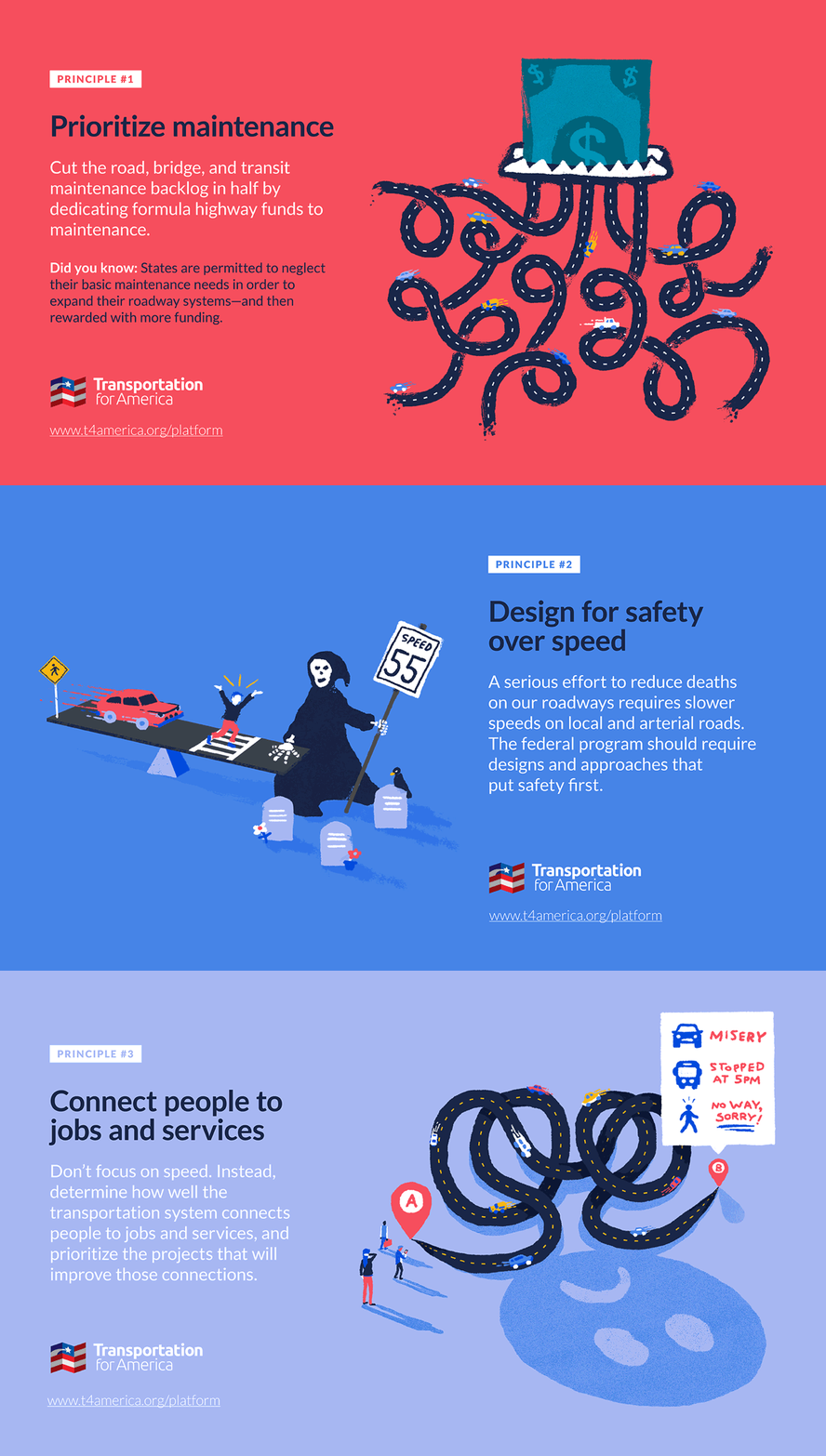
Principle #2: Fix it first. If your house has a leaky roof, you fix that before remodeling your kitchen. the federal transportation program should do the same and prioritize existing maintenance needs ahead of building new things which require decades of additional repair costs. Cartoon of winding highways eating up a U.S. dollar

To reshape our transportation system and address staggering maintenance needs, we must prioritize repairing existing infrastructure before expanding our roadways any further.

The 2021 Infrastructure Investment and Jobs Act provided an unprecedented level of funding for U.S. infrastructure, so why are our roads and bridges still deteriorating?

Despite a requirement for transit systems to maintain a state of good repair, there is no such requirement for our bridges and highways. As a result, decision-makers continue to use taxpayer dollars to fund new lanes rather than repair existing ones.

This wasteful cycle of expansion and misallocation of resources has created a system with a staggering maintenance deficit and no clear plan to address it. Each new lane has its own maintenance needs, meaning we continue to add to the number of roadways in need of attention. And the intensifying impacts of climate change and extreme weather events, as seen through the above-normal Atlantic hurricane season this year, will create new challenges on all of our infrastructure, further exacerbating our maintenance and investment needs.

A negative return on investment

Transportation agencies use models to predict future traffic and plan the roadway system accordingly. For decades, they’ve used these models to justify costly highway expansions, claiming that expansions are needed to help relieve traffic congestion. Yet billions of dollars have been spent on this strategy, and traffic has only gotten worse. With no requirement to revisit and update these models, we continue to throw our dollars at a solution that simply doesn’t work.

Our ever-expanding roads widen community divides, costing Americans more in travel time, especially if they don’t travel by car. They worsen traffic, meaning Americans spend more time in traffic than before. And low-income communities face the greatest burden, as they are more likely to be located near wide, dangerous roadways and also least likely to have their maintenance needs met.

Americans want to fix it first

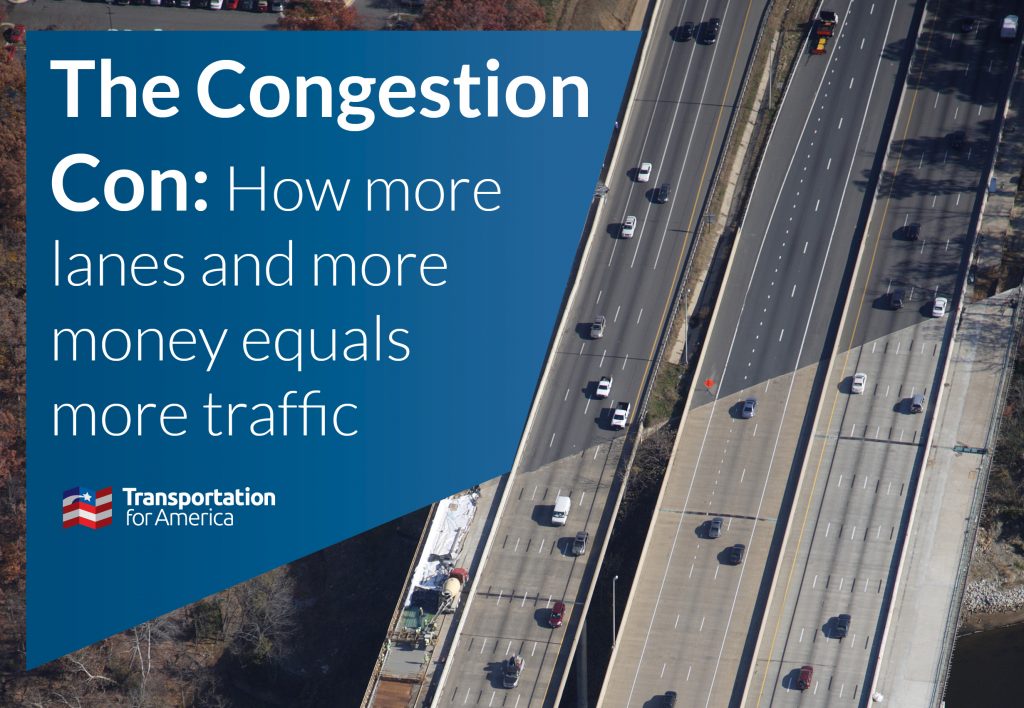
Americans have caught on to the congestion con, as 82 percent of voters don’t believe that highway expansions reduce traffic. The most popular long-term solution to reducing traffic in U.S. communities is repairing existing roads—not building new ones.

We need to stop borrowing against the future and instead adopt an approach that values fixing what we have before adding to the system. Prioritizing “fix-it-first” principles would reorient our transportation program to emphasize addressing repair needs before creating new maintenance liabilities. This approach not only begins chipping away at our maintenance backlog, but produces more jobs, enhances safety, and brings roads to an improved state of repair in rural, urban, and suburban communities alike.

The last two decades have proven that pouring money into the same flawed system is failing to make it any better. Delaying investments in repair means that we will only increase the costs of our maintenance needs in the long-run. We cannot afford to continue the status quo. With the next transportation reauthorization bill looming, it is necessary for our federal funding to be focused on achieving a state of good repair and delivering on better economic, environmental, and social outcomes for our communities.

It’s Fix It First Week

Click below to access more content related to our second principle for infrastructure investment, Fix it first. Find all three of our principles here.

  • Fix it first in practice

    One of our recently launched principles, fix it first, targets maintenance over expansion, advocating for federal highway dollars to be spent repairing old roads and bridges before expanding or building new ones. So, what would it look like in practice to implement this principle into the federal transportation program, to shift our states’ priorities away…

  • We can’t afford to keep avoiding repair

    When decision-makers fail to prioritize basic maintenance and repair, everyday Americans pay the price—in increased costs, increased time on the road, and suffering local economies. We can’t keep wasting taxpayer dollars without a clear plan to maintain what we’ve already built.

  • It’s time to stop expanding and start maintaining

    To reshape our transportation system and address staggering maintenance needs, we must prioritize repairing existing infrastructure before expanding our roadways any further.

Week Without Driving showcases the need to invest in the rest

A cyclist passes a bus stop in San Diego, CA as an American flag waves high above his head.

Last week, Transportation for America joined organizations and advocates nationwide in the Week Without Driving challenge. During this week, all Americans, including transportation practitioners and policymakers, are encouraged to travel without a car, allowing them to experience local barriers to walking, biking, and taking public transit firsthand.

For decades, our policies and investments have prioritized creating transportation infrastructure that is primarily oriented around the movement of people in cars. This focus has come at the expense of all other ways to travel, and everyday people pay the price.

This is why many advocates and organizations, including Transportation for America, chose to participate in the national Week Without Driving, which challenges people to spend a full week getting around to work, the grocery store, and all other activities, without using a car.

For individuals in transit-friendly and walkable neighborhoods, the Week Without Driving challenge was hardly a challenge at all. Many went about their daily routines or had fun exploring the other travel options in their area. But for the majority of Americans, who live in neighborhoods designed for cars at the expense of the safety and mobility options of everyone else, it’s not as easy as putting down the car keys and choosing another way to get around. Not being able to drive has consequences for travel time, as well as the comfort and safety of a trip. And this is not an accident—it’s a product of years of funding and policy decisions that focused on vehicle speed, rather than the far more important measure of how well our system is getting people where they need to go.

For a third of Americans, traveling without a car isn’t a choice, it’s an everyday reality. Yet many people who regularly drive are unaware of the need for more options. For some, it is an insurmountable challenge to get from Point A to Point B without a vehicle. Hostile walking and biking infrastructure, and unreliable transit frequency and coverage are only a few of the barriers cited by participants in going car free. Poorly maintained conditions of sidewalks and incomplete networks of paths also prevent pedestrians from safely crossing busy roadways and major arterial roads.

The impact isn’t felt equally

Every traveler has had the experience of not being able to drive at some point, for a variety of reasons (including when your car has to be taken in for repairs). However, the burden is felt most by people who are unable to drive regularly, if at all, including young adults, elderly folks aging in place, people with disabilities, and those who cannot afford the exorbitant costs of having a car. Barriers to access for a car are also particularly exacerbated in rural areas and low-income communities.

Everyday travel would look vastly different if the amount of funding we dedicate to expanding roadways and highways was instead used to build out the other transportation options that have been neglected for far too long. Not only would this increase the mobility options available for communities, it would also generate environmental, health, and public safety benefits writ large. We hope this year’s Week Without Driving helped decision-makers envision the transportation network Americans need.

At T4A, we believe it’s time to invest in a complete and comprehensive transportation network that empowers people to get wherever they need to go conveniently and efficiently, regardless of the mode of transportation they choose. That’s why one of our three guiding principles for the next federal investment in transportation infrastructure is Invest in the Rest. Learn more about this principle and why it matters here.

It’s Invest in the Rest Week

Click below to access more content related to our third principle for infrastructure investment, Invest in the Rest. Find all three of our principles here.

  • Four ways our federal leaders can invest in the rest

    While we might have the most extensive highway infrastructure in the world, our system is delivering pitifully poor results compared to our peers when it comes to cost, efficiency, emissions, and safety. What can Congress and USDOT do to invest in the rest?

  • Week Without Driving showcases the need to invest in the rest

    Last week, Transportation for America joined organizations and advocates nationwide in the Week Without Driving challenge. During this week, all Americans, including transportation practitioners and policymakers, are encouraged to travel without a car, allowing them to experience local barriers to walking, biking, and taking public transit firsthand.

  • Time to tip the scales in favor of more transportation options

    For decades, federal highway funding and funding for all other types of transportation (public transit, opportunities to walk and bike) have been severely unbalanced. In order to reduce greenhouse gas emissions, pedestrian deaths, and traffic, the Department of Transportation must invest in more transportation alternatives.

Two federal bills for better transit service
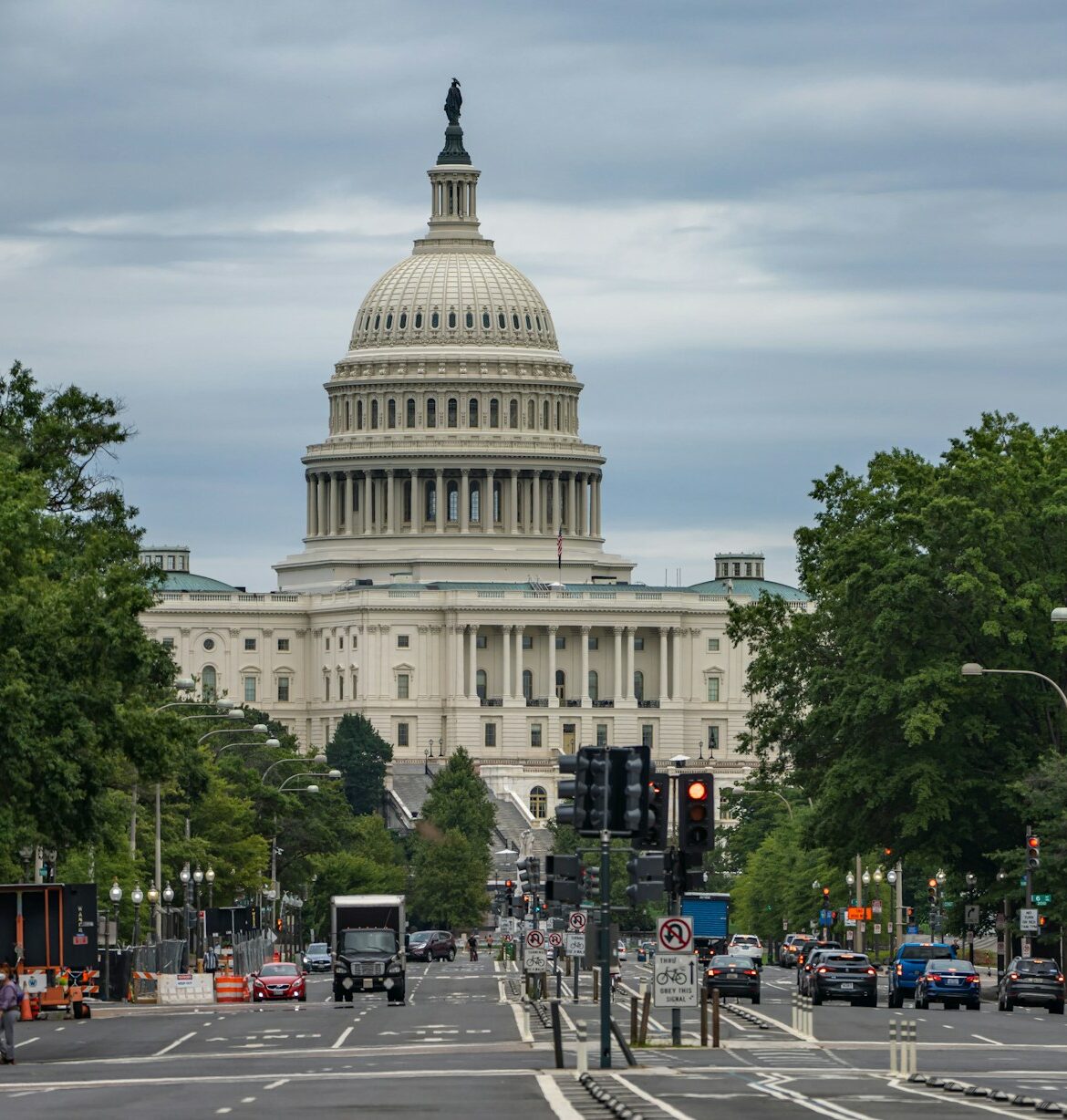
The U.S. Capitol from Pennsylvania Avenue, with people walking and driving on the road in the foreground

The Moving Transit Forward Act, introduced by Senators Chris Van Hollen (MD) and John Fetterman (PA), seeks to bolster public transit nationwide. While differing from Representative Hank Johnson’s (GA-4) transit operating bill in the House, both aim to address the urgent need for sustainable transit funding.

The U.S. Capitol from Pennsylvania Avenue, with people walking and driving on the road in the foreground
(Adam Michael Szuscik, Unsplash)

Millions of people across the country depend on reliable and consistent public transit to get where they need to go. To provide this service, public transit agencies rely heavily on federal, state, and local funding to maintain their system and improve service provisions. However, while federal funding covers capital expenditures for the construction and acquisition of infrastructure and equipment, the costs of operating the transit system are primarily procured from state and (even more often) local funding sources.

Transit agencies struggle to maintain service levels under this traditional model for operating costs. National lockdowns imposed during the Covid-19 pandemic caused ridership to plummet, exposing the extent of transit operating challenges for agencies. Revenue from fare collection drastically decreased, leaving little funding for transit agencies to cover their operating costs. Combined with rising inflation and stagnating local funding sources, transit agencies are faced with a self-reinforcing downward spiral of decreasing ridership and service cuts. Covid relief funds from the federal government offered temporary relief that prevented massive service cuts but with funding now being exhausted, transit agencies are facing a fiscal cliff due to this unstabling funding. This model creates a system that lacks the necessary resources and support to provide the reliable transportation services that communities need, and deserve.

On May 14, 2024, Senators Chris Van Hollen (MD) and John Fetterman (PA) introduced the Moving Transit Forward Act, with the legislation aiming to bolster public transportation services across the country. The bill aims to supplement the existing operating budgets of transit agencies to provide them with resources to expand routes, increase service frequency, and improve the experience of transit riders.

The Moving Transit Forward Act would create a federal formula funding program under the Federal Transit Administration (FTA) to provide additional funding resources for service improvements and safety and security enhancements. This legislation finally represents a Senate bill addressing operating costs, similar to the Stronger Communities through Better Transit Act reintroduced by Representative Hank Johnson (GA-4) in the House in January.

Both the House and Senate bills authorize new federal formula funds for transit operations. However, they have some key differences.

An immediate variation between the two bills is in terms of funding authorization. The House bill specifies authorizing $20 billion per year through fiscal year 2027 whereas the Senate bill does not specify a dollar amount for transit operating. Furthermore, all transit agencies, both rural and urban, are eligible for funding under the House bill, but the Senate bill targets transit agencies within urban areas that have a population of more than 50,000. This discrepancy is likely due to the fact that, unlike urban areas, rural areas are already eligible to use federal funds to cover transit operating costs. However, denying rural areas additional resources to cover operating costs limits their ability to provide frequent and reliable transit service—which is sorely needed, considering that more than 1 million rural Americans do not have access to a car.

Despite these discrepancies, both of the bills demonstrate the necessity of addressing operating costs for transit agencies to ensure that public transit is available, accessible, and affordable for communities, particularly for those that are underserved. As these bills move through their respective chambers, it is crucial that a transit model that supports the vision of reliable transit for all is realized.

There’s a climate cost to America’s freeways, and it’s not paid equally
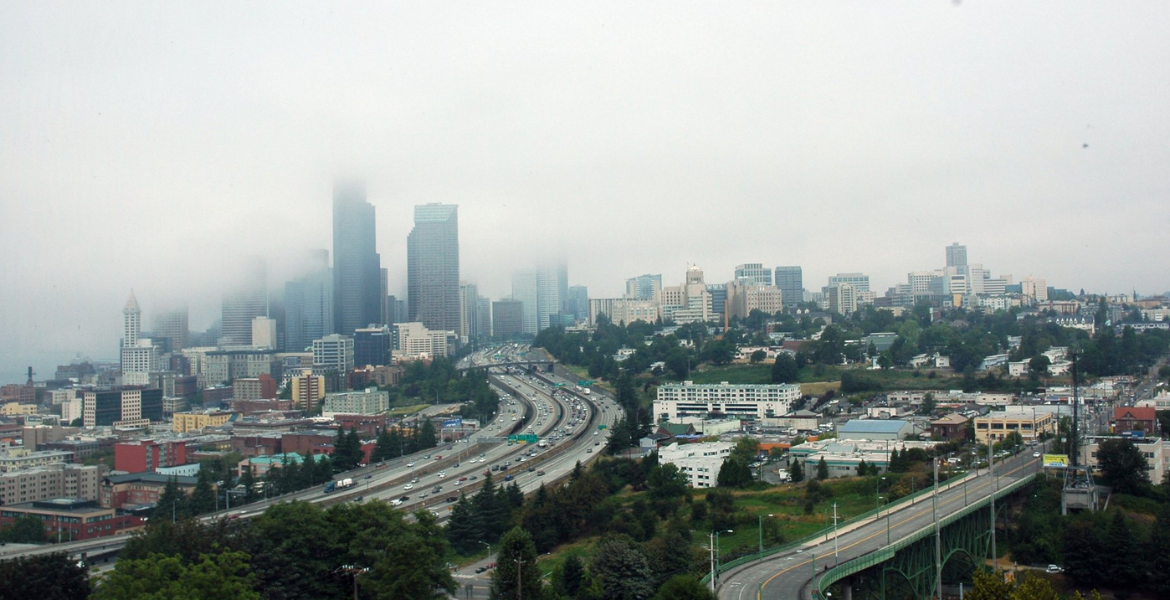
A freeway laces through Seattle as smog descends on the city's skyline

The environmental impacts of the Interstate Highway System continue to harm communities of color through health hazards, pollution, and displacement.

A freeway laces through Seattle as smog descends on the city's skyline
A highway snakes through Seattle, Washington (Flickr photo)

The sprawling roadway network of the Interstate Highway System (IHS) is a ubiquitous feature of life in America. Long drives along vast stretches of freeway have come to symbolize mobility and freedom in cultural memory, obscuring the insidious nature of the creation of the highway system and its legacies of environmental racism and inequality.

These legacies are not abstract; they have tangible effects in terms of pollution, population displacement, and environmental degradation. To illustrate this point, we’ll start with a story.

The community of Shiloh in Coffee County, Alabama

Highways can endanger lives by exacerbating negative health and safety outcomes. This is exemplified in the ongoing injustices against the predominantly Black community of Shiloh in Coffee County, located in the rural south of Alabama, where the expansion of Highway 84 from 2 to 4 lanes has compounded flooding impacts for the residents. Completed in 2018, the highway expansion project elevated the roadway significantly higher than the existing terrain and neighborhood.

When it rains, the water from the highway is diverted towards people’s homes (as you can see in this video from ABC News) as pipes in the drainage system are pointed in the direction of the neighborhood. Paved roadways are also particularly impervious to stormwater and create substantial run-off, which picks up additives such as rust, metals, and pesticides. The Shiloh community consistently experiences flooding, and with heavy rain becoming increasingly frequent due to climate change, the situation is only expected to worsen. Flooding has affected the structural integrity of homes and is raising alarming health concerns with residents reporting the appearance of mold. Physical damages and rising maintenance issues have forced the Shiloh community to contend with the difficult reality of investing in expensive repair projects or leaving their homes.

The Shiloh community has been working to bring awareness to the plight and adversity they have been experiencing for the past 6 years, in a political landscape that has largely neglected to address the severity of the environmental disaster created in their backyard. Alabama DOT (ALDOT) continues to maintain that no discrimination took place when they planned the highway widening project and that the flooding is not a consequence of the expansion. Following community complaints, three residents received settlements of $5000 or less in exchange for restrictive covenants on their property that release ALDOT from any responsibility of flood damage, which is the extent of any action taken by the state.

Robert Bullard, popularly known as the “father of environmental justice,” has also been collaborating with the community to demand accountability at the federal level. Their efforts culminated in an ongoing civil rights investigation from the Federal Highway Administration (FHWA) and a visit from the U.S. Secretary of Transportation Pete Buttigieg in early April of this year. But so far, no real relief has been found. The residents that signed away their rights feel misled and misheard, with the fear that their homes—and all the wealth and history they hold—are being washed away.

A compounding price

While the community of Shiloh’s case is an extreme example, countless communities across the country are harmed by existing highways and highway expansion projects. The highway system was constructed in a way that cut through vibrant existing neighborhoods, plowing through the heart of communities of color. This build-out of infrastructure cemented racial divides and segregation, encouraging connectivity for certain communities at the expense of others.

Inequities produced by the highway system are reinforced daily, with communities neighboring freeways bearing a disproportionate share of environmental harm. The siting of highways has historically exposed low-income communities and communities of color to higher amounts of air, water, and noise pollutants which in turn produces higher risk for disease and illness. Research indicates that there is a higher exposure to air contaminants for these communities which increases risk for cardiovascular disease and lung problems, among other health concerns. Proximity to paved surfaces, which absorb more heat than natural surfaces, means that communities are subjected to extreme heat as well.

A man in a cowboy hat walks down the sidewalk next to a row of parked cars in Little Village, Chicago
Little Village, Chicago (Wikimedia Commons)

Residents of Little Village, a predominantly Hispanic community in Chicago, have had to contend with poor quality air as a constant feature of their neighborhood that is located in close proximity to Interstate 55. Despite this, a proposal was introduced to add new lanes to the highway, incentivizing increased traffic, leading to a higher concentration of air pollutants in the region and a litany of detrimental health effects. Similarly, a controversial expansion of I-45 in North Houston is set to start soon, which would displace communities and add to existing problems of air pollution.

One of the regulatory tools that the public has at their disposal to challenge administrative actions is the National Environmental Policy Act (NEPA). Enacted in 1970, NEPA requires agencies to produce detailed statements on the environmental impacts of a project, potential actions to mitigate damage, and alternative projects with lower impact. Periods for public comment are integrated into the process as opportunities for affected communities to raise concerns and ensure that their considerations are involved in the decision-making process. Although NEPA gives the public a platform to voice their concerns about projects, it is not designed to stop these projects from being implemented, even if they may cause significant environmental harm. This means that infrastructure projects, such as highway construction and expansion, can continue to move forward even when the repercussions on environmental justice are clear.

Recent research and analysis conducted by T4A has found that trends of highway expansion are continuing to stay the same. Funding is being moved towards emissions-increasing roadway widenings at a critical moment in the climate crisis when our dollars should be spent towards robust public and alternative transportation options. Our transportation system is steeped in environmental racism and continues to function as a driver of inequality. It has created countless socio-economic benefits for certain communities at the tremendous expense of others. Changing weather patterns have also unearthed the fragility of our transportation networks and the need for resilience to allow them to withstand vulnerability.

As the current administration works towards building a future for transportation infrastructure that is equitable and sustainable, it is presented with an opportunity to radically redress historic inequities and meaningfully change how we invest our federal transportation dollars and prioritize who we invest in. Our report, Divided by Design, explains further. Read it here.

Demand a greener future for transportation. Tell your senator to support the GREEN Streets Act.
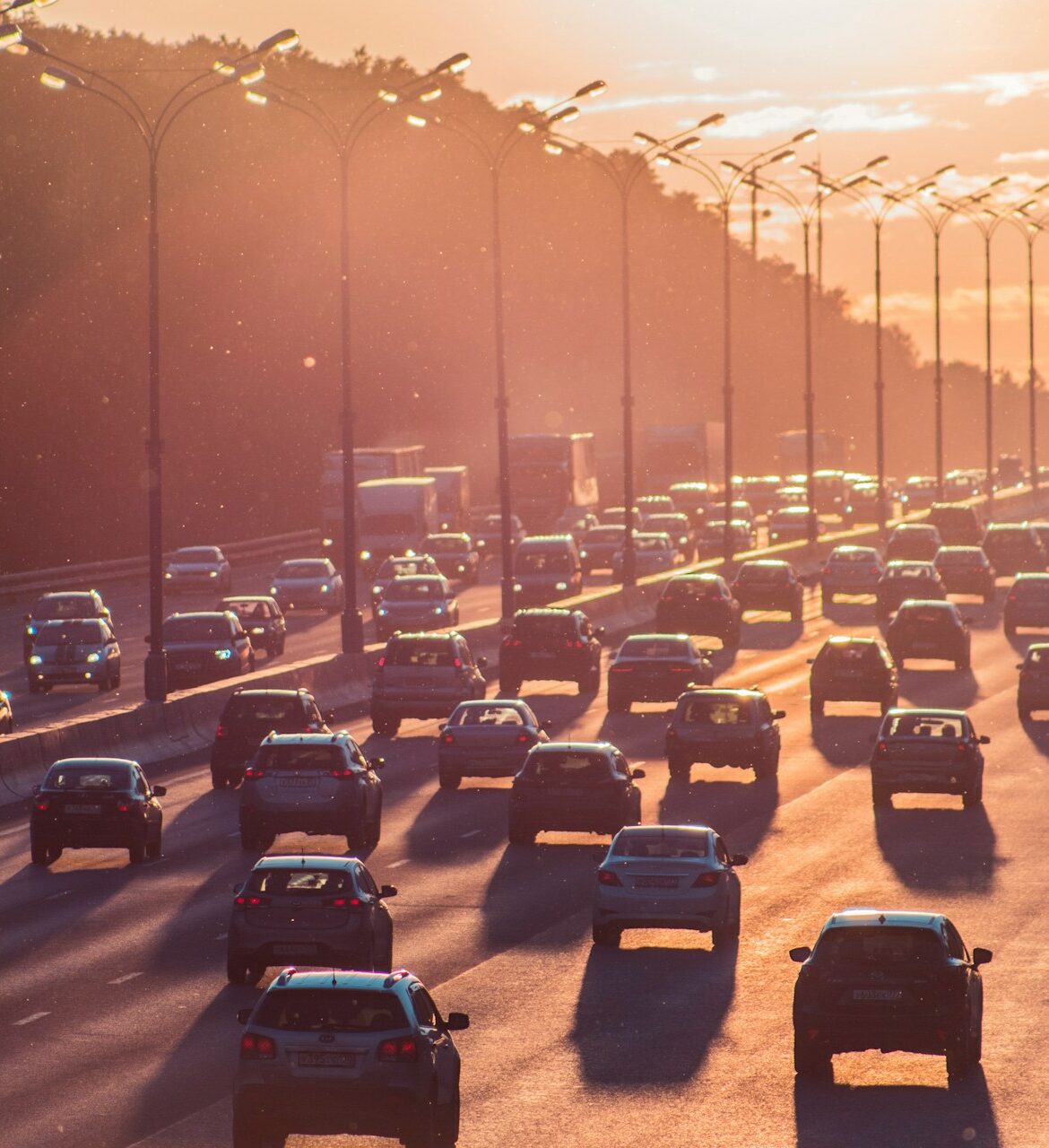
A hazy orange sunset descends over rows and rows of cars traveling down a highway

New legislation introduced by Senator Markey, the GREEN Streets Act, seeks to establish goals for emissions reduction and resilience in our transportation system, marking a pivotal step in alleviating the climate crisis on our roadways. Tell your senator to cosponsor this legislation.

A hazy orange sunset descends over rows and rows of cars traveling down a highway
Photo by Aleksandr Popov on Unsplash

Transportation is the largest source of greenhouse gas (GHG) emissions in the United States, and the bulk of them come from driving. To reduce these emissions, our transportation system requires more opportunities to travel outside of a car.

Yet, federal transportation policy and funding historically, at all levels, have encouraged projects that expand highway networks at the expense of public and active transportation. Our recent analysis demonstrated that even with landmark legislation like the IIJA, touted for its climate programs, states are continuing to designate billions of dollars towards expanding road capacity. Such a car-oriented design forces people to drive for longer and more frequent trips, creating more congestion—and generating more emissions.

On January 25, 2024, Senator Ed Markey introduced the Generating Resilient, Environmentally Exceptional National (GREEN) Streets Act, co-sponsored by Senator Merkley, with companion legislation introduced in the House of Representatives by Congressman Huffman. This bill aims to reduce GHG emissions on all public roads and create resilient transportation systems that can adapt to the adverse effects of climate change.

To achieve these goals, the GREEN Streets Act directs the Secretary of Transportation to create minimum standards for states to reduce GHG emissions, per capita VMT, and air pollutants on public roads. Furthermore, the bill requires states and metropolitan organizations (MPOs) to publish an analysis of the effects of projects that increase traffic capacity on environmental justice communities that are at higher risk of experiencing adverse health and climate impacts. These measures build on the GHG emissions measure released by USDOT, encouraging more transparency and accountability within our transportation system.

Investing in our transportation system means investing in social, economic, and environmental outcomes. It is crucial that federal investments help Americans safely, reliably, and affordably get to where they need to go. Federal legislation like the GREEN Streets Act will play a fundamental role in avoiding the worst effects of climate change and enhancing the resiliency and connectivity of our communities.

Help support this bill. Click here to ask your senator to be a co-sponsor.

Three years in, what can Biden still accomplish for transportation?
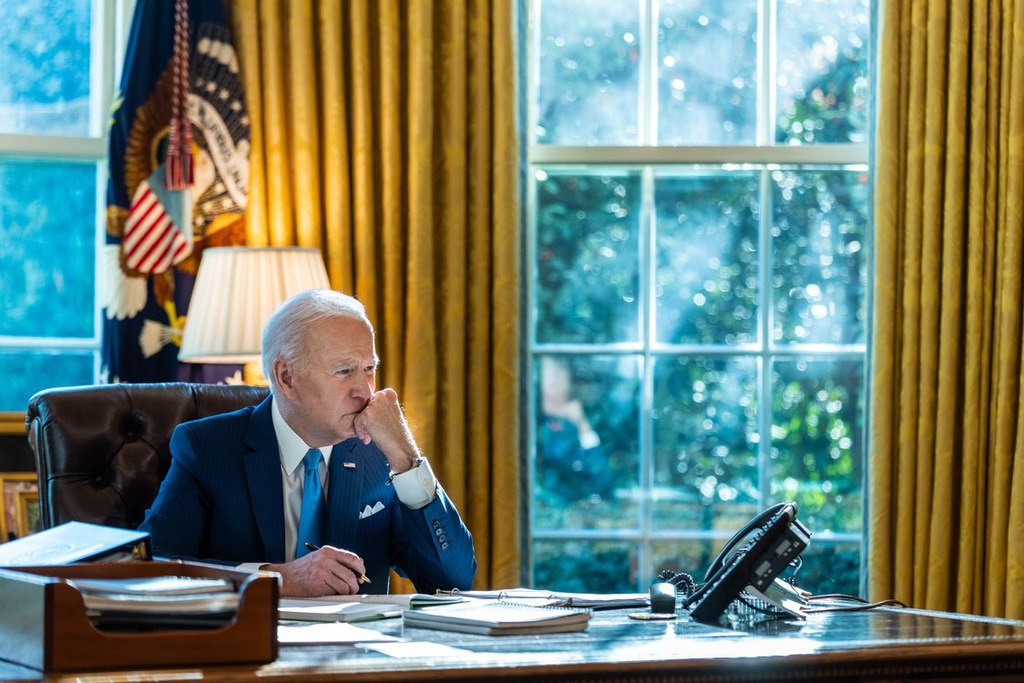
Joe Biden sits ponderously at his desk, pen in hand.

In November 2020, we sent the incoming Biden administration a memo outlining executive actions and long-term legislation we urged the new president to initiate. After three full years in office, modest progress has been made—but there’s still a long way to go.

President Biden sits at his desk with his pen raised. White House photo.

There are less than 365 days remaining until another administration is inaugurated, whether it be a second-term for Biden or the inauguration of a new successor. We’ve recapped the administration’s progress after their first year and their second year, and modest progress has been made. Entering this final stretch, the administration needs to shift towards bold and decisive action.

The good: Delivering critical standards for accountability

Long overdue GHG measure finalized

On November 22nd, 2023, the US Department of Transportation (DOT) re-established the Greenhouse Gas (GHG) Emissions Measure, which requires state DOTs and metropolitan organizations (MPOs) to measure and report their transportation-associated emissions, as well as set declining targets to reduce their emissions.

The rule does not provide any incentives for state DOTs and MPOs to set aggressive goals for emissions reduction, nor does it impose any penalties for failure to meet targets. However, with the transportation sector being the largest contributor to emissions in the US, this rule is an important first step towards accountability of the federal transportation program. Despite some opposition to this new rule, states can start setting targets and make progress towards their goals immediately. Though stronger incentives and enforcement mechanisms could strengthen implementation of the rule (and this would be a great role for Congress to step in on, akin to the recently introduced Green Streets Act (SB 3669)), it is an important first step towards meaningful action in centering transparency and accountability in our transportation system.

Much-awaited MUTCD update

The Federal Highway Administration (FHWA) released the 11th edition of the Manual on Uniform Traffic Control Devices (MUTCD), which is used by transportation agencies to design safe and efficient streets for users. The MUTCD contains long-awaited updates on moving closer towards a transportation system that is safe, equitable, and sustainable.

Although the MUTCD contains necessary improvements, such as allowing speed limits to be set based on local safety needs, there are still areas where reform is required to ensure safer streets for all. The FHWA has voiced interest in the MUTCD to be a living document that is flexible to the ongoing input of stakeholders. This feedback loop and process of transparent communication will help ensure that it is meeting the moment of a goal of zero roadway fatalities.

Adoption of PROWAG

The U.S. Access Board adopted the Public Right-of-Way Accessibility Guide (PROWAG), which looks to make equitable access to pedestrian facilities in urban areas a reality by providing enforceable accessible design requirements. Guidelines such as accessible pedestrian signals and wheelchair-accessible transit stops are fundamental components of safe and accessible streetscapes. PROWAG represents a significant step in advancing the rights and mobility of persons with disabilities, filling a regulatory gap in the implementation of the Americans with Disabilities Act of 1990. The only thing left to do now is ensure that it is actually fully enforced and adopted by the Department of Justice and Department of Transportation.

The incomplete: Challenging the status quo

Prioritizing resources for vulnerable communities

The administration is committing money and action towards efforts like Justice40, which looks to invest at least 40% of federal climate and infrastructure investments towards marginalized and overburdened communities. This initiative presents an opportunity to rectify gaps in transportation infrastructure created through decades of disinvestment in communities, but there is still more work to be done. Meaningfully creating projects that benefit those who need them most means embedding equity in every step of the process—be it public engagement or implementation. There needs to be transparency in oversight and in tracking how the money is being used. As of now, it is unclear whether funding is allocated on the basis of where environmental justice communities are located or who will enjoy the benefits of these investments.

(Still) unrepresentative Amtrak Board

For the first time in 8 years, the U.S. Senate confirmed three nominations for Amtrak board members. There are unprecedented levels of funding available for the expansion of passenger rail services, but without sufficient representative oversight, this funding can’t advance efficient Amtrak operations. Amtrak was not created solely for the Northeast Corridor, it was created to support long-distance passenger rail in the national network. Representation is required from the many diverse regions that Amtrak serves, such as rural America. However, with two out of the three nominations hailing from the Northeast Corridor, current nominations still fail to reflect all of the U.S.

Lots of talk on safety, little action

It is no secret that the dangerous design of our roadways contributes to rising pedestrian and cyclist fatalities, with the size of cars and SUVs playing a big role in jeopardizing the safety of road users. The National Highway Traffic Safety Administration (NHTSA) is revising vehicle safety design and standards to consider the safety of people on the streets, not just those inside vehicles. It is crucial that these safety standards directly tackle vehicle size, speed, and visibility. We need a holistic shift in priorities to create safer systems, and current efforts simply do not go far enough. The federal government can, and must, do much more to ensure a new paradigm for road safety that centers the protection and mobility of vulnerable road users.

Marginal shifts in transportation planning and delivery

There has been marked federal, state, regional, and local transportation discussions on accounting for safety, equity, and sustainability. However, there has been little action from USDOT to make significant shifts in policy and guidance that disrupts the status quo in transportation system development. With entrenched concepts such as the value of time and induced demand in transportation development manuals, USDOT is in the front seat to help steer the conversation, but has been absent in disrupting this status quo thinking. USDOT did share guidance in late November 2023 that there are alternative transportation design manuals to consider, but fell short on shaking up the status quo go-to design manuals.

Further challenging this disruption, there has been a lot of effort from the administration to electrify our current transportation system, predominately overrun by single occupant vehicles, to solve the climate crisis. This misguided mindset misses the mark by ignoring other externalities in electrification, not to mention overlooking the need to fundamentally decarbonize transportation and reduce our dependence on privately owned vehicle miles.

Lastly, tucked away in the infrastructure law was a new rule that asked state DOTs and MPOs to rethink their transportation planning processes to coordinate with land use and housing planning. To date, there has been little mention from USDOT on guidance or regulations that pushes state DOTs and MPOs to take action on this, which will be crucial to tackle affordable housing issues and help reduce vehicle miles traveled by better colocating homes, jobs, and services in a community.

The opportunity: Actions the administration can still take

Looking ahead into this final year, complacency is a luxury that the administration simply cannot afford. The prospect of a second term hangs in the balance, and even if secured, a changed political landscape could reshape commitments to current transportation goals. The risk looms large that a different administration may also reverse some of the hard-fought wins that have been achieved if these changes are not engrained at the state and local level. With time fast running out, the administration faces a critical juncture to deliver a lasting mark in equity, accessibility, safety, and sustainability.

Issue areaDepartmentStatusDetailAction
Access to federal fundsUSDOTLimited progressPrograms like INFRA and MEGA required only one application to be considered for multiple funding opportunitiesSimplify applications for discretionary grant programs (like the Better Utilizing Investments to Leverage Development (BUILD) program) by creating an online application and benefit-cost analysis (BCA) process so that small, rural and limited-capacity agencies can more easily access federal funds.
Climate changeUSDOTDoneWe only measure what we treasure. Re-establish the greenhouse gas (GHG) performance measure for transportation abandoned by the last administration, follow this up with annual state GHG rankings, and provide guidance for projecting GHG emissions at the project level.
Climate changeUSDOTDoneRepeal the June 29, 2018, Federal Transit Administration (FTA) Dear Colleague to public transit agencies regarding the Capital Investment Grant program, specifically the treatment of federal loans as not part of the local match, inclusion of a geographic diversity factor in grant awards, and encouraging a low federal cost share.
Climate changeUSDOTAllow rural transit systems to receive funding from the Low and No Emission bus program.
EquityUSDOTIn progressFirst round of awards issued for Reconnecting Communities, second round soon to come, plus Thriving Communities technical assistanceIdentify infrastructure that creates barriers to mobility (such as highways or rail beds that divide a community). Then prioritize resources to address those barriers and the disparities they create (e.g., by removing infrastructure barriers or creating new connectivity).
Passenger railWhite House, USDOTLimited progressNominations for new appointments with little change to the overrepresentation of the NECAppoint new members to the Amtrak Board of Directors and assess the balance of the board with respect to support for and experience with vital long distance, state-supported, and Northeast Corridor routes, as well as civic and elected leaders from local communities actually served by the existing network.
SafetyUSDOTLimited progressRevise the New Car Assessment Program to consider and prioritize the risk that increasingly larger automobile designs pose to pedestrians and cyclists and the driver’s ability to see pedestrians (particularly children and people using wheelchairs and other assistive devices).
SafetyUSDOTUpdate releasedModest changes, with the possibility for the MUTCD to become a living document, with goals for more periodic updates going forwardReopen the comment period on the handbook of street engineering standards (the Manual on Uniform Traffic Control Devices or MUTCD) used by transportation agencies to design streets, and reframe and rewrite it to remove standards and guidance that lead to streets that are hostile to or dangerous for those outside of a vehicle.
Technical guidanceWhite House, HUD, USDOT, GSARe-activate the Location Affordability Portal created by DOT and HUD and establish a location efficiency and equitable development scoring criteria to be applied to decisions involving location of new federal facilities, particularly those that serve the public.Re-activate the Location Affordability Portal created by DOT and HUD and establish a location efficiency and equitable development scoring criteria to be applied to decisions involving location of new federal facilities, particularly those that serve the public.
Ensure more accurate traffic and emissions modelingUSDOTRequire the measurement of induced demand and a review of the accuracy of current travel demand models by comparing past projections with actual outcomes, reporting their findings, and updating the models when there are discrepancies.
Replace value of time guidance with more equitable, multimodal approachUSDOTHelp states and metro areas accurately calculate the benefit of their projects by updating the value of time guidance and its focus on vehicle speed with consideration of actual projected time savings for all people, whether they travel by car or use other modes of travel.

Green Light for Climate Action: Unveiling the impact of the GHG Emissions Measure rule
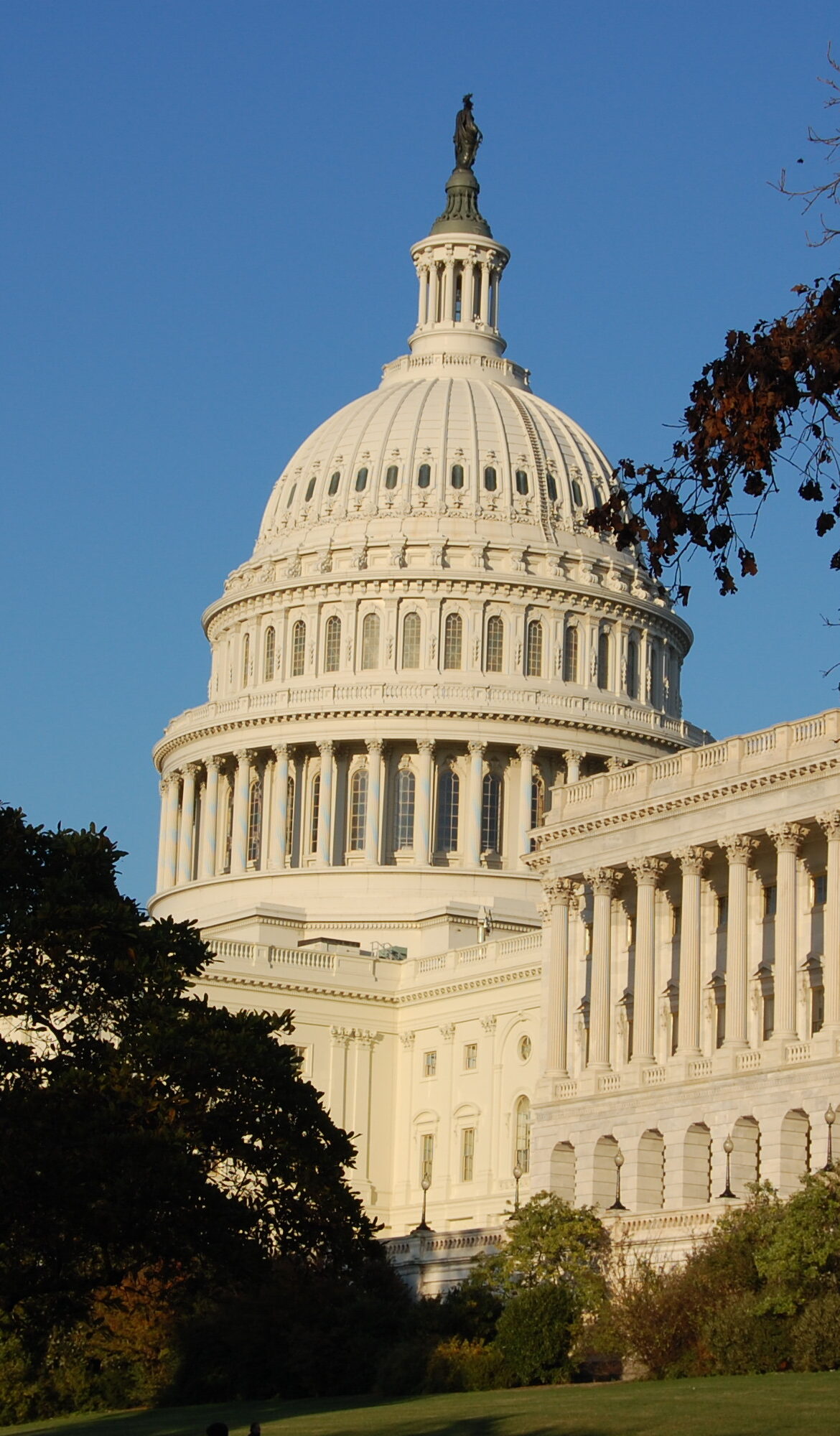
The United States Capitol Building.

By mandating emissions tracking and target setting, the GHG Emissions Measure addresses an urgent need for climate action. And while this popular rule is an important first step, its success hinges on immediate and effective action at the state and local levels, which would signify a shift towards a cleaner, and greener, transportation landscape.

The United States Capitol building. (John Xavier via Flickr)

On November 22, 2023, the Department of Transportation released the Greenhouse Gas (GHG) Emissions Measure rule, requiring state DOTs and metropolitan planning organizations (MPOs) to measure and report their transportation-associated emissions, as well as set targets to lower these emissions. This rule is long overdue, with a period of public comment on the rule having closed over a year ago in October 2022. More than 60,000 comments were received by the Federal Highway Administration (FHWA), with comments in favor outweighing those opposed by more than 3,000 to 1, demonstrating overwhelming support from government agencies, and transit and advocacy groups, for progress on emissions reduction. 

What does this mean for state DOTs and MPOs?

With the passage of the rule, all 50 states, as well as the District of Columbia and Puerto Rico, are mandated to measure GHG emissions associated with on-road mobile sources on the National Highway System (NHS) within their geographic or planning area boundaries. Additionally, state DOTs will need to establish 2 and 4-year emissions reduction targets, and MPOs will need to establish 4-year targets. State DOTs are expected to submit their first targets on February 1, 2024, signifying the administration’s endorsement of an aggressive and rapid policy rollout in the right direction. Both state DOTs and MPOs will need to consistently provide updates to report their progress in meeting their targets. 

The GHG rule expands on important work in setting declining GHG emissions targets that already exist and has been implemented in 24 states and the District of Columbia. Crucially, the new rule provides a national framework and recommended method that standardizes how emissions should be calculated. A uniform calculation methodology allows for consistency across the board in emissions data that is currently produced and will be produced, and the ability to uniformly compare progress through timely updates.

State DOTs and MPOs are awarded a high degree of flexibility in setting their own declining GHG targets and pathways for achieving them, allowing alignment with their respective policy priorities. This also means that there is no incentive to set competitive targets, and there are no penalties imposed for failures to meet these set targets either. While the rule brings sunlight to progress on emissions targets, the absence of an enforcement mechanism implies that it may not drive substantial action in shifting the status quo.

Moreover, it is important to note that the emissions mandated for tracking and reporting by this rule pertain only to travel on the National Highway System (NHS), not all roads. As of 2020, the NHS represented only 5.3% of total mainline miles of roadway in the US. By solely focusing on NHS-related travel, more than 46% of the total vehicle miles traveled in the US are overlooked.

From awareness to action

The Infrastructure Investment and Jobs Act (IIJA) is channeling historic amounts of federal funding into states for transportation projects aimed at reducing carbon emissions. Among its programs is the Carbon Reduction program which provides funding for state projects focusing on carbon emissions reduction. These dollars hold unprecedented potential for investment in transportation projects that create climate-resilient and reliable transit networks. However, there is also the possibility that this money may continue to be invested in highway widening projects, leading to the opposite outcome of actually increasing emissions. Constituents deserve to know that their taxpayer money is going where it needs to go.

The new law arms the public with an important advocacy and transparency tool to assess whether the administration is fulfilling its promise of delivering on sustainable and equitable transportation options. This accountability encourages states and local leaders to align their work with their constituents’ goals and prioritize projects accordingly. 

Confronting the climate crisis demands urgency. Changing climate conditions across the country are increasingly threatening the connectivity, efficiency, and safety of our transportation systems, impacting communities’ abilities to access daily necessities and get where they need to go. With adverse weather events impacting reliable service and recently witnessed air quality crises, the administration could not afford to delay decisive action any longer.

The science on this has also never been clearer. The Sixth Assessment Report by the Intergovernmental Panel on Climate Change (IPCC) emphasizes the unequivocal need to implement transformative change in the transportation sector. The transportation sector is the largest source of GHG emissions in the United States, and aligning climate goals with transportation agency goals is pivotal to moving closer to achieving the nation’s ambitious net-zero goals. Ultimately, the GHG performance measure should pave the way for more aggressive and ambitious climate mitigation and adaptation policies. 

The GHG rule is not a silver bullet 

T4A’s director, Beth Osborne, wrote in our statement on the rule that “these decisions have benefits beyond reducing emissions, like providing people with more opportunities to travel outside of a car, which enhances safety and mobility.” It is important to remember that achieving climate targets and creating equitable communities hinges on breaking free from car dependency.  Electrification and vehicle efficiency, on their own, will not lead us out of the climate crisis. Our report, Driving Down Emissions, underscores the importance of accounting for factors like induced demand and shifting away from car-oriented land use in efforts to reduce emissions. 

The GHG rule is a valuable, first step on a long path towards ensuring climate accountability and transparency in our transportation system, but we must continue to capitalize on this momentum to ensure that our transportation agencies move in the right direction. While we applaud the release of the new rule, it is evident that we need immediate and effective implementation and investment in greener forms of transportation, if the law will have the much-needed impact it intends. 

Avoiding Derailment: The Freights First Act in Perspective
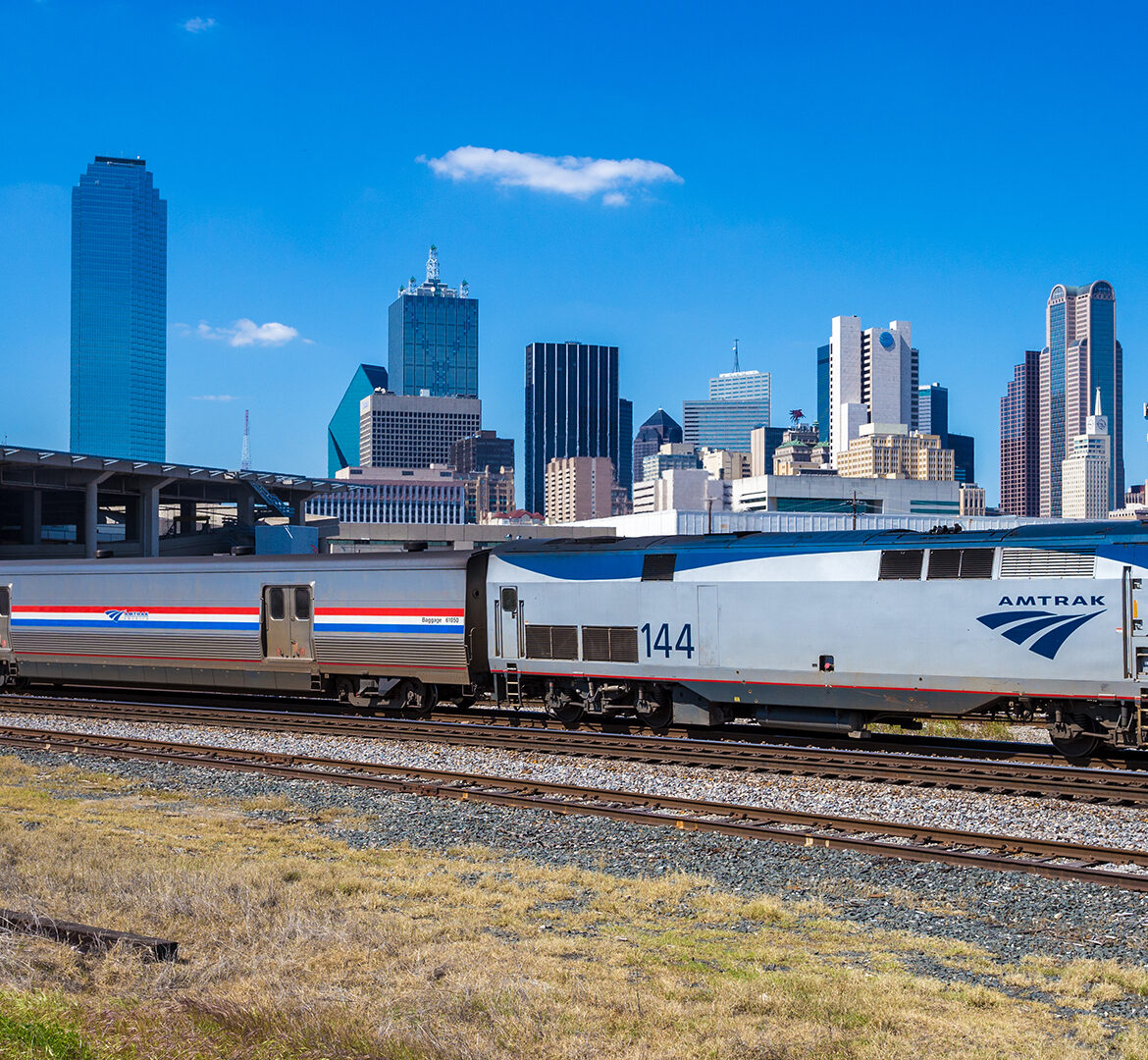
Amtrak’s eastbound Texas Eagle train departs Dallas.

There is no denying that there are persistent issues that impact reliable freight service and the efficient delivery of goods nationwide. Yet, despite the discussion of the myriad service issues that affect the supply chain, Amtrak and passenger rail have not been identified as a cause of disruption, and have, in fact, been conspicuously absent from the conversation in general. Despite this lack of impact, critics argue that if the Freights First Act is enacted, it could jeopardize the growth of passenger rail and roll back vital infrastructure investment goals.

Amtrak’s eastbound Texas Eagle departs Dallas. (Matt Shell via Flickr)

The Freights First Act, introduced by Rep. Eric Burlison (MO), seeks to “eliminate Amtrak’s right of preference” over freight transportation in what is being portrayed as an attempt to prevent freight rail bottlenecks and expedite freight movement. Co-sponsored by U.S. Representatives Troy E. Nehls (TX), Scott Perry (PA), Andrew Ogles (TN), and Harriet M. Hageman (WY), there has been no evidence implicating passenger rail as an obstacle to freight service productivity.

In April 2022, the Surface Transportation Board (STB) held a public hearing to urgently assess freight rail service performance and how unreliability and inconsistency impact the supply chain. Stakeholders, including rail labor organizations and shipping companies, gave extensive testimonies regarding service concerns and their vision for a path toward service recovery. The STB found that decades-long practices such as reducing operating ratios and diminishing the existing workforce to cut costs are harmful to operations and stymies service. 

Following the investigation, the STB issued a ruling that requires Class 1 freight railroads, namely BNSF, CSX, UP, and NS, to be put on an aggressive schedule to provide updates on their rail service, performance, and employment. This evaluation of progress is a significant step forward in monitoring improvements from freight railroads that urgently need to reform their precision scheduled railroading model as well as increase transparency and accountability. 

Notably, passenger rail was not identified as a concern throughout this process—even by the freight provider’s own admission. This means that if enacted, this legislation will likely not improve delays and establish efficient freight service. What this legislation will achieve, is effectively dismantling a robust network of national and state-supported passenger rail service, and undermining the vision for growth and expansion of nationwide passenger rail service outlined in the Infrastructure Investment and Jobs Act (IIJA)

The Freights First Act also contradicts the goals of the citizens whom proponents of this bill are supposed to represent while obscuring and ignoring the real obstacles that are hindering the improvement of freight service. Mayors of Houston, Austin, and San Antonio have looked into popular options to expanding passenger rail in the Texas Triangle in order to prioritize local economies and connect people to services. The current infrastructure funding presents an opportunity for these states to advance projects that can improve mobility in their region, including the extension of the Amtrak Heartland Flyer as well as the I-35 rail expansion. Similarly, Memphis, Nashville, and Chattanooga have declared interest in passenger rail opportunities throughout Tennessee to meet growth and mobility needs. The agenda being advocated for by the representatives sponsoring the Freights First Act is entirely misaligned with the tireless support for passenger rail exhibited by these states and communities.

The IIJA presents a momentous opportunity to act decisively and improve community connectivity through a strong network of passenger rail service, and our responsibility is to support this movement, not roll it back. The Freights First Act is presented as an aspiration for improving the nation’s supply chain performance but it is nothing more than a thinly veiled attempt to destroy intercity and commuter rail passenger transportation.