Posts Tagged "passenger rail"
Full speed ahead: How federal leaders can keep building on passenger rail progress
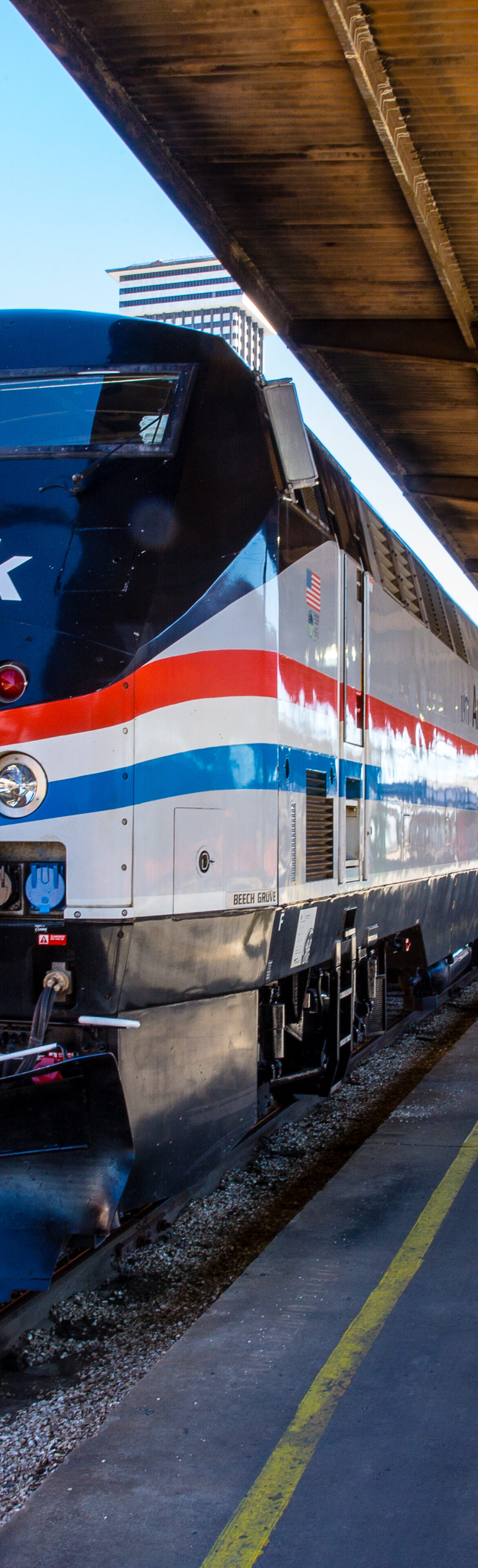
Passenger rail efforts in the Gulf Coast demonstrated tireless commitment to federal advocacy, funding development, and ultimately service implementation. But if our nation’s leaders are truly interested in advancing a national network, they can take action now to support future efforts.
From excitement to reality: Implementing passenger rail on the Gulf Coast
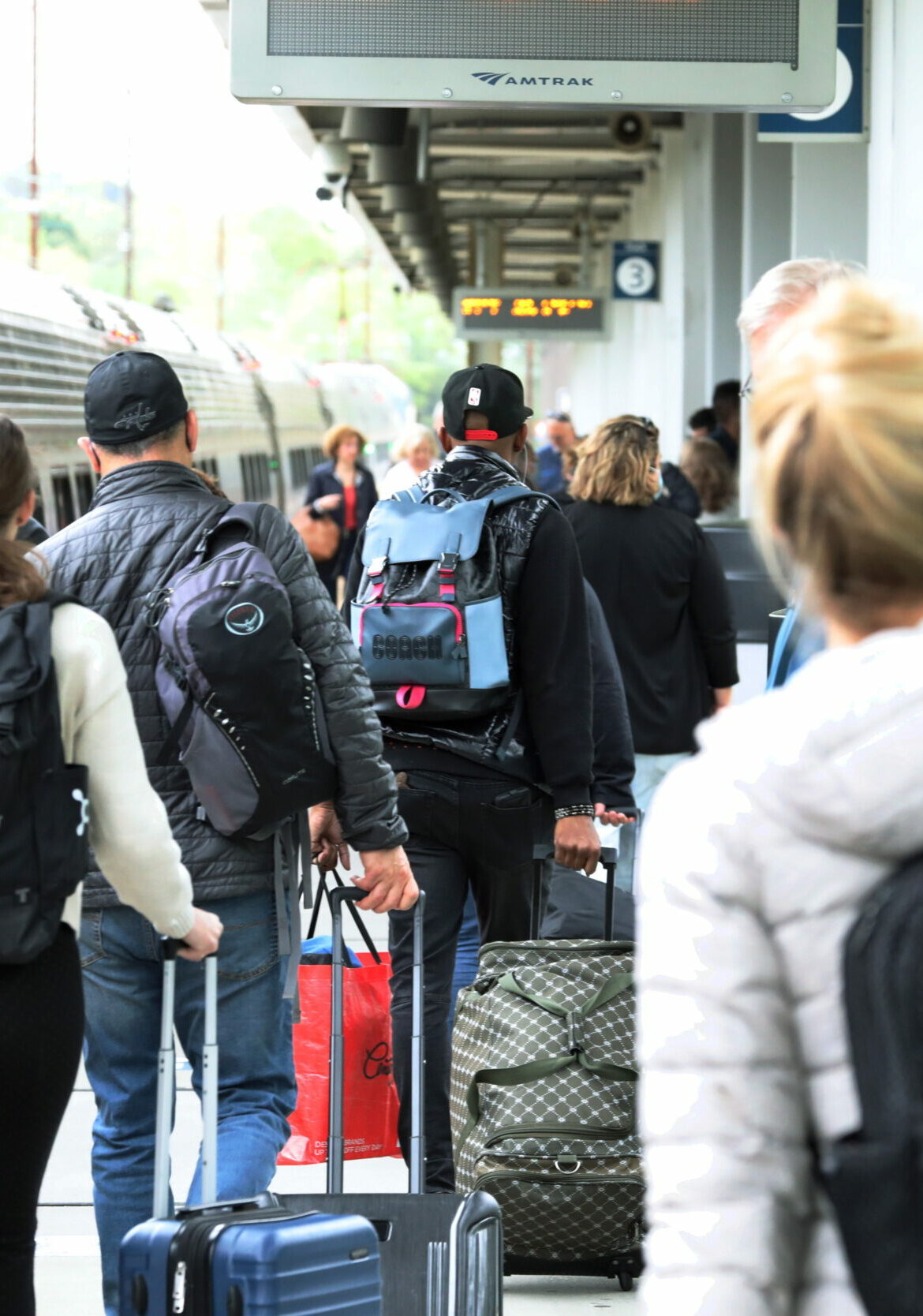
Federal advocacy and allies were essential to turning local momentum for passenger rail from New Orleans to Mobile—set to reopen this very year—into a regional, and national, success story.
Building momentum for a national passenger rail network
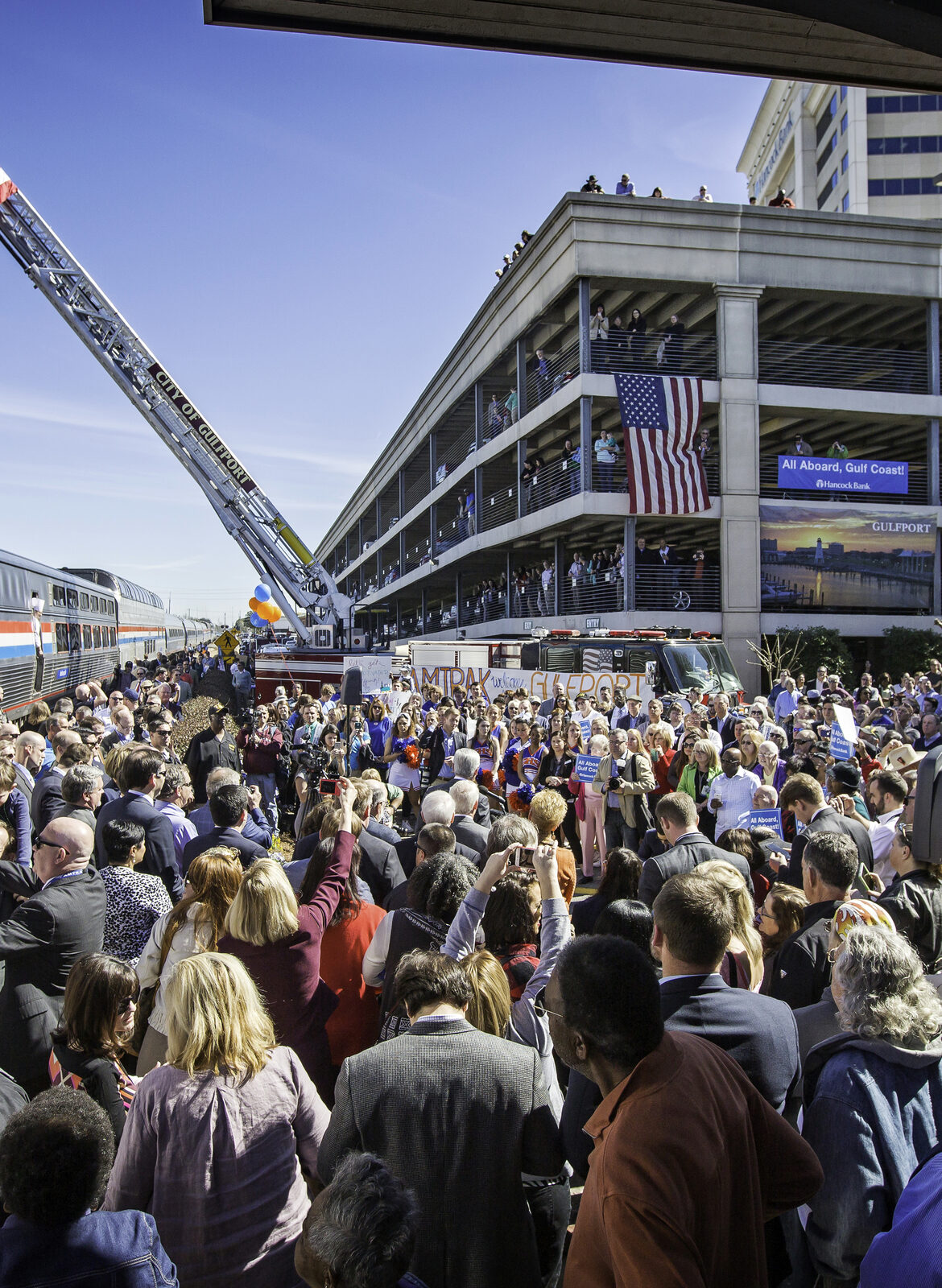
After the setbacks of the late 90s and early 2000s, passenger rail advocates along the Gulf Coast were not discouraged. Through the work of a Regional Rail Commission and the cultivation of relationships with local, regional, and federal leaders, these advocates were able to build a foundation for the implementation of passenger rail restoration in the region.
What happened to U.S. passenger rail?

Almost a century ago, the railroads were the economic engine of the country, spurring the transportation of both goods and people over long distances. Now, the American railroad system is merely a specter of its former self. How did the United States devolve from an expanded passenger rail network to the system we have today?
Progress for passenger rail in the South and beyond
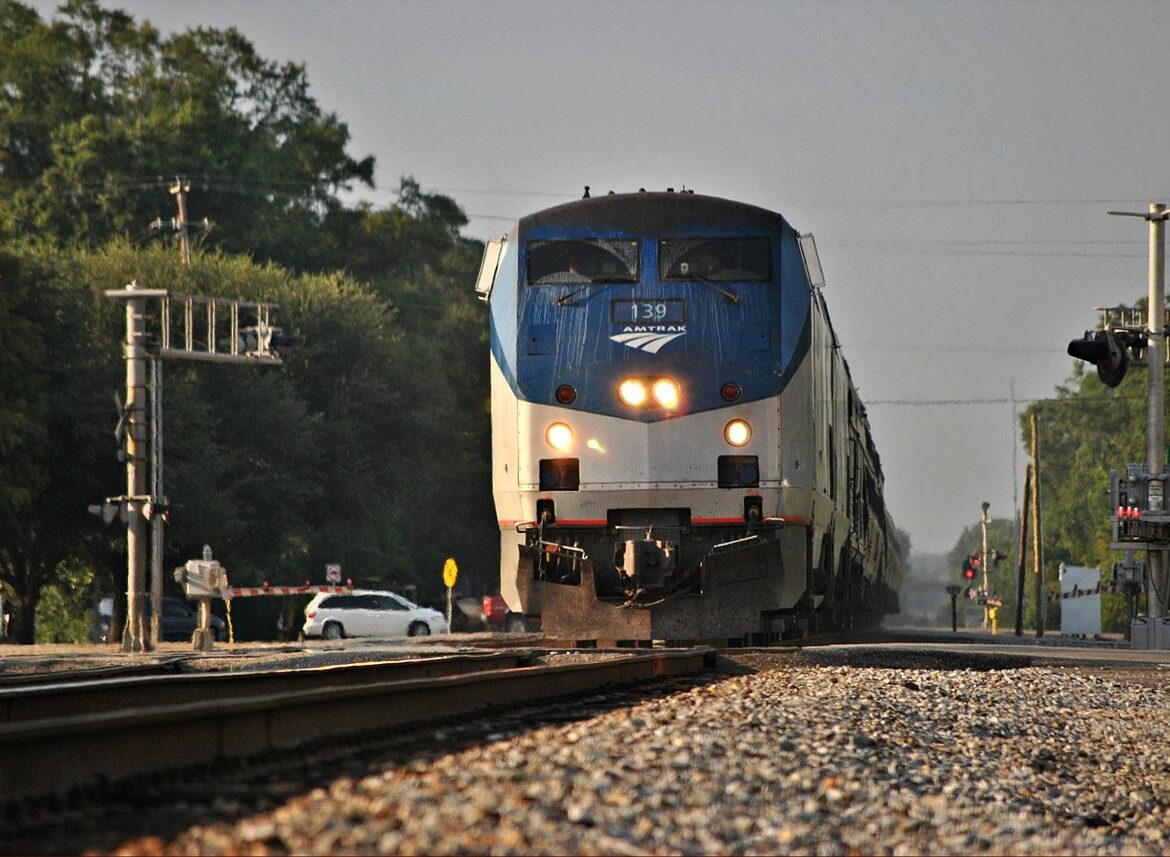
Two recent developments at the federal level can help propel passenger rail expansion in the South and across the country.
Avoiding Derailment: The Freights First Act in Perspective
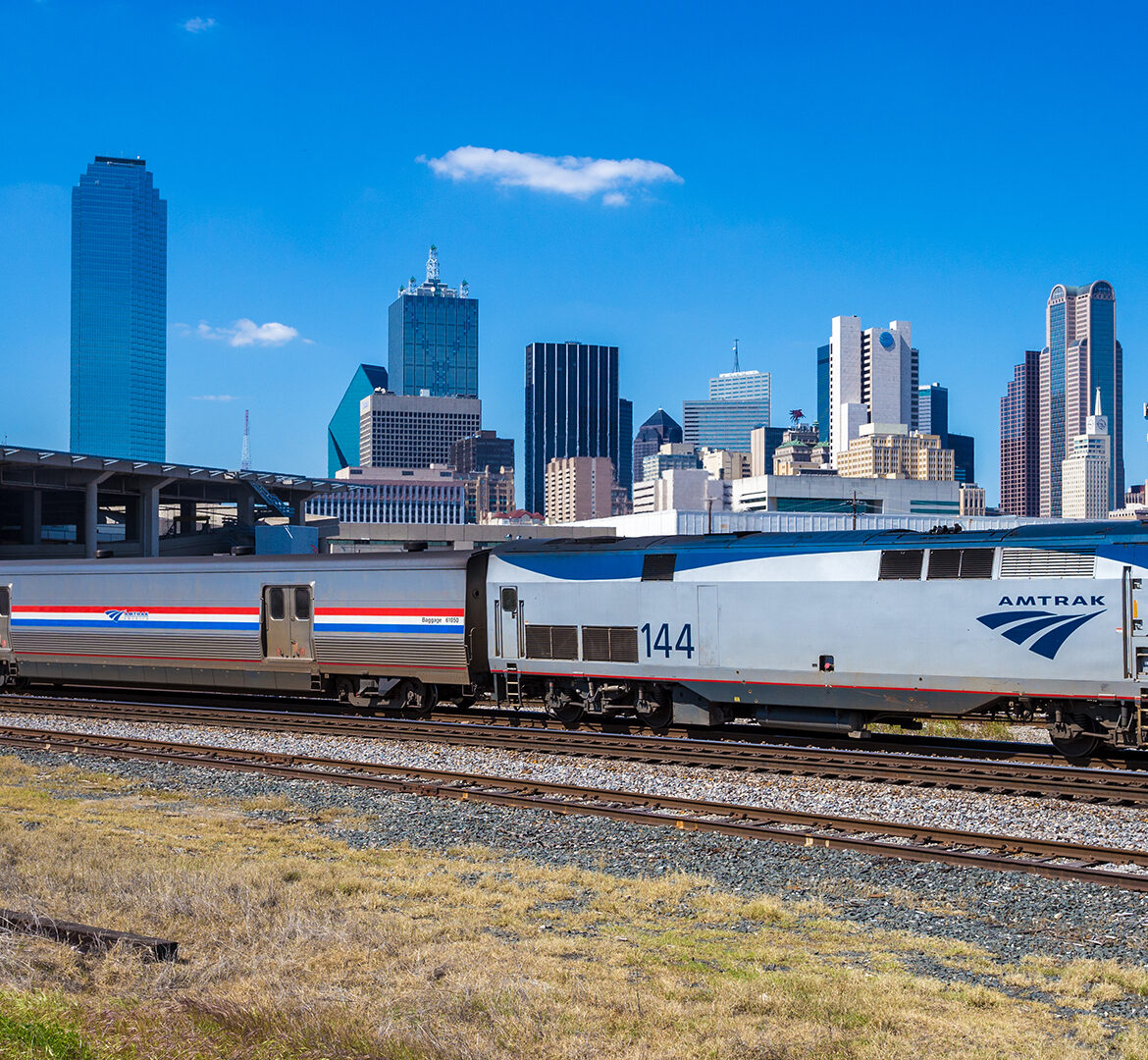
There is no denying that there are persistent issues that impact reliable freight service and the efficient delivery of goods nationwide. Yet, despite the discussion of the myriad service issues that affect the supply chain, Amtrak and passenger rail have not been identified as a cause of disruption, and have, in fact, been conspicuously absent […]
Transit’s physical cliff: Climate change
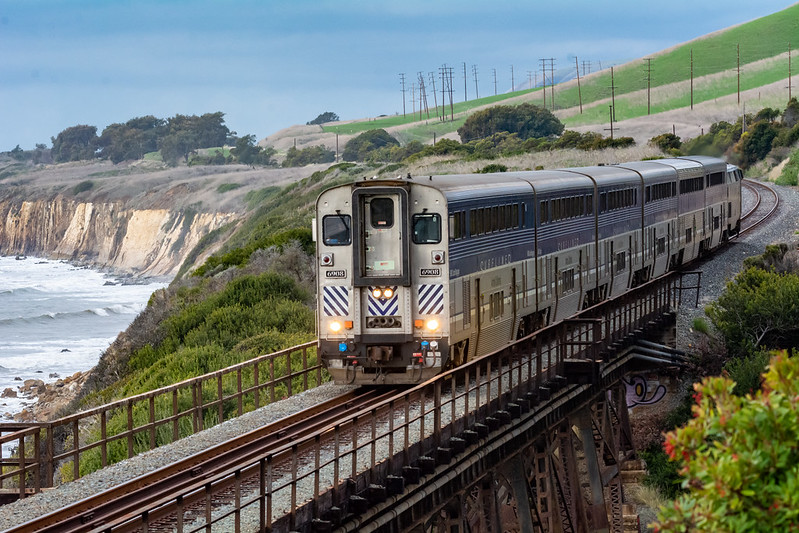
California and New York State Legislatures voted to save transit from the fiscal cliff in 2023. While a win for transit can be a win for the climate, changing conditions across the country demonstrate the need for transit to find ways to be both fiscally and physically resilient.
Final grant clears the way to restore Gulf Coast passenger rail service

Last week’s announcement of a $178 million federal grant to make track and infrastructure improvements along the Gulf Coast rail corridor represents the last major funding hurdle to restoring passenger rail service from New Orleans to Mobile, AL.
Amtrak’s path to world-class service

US passenger rail was the envy of the world at the turn of the 20th century. As global temperatures rise, and with the growing need to enhance intercity mobility options to get to economic and civic opportunities, it’s high time to look to and emulate our international peers in developing passenger rail: iterate, innovate, and don’t fall for the immediacy trap.
How four mayors from the Deep South are leading the expansion of national passenger rail
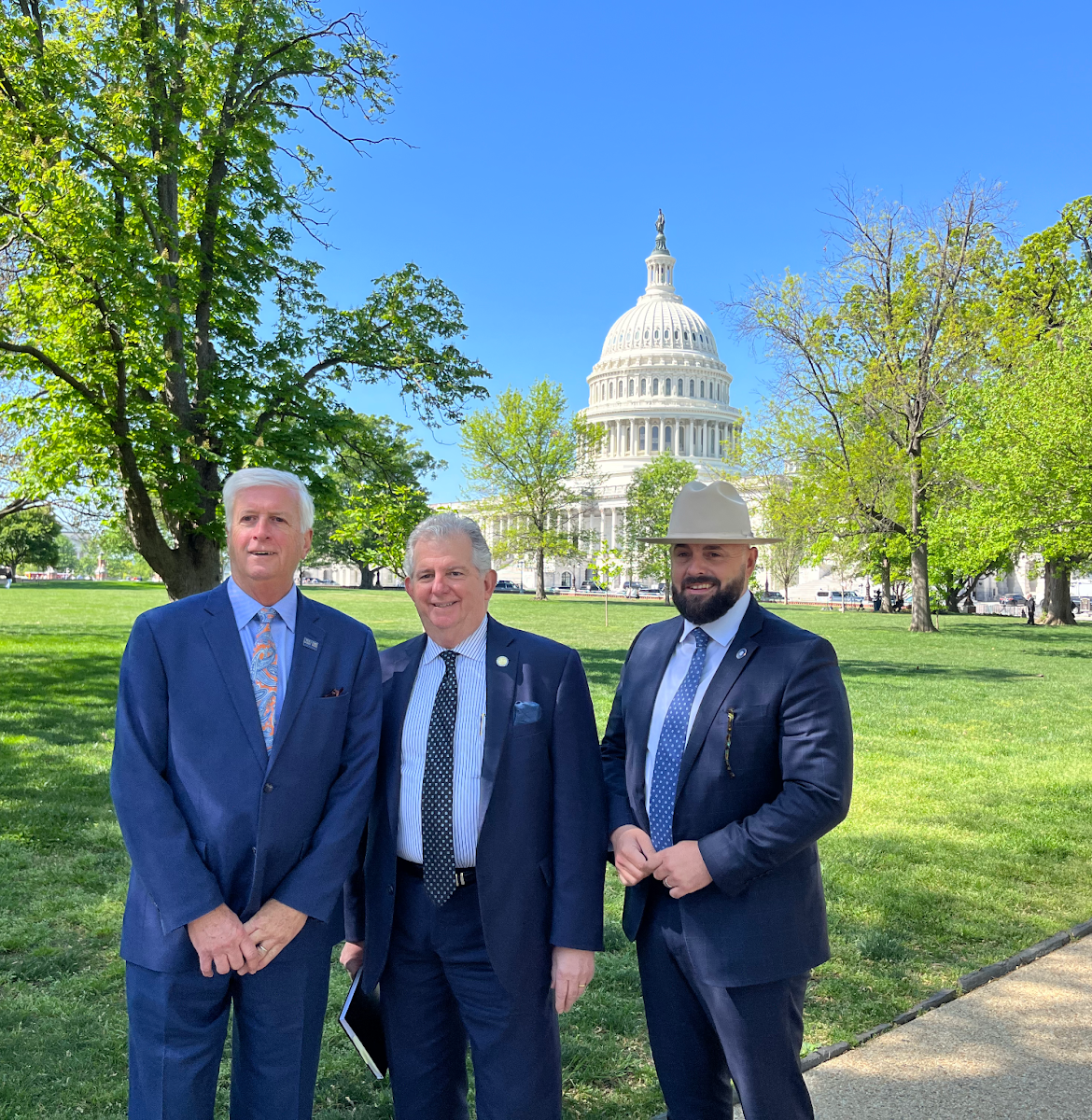
The mayors of Monroe, Ruston, and Shreveport, Louisiana, have joined forces with the mayor of Vicksburg, Mississippi to fight for new Amtrak service through their communities. This move has placed these four local officials at the center of the national conversation about expanding long-distance passenger rail service.
Senators call on President Biden to take national approach to passenger rail

Members of the Senate are stepping up to the plate to support passenger rail service across the country. Two sign-on letters from Senator Ted Cruz (R-Texas), the new ranking member of the Senate Committee on Commerce, Science, and Transportation, urge the administration and federal agencies to do right by the national network. Senator Roger Wicker […]
Off the rails: A call for freight railroad reform
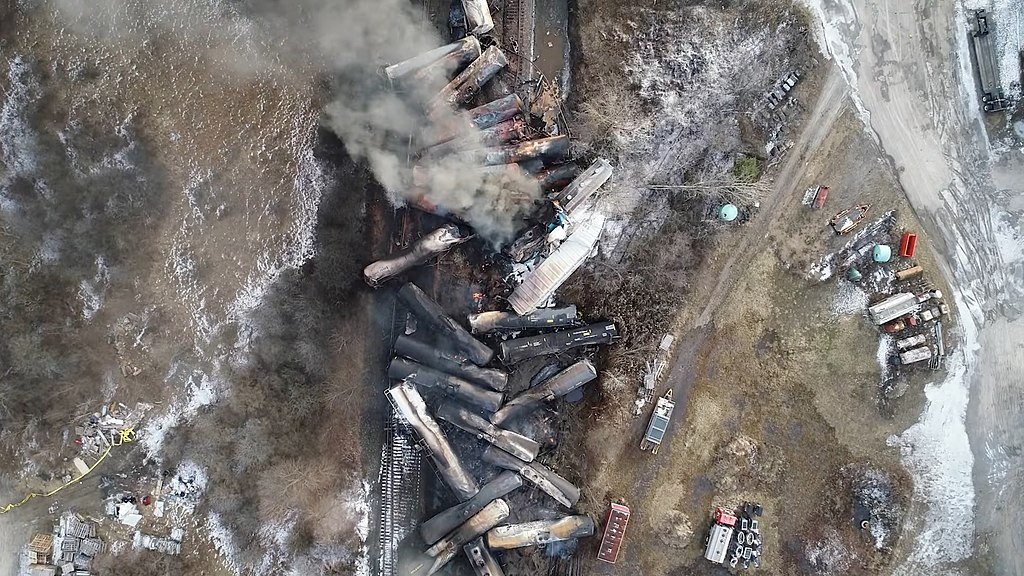
Between all seven Class I freight railroad companies, the U.S. saw over 1,000 derailments in 2022. Norfolk Southern (the company responsible for the derailment in East Palestine) had 119 by itself. Other railways had even more, like BNSF which derailed 279 times in 2022. Derailments are harmful to the supply chain at best and record-setting environmental disasters at worst. The systemic problems within the freight industry that have led to derailments also have the side-effect of delaying passenger rail service.
Steps taken toward first expansion of passenger rail in decades

Amtrak and SRC submit a planning grant that will expand long-distance passenger rail service along the I-20 Corridor and in the Deep South.
Once-in-a-generation opportunities in passenger rail—but the time to act is now
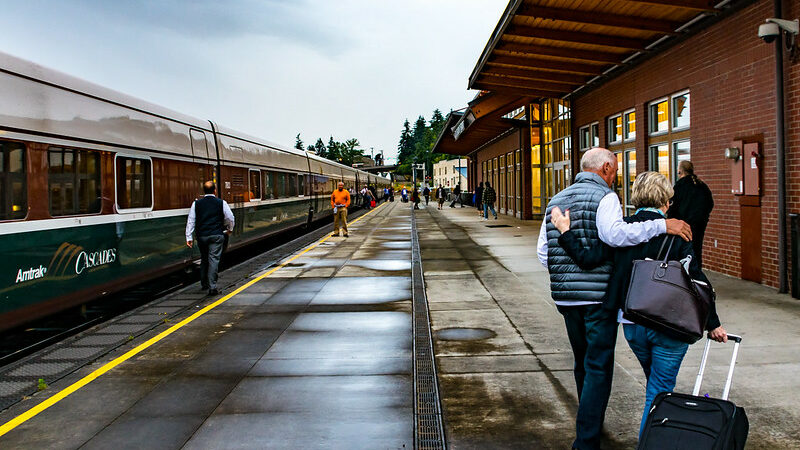
T4America works with partners all over the country to develop passenger rail service, and we’re telling them all the same thing: now is the time to act. We’ve never seen this amount of support for passenger rail from Congress and the Federal Railroad Administration, and federal funding is there. But there’s a procedure—with deadlines—to follow. Here’s how to take advantage in the year ahead.
A Gulf Coast win opens the door for national long-distance passenger rail service
On Monday, CSX, Norfolk Southern, the Alabama State Port Authority, and Amtrak filed a motion to the Surface Transportation Board stating that they’d reached an agreement to restore passenger rail service on the Gulf Coast
A blueprint for Amtrak success from T4A Chair John Robert Smith
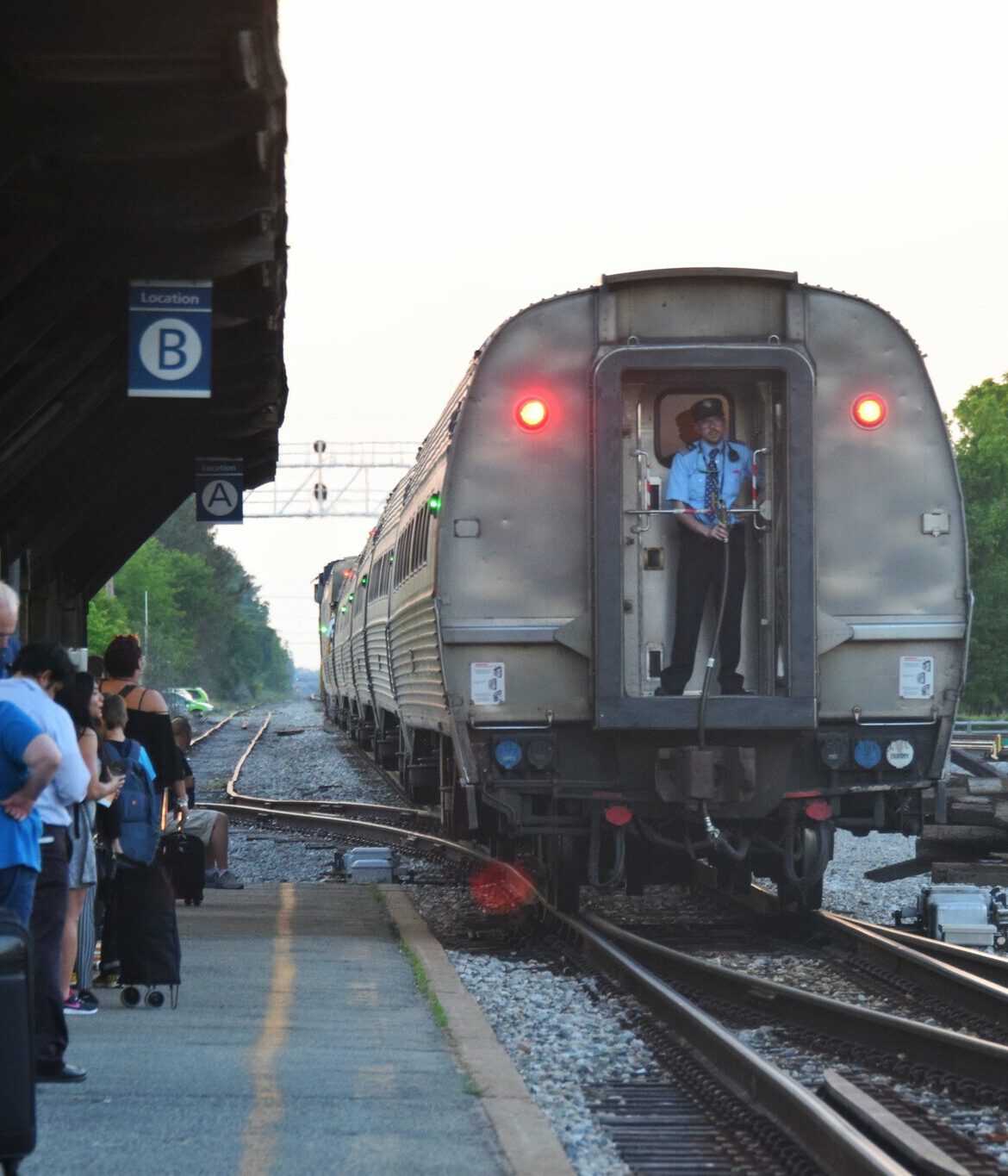
Amtrak has a workforce crisis on its hands. While the COVID-19 pandemic brought many of these problems to light, it did not create them. Mistakes by Amtrak’s leadership long before COVID-19 led to a slowly diminishing workforce and service impacts, which the pandemic exacerbated. Now, with a historic federal investment in passenger rail, how can Amtrak pivot and get back on the right track? The answer may lie in the company’s recent history.
The STB is finally acting to improve freight railroads. Will it be enough?
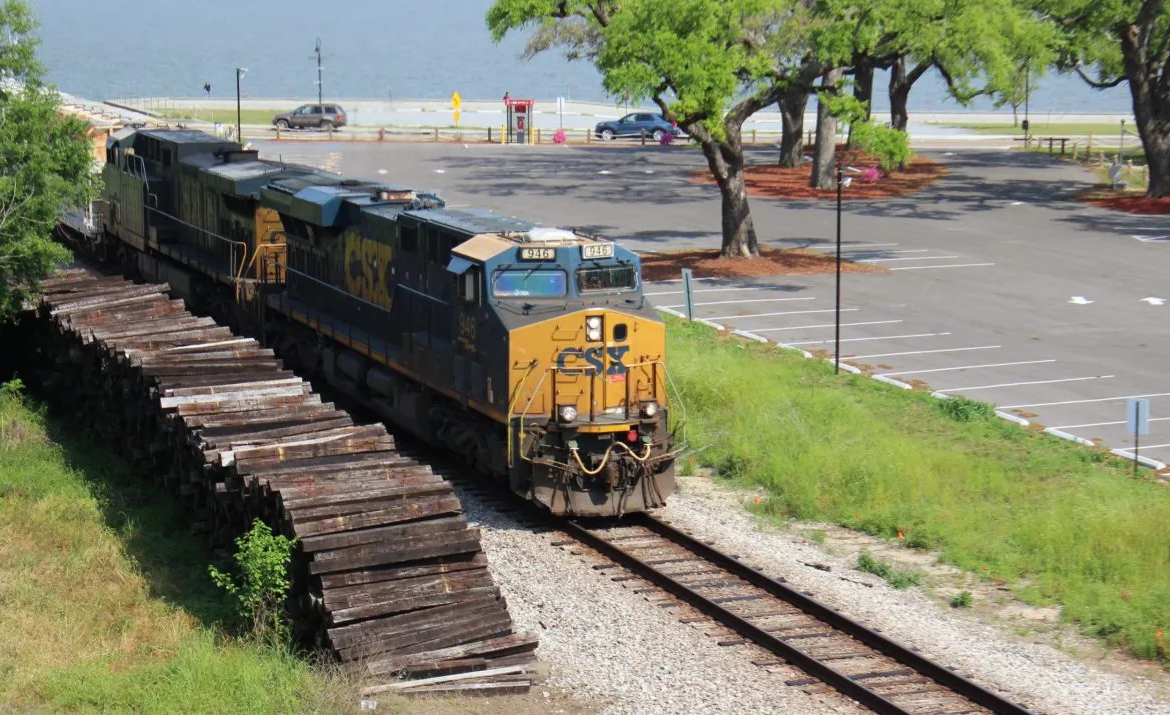
After years of looking the other way while deliveries suffered, the Surface Transportation Board finally ruled that freight railroads have to improve their service. Here’s what it could mean for goods and travelers alike.
Bad faith arguments continue: Another look at the #SoNotBusy Gulf Coast Corridor

Over a month ago, we explained why freight railroads CSX and Norfolk Southern (NS) were trying to halt the return of passenger rail service on the Gulf Coast—an effort that could hinder passenger rail service across the country. Well, CSX is still at it, and their easily-disputed claims are proof that freight railroads have had free rein to stand in the path of passenger rail for far too long.
Rail barons return: How two freight railroads are trying to derail the infrastructure law’s historic investment in passenger rail
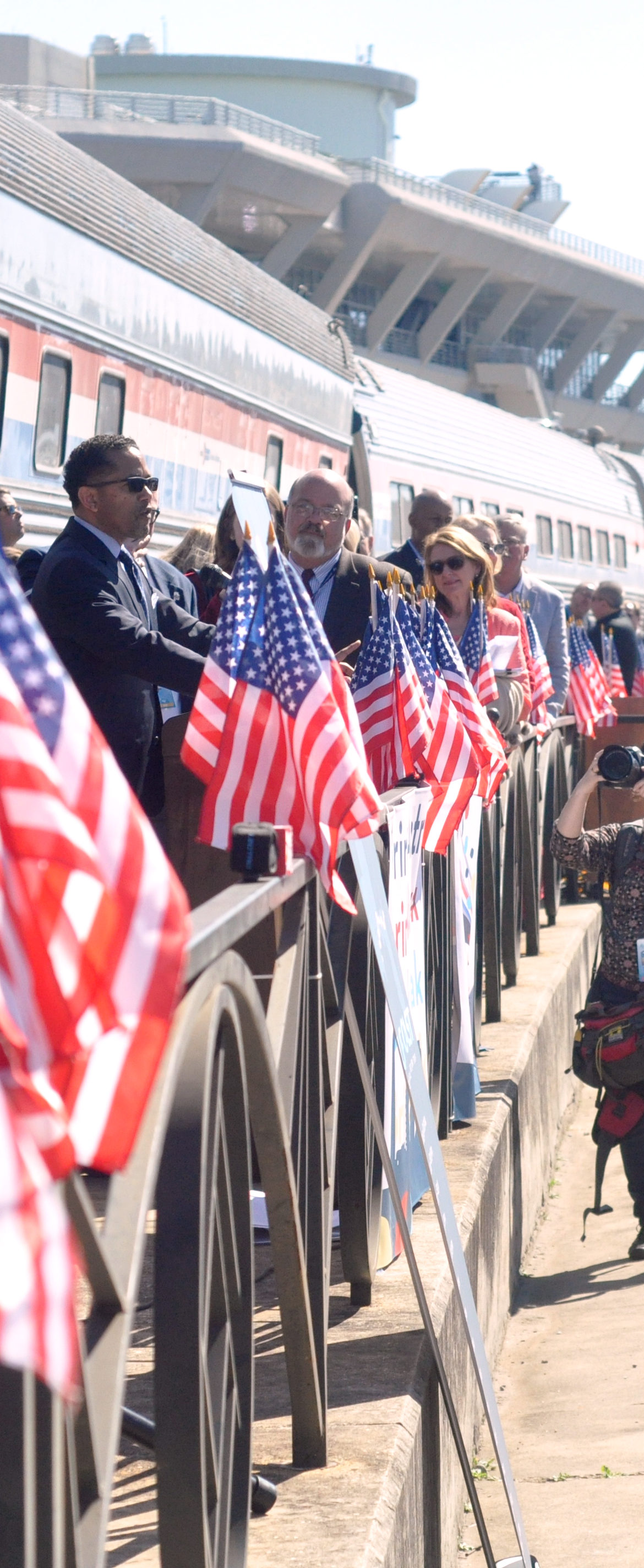
Two freight railroads have been waging a bad-faith effort to kill the incredibly popular, fully funded, multi-state effort to restore long-awaited passenger rail service along the Gulf Coast, in part because the precedent could stall the infrastructure law’s historic investment in the country’s passenger rail network which would give millions more Americans access to regular rail service.
Passenger rail funding in the infrastructure bill: Building a national network
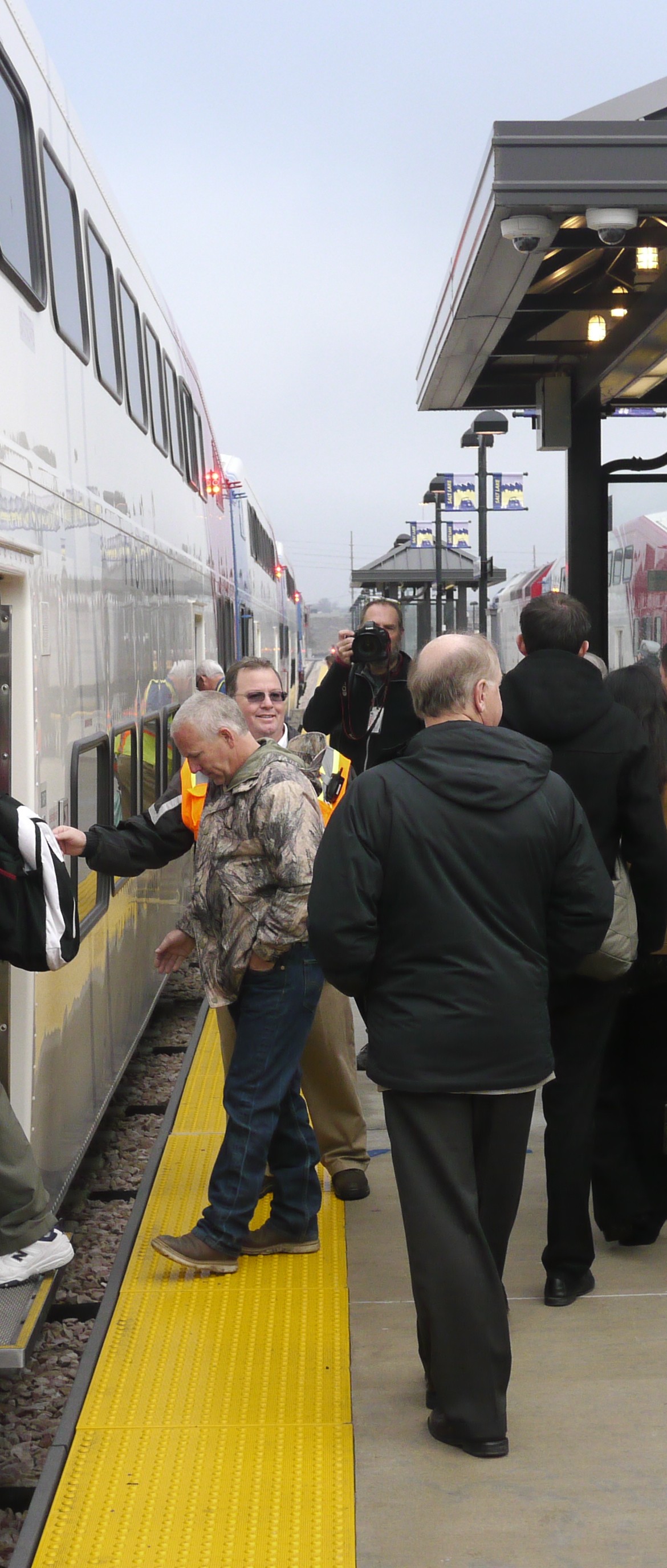
Passenger rail was one of the brightest spots in the new infrastructure bill, with $102 billion for passenger and freight rail projects through direct grants to Amtrak and competitive grant programs. Here’s what you need to know about this new money and the bill’s rail policy changes, and how they can be best used to expand and improve passenger rail service across the U.S.
Our three principles
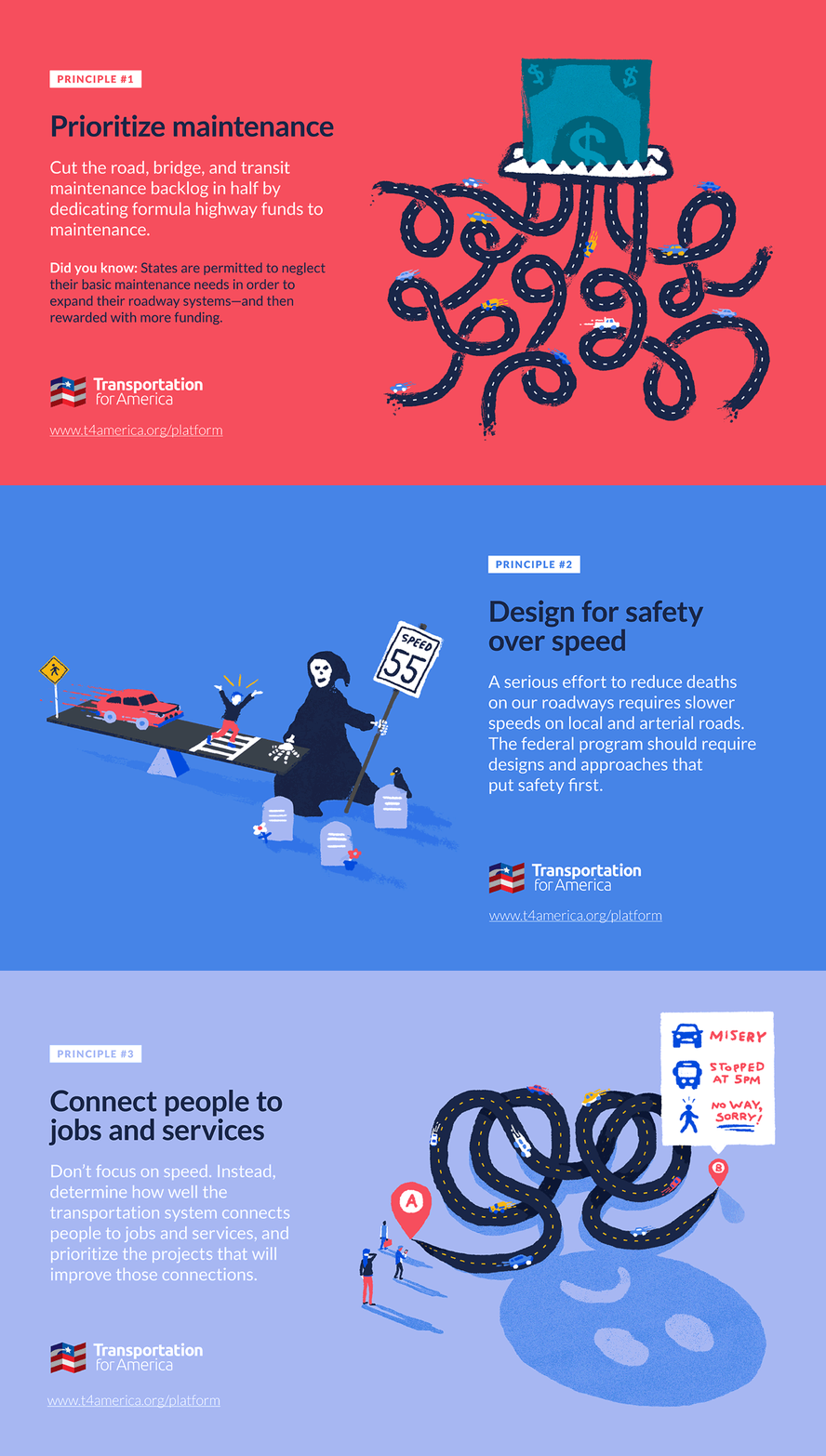
It’s past time to elevate the national conversation about infrastructure beyond just the price tag.
Learn more about our platformLatest From The Blog

Now Hiring: Policy Intern
Jul 24th, 2024

Full speed ahead: How federal leaders can keep…
Jul 24th, 2024

T4A Director Beth Osborne sets the record straight…
Jul 24th, 2024

Building housing near transit takes change at every…
Jul 22nd, 2024

We need to expand the conversation on transportation…
Jul 10th, 2024

I cannot find the zoom link, I registered…
Jan 6th, 2024

A rare look behind the curtain of Transportation…
Jul 28th, 2023

In what Harrison Ford said was his most…
Jul 25th, 2023

Good example, walking to the local taco place…
Jul 24th, 2023