Posts Tagged "funding"
Become part of the movement with T4America membership

All types of local public agencies and organizations join T4America’s membership program to gain access to information and expertise, but because the benefits are numerous, they also often get things they weren’t expecting.
Show me the money: Financial breakdown of the infrastructure law
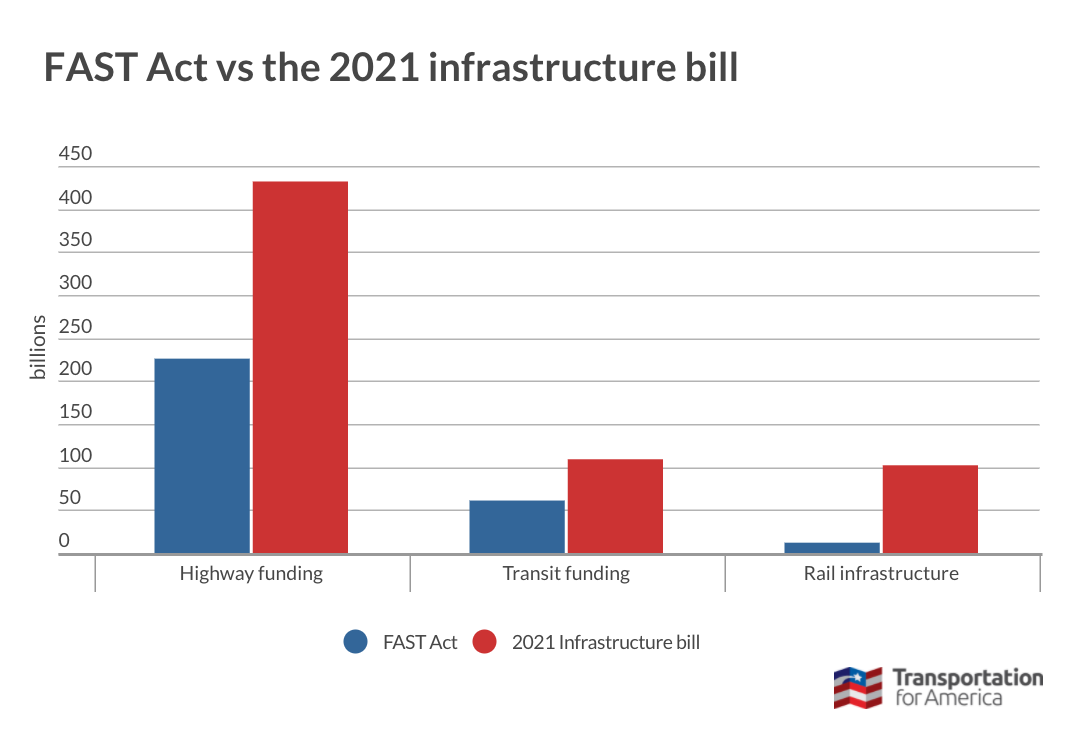
A month has passed since the $1.2 trillion infrastructure deal was signed into law. There is much to unpack as to exactly how much money there is for the surface transportation program and how it can be used.
Federal transportation funding opportunities 101

There are ample opportunities for the infrastructure law to support good projects and better outcomes. These five in-depth, detailed guides explain the available federal programs for funding public transportation, passenger rail, Complete Streets and active transportation, and EV infrastructure.
It’s time for infrastructure that works for rural America

Rural Americans need and deserve reliable and convenient transportation options, but current policies are failing them. Today we’re releasing six recommendations to help the administration make things right, combined with stories of success from rural America showing a better approach.
They said “no new money for transportation” was a bad message. They were wrong.
Two years ago, Transportation for America bucked advocacy convention by refusing to talk about funding, discussing only the outcomes of funding instead. We even said that we do not support any new funding for transportation if the underlying policy doesn’t change. Our surprising strategy has yielded results.
Washington State leads in transportation improvements—one ballot measure could end all that
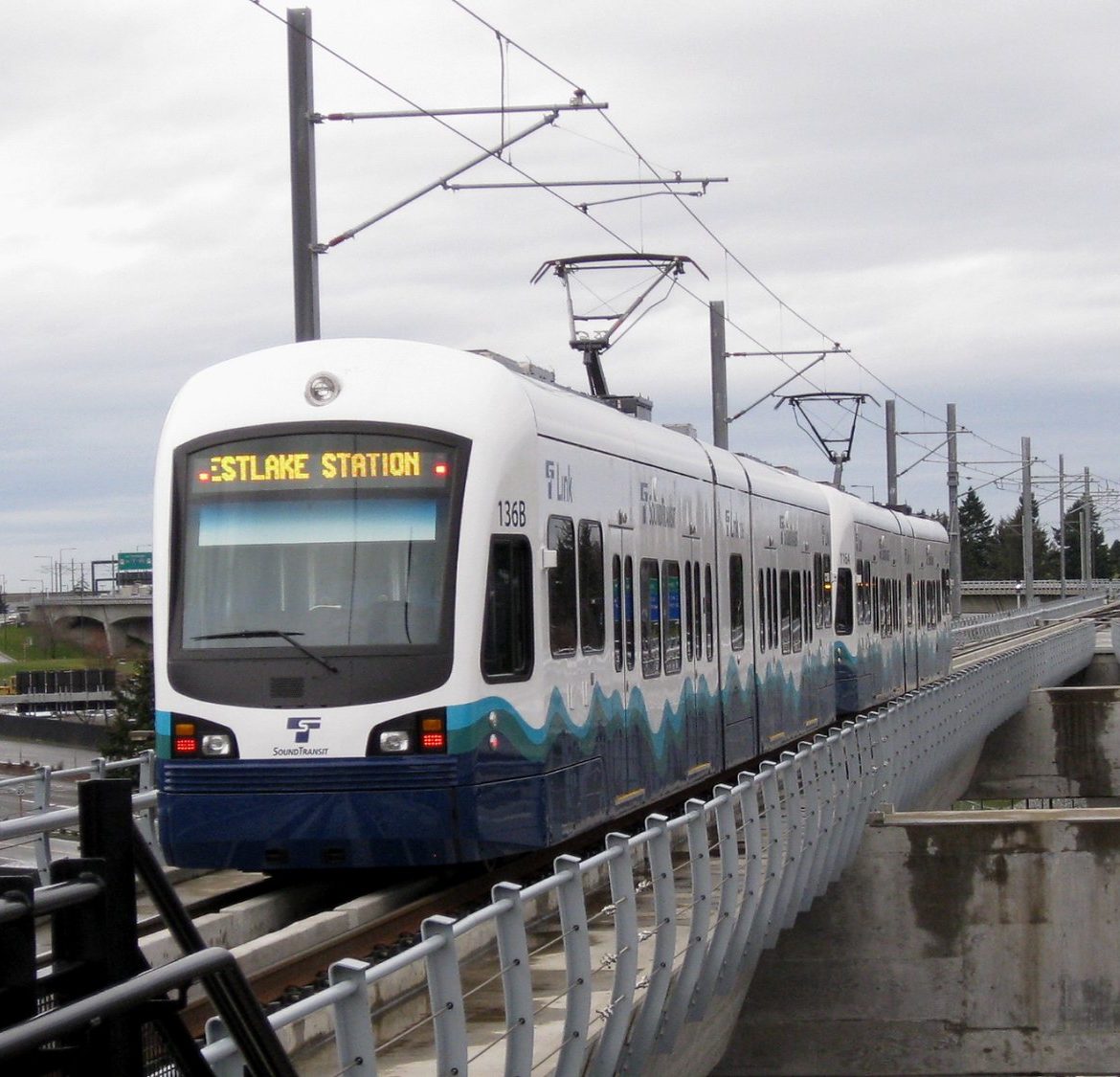
This November, Washington residents will vote on a ballot measure that would slash available funding for transit agencies as well as road maintenance and safety projects by limiting annual vehicle registration fees to $30 and reducing vehicle taxes. As gas tax and other transportation revenue failed to grow the way it used to in the […]
Fight for your ride: An advocate’s guide for expanding and improving transit
This new guide offers local advocates and transit champions practical advice for making real improvements to public transit.
Transportation for America’s guiding principles for an infrastructure plan
As we continue to await either broad principles or specifics of the Trump’s administration much-anticipated infrastructure plan, T4America has released these four simple guiding principles to inform and evaluate any such future plan.
Launching a new leadership training academy on transportation for civic leaders in the state of Ohio
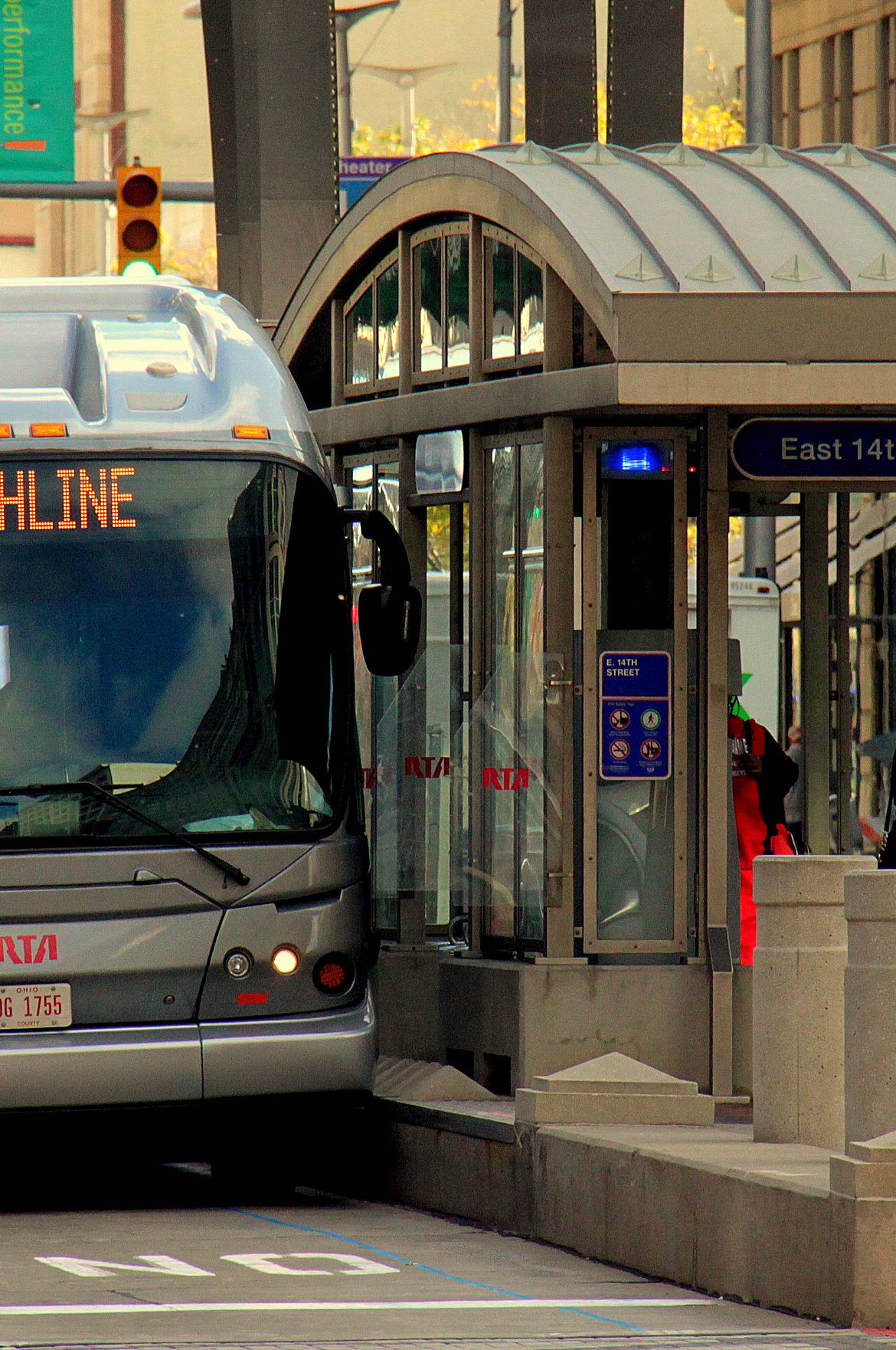
We’re launching another leadership academy program, this time aimed at training and equipping civic leaders across the state of Ohio to spearhead a fresh approach to transportation that will foster sustainable economic growth and boost the economy in metro areas and the state.
Crucial transportation and transit-related ballot measures coming up in 2016
Throughout 2016, ballot measures and referenda that will raise new revenue for transportation at the local or state level will be decided during elections across the country. As in years past, we’ll be keeping a close eye on several of the most notable questions in the 2016 edition of Transportation Vote.
Where did the additional billions in new revenue come from for the House transportation bill?
In the early morning hours on Thursday during negotiations over the House transportation bill, Rep. Neugebauer presented a fairly surprising amendment that tapped billions from a to-date unmentioned Federal Reserve surplus account to help cover the cost of the bill.
Updated – Ten things to know about the House transportation bill

The House Transportation and Infrastructure (T&I) Committee debated and approved their multi-year transportation reauthorization proposal last week. Next step is consideration on the House floor and then, if approved, conferenced (merged through negotiations) with the Senate, which passed their multi-year DRIVE Act back in July. Here are ten things you need to know about what’s in (or not in) the House bill which is expected to be considered on the House floor early next week.
Phoenix voters approve a plan to raise money for transportation; vastly expand the city’s light rail and bus networks
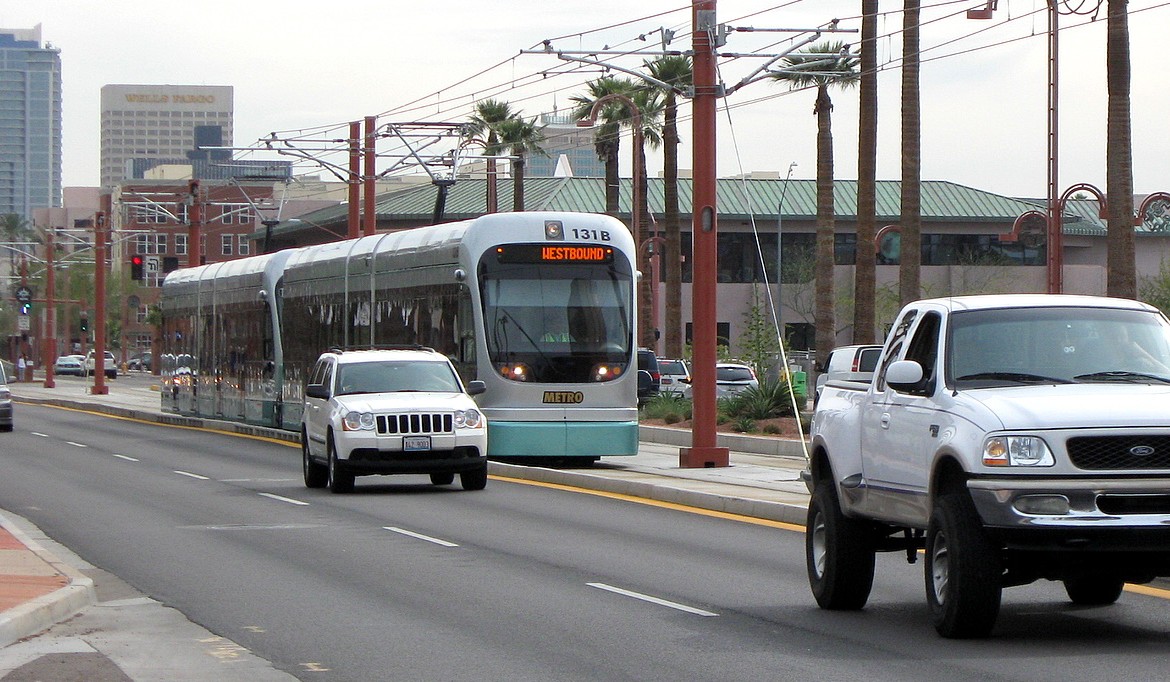
On Tuesday night, voters in Phoenix, AZ, approved a slight increase in the sales tax to help fund a 35-year, $31.5 billion package to greatly improve and expand Phoenix’s light rail and bus systems, as well as other transportation improvements. The vote is further evidence that voters are willing to tax themselves for transportation — especially when they know what they’re getting.
10 things you need to know about the Senate’s DRIVE Act
Though the Senate finally moved beyond repeated short-term extensions to the nation’s transportation program with a multi-year bill, their DRIVE Act is also major missed opportunity to give cities, towns and local communities of all sizes more control over and access to federal transportation dollars. Here are nine other things that you need to know about the Senate’s bill.
What we’re watching: Senate Commerce Committee to mark up six-year transportation bill today
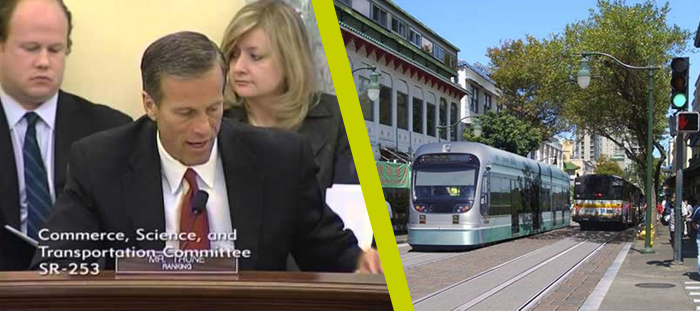
Later today (Wednesday) the Senate Committee on Commerce, Science, and Transportation is scheduled to mark up the Comprehensive Transportation and Consumer Protection Act of 2015 (S. 1732), a proposed six-year transportation reauthorization. As we’ve mentioned here before, the federal transportation bill has huge implications for development across the country. Here’s what we’ll be looking for during today’s proceedings.
Join us on Thursday for an inside look at transportation reauthorization in Congress
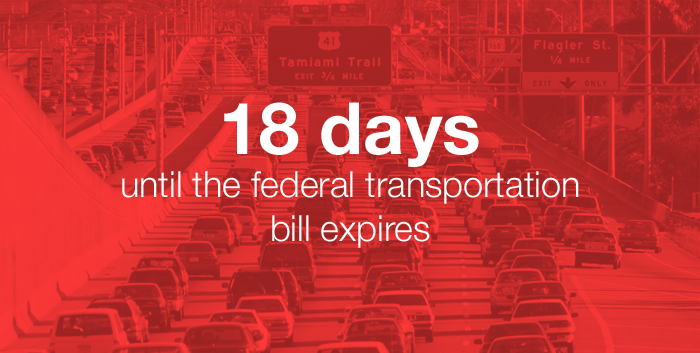
The current federal transportation bill will expire on July 31, 2015, with the nation’s transportation fund reaching insolvency near the same time. Join us Thursday for a public conversation about what’s likely to happen in Washington and what it all means for your community.
Cities and towns could lose one of their best options for funding smart local projects

The Senate Commerce Committee is marking up a version of a long-term transportation funding bill Wednesday morning with no authorization for the popular TIGER program , thus limiting the money available to local communities.
House takes first step in process to keep the nation’s transportation fund solvent
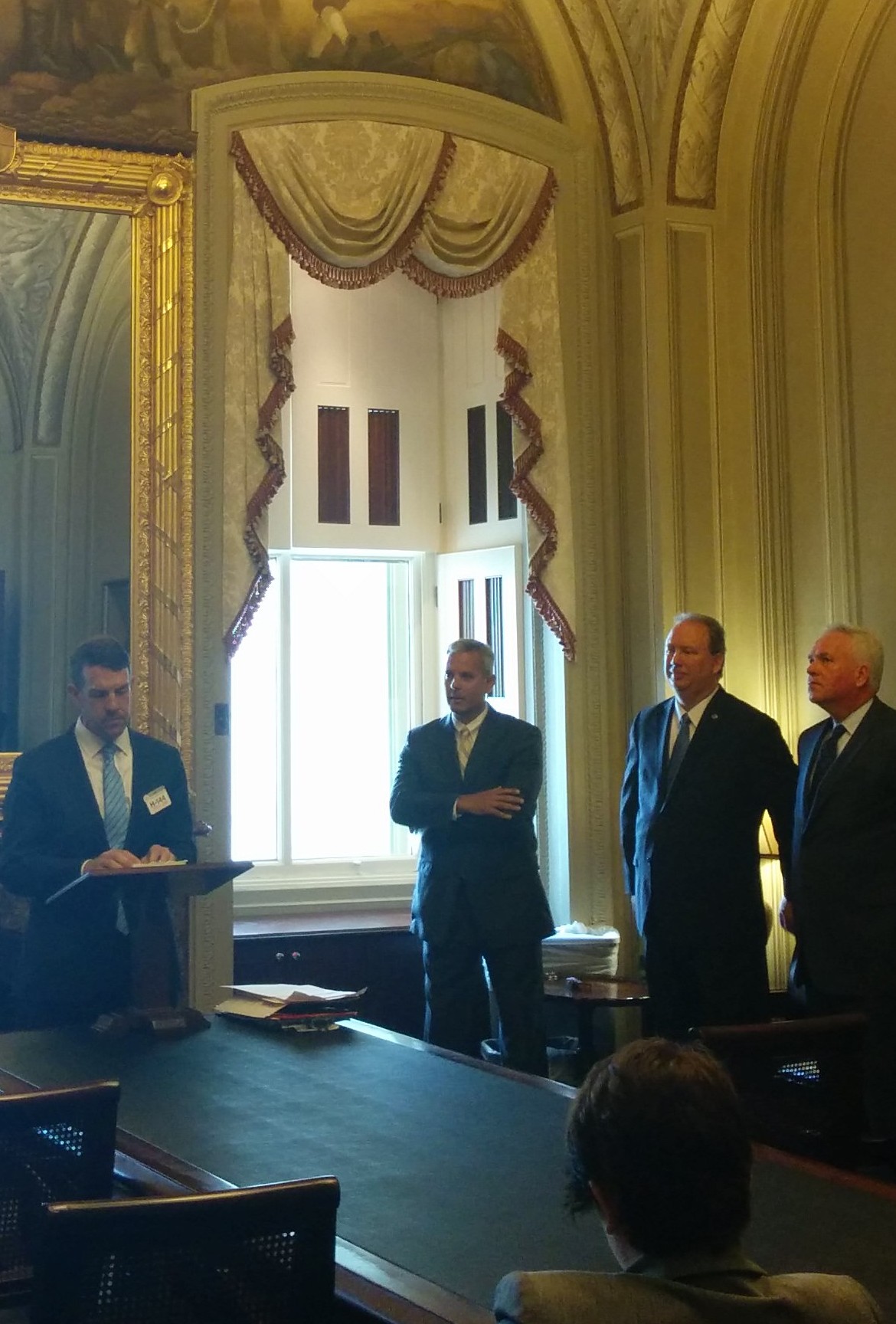
For the first time since 2012, the House of Representatives held a hearing focused on funding the nation’s transportation system. Today’s hearing focused on the elephant in the room: how to adequately fund a transportation bill that’s longer than just a few months. While it’s a relief to see the funding issue finally getting airtime in the House, keeping the nation’s transportation fund solvent is only half of the problem — we also need to update the broken federal program that isn’t meeting our country’s needs.
UPDATE: The House is voting to slash transportation programs local communities are counting on
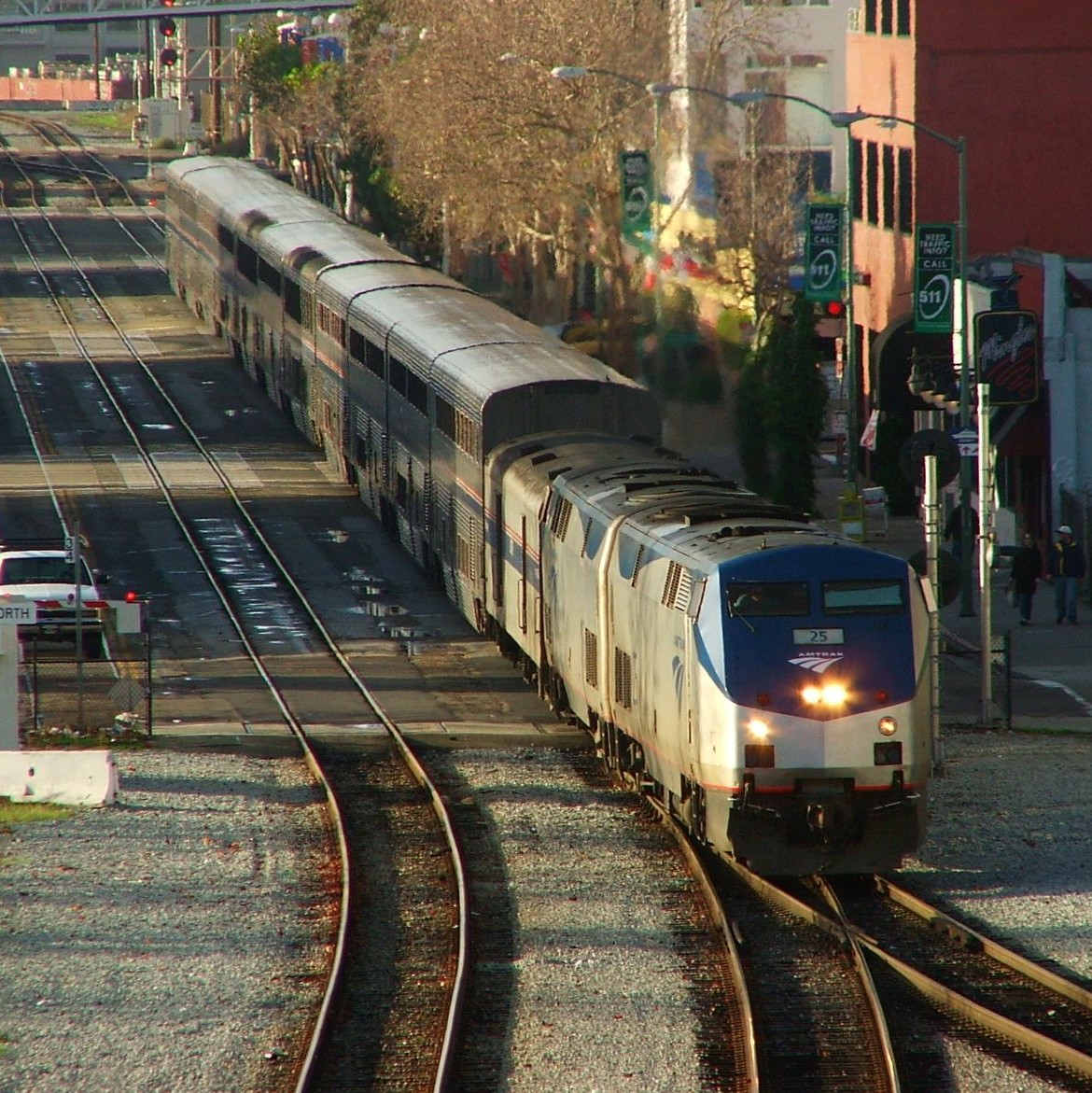
This evening, the House of Representatives is expected to begin debate and vote on their annual transportation funding bill. As it stands, the bill will make painful cuts to several important transportation programs that local communities depend on. With debate beginning tonight at 7 p.m., it’s crucial that we weigh in as soon as possible.
House proposes cuts to TIGER and transit construction, stable funding for other programs for fiscal 2016
The House Appropriations Committee introduced a Transportation, Housing and Urban Development (T-HUD) bill for fiscal 2016 that, as in years past, features heavy cuts to TIGER, New Starts and Amtrak.
Our three principles
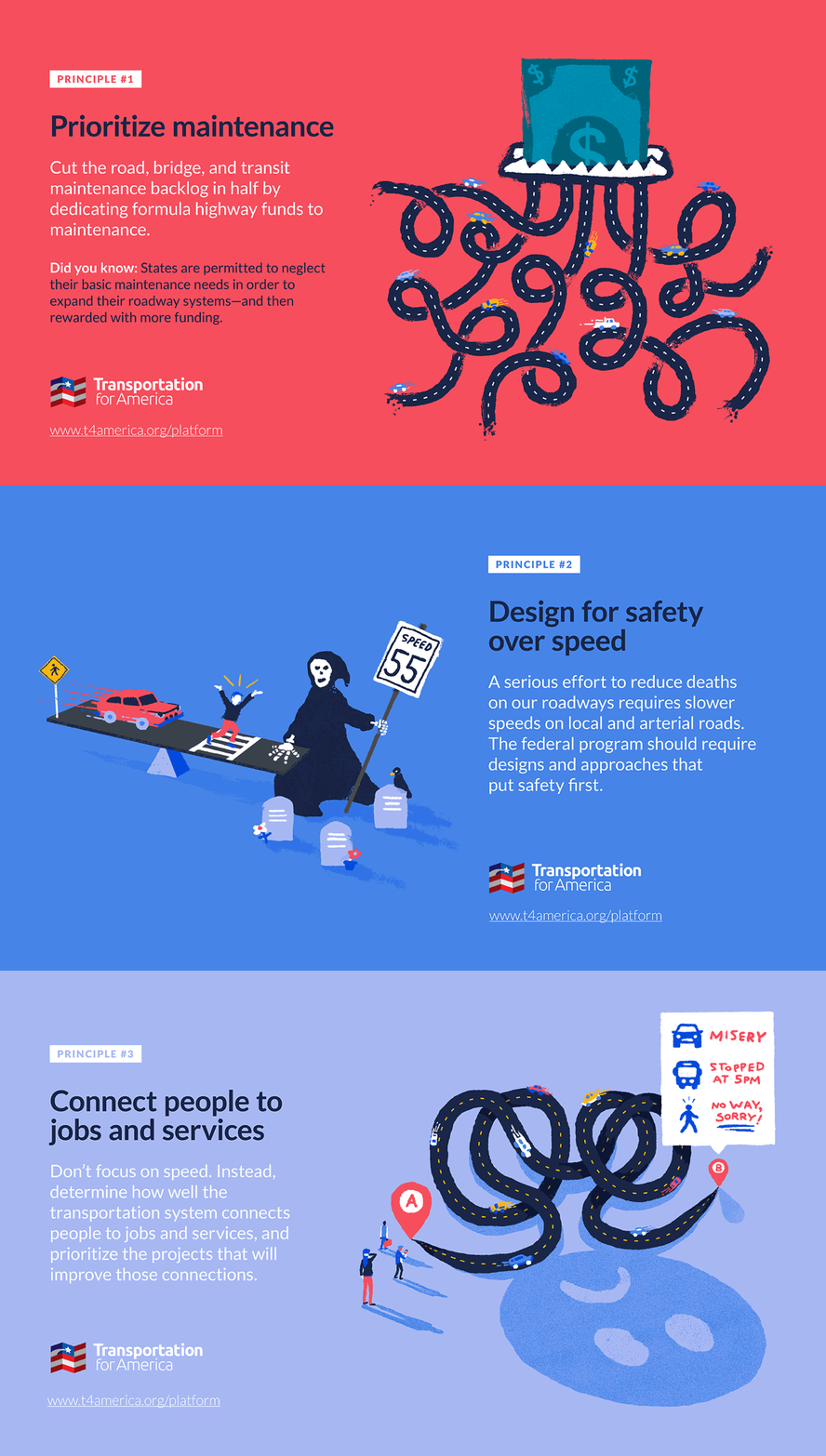
It’s past time to elevate the national conversation about infrastructure beyond just the price tag.
Learn more about our platformLatest From The Blog


There’s a climate cost to America’s freeways, and…
Apr 23rd, 2024


Progress for passenger rail in the South and…
Apr 10th, 2024

I cannot find the zoom link, I registered…
Jan 6th, 2024

A rare look behind the curtain of Transportation…
Jul 28th, 2023

In what Harrison Ford said was his most…
Jul 25th, 2023

Good example, walking to the local taco place…
Jul 24th, 2023