Posts Tagged "rural transit"
Safety and mobility choice through rural California
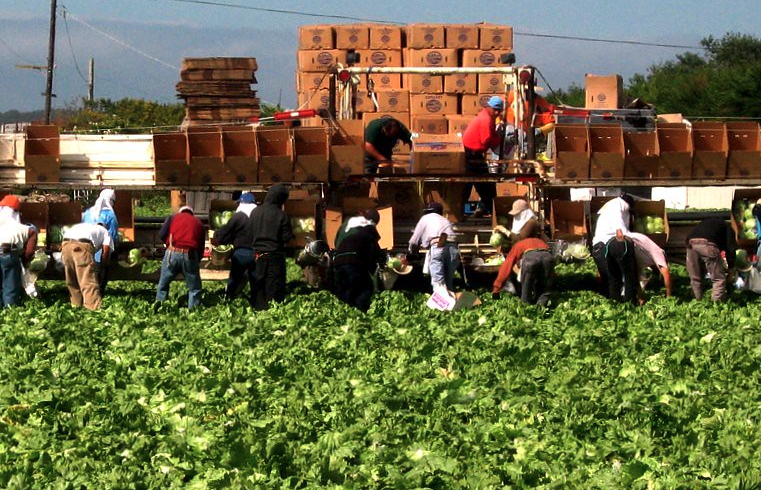
Juxtaposed by a well-supported bike ride from San Francisco to Los Angeles, there are many people in rural communities, particularly agricultural workers, along the route that are in critical need of vital, reliable, affordable transportation options, and suffer dire health and economic consequences as a result.
It’s time for infrastructure that works for rural America
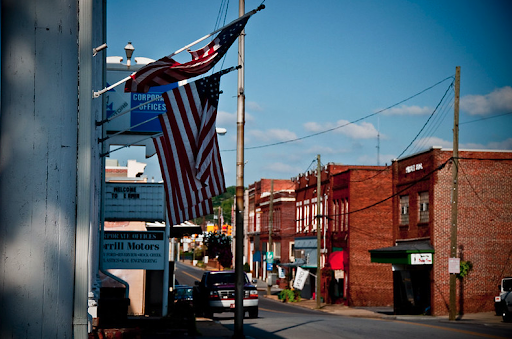
Rural Americans need and deserve reliable and convenient transportation options, but current policies are failing them. Today we’re releasing six recommendations to help the administration make things right, combined with stories of success from rural America showing a better approach.
Senators hone in on 80/20 split, transit operations funding at Banking hearing
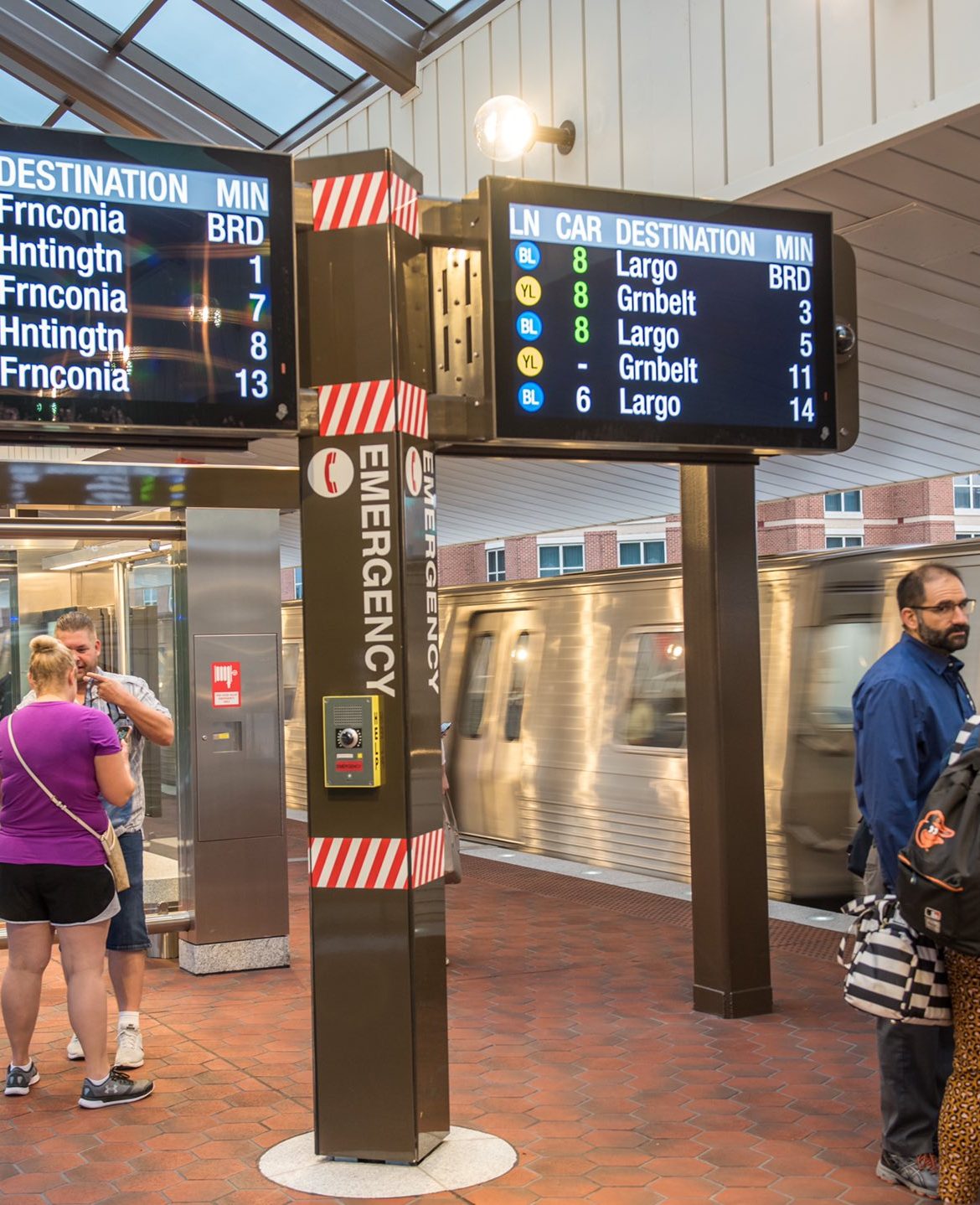
Last week, the Senate Banking, Housing, and Urban Affairs Committee held a hearing on investing in public transit in the next long-term transportation law. We were pleasantly surprised to see senators ask questions on funding transit and highways equally, transit operations, and rural transit.
Video: Rural transit agencies warn of devastating service cuts
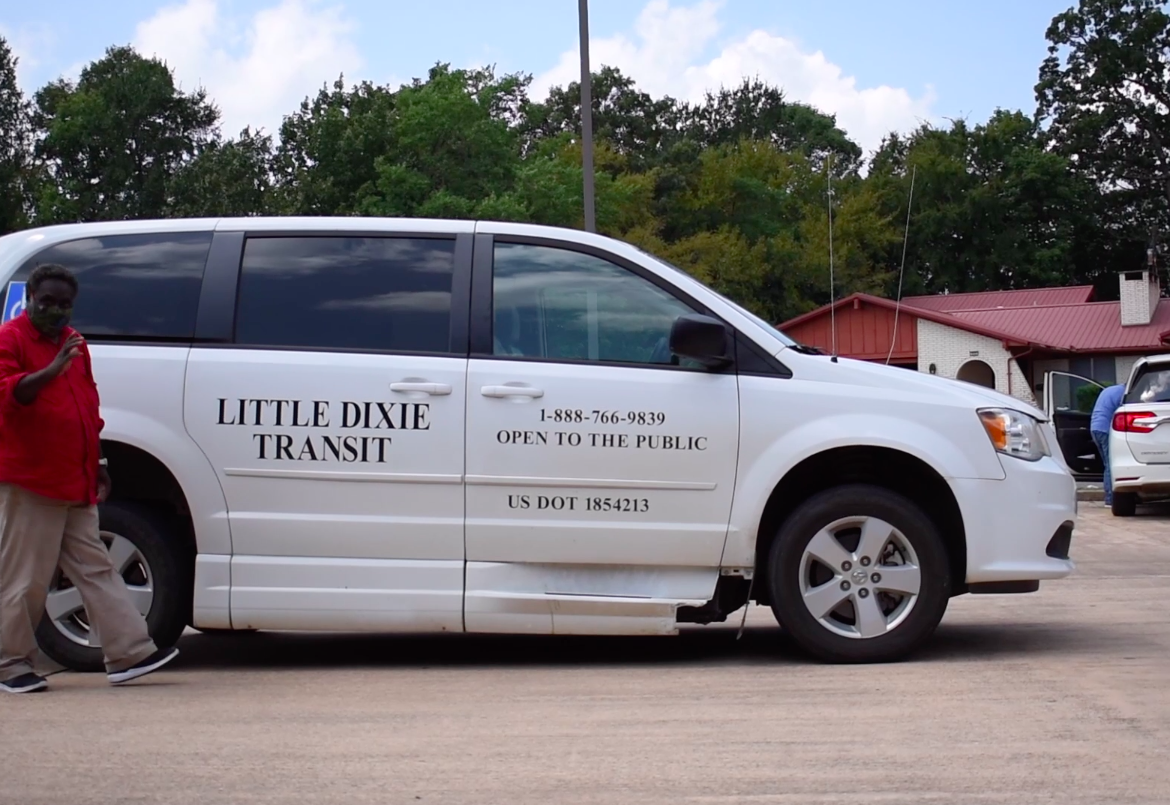
It’s not just big city transit agencies that are suffering debilitating financial losses due to COVID-19: the pandemic is affecting rural and mid-sized transit agencies to the point where they might have to close their doors—permanently. Agency directors in Oklahoma and Illinois shared about the impacts.
More than one million households without a car in rural America need better transit
Many people think the only Americans regularly relying on transit to reach jobs and services live in big cities. Yet the majority of counties with high rates of zero-car households are rural. In fact, more than one million households in predominantly rural counties do not have access to a vehicle. Rural Americans without cars face unique barriers and they deserve a tailored approach to their transit needs rather than just assuming they can or will drive everywhere.
Here are 4 things transit agencies can do to fight for more funding
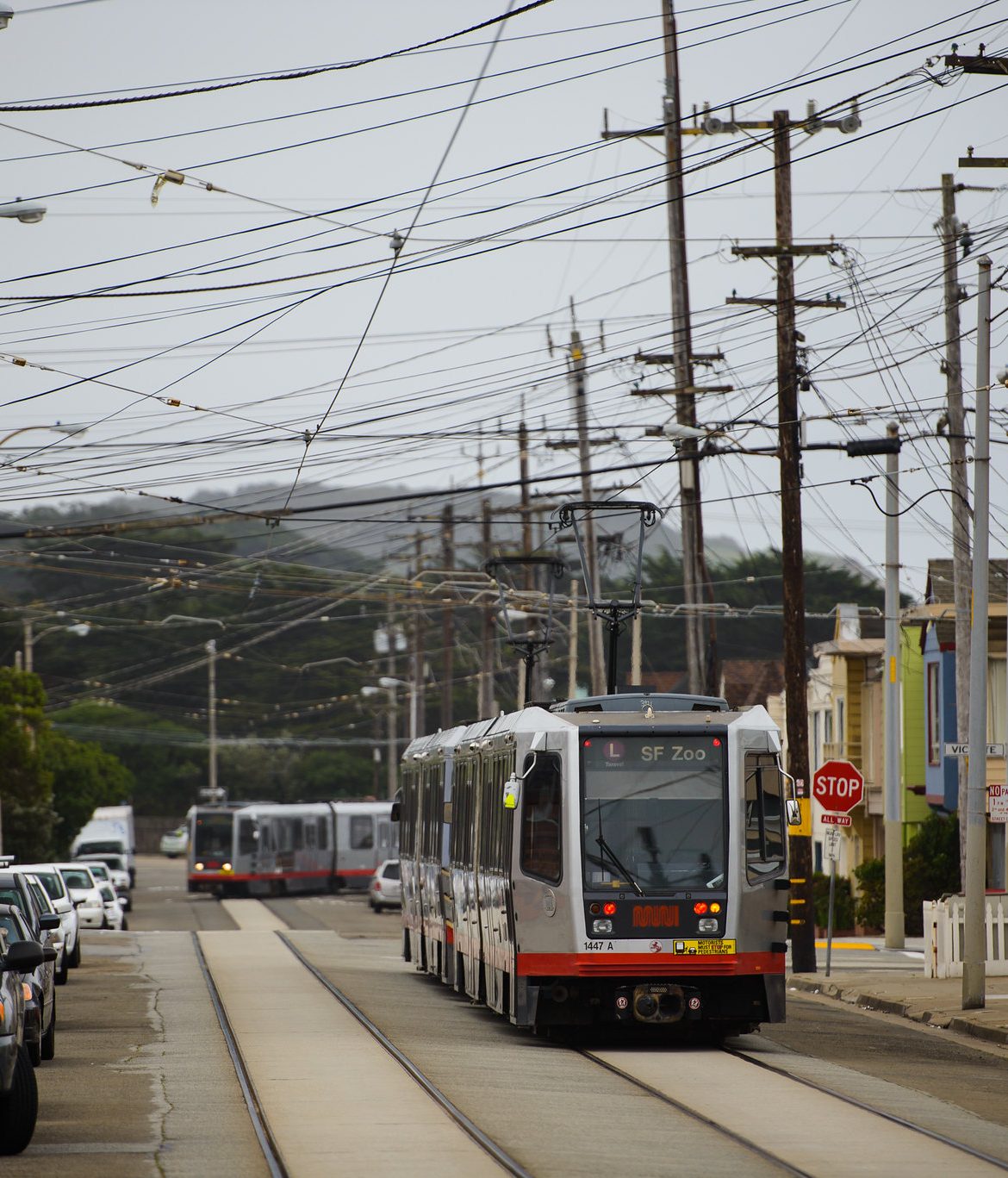
The $25 billion in emergency funding provided for transit agencies in the first COVID-19 relief package was a great start—but as the crisis continues, agencies (and rural agencies in particular) likely need more funds to keep their personnel safe and return to normal service when stay at home orders loosen. Here are five powerful actions transit agencies can take to fight for more funding.
How is COVID-19 impacting rural transit in Oklahoma
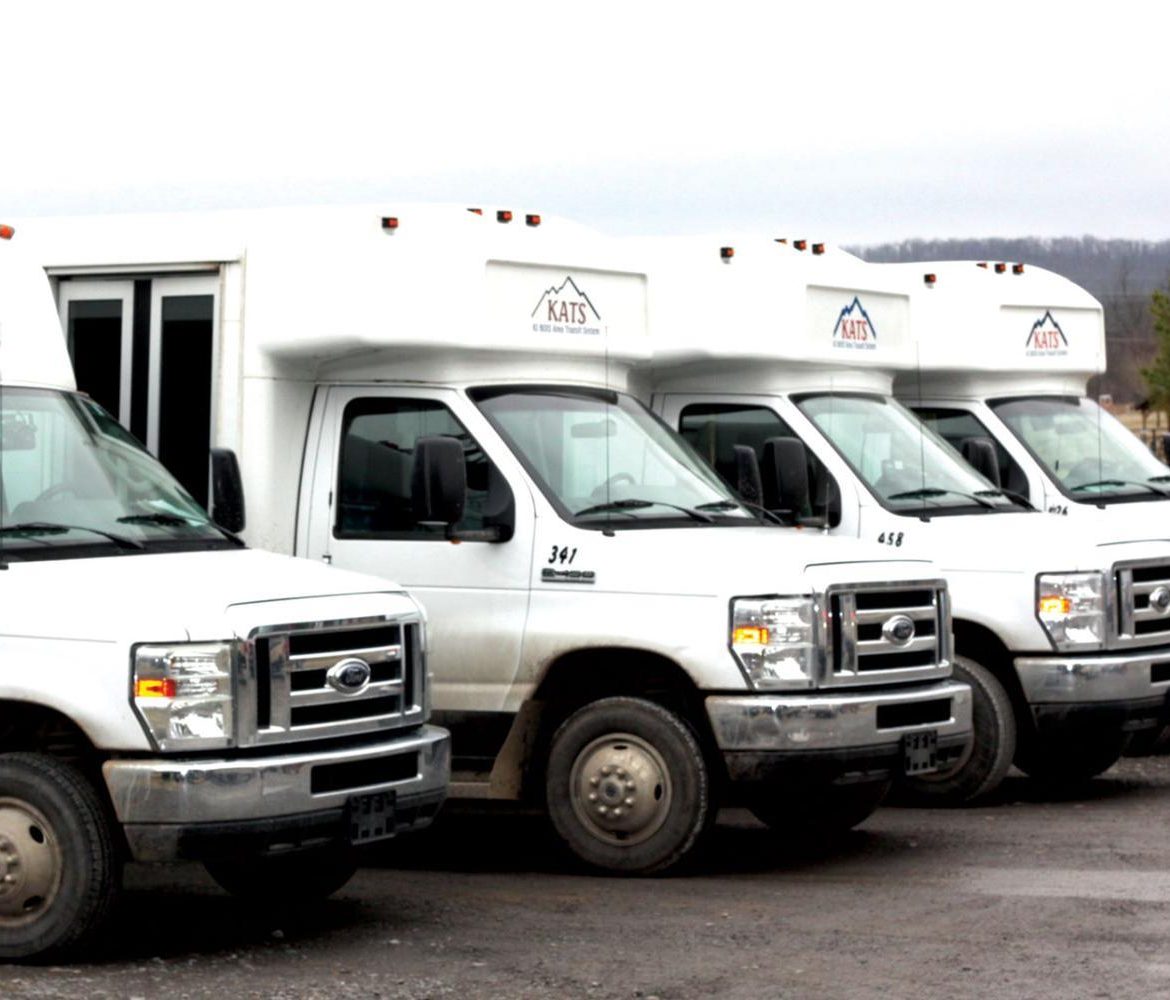
Struggles for rural transit agencies show that the impacts of the COVID-19 pandemic to public transportation are not limited to big cities.
Burlington, North Carolina embraces transit in a growing community
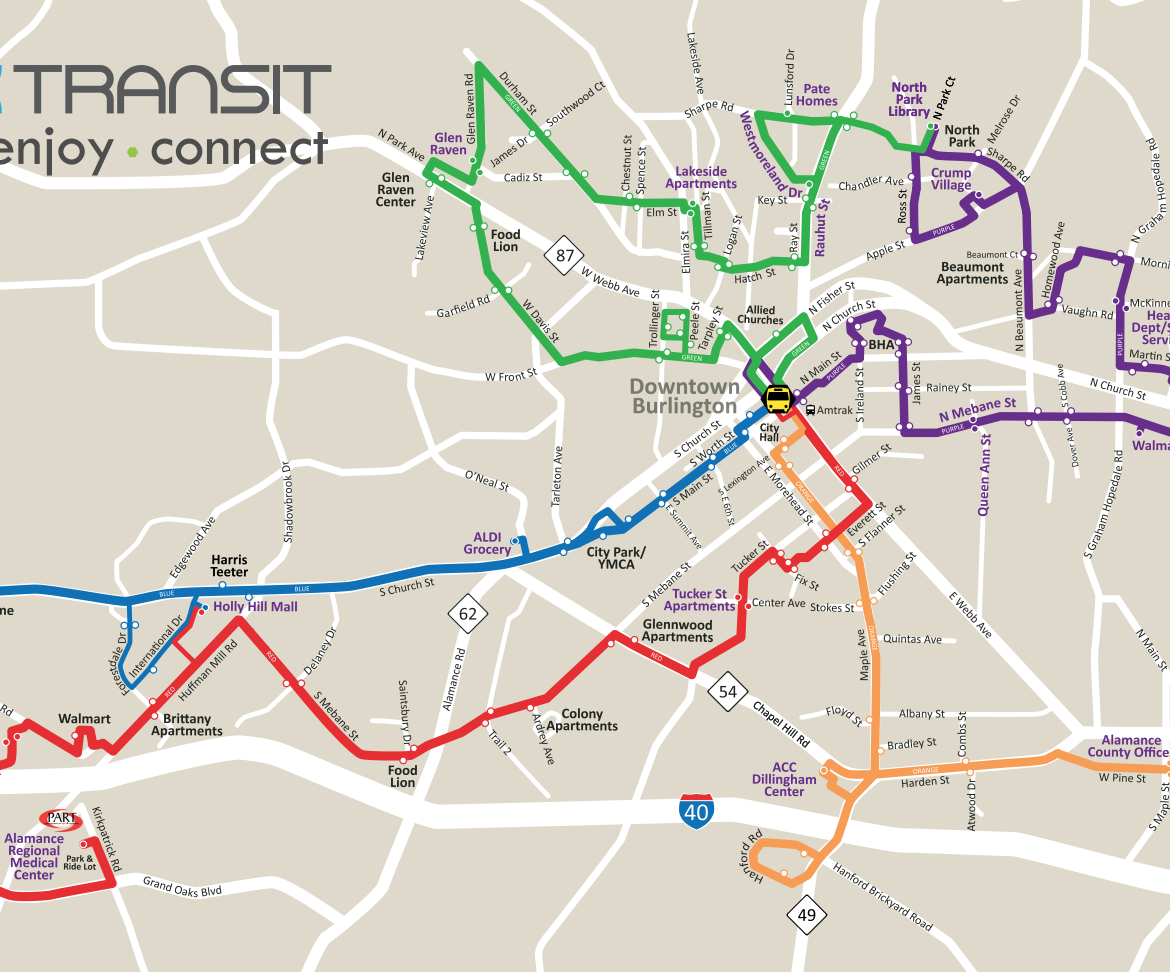
Residents in Burlington, NC have greater access to jobs today thanks to a new transit system, which launched in 2016. A far cry from a large, transit-rich city, Burlington is showing how important public transportation can be for smaller communities. Many residents are already pushing for service extensions and longer hours for the fledgling system.
The Paris Metro in small-town Texas
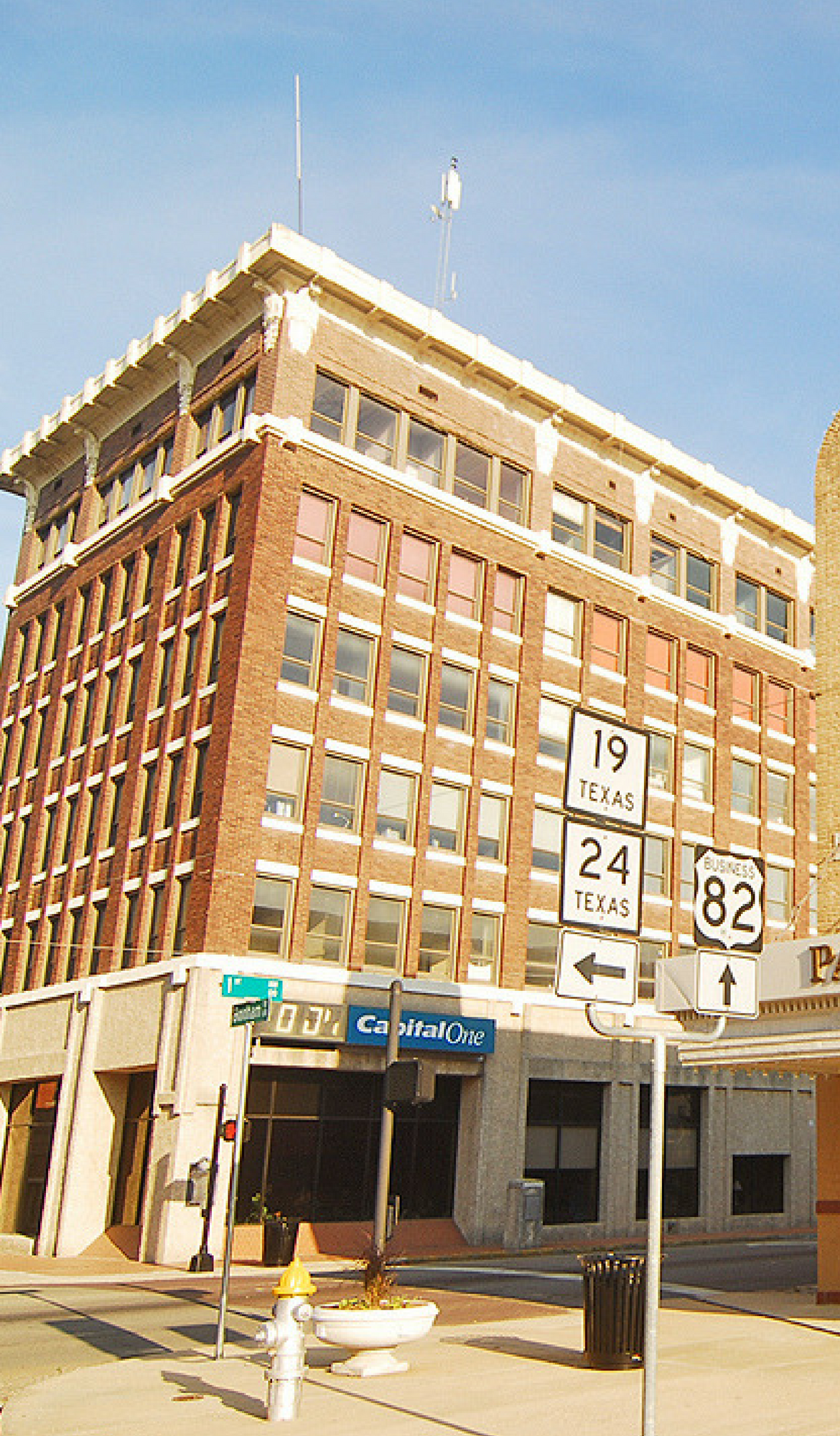
While many people think of public transit as a big city service, transit also serves scores of residents in small towns and rural areas across the country. New transit in the small city of Paris, TX offers the first reliable public transportation option that residents can use to travel to work, classes, and job training.
The role of transit in rural America: a case study from Washington State
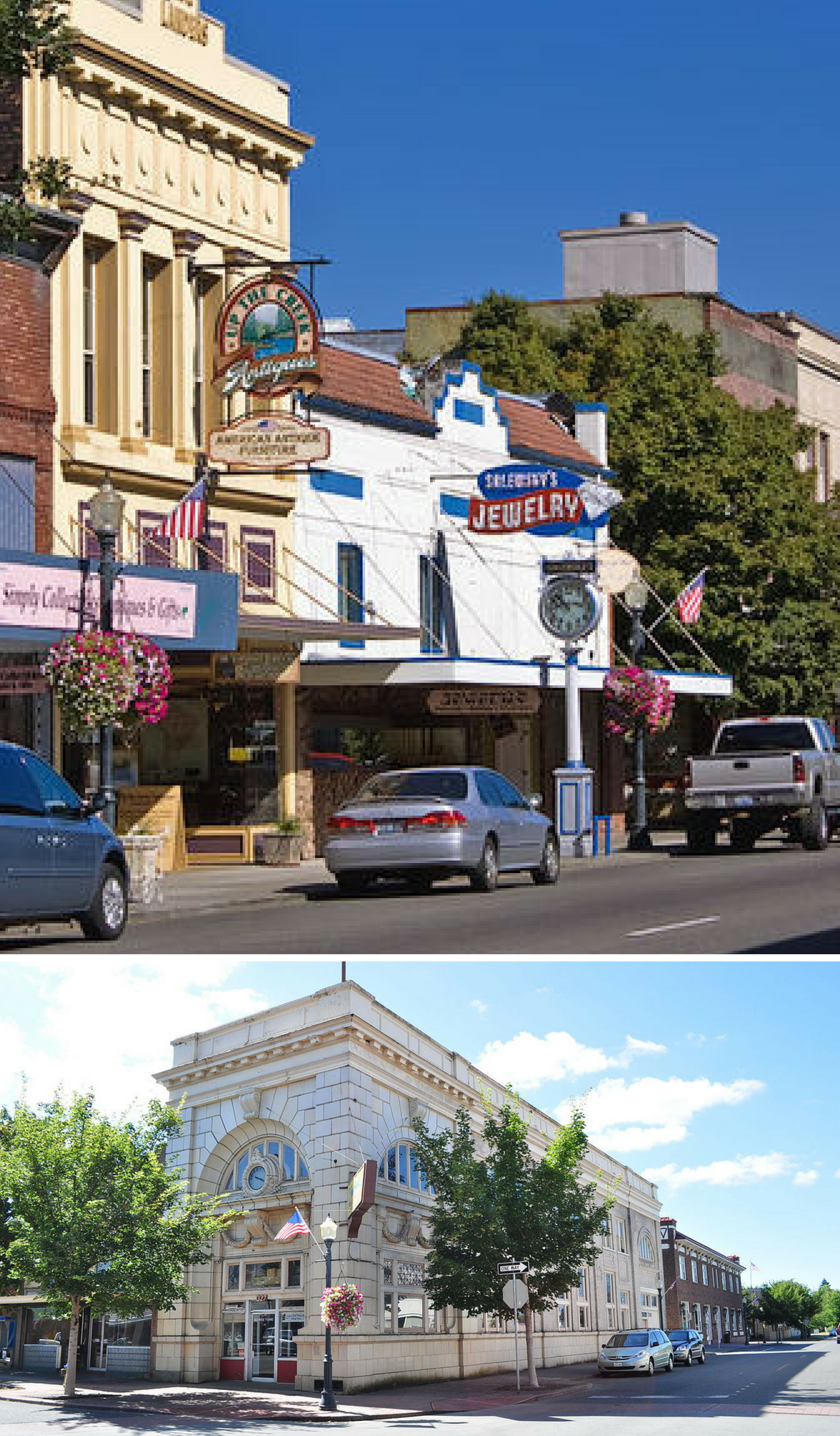
Some perceive public transit as exclusively an urban issue. However, rural communities and small cities rely heavily on transit as a key component of the transportation system as Lewis County, WA—which is currently dealing with the loss of a critical rural bus route—shows in this profile.
What’s at stake for small and rural transit providers?
Federal transit funding is still on the chopping block. Those who operate or depend on transit — whether in small, rural areas or large, urban ones — must band together to convince both Congress and the President of the vital nature of public transportation services.
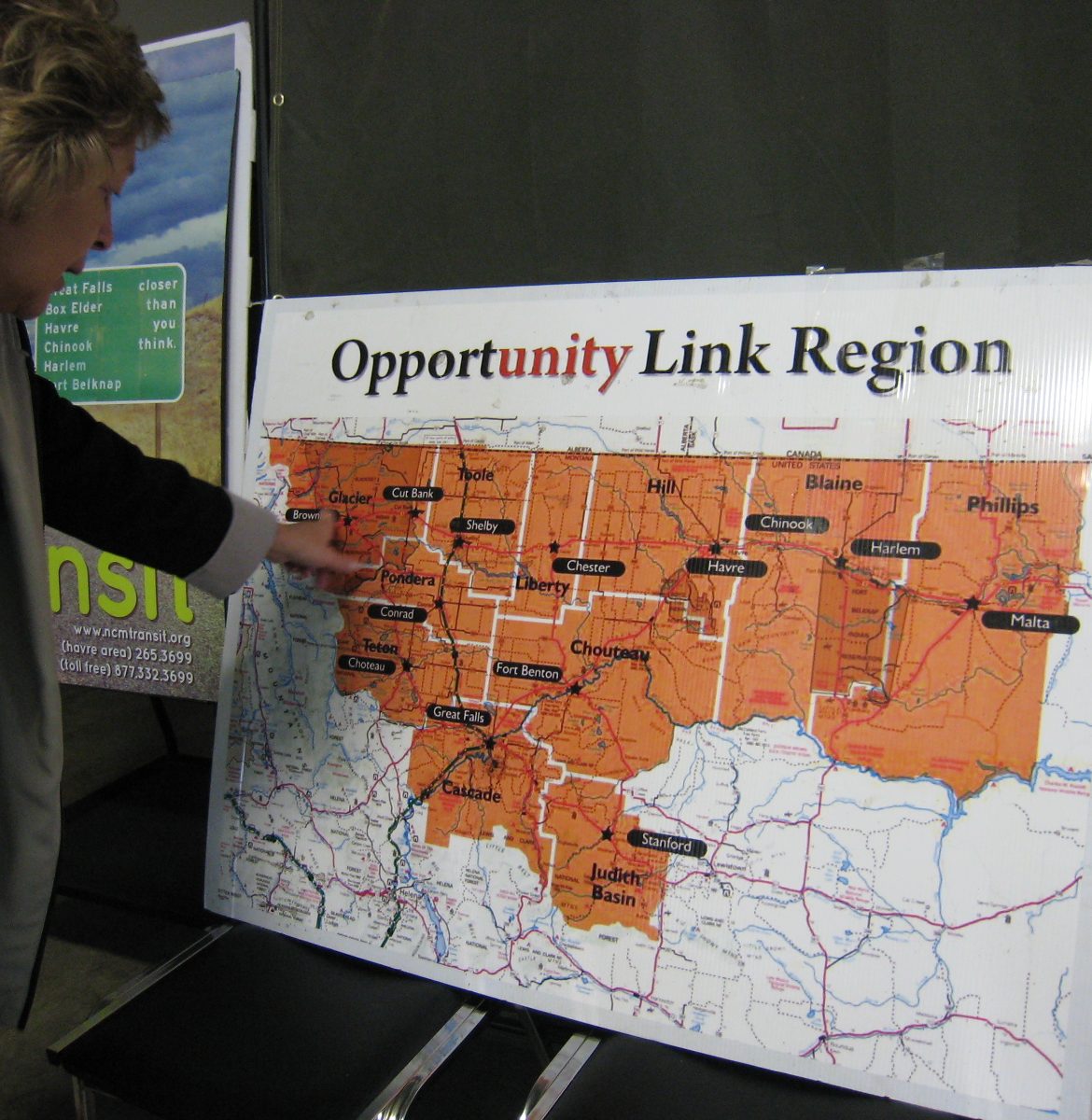
Visionary group in Montana tells us their rural transit success story
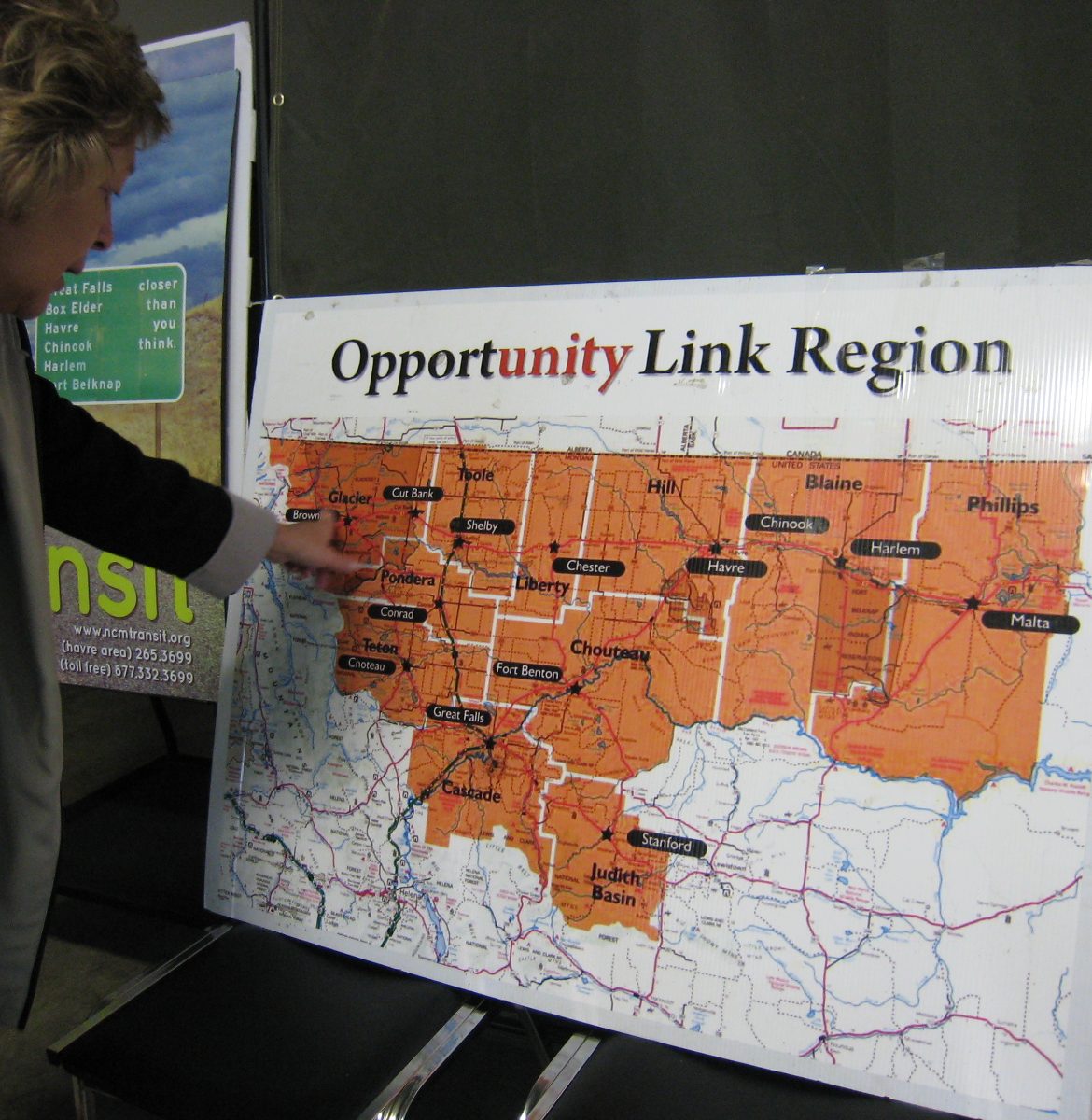
This group we visited with last week in Montana, Opportunity Link, received a welcome shot in the arm, announced just this morning: they received a $1.5 million grant from the Department of Housing and Urban Development as part of the 2011 Sustainable Communities regional planning grant program. 468 applications requesting more than $500 million in funding […]
Our three principles
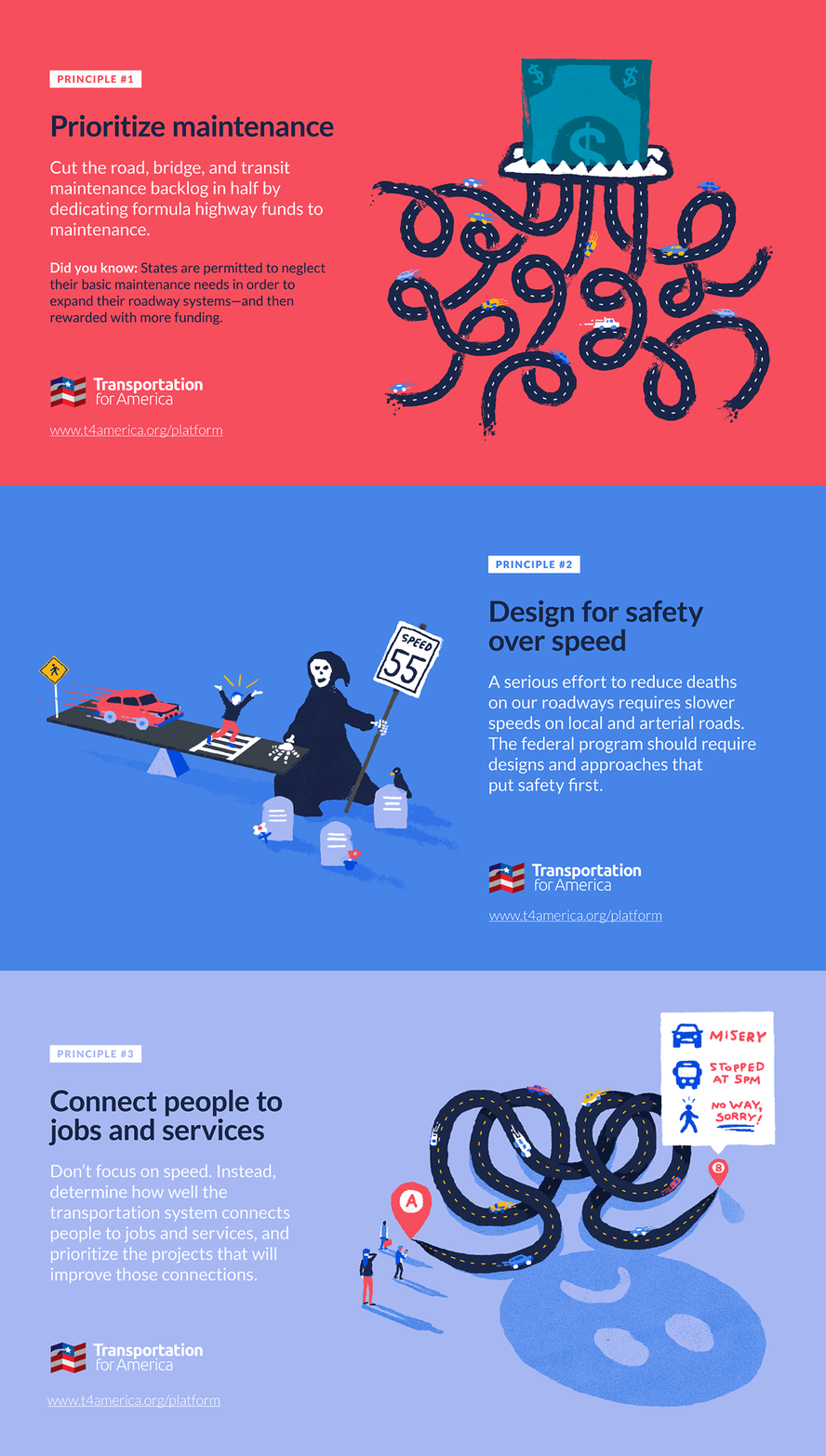
It’s past time to elevate the national conversation about infrastructure beyond just the price tag.
Learn more about our platformLatest From The Blog

Now Hiring: Policy Intern
Jul 24th, 2024

Full speed ahead: How federal leaders can keep…
Jul 24th, 2024

T4A Director Beth Osborne sets the record straight…
Jul 24th, 2024

Building housing near transit takes change at every…
Jul 22nd, 2024

We need to expand the conversation on transportation…
Jul 10th, 2024

I cannot find the zoom link, I registered…
Jan 6th, 2024

A rare look behind the curtain of Transportation…
Jul 28th, 2023

In what Harrison Ford said was his most…
Jul 25th, 2023

Good example, walking to the local taco place…
Jul 24th, 2023