Posts Tagged "transportation funding"
Beyond the pump: Evaluating fresh approaches to transportation funding

Current state gasoline taxes aren’t enough to cover our transportation funding needs. Evaluating alternatives needs to involve taking five key principles into account. Read our policy evaluation framework, created by T4A Policy Associate Stephen Coleman Kenny with support from T4A Policy Director Benito Perez, NRDC Senior Transportation Advocate Zak Accuardi, and T4A Policy Intern Julia Camacho.
Show me the money: Financial breakdown of the infrastructure law
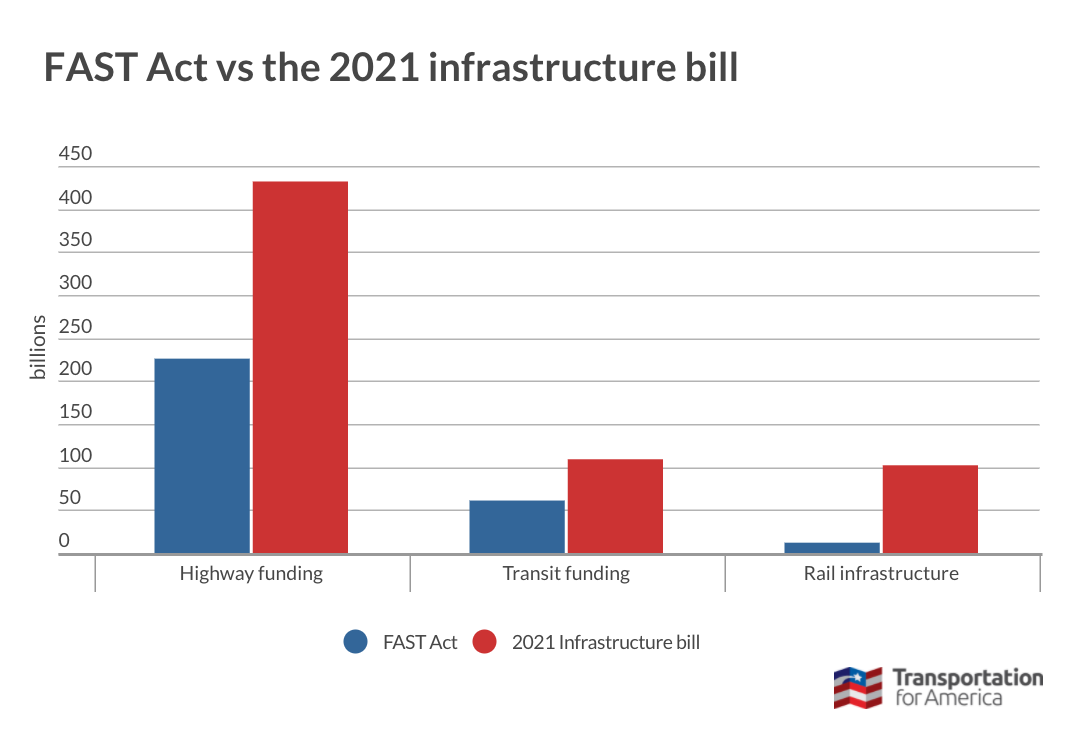
A month has passed since the $1.2 trillion infrastructure deal was signed into law. There is much to unpack as to exactly how much money there is for the surface transportation program and how it can be used.
Amendments we’re tracking to the House transportation bill
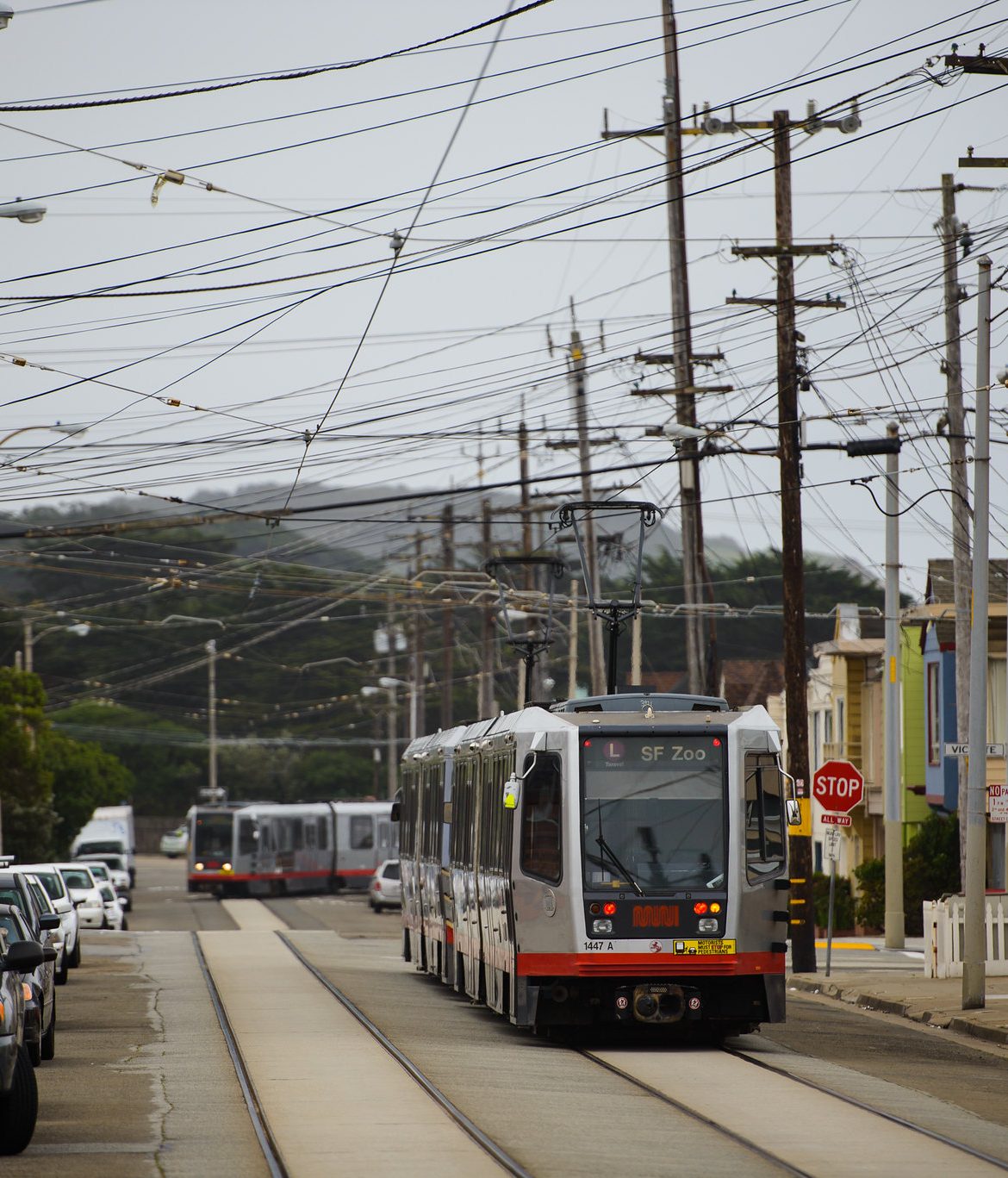
The INVEST Act could be a turning point for the federal transportation program, almost hitting the mark on Transportation for America’s three principles for transportation investment. But a few amendments could make—or break—the bill. Stay up to date here.
BUILDing Complete Streets
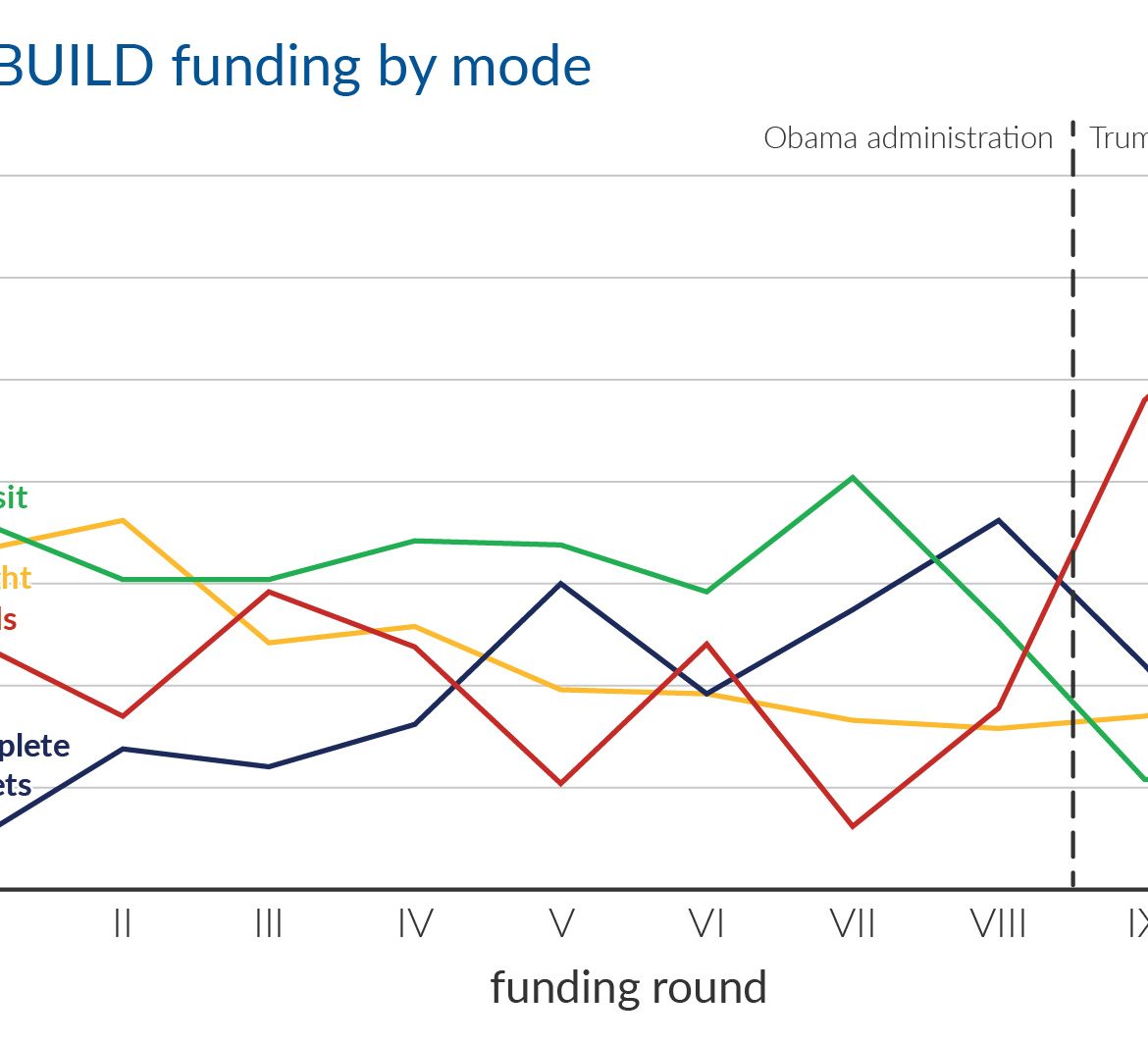
By now it’s well known that the Trump administration is no friend to transit funding. Even the BUILD grant program—which was originally designed to fund complex, multimodal projects—has been warped by the administration’s focus on roads. But there is one silver lining from the most recent awards: Complete Streets.
Members of Congress launch a new caucus on transportation policy

Today, Representatives Chuy García (IL-4), Ayanna Pressley (MA-7), and Mark Takano (CA-41) launched a new caucus dedicated to creating a vision for the future of our transportation system that emphasizes equity, access, and sustainability.
Why we are no longer advocating for Congress to increase transportation funding
Since our inception in 2008, Transportation for America has always primarily advocated for reforming the federal transportation program. But raising the gas tax or otherwise raising new funding overall has also been a core plank of our platform since 2013. With the release of our brand new policy platform and principles coming this Monday, Transportation for America is no longer asking Congress to provide an increase in money for federal transportation program. Why?
In the Washington Post: Let’s skip the infrastructure spending spree
A new opinion piece in the Washington Post takes a contrarian view of all the talk about money during Infrastructure Week. Let’s skip the infrastructure plan and focus on policy, because without good policy more spending could actually do more harm than good.
What to watch for in Tuesday’s transportation and climate change hearing

The intersection between climate change and transportation will be on full display during a committee hearing in the U.S. House of Representatives. But will members of Congress take the opportunity to examine the critical role that federal transportation policy has played in creating the climate crisis? Here are six things we’ll be looking for during the hearing.
A vital tool in the transportation-funding toolbox
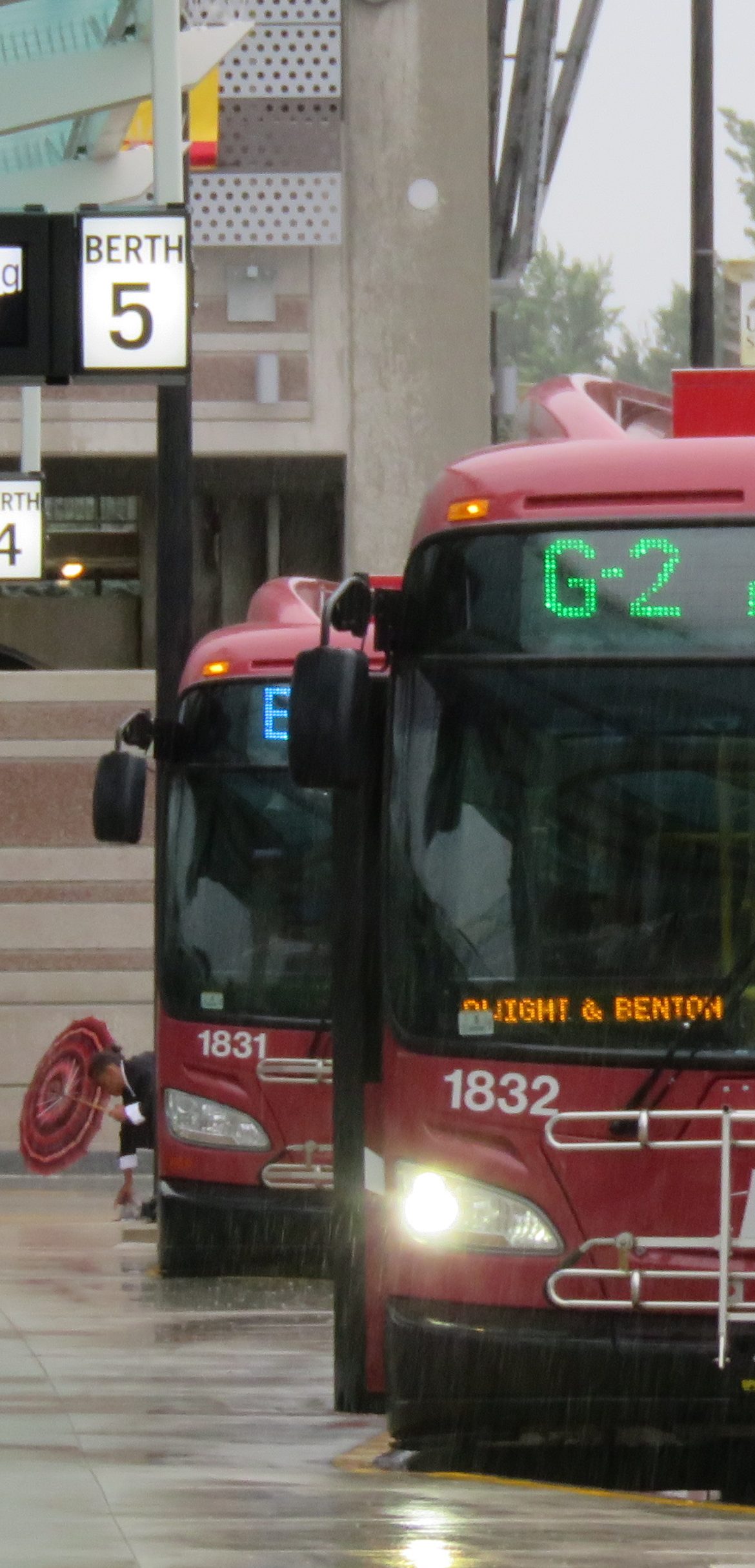
The current administration is doing what it can to interfere with federal funding for transit, which makes it important that localities have a broad set of tools if they hope to compete. Today, we share an argument from Timothy Brennan, executive director of the Pioneer Valley Planning Commission, on the need to legalize regional ballot initiatives in Massachusetts—and beyond.
Choosing transportation projects that actually match our priorities

Transportation for America recently wrapped up a year of work with six metro areas to direct their transportation dollars to projects that help them achieve their goals and become the kinds of places they aspire to be.
Fight for your ride: An advocate’s guide for expanding and improving transit
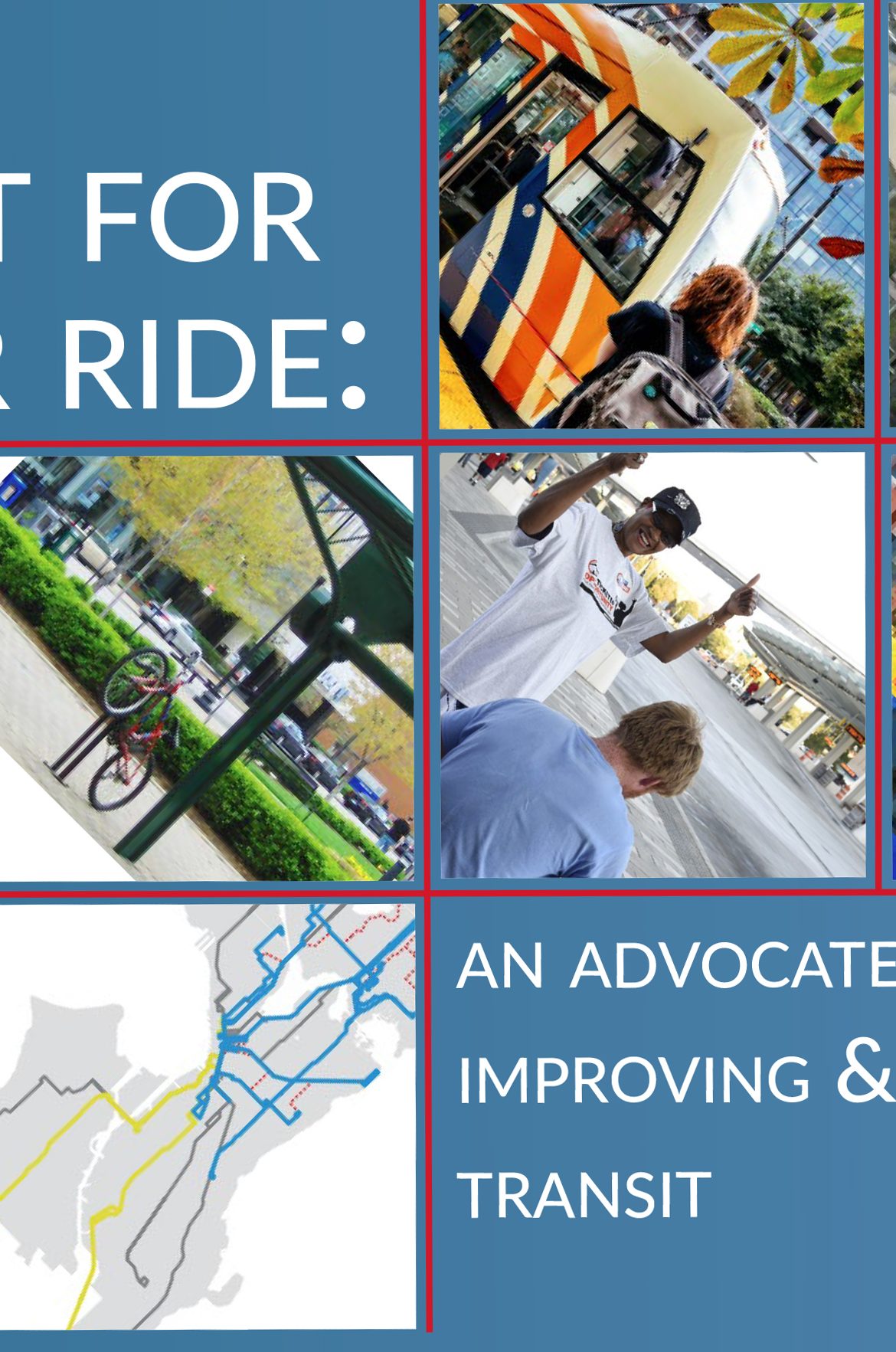
This new guide offers local advocates and transit champions practical advice for making real improvements to public transit.
South Carolina legislature overrides governor’s veto to increase state gas tax
Last week the South Carolina legislature voted to override a veto from the governor to successfully raise the state’s gas tax and other fees to increase funding for state highway projects. South Carolina is the 29th state to raise new transportation revenues since 2012.
President Trump’s federal infrastructure priorities likely to be revealed this week
There’s no need to wait months for President Trump’s $1 trillion infrastructure package to discover the transportation priorities of this president — they’ll be clearly telegraphed with the release of his first annual budget later this week. For months there’s been endless discussion of the President’s $1 trillion pledge to “build new roads, and highways, and bridges, and airports, and tunnels, and […]
New Jersey shuts down almost all transportation projects amidst fight over nearly bankrupt transportation fund
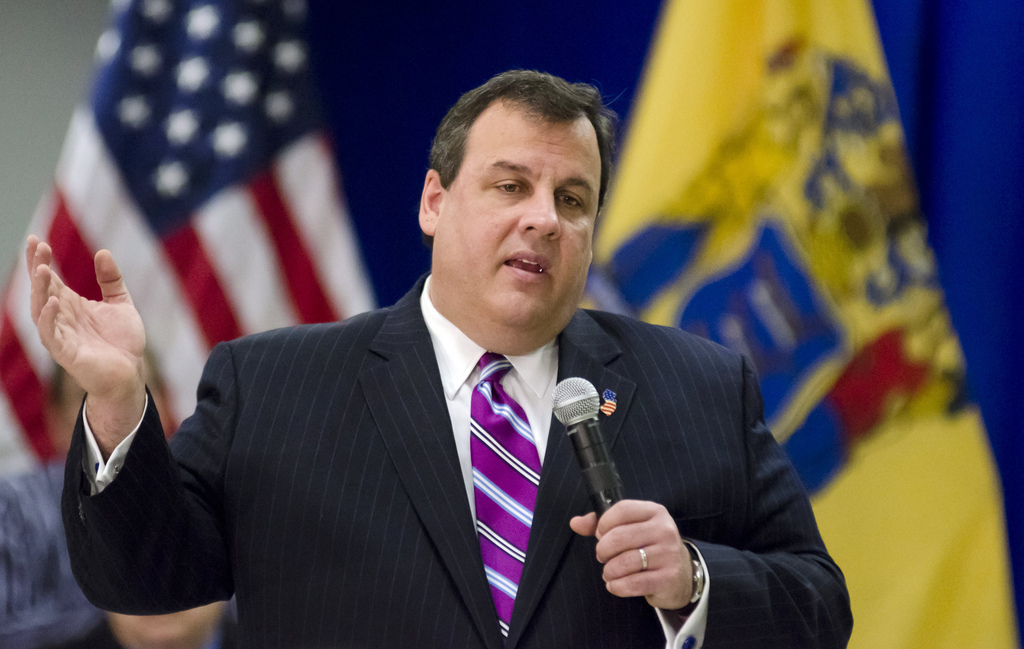
New Jersey Governor Chris Christie shut down almost all ongoing state transportation projects this week after a legislative stalemate over rescuing the state’s bankrupt Transportation Trust Fund — a debate that hinged on pairing a gas tax increase with cuts to the state’s sales tax.
Virginia launches program to remove politics from transportation investment decisions
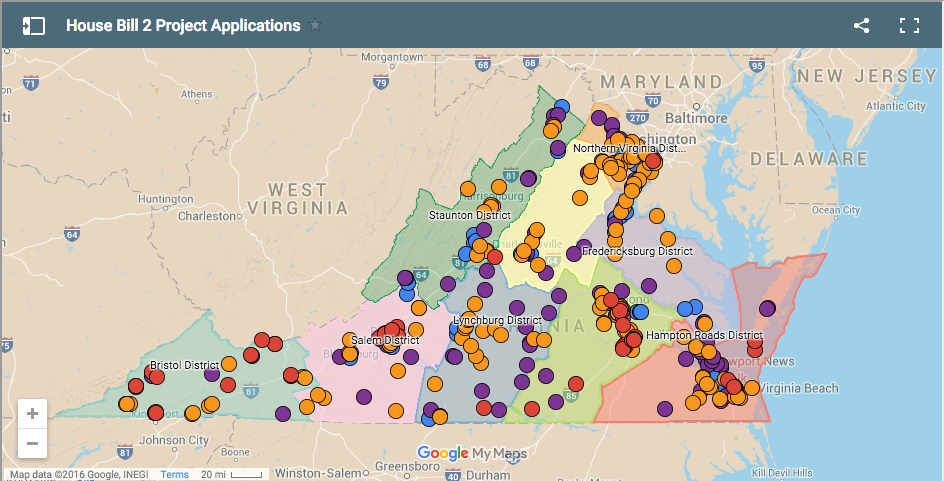
This week Virginia DOT released a list of recommended projects across the state, the result of a new process to objectively screen and score transportation projects based on their anticipated benefits.
12 states successfully raised new transportation funding in 2015 — what can other states learn?
The second issue of Transportation for America’s “Capital Ideas” series, released today, takes a closer look at the states that passed new transportation funding and policy legislation in 2015, distilling it all into some notable trends, lessons learned, challenges, and recommendations for other states planning similar action in 2016.
While Congress punts on sustainable funding, local communities approve a slew of new transportation taxes on election day

In a striking contrast to the actions of Congress when it comes to transportation funding, a handful of local jurisdictions went to the ballot this week and approved new taxes for transportation investments.
Utah makes a bipartisan move to increase state and local transportation funding to help meet the demands of high population growth
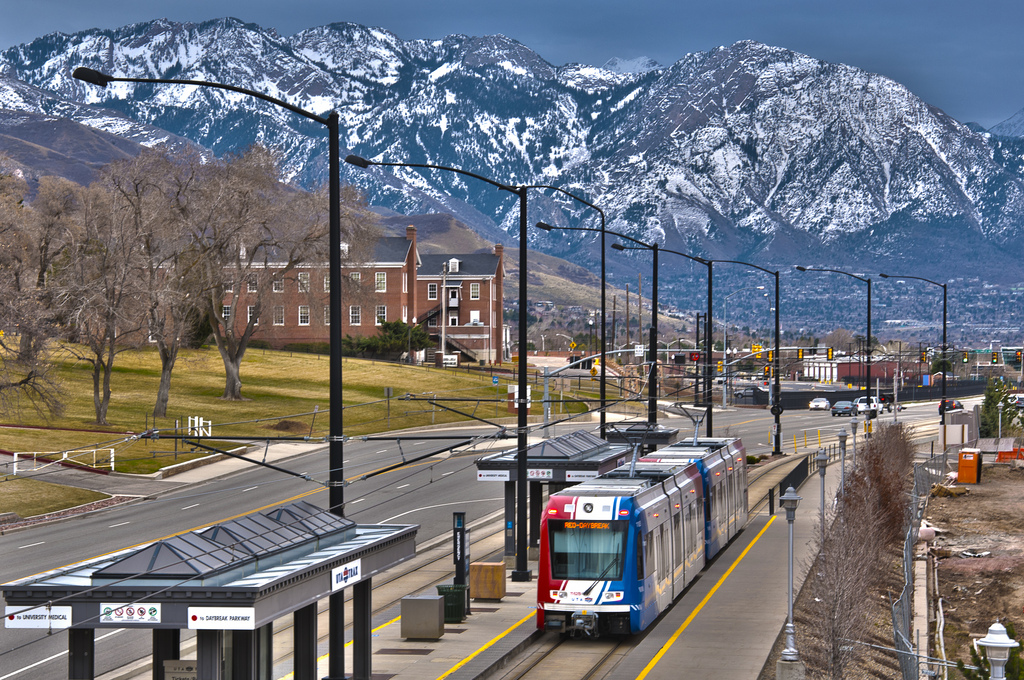
Earlier this spring Utah became the third state in 2015 to pass a comprehensive transportation funding bill, raising the state’s gas tax and tying it to inflation. Unlike most other states acting this year, Utah raised revenues to invest in a variety of modes and also provided individual counties with the ability to go to the ballot to seek a voter-approved sales tax to fund additional local transportation priorities.
A proposal in the U.S. House could send more transportation funding to local communities
Last week, the Senate passed their multi-year transportation bill, the DRIVE Act, which authorizes funding for six years but with only enough funding for the first three years. The House left for August recess before taking up the Senate’s long-term bill, so Congress passed a three-month extension of MAP-21 that extends the program until the […]
Compromise in Washington State clears the way for a transportation funding package

Washington State Governor Jay Inslee and state legislative leaders indicated today that they have reached agreement on a $15 billion transportation package that also provides $15 billion in local funding authority for Sound Transit, the regional transit agency for the Puget Sound (Seattle) region. The deal looked almost dead last week, but a last-ditch compromise could give Seattle-area residents a little more control over their transportation future.
Our three principles
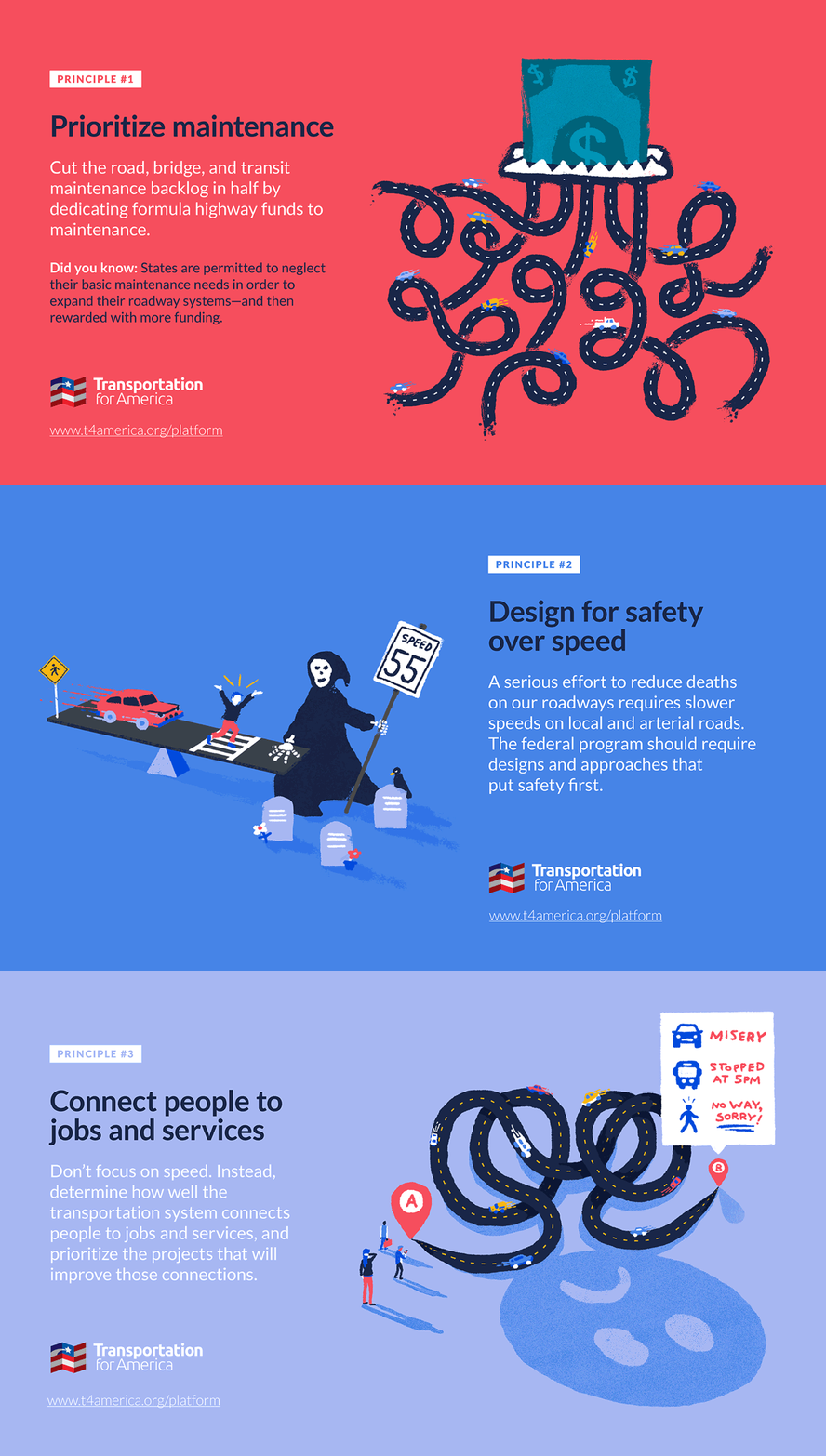
It’s past time to elevate the national conversation about infrastructure beyond just the price tag.
Learn more about our platformLatest From The Blog


There’s a climate cost to America’s freeways, and…
Apr 23rd, 2024


Progress for passenger rail in the South and…
Apr 10th, 2024

I cannot find the zoom link, I registered…
Jan 6th, 2024

A rare look behind the curtain of Transportation…
Jul 28th, 2023

In what Harrison Ford said was his most…
Jul 25th, 2023

Good example, walking to the local taco place…
Jul 24th, 2023