Posts Tagged "public health"
The CDC needs to do more to show the public that transit is safe
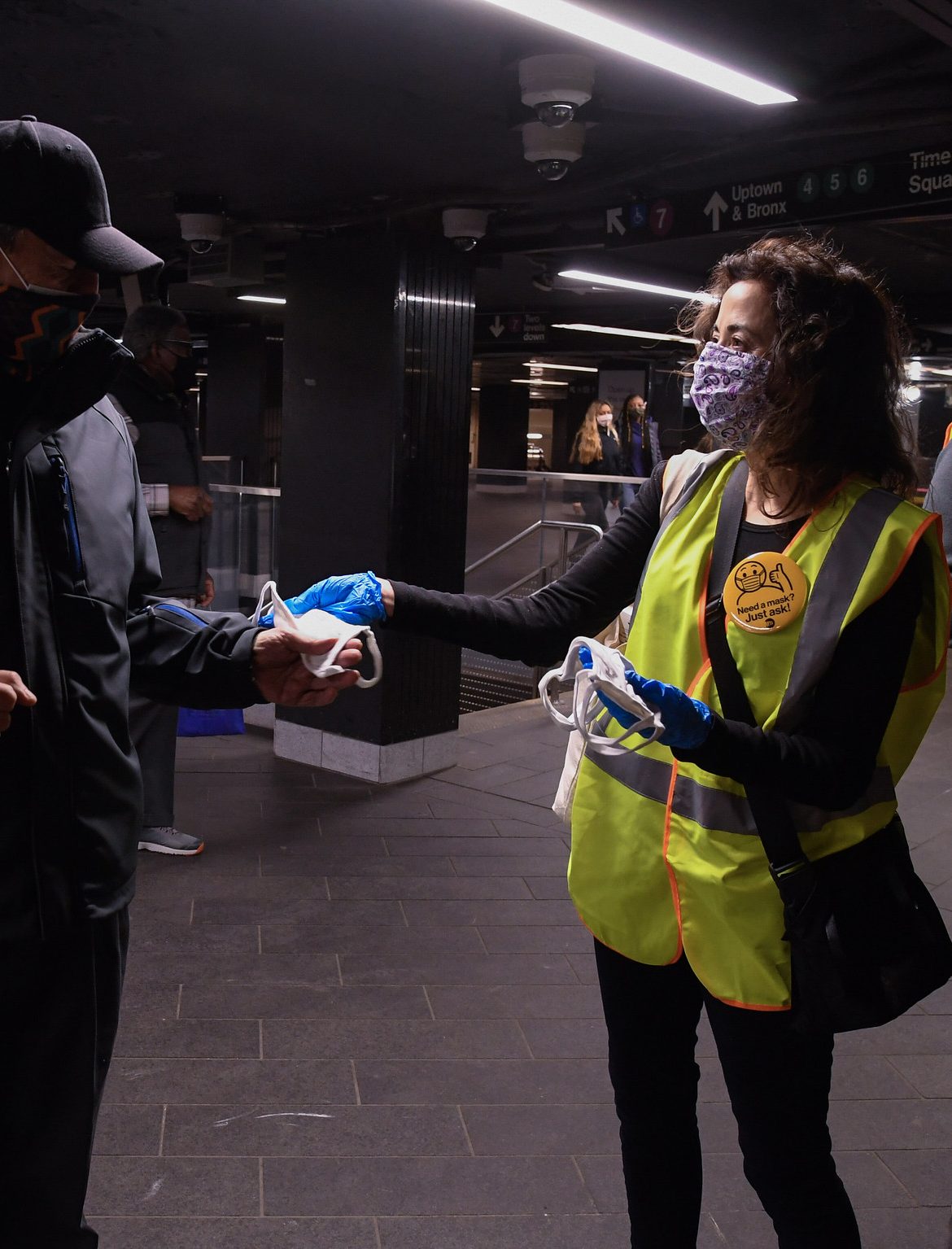
Public transit is one of the safest indoor spaces during the COVID-19 pandemic for a variety of reasons. But the perception of transit’s safety is lagging. The Centers for Disease Control and Prevention (CDC) has a lot of power to change the narrative and pursue vaccination sites that are transit-accessible, as we wrote in a joint letter to the agency with our partners.
CDC quietly revises their guidance to encourage people to use transit safely

Two weekends ago the CDC quietly revised their guidance for using public transportation after an outpouring of criticism from Transportation for America, NACTO, TransitCenter, the American Public Transportation Association, and others that the CDC was contradicting years of their own public health guidance that encouraging more driving incurs massive public health costs in pollution, respiratory illnesses, obesity, and preventable traffic deaths.
Watch the recap discussion of “Building Healthy and Prosperous Communities”
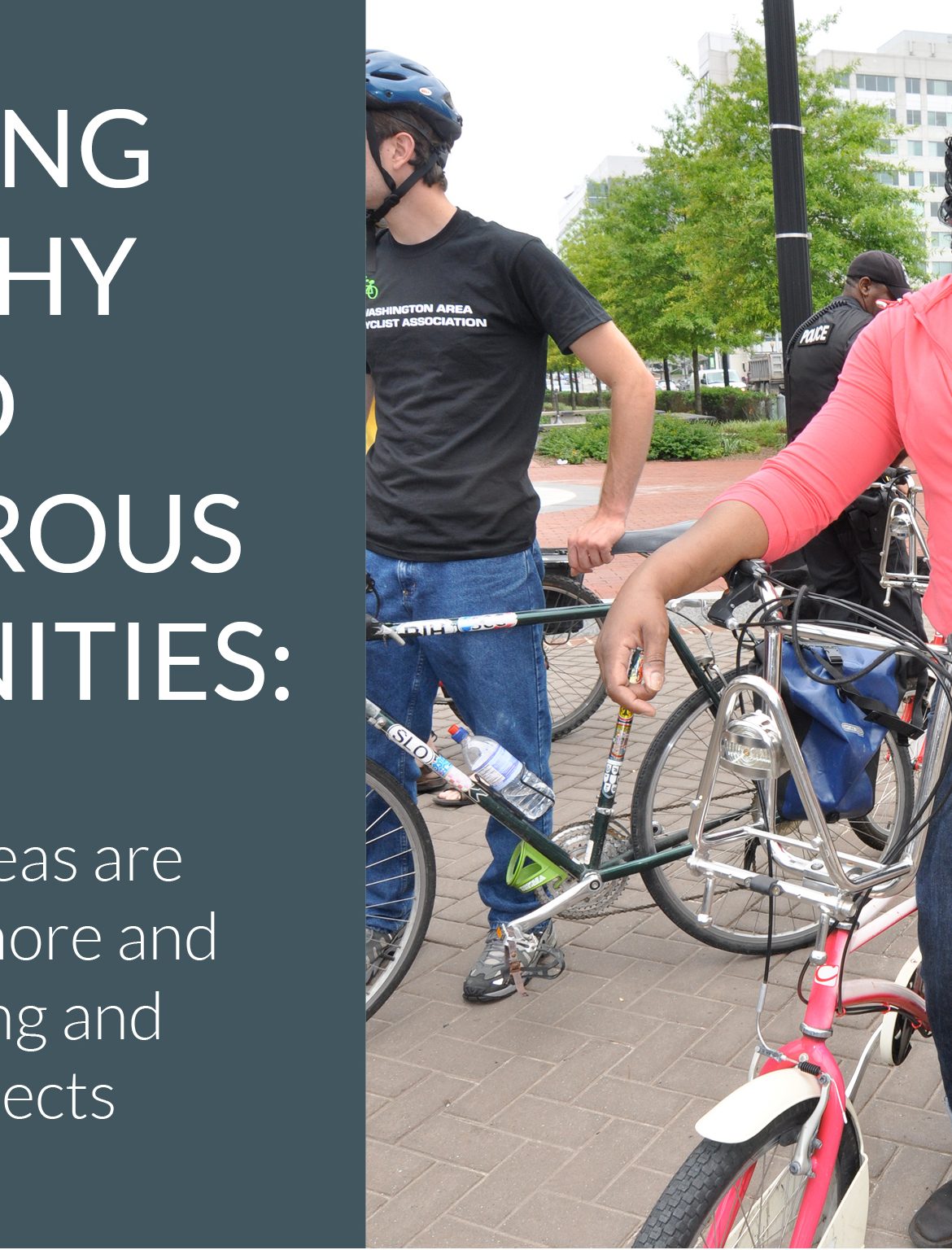
Building Healthy and Prosperous Communities: How Metro Areas are Building More and Better Bicycling and Walking Projects identifies ways that metro planning agencies are planning, funding and building more and better walking and bicycling projects in their communities. To learn more, download the guidebook, view the recording of the webinar below, or read some of […]
Coming soon: A new report on how metro areas are building more and better bicycling and walking projects

Metro areas of all sizes across the country are strategizing, developing, and implementing new ways to improve bicycling and walking in their regions. Over the last year, T4America worked with metro areas across the country to collect and document these stories, ideas, and strategies into a guidebook that we’re releasing on December 11.
How metro planning agencies are promoting physical activity and health
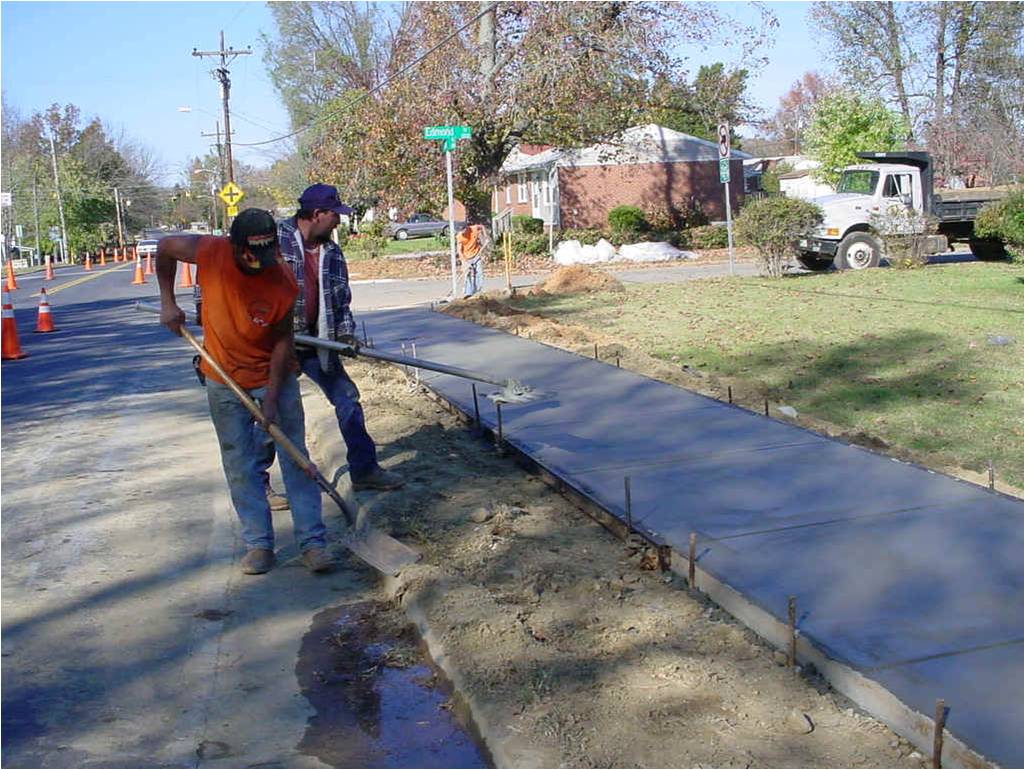
Join us for the release of a new paper showing how regional transportation planning agencies are promoting physical activity and health.
Webinar wrap: How MPOs are prioritizing public health to build prosperous regions
Last week, we had a discussion detailing how public health professionals are working with regional transportation planners to plan, fund, and support building more state of the art active transportation projects — accompanying the release of Measuring What We Value: Prioritizing Public Health to Build Prosperous Regions.
Measuring what we value: Prioritizing public health to build prosperous regions
A new package of case studies released today by T4America, in partnership with the American Public Health Association, showcases a range of strategies that metro area planning agencies can use to strengthen the local economy, improve public health outcomes for all of their residents, promote social equity and better protect the environment.
Surgeon General: building walkable communities is essential to our health
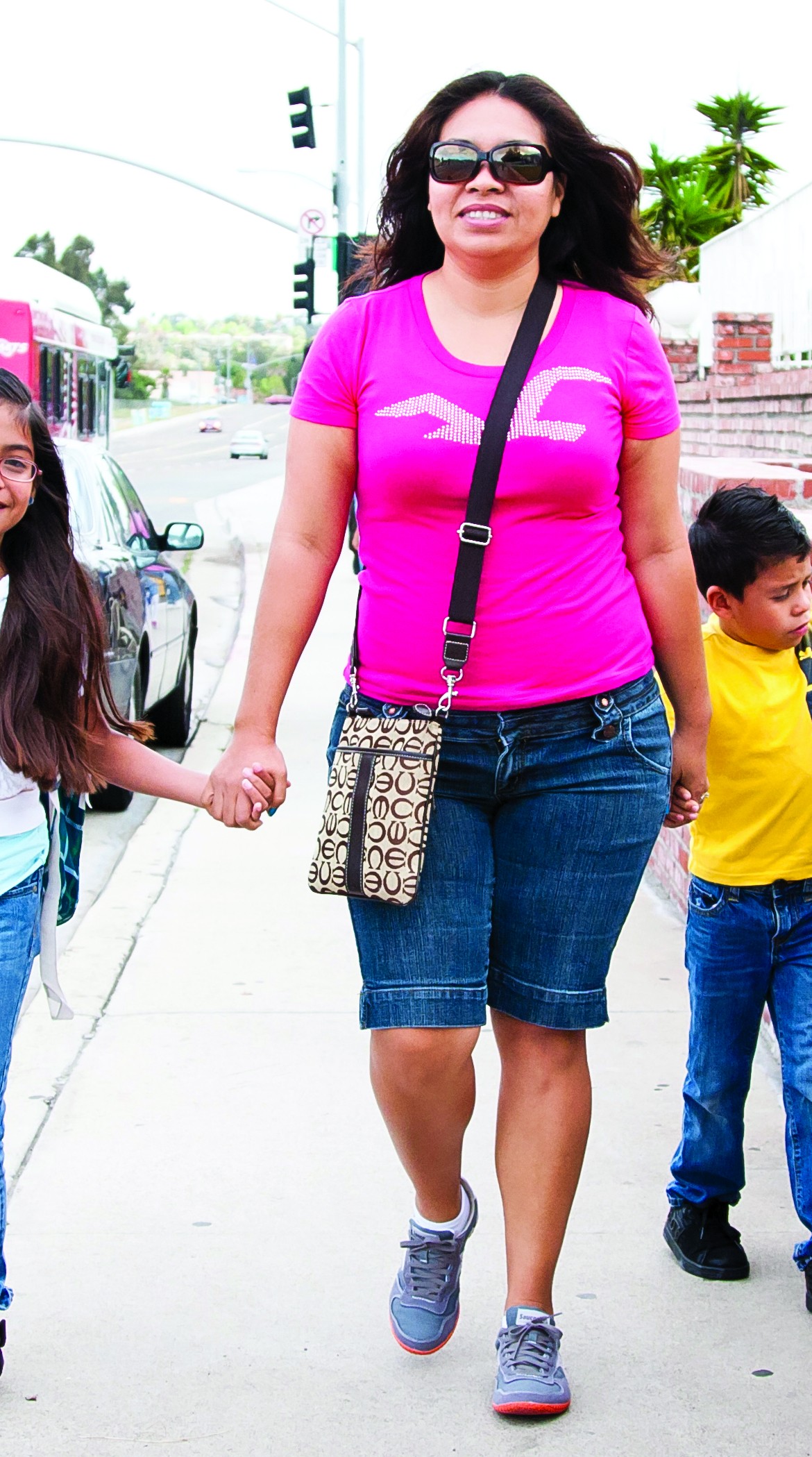
Yesterday the Surgeon General issued a powerful call-to-action that focuses on improving public health by encouraging walking and the creation of more walkable places.
What if we labeled unwalkable neighborhoods like we do cigarettes?

The Surgeon General of the United States will unveil a bold new initiative today, aiming to help Americans lead healthier lives—by making walking and physical activity built-in features of more of our neighborhoods.
U.S. Surgeon General issuing a rare call-to-action to make walking safer & more convenient
The Surgeon General will issue a new call-to-action next Wednesday that focuses on encouraging cities and towns to design and build their roads and public places to make walking easier, safer and more pleasant.
Healthy economies need healthy people — Nashville leads the way for other regions
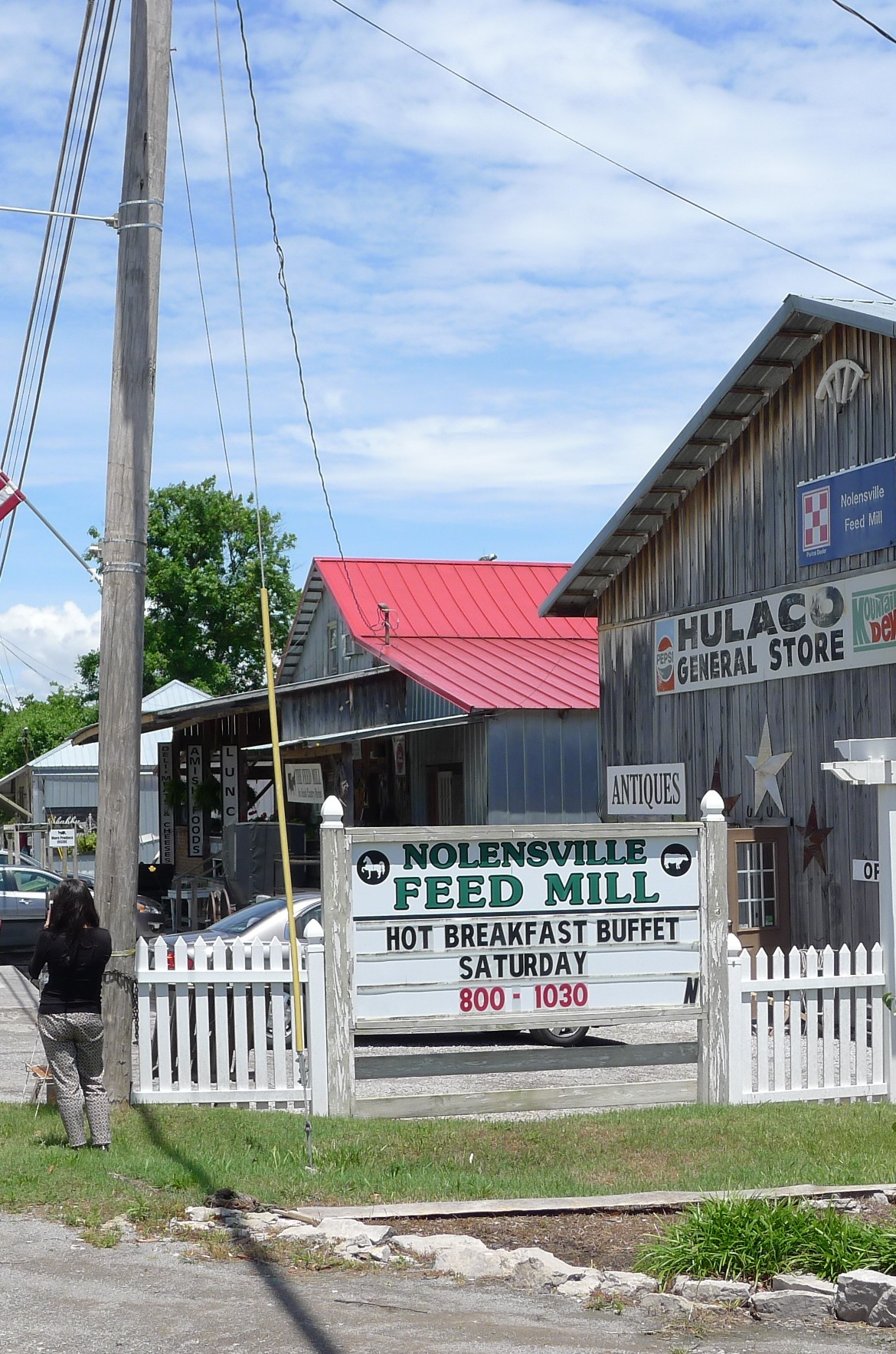
What’s the connection between healthy residents and a healthy bottom line? Why should a local business community care about improving the health of the residents that live there? Representatives from five regions gathered last week in Nashville to learn how providing better transportation infrastructure and building more walkable communities can help improve residents’ health — and boost local economic prosperity and competitiveness.
American Lung Association: smart growth saves lives, improves health
Photo courtesy of Compass Blueprint There are many reasons smarter growth makes sense. By building more sustainably and closer to where people work and shop and plan, we reduce hours stuck in traffic and make it easier to reach life’s necessities. But there is something even more important at stake: our health. According to new […]
Helping kids get active and healthy by “keeping them moving”
 We’re facing an epidemic of childhood obesity, and this could very well be a generation of children who live shorter, less healthy lives than their parents. A healthier transportation system for America’s kids requires change in federal policy. But change will remain out of our grasp without a sense of urgency from everyday people on the ground. So where’s the meeting point between policymakers in Washington and citizens in their neighborhoods?
Michelle Obama’s Let’s Move campaign a positive step, but must emphasize transportation voices
In February, First Lady Michelle Obama announced her exciting “Let’s Move” campaign and the goal of seriously confronting childhood obesity in the United States within a generation. Now, the campaign – more formally known as the Presidential Task Force on Childhood Obesity – is getting to work on an action plan to influence federal policy. This is a great start, but there’s an omission: the task force does not include a representative from the U.S. Department of Transportation.
Improving access to healthcare by improving transportation options
 We noted transportation’s impact on health care costs and how expanding access to public transportation and investing more money in complete streets safe for walking and biking can improve overall health and lower healthcare costs. We should remember that having transportation options and the ability to easily get where you need to go have a huge impact on whether or not you receive care. How does access to transportation affect the health of Americans?
Does transportation have an impact on growing health care costs?
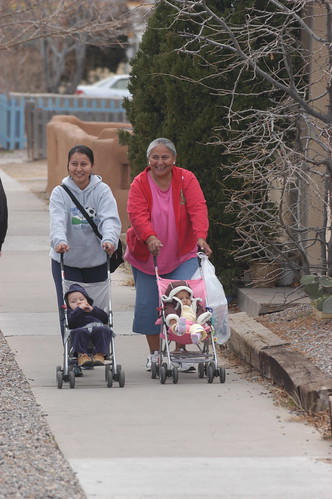 With Congress directing their attention to the contentious debate over health care reform and how to pay for it, it seems that transportation has been relegated to the back burner. In the meantime, evidence is continuing to mount that transportation investments — what we build and where — have an enormous impact on our health and the financial bottom line of providing health care. Two new studies add to a compelling case…
Our three principles

It’s past time to elevate the national conversation about infrastructure beyond just the price tag.
Learn more about our platformLatest From The Blog


There’s a climate cost to America’s freeways, and…
Apr 23rd, 2024


Progress for passenger rail in the South and…
Apr 10th, 2024

I cannot find the zoom link, I registered…
Jan 6th, 2024

A rare look behind the curtain of Transportation…
Jul 28th, 2023

In what Harrison Ford said was his most…
Jul 25th, 2023

Good example, walking to the local taco place…
Jul 24th, 2023