Transportation For America » walking

Join us TODAY for a national call-in day for walking and biking

March 11, 2010
By Stephen Lee Davis

Tell your Rep to support this bill:
Make a call

Monday, we told you about a new bill in Congress from Rep. Earl Blumenauer that would help cities large and small begin to build complete active transportation networks, making it easier and more attractive to get around on foot or on bike, and most importantly, helping stem the tide of the 76,000 preventable pedestrian deaths over the last 15 years. We asked you to send a message to your Representative, and you didn’t disappoint, with thousands of messages going to offices representing districts from coast to coast.

Today, along with numerous other partners like Rails to Trails, League of American Bikers, America Bikes, and America Walks, we’re asking all of our supporters to make a phone call to your Representative to support this new bill — the Active Community Transportation Act.

With the National Bike Summit in town this week, more than 700 advocates for safe walking and biking are visiting the offices of their congressional delegations today, asking them to sponsor this bill and letting them know about all the benefits of making it easier to safely get around on foot or on bike. We want to back them up and have all of our voices heard loud and clear in the halls of Congress today.

So take just 2 minutes and call your Representative and ask them to co-sponsor this bill. It’s quick and easy.

Increasing the number of people who can safely walk or bike will reduce congestion, help cut emissions, keep Americans healthier and keep those people out there already walking and biking safe. Let your representative know that you think this bill is a great idea for your community, and for America.

Bookmark and Share

Tell Congress: Get America back on its feet with investment in healthy transportation!

March 8, 2010
By Stephen Lee Davis

s_walk Originally uploaded by Transportation for America

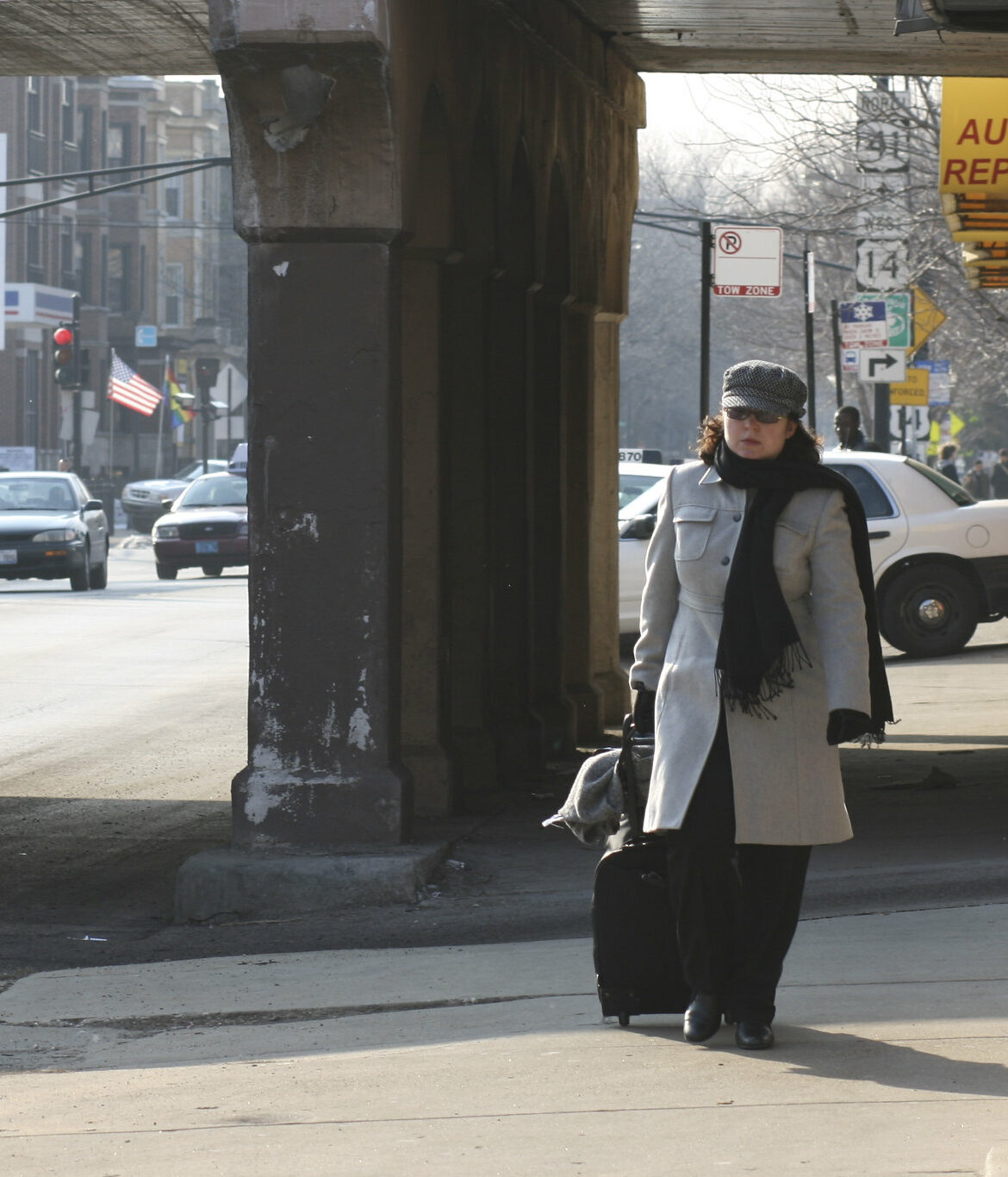
In the last 15 years, 76,000 Americans have been killed while walking or simply crossing the street.

But help could be on the way. Rep. Earl Blumenauer introduced a bill last week to create a $2 billion competitive grant program to fund safe networks for biking and walking — giving states and cities the resources they need to start building projects they have waiting in the wings. This week, more than 700 bike advocates are descending on Capitol Hill to drum up strong support for the program while in D.C. for the National Bike Summit.

We need to back them up: Send a letter to your representative urging them to co-sponsor the Active Community Transportation Act (H.R. 4722).

This bill is a no-brainer. It will make America’s roadways safer, create jobs, reduce traffic congestion, cut emissions, and promote healthy living. It even pays for itself — as we make biking and walking safer and more accessible, we save billions of dollars on reduced healthcare, gasoline, and environmental costs.

And if we build it, they will come! Half of all trips taken in the United States could be accomplished with just a 20-minute bike ride, and a quarter are within a 20-minute walk. We need to make it safer and easier to make those trips on bike or foot. Polls have shown that Americans think their cities and communities should be more walkable.

Let’s get America back on its feet! Send a message to your representatives asking them to co-sponsor the Active Community Transportation Act.

Thanks to everyone who has already taken action today, retweeted the email alert, or posted it to Facebook to help us spread the word.

Bookmark and Share

TIME Magazine features Dangerous by Design report on pedestrian safety, culminating three weeks of coverage nationwide

December 1, 2009
By Sean Barry

--newspapersThis week’s issue of TIME Magazine topped off three weeks of nationwide coverage of Transportation for America’s Dangerous by Design report ranking communities according to the risk for pedestrians.

The excellent TIME piece opens with the tragic story of Ashley Nicole Valdes, “a smart, pretty 11-year-old girl” who was killed while crossing the street in Miami earlier this year and became “a heart-wrenching symbol of South Florida’s notoriously reckless car culture.”

Florida was identified in the report as being the most dangerous for pedestrians. “You see all these people getting run over,” said Ashley’s mother, Adonay Risete, “and you ask yourself: What’s happened to us as people here? We need to get tougher and change attitudes.”

The phenomenal response to Dangerous by Design is a hopeful sign that change may be under way.

More than 150 newspapers, 300 TV broadcasts and 50 radio programs have covered the report, co-authored by the Surface Transportation Policy Partnership, since its release three weeks ago. The report’s findings speak to the need for action: America has a pedestrian fatality rate equivalent to a jumbo jet full of passengers crashing every 31 days. This decade alone, 43,000 Americans – including 3,906 children under 16 – have been killed while walking or crossing the street.

We could make great strides on pedestrian safety by adopting “complete streets” policies, ensuring that roads are designed to be safe and accessible for everyone who uses them, whether motorist, bicyclist, transit rider or pedestrian. You can help by asking your member of Congress to support the pending national Complete Streets Act.

Meanwhile, more than 100 communities and states have adopted such policies, and more are coming. One of the report’s greatest success stories was the swift action of officials in Southwest Florida’s Lee County, who adopted a resolution in support of Complete Streets within 48 hours of the report’s release, and just one day after the local Ft. Myers News-Press editorialized in favor of the policy.

Dangerous by Design was covered extensively in both national and local media, including National Public Radio, TIME Magazine, USA Today, The Christian Science Monitor, The Washington Post, Boston Globe, San Francisco Chronicle, Denver Post, Baltimore Sun, Houston Chronicle, Consumer Affairs, Orlando Sentinel, Detroit Free Press, St. Louis Post-Dispatch, and dozens more.

The Kansas City-Star wrote that the Kansas City metropolitan area’s “widely dispersed population and auto-oriented development are doing no favors for pedestrian safety.”

The Minnesota Daily wrote: “With the implementation of Complete Streets…streets wouldn’t be something we simply drove through, but the destination itself.”

And, the Billings Gazette in Montana drew on the experience of T4 America partner Dr. Michael Vlases to link transportation safety and health. “Bringing walking back into daily urban life is not just about aesthetics,” Vlases told the Gazette. “It’s a matter of public health.”

The “room for improvement” designation easily goes to Harris County, Texas, which according to the Houston Chronicle, “has a policy of not installing sidewalks when it builds a new road, unless a group or city provides the extra money. ‘It’s an expense that doesn’t have to do with transportation,’ said Mark Seegers, a spokesman for Harris County Commissioner Sylvia Garcia. ‘The county does not do sidewalks; it’s not what gets cars from point A to point B.’”

Harris County serves as a reminder of how much work there is to be done.

The steering committee for Dangerous by Design included the American Public Health Association, Smart Growth America, AARP, America Bikes, America Walks, the Safe Routes to School National Partnership and the National Complete Streets Coalition. T4 America is indebted to these partners for their work helping create and release this report.

Bookmark and Share

Help us send a message to Secretary LaHood and the USDOT

November 10, 2009
By Stephen Lee Davis

398px-ray_lahoodAs our new Dangerous by Design report illustrates, pedestrian safety is a matter of life or death for thousands of Americans each year. With a loss of life equivalent to a jumbo jet going down roughly each month, it is a tragedy that simply does not get enough attention at any level of government. Tragic, because these are preventable deaths, largely on roads that are not safe for walking or biking.

As a follow-up on the release of the report, Transportation for America is working to arrange a meeting with U.S. Transportation Secretary Ray LaHood, perhaps as soon as next week. At this meeting, we plan to deliver the message from our hundreds of partner organizations and thousands of supporters across the country that safer streets must be a priority!

Sign our petition today and help us send a strong message to the USDOT!

Secretary LaHood has already demonstrated a strong interest in safety with a distracted driving initiative and the creation of a new Safety Council, and we have praised his vocal commitment to livability in our towns and communities. Because the Department of Transportation holds the purse strings, if Secretary LaHood adds Complete Streets to his list of safety priorities, we can ensure that every road project facilitates safe travel for everyone — including vulnerable pedestrians.

So if you have not yet signed the petition, go and sign it now so we can take an enormous stack  with names from across the country to Secretary LaHood soon. This is our chance to make a big impression and to let him and the DOT know how many of you care about making our streets safer for everyone.

If you have signed the petition already, be sure to post it to Twitter or Facebook with the links below, or tell a friend about it.

Post about this action on Twitter! Post a link to your Facebook profile

Bookmark and Share

New York City sees biking go in one direction — up!

November 10, 2009
By Stephen Lee Davis

All of the videos from Streetfilms are certainly worth watching, but we wanted to call out special attention to this one, especially on the heels of the Dangerous by Design release yesterday morning. With nearly 5,000 people dying every year on our roads while walking or biking, some cities are working hard to bring those numbers down by making biking (and walking) safer and more convenient.

New York City is one of those places. If you looked at the detailed rankings of the largest 52 metro areas in Dangerous by Design, you might have seen that New York is already one of the safest metros in the country when measured with the Pedestrian Danger Index. Part of the reason for that is the relatively low number of fatalities when compared against the high percentage of people who walk to work in the metro area. But that doesn’t mean it’s inherently safe. New York City has the largest share of pedestrians dying in traffic accidents in the country, with pedestrians making up a whopping 31% of all traffic fatalities.

So for the last few years, the City has been committed to making the public realm and their streets safer for walking and biking, and the numbers are bearing it out in a positive way. Watch this encouraging video from the gang at Streetfilms chronicling the huge rise in the numbers of people bicycling in the Big Apple.

Bookmark and Share

Dangerous by Design

November 9, 2009
By Stephen Lee Davis

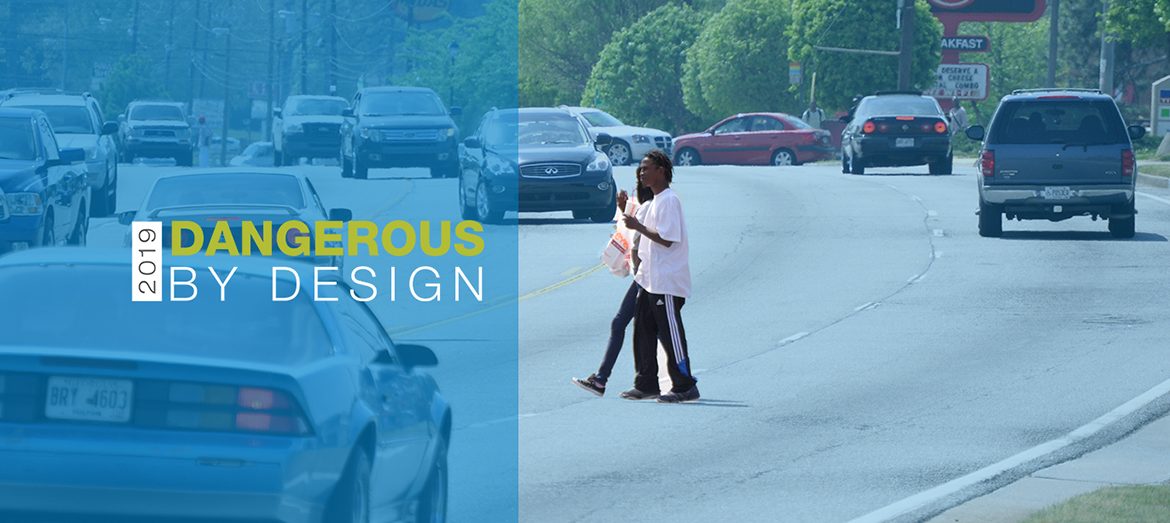
Dangerous by Design 600px web tease

What would the national reaction be if a jumbo jet full of passengers went down with regularity every 31 days or so? How loud would the calls be for a fundamental change in airline safety? It’s easy to imagine the shock and outrage if such a thing happened. Yet that is essentially what happens every year with preventable pedestrian fatalities on our nation’s streets and roads.

Every year, nearly 5,000 Americans die preventable deaths on roads that fail to provide safe conditions for pedestrians. This decade alone, more than 43,000 Americans – including 3,906 children under 16 – have been killed while walking or crossing a street in our communities. With more than 76,000 Americans dying in the last 15 years, it’s the equivalent of a jumbo jet going down roughly every month, yet it receives nothing like that kind of attention.

A new report from Transportation for America and the Surface Transportation Policy Partnership, Dangerous by Design: Solving the Epidemic of Preventable Pedestrian Death (and Making Great Neighborhoods), ranks metropolitan areas based on the relative danger of walking.

Download the full report, see the comprehensive rankings and view all of the companion tables of data online right here: http://t4america.org/resources/dangerousbydesign. After you’ve taken a look, ask U.S. Transportation Secretary Ray LaHood to make pedestrian safety a priority for the administration. Pedestrian deaths are preventable, and we demand safer streets!

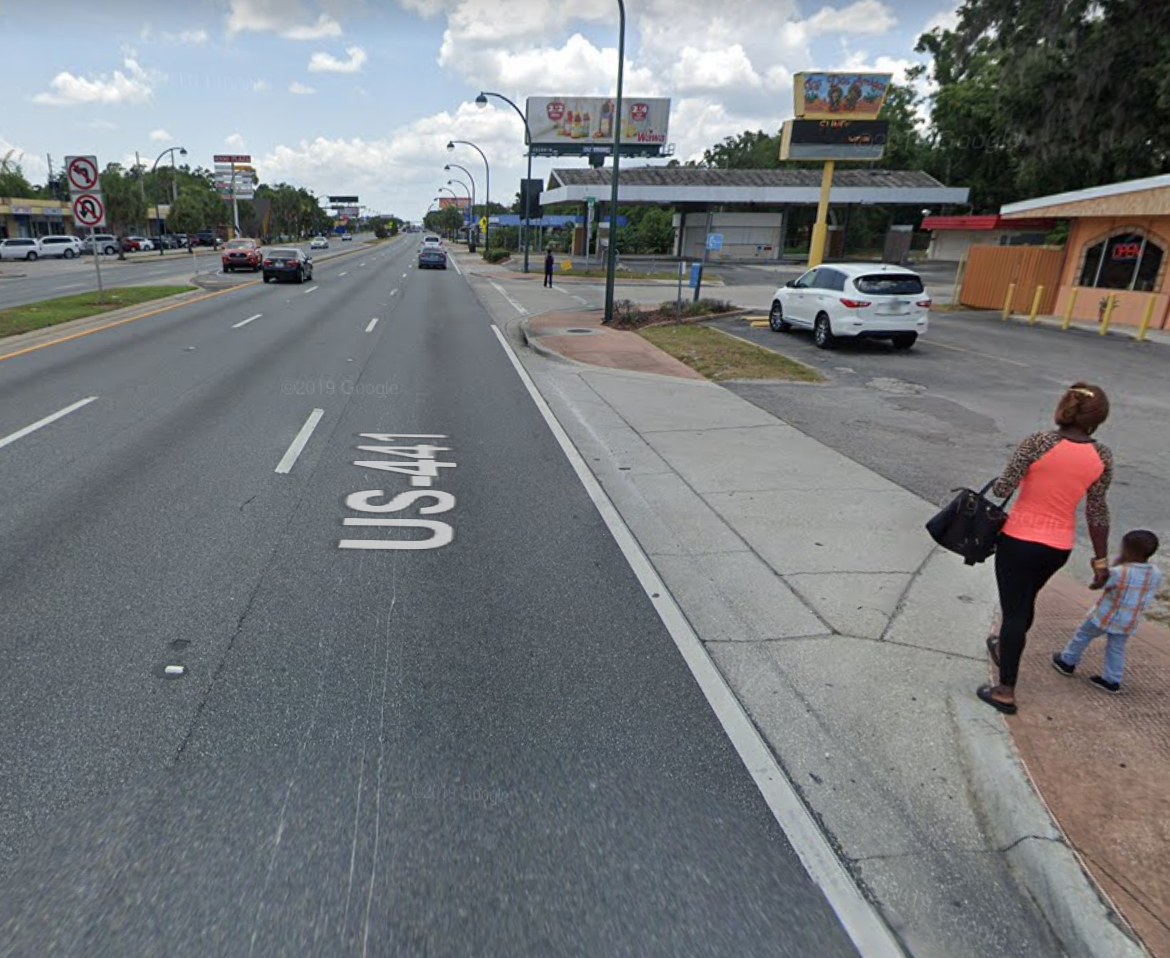
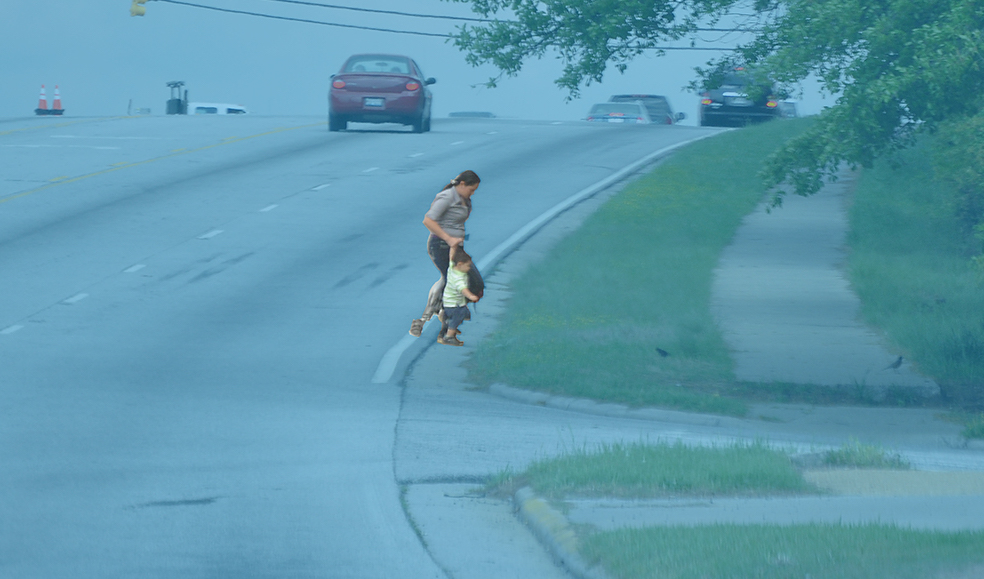
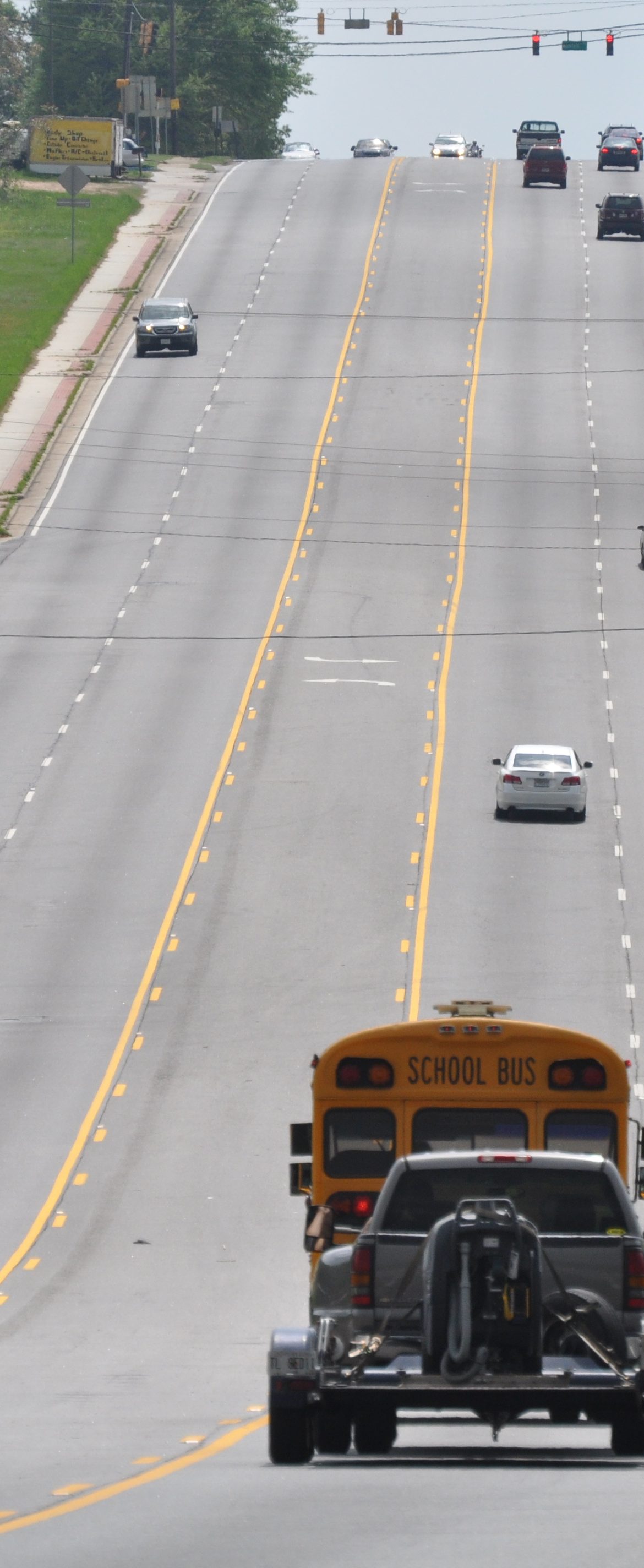
Many of these preventable deaths are occurring along roadways that are dangerous by design, streets engineered for speeding cars with little or no provision for people on foot, in wheelchairs or on a bicycle.

YikesPedestrian Originally uploaded by Transportation for America
Look carefully in the turning lane above the center of the photograph. There’s a pedestrian trying to cross this 7-lane urban arterial road. See any crosswalks anywhere on the road? Photo courtesy of Dan Burden.

Over the last several decades, many of our cities and communities have seen the same shift of daily business from walkable, downtown Main Streets to wide, fast-moving state highways. These “arterial” roads are the new main streets in most communities, drawing shopping centers, drive-throughs, apartment complexes and office parks. Unlike the old walkable main streets, however, the pressure to move as many cars through these areas as quickly as possible has led transportation departments to squeeze in as many lanes as they can, while disregarding sidewalks, crosswalks and crossing signals, on-street parking, and even street trees in order to remove impediments to speeding traffic.

As a result, more than half of fatal vehicle crashes occurred on these wide, high capacity and high-speed thoroughfares. Though dangerous, these arterials are all but unavoidable because they are the trunk lines carrying most local traffic and supporting nearly all the commercial activity essential to daily life.

Before the top 10 most dangerous city rankings, here are just a few facts you might like to know:

Inadequate facilities. Of the 9,168 pedestrian fatalities in 2007-08 for which the location of the collision is known, more than 40 percent were killed where no crosswalk was available.

Spending disparity. Though pedestrian fatalities make up 11.8 percent of all traffic-related fatalities, states have allocated less than 1.5 percent of total authorized transportation funds to projects aimed at improving safety for pedestrians (for funds spent under current transportation bill.) No state spends more than 5 percent of federal transportation funds on safety features or programs for pedestrians or cyclists, despite a 30 percent increase in total federal transportation dollars beginning in 2005.

Complete streets save lives. Providing sidewalks, crosswalks and designing for lower traffic speeds saves lives. Only one in 10 pedestrians deaths occurred within crosswalks, while six in 10 occurred on arterial-type roads where speeds were 40 mph or higher.

The danger is not shared equally. Older adults, disabled and low-income Americans are being killed at disproportionate rates. African-Americans, who walk for 50 percent more trips than whites, and Hispanic residents, who walk 40 percent more, are subjected to the least safe conditions and die disproportionately.

Aging in place, yet unable to leave the house on foot. An AARP poll of adults 50 years and older found that 40 percent reported inadequate sidewalks in their neighborhoods and nearly half of respondents reported that they could not safely cross the main roads close to their home.

Rank Metropolitan Area 2007-08 Pedestrian

Danger Index

1 Orlando-Kissimmee, Fla. 221.5
2 Tampa-St. Petersburg-Clearwater, Fla. 205.5
3 Miami-Fort Lauderdale-Pompano Beach, Fla. 181.2
4 Jacksonville, Fla. 157.4
5 Memphis, Tenn.-Miss.-Ark. 137.7
6 Raleigh-Cary, N.C. 128.6
7 Louisville/Jefferson County, Ky.-Ind. 114.8
8 Houston-Sugar Land-Baytown, Texas 112.4
8 Birmingham-Hoover, Ala. 110.0
10 Atlanta-Sandy Springs-Marietta, Ga. 108.3
See the full rankings and download the report

Bookmark and Share

It’s time to make the link between health and transportation

October 13, 2009
By Sean Barry

Most of the news coverage about what is happening in Washington compartmentalizes health and transportation, missing key connections between the two.

This week, Americans from around the country will speak to their representatives, seeking to emphasize those links. The “health fly-in” will commence Thursday and is sponsored by Transportation for America, the American Public Health Association, the Complete Streets campaign and PolicyLink, a research institute specializing in social equity.

The U.S. transportation system – our roads, bridges and highways, as well as bicycle and pedestrian paths – propels our social and economic lives. Unfortunately, the system we have takes a significant toll on our health and safety.

By building neighborhoods, towns and cities that require a car trip for nearly every move we make, we have literally engineered physical activity out of our daily lives. In many sprawling communities, driving is the only option for getting to school, work and recreation, and new road projects tend to favor speeding cars over the people who cross the street.

Poor air quality resulting from pollution contributes between $40 billion and $60 billion to U.S. health care costs annually. Each hour spent in the car increases the risk of obesity. And further, the lack of emphasis on transit, walking and biking lowers mobility for disadvantaged Americans and makes our streets less safe for people both behind the wheel and on foot.

Transportation policy can no longer be viewed in isolation. That is why groups like the American Public Health Association are educating people about the links between the built environment and our personal well-being and organizations from different policy arenas that never saw the need to work with each other before are joining hands.

This week has been all about making the health and transportation link more concrete, and there is more to come.

Bookmark and Share

Even Newt agrees: Let the kids bike

October 9, 2009
By Stephen Lee Davis

Newt Gingrich at Manhattan Tea Party Originally uploaded by ajagendorf25

Raise your hand if you had former Speaker of the House Newt Gingrich pegged as a staunch advocate for walking and biking to school?

A few days after schools across the country celebrated Walk to School Day, a middle school in Saratoga Springs, New York is in the news once again for their policy prohibiting students from walking or biking to school. Apparently, Newt Gingrich caught wind of their policy and wrote the school district a letter urging them to drop their policy.

Twelve-year old Adam Marino and his mother were thrust into the spotlight back in May when he chose to bicycle to Maple Avenue Middle School in violation of a current prohibition. Adam told the Albany Times-Union this week that biking has improved his health and his studies. School officials said the prohibition was to keep children safe.

Gingrich, the Georgia Republican who led the GOP takeover of Congress in 1994, heard the story and sympathized with Adam. He penned a letter to school officials, writing: “At a time when nearly one-third of American children and teens are overweight or on the brink of obesity, students like Adam who exhibit healthy behaviors should not be punished but rather rewarded.”

Gingrich’s support for the young bicyclist is welcome, but Maple Avenue Middle School’s concerns about safety shouldn’t be dismissed out of hand either.

County and state officials should be working to ensure that Adam and others like him have a safer ride, rather than just declaring it “unsafe” and giving up. The first story about Adam, back in May, pointed out that the school district hadn’t applied for any state funding from the Safe Routes to School program, which can help communities improve streets and add sidewalks to make walking and biking to school safer for children.

Does this mean we can assume the Speaker’s support for Complete Streets legislation and Safe Routes to School to help making walking and biking safer and easier for people just like Adam?

Bookmark and Share

Republican Senator says more transit = better health

October 8, 2009
By Sean Barry

John EnsignLast week, an offhand comment by Republican Senator John Ensign about the link between health and transportation policy didn’t make the headlines, but it did make an interesting connection.

Ensign was wrong in asserting that the United States has the highest life expectancy among developed countries when gun and automobile accidents are ignored. But he was on target when he mentioned America’s auto-dependent ways and how that negatively impacts our health.

Compared to Europe, “we’re just a much more mobile society,” he said. “We drive our cars a lot more, they do public transportation. So you have to compare health care system with health care system.”

While misunderstanding mobility as just traveling a high number of miles, Ensign correctly implies that driving more and walking less contributes to poor health and makes us more prone to death (in a car) than our European neighbors, which the data suggests to be true. The most obese cities in the United States — Miami, Oklahoma City and Ensign’s own constituents in Las Vegas — are known for their auto-oriented sprawl.

A recent study in the Journal of Physical Activity and Health confirms a correlation between the more active walking habits of Europeans and lower obesity rates, backing up American research from earlier this decade by Smart Growth America and others showing that residents of sprawling places are more likely to be obese.

If we want to boost mobility while bringing health costs down, we need our transportation policy to create more travel options for everyone and make it safer and easier to walk and bike.

Mobility isn’t an end of itself, nor is it just about going long distances on a regular basis. Mobility is about access to destinations and opportunity. We’re spending hours in the car not because ordinary Americans think that having high “mobility” is important — we’re doing it out of necessity just to get around our increasingly spread out cities.

No one would argue that our transportation priorities are the driving force — no pun intended — behind lower health outcomes. But there is enough evidence to suggest they should be a serious part of the discussion.

Bookmark and Share

You helped save funding for transit, safe walking and biking

September 29, 2009
By Stephen Lee Davis

Two weeks ago, we were successful in beating back a handful of dangerous amendments to the yearly transportation budget in the Senate that would have broken federal promises to fund crucial, long-planned public transportation, passenger rail and bike/pedestrian projects.

In less than 48 hours, supporters like yourselves sent more than 10,000 messages to your Senators in opposition of these dangerous amendments. Your quick action was instrumental in letting the Senate know that it’s important we continue funding alternatives to driving that can help us use less oil, cut our emissions, bike and walk safely and reduce the amount of time we spend in congestion each day.

Sen. McCain had a slew of amendments that would have removed previously obligated funds for critical transit projects across the country. Sen. Bond reportedly had an amendment in hand to strip out high-speed rail funding. And Sen. Coburn proposed an amendment that would have removed the requirement that states spend a small fraction of their transportation funds on the kinds of investments that make biking and walking safer and more available.

We thank you all for your speedy action on these amendments. Your voices are regularly being heard on Capitol Hill! Keep it up.

Bookmark and Share

Older posts »

About Us | Our Partners | Contact Us | For The Media | Become a Partner

Transportation for America
1707 L Street NW Ste. 250
Washington, DC 20036
202-955-5543

Creative Commons License
This site is licensed under a
Creative Commons License
.