Posts Tagged "amtrak"
Progress for passenger rail in the South and beyond
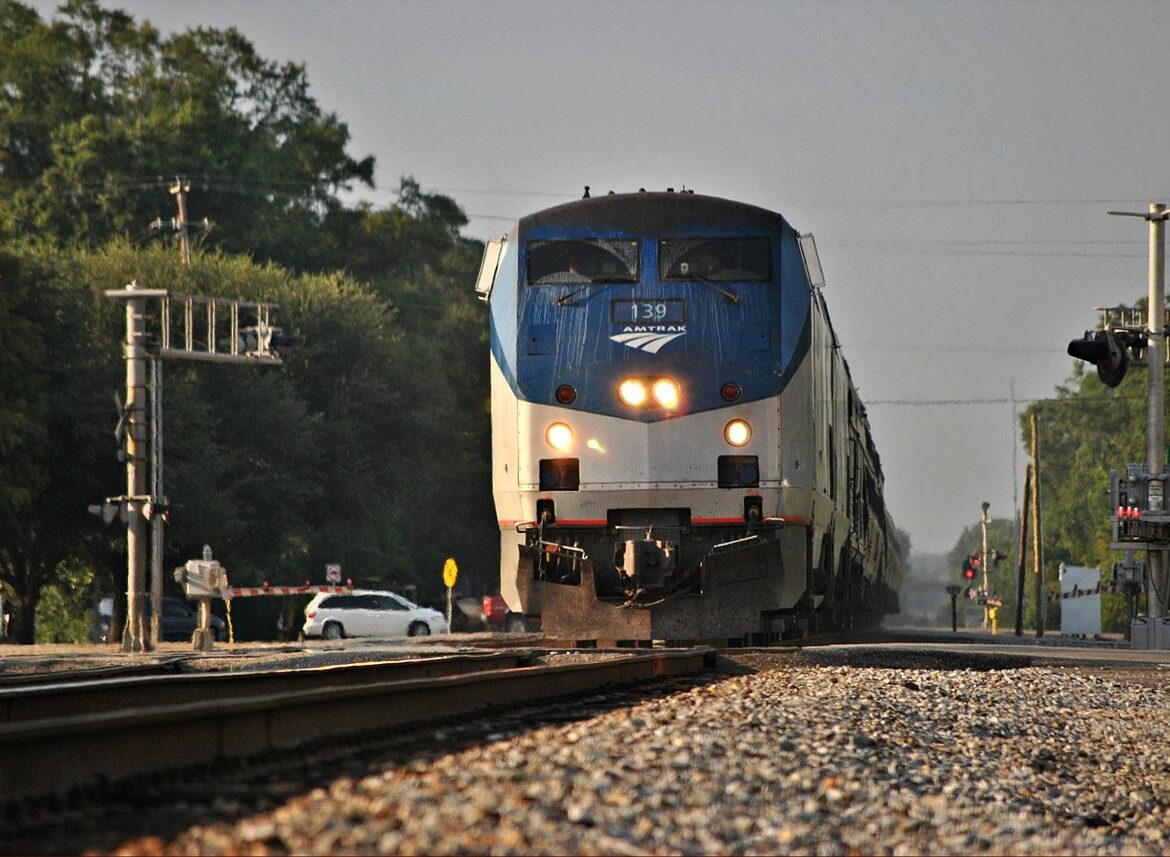
Two recent developments at the federal level can help propel passenger rail expansion in the South and across the country.
Avoiding Derailment: The Freights First Act in Perspective
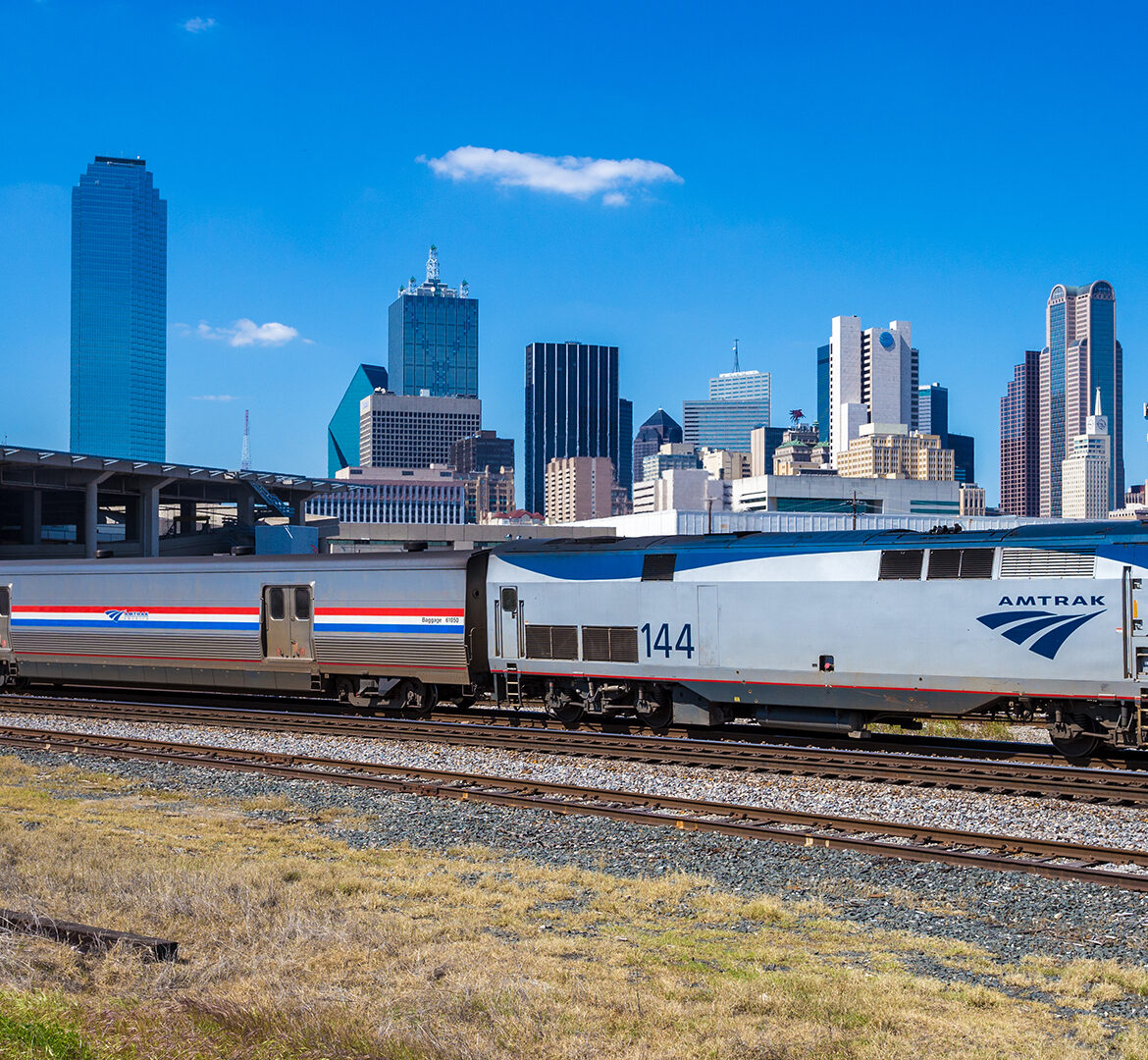
There is no denying that there are persistent issues that impact reliable freight service and the efficient delivery of goods nationwide. Yet, despite the discussion of the myriad service issues that affect the supply chain, Amtrak and passenger rail have not been identified as a cause of disruption, and have, in fact, been conspicuously absent […]
Final grant clears the way to restore Gulf Coast passenger rail service

Last week’s announcement of a $178 million federal grant to make track and infrastructure improvements along the Gulf Coast rail corridor represents the last major funding hurdle to restoring passenger rail service from New Orleans to Mobile, AL.
Amtrak’s path to world-class service

US passenger rail was the envy of the world at the turn of the 20th century. As global temperatures rise, and with the growing need to enhance intercity mobility options to get to economic and civic opportunities, it’s high time to look to and emulate our international peers in developing passenger rail: iterate, innovate, and don’t fall for the immediacy trap.
Once-in-a-generation opportunities in passenger rail—but the time to act is now
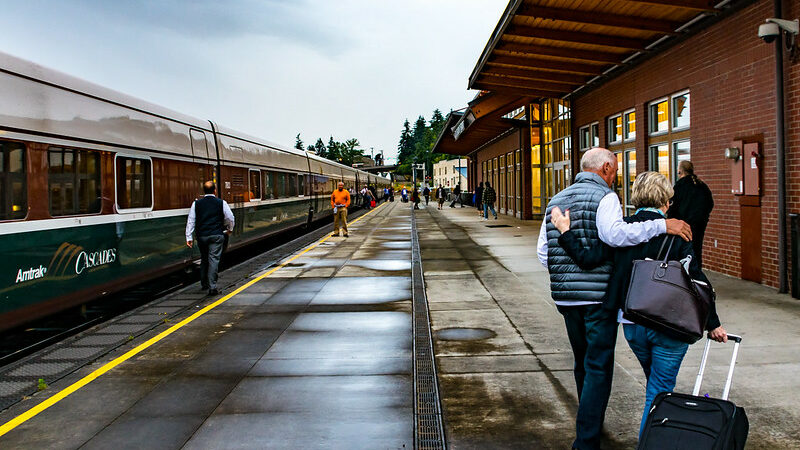
T4America works with partners all over the country to develop passenger rail service, and we’re telling them all the same thing: now is the time to act. We’ve never seen this amount of support for passenger rail from Congress and the Federal Railroad Administration, and federal funding is there. But there’s a procedure—with deadlines—to follow. Here’s how to take advantage in the year ahead.
A blueprint for Amtrak success from T4A Chair John Robert Smith
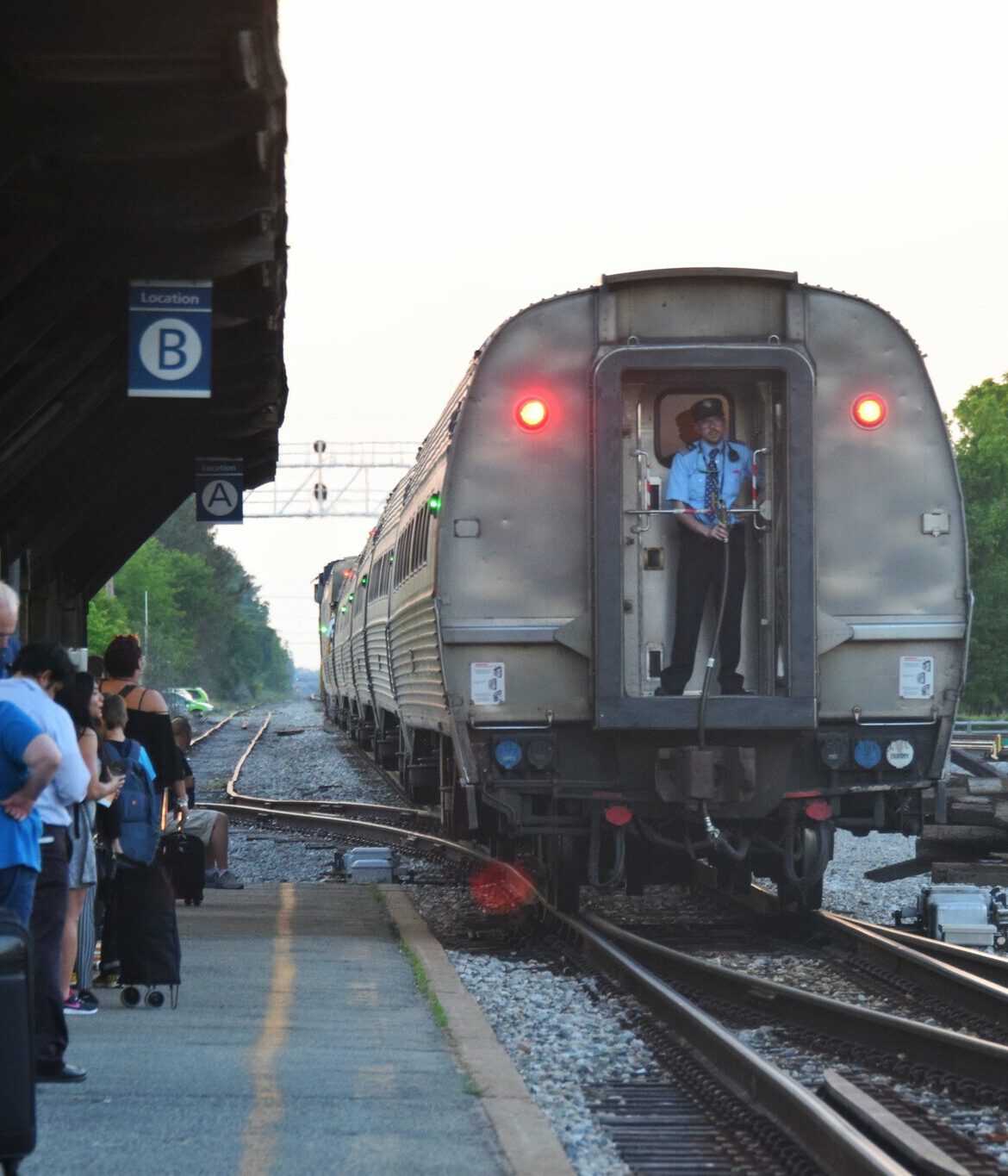
Amtrak has a workforce crisis on its hands. While the COVID-19 pandemic brought many of these problems to light, it did not create them. Mistakes by Amtrak’s leadership long before COVID-19 led to a slowly diminishing workforce and service impacts, which the pandemic exacerbated. Now, with a historic federal investment in passenger rail, how can Amtrak pivot and get back on the right track? The answer may lie in the company’s recent history.
Rail barons return: How two freight railroads are trying to derail the infrastructure law’s historic investment in passenger rail

Two freight railroads have been waging a bad-faith effort to kill the incredibly popular, fully funded, multi-state effort to restore long-awaited passenger rail service along the Gulf Coast, in part because the precedent could stall the infrastructure law’s historic investment in the country’s passenger rail network which would give millions more Americans access to regular rail service.
Passenger rail funding in the infrastructure bill: Building a national network
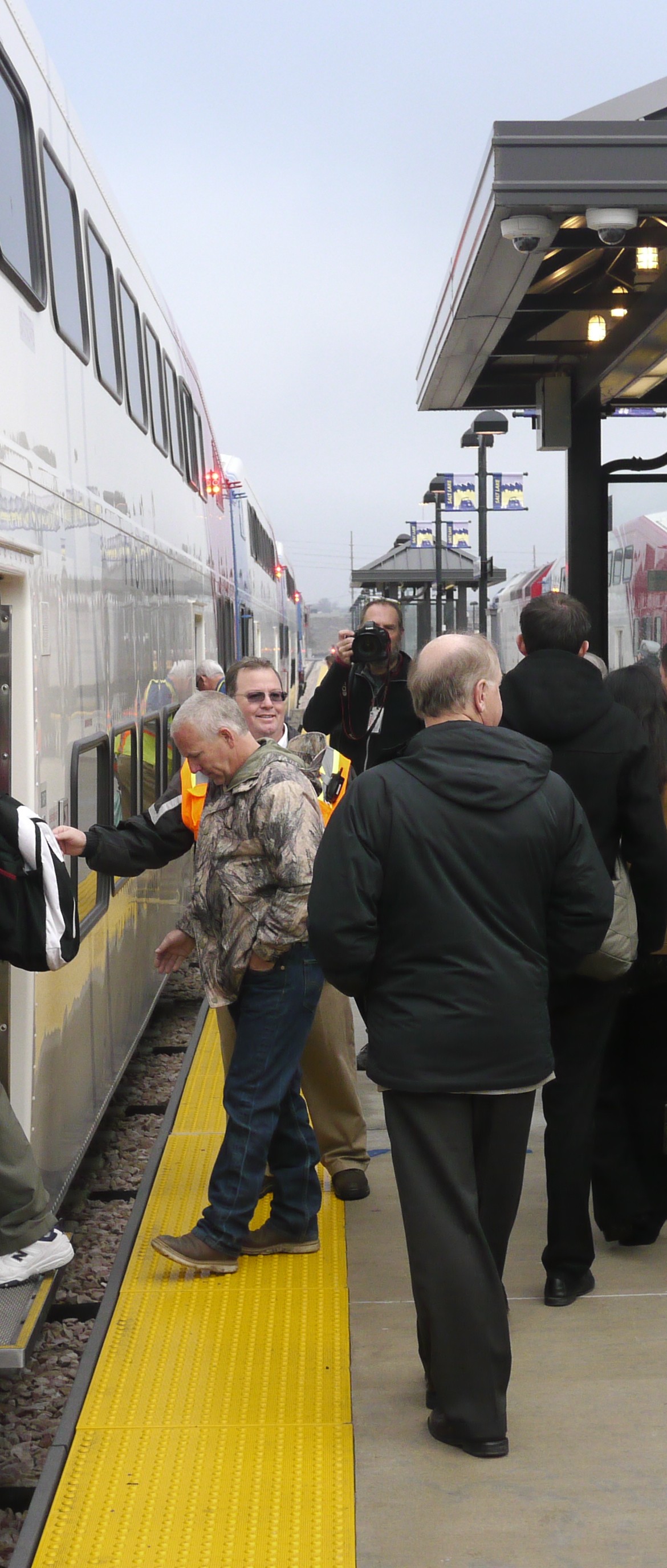
Passenger rail was one of the brightest spots in the new infrastructure bill, with $102 billion for passenger and freight rail projects through direct grants to Amtrak and competitive grant programs. Here’s what you need to know about this new money and the bill’s rail policy changes, and how they can be best used to expand and improve passenger rail service across the U.S.
Senate Commerce Committee proves that bipartisanship doesn’t have to equal terrible transportation policy
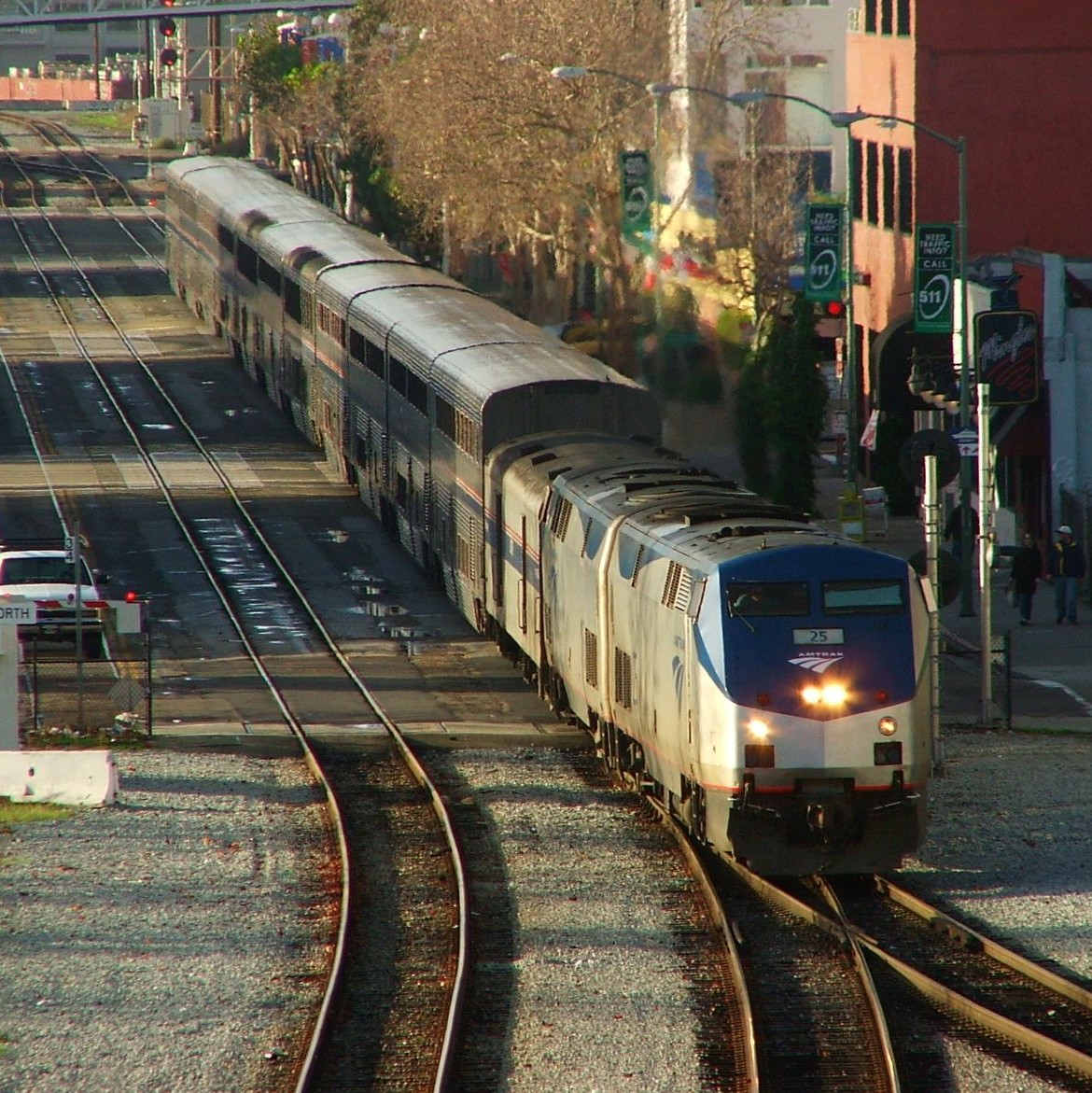
The Senate committee tasked with handling the rail portions of the larger transportation bill managed to produce a bipartisan bill that also makes the expansion of reliable, frequent rail service to more Americans a cornerstone of its approach.
Statement on Surface Transportation Board’s expanded capacity

A statement from Transportation for America chairman and former mayor of Meridian, MS, John Robert Smith, on the Surface Transportation Board (STB)’s recently expanded capacity:
Congress to pass billions in much-needed relief for public transit and Amtrak
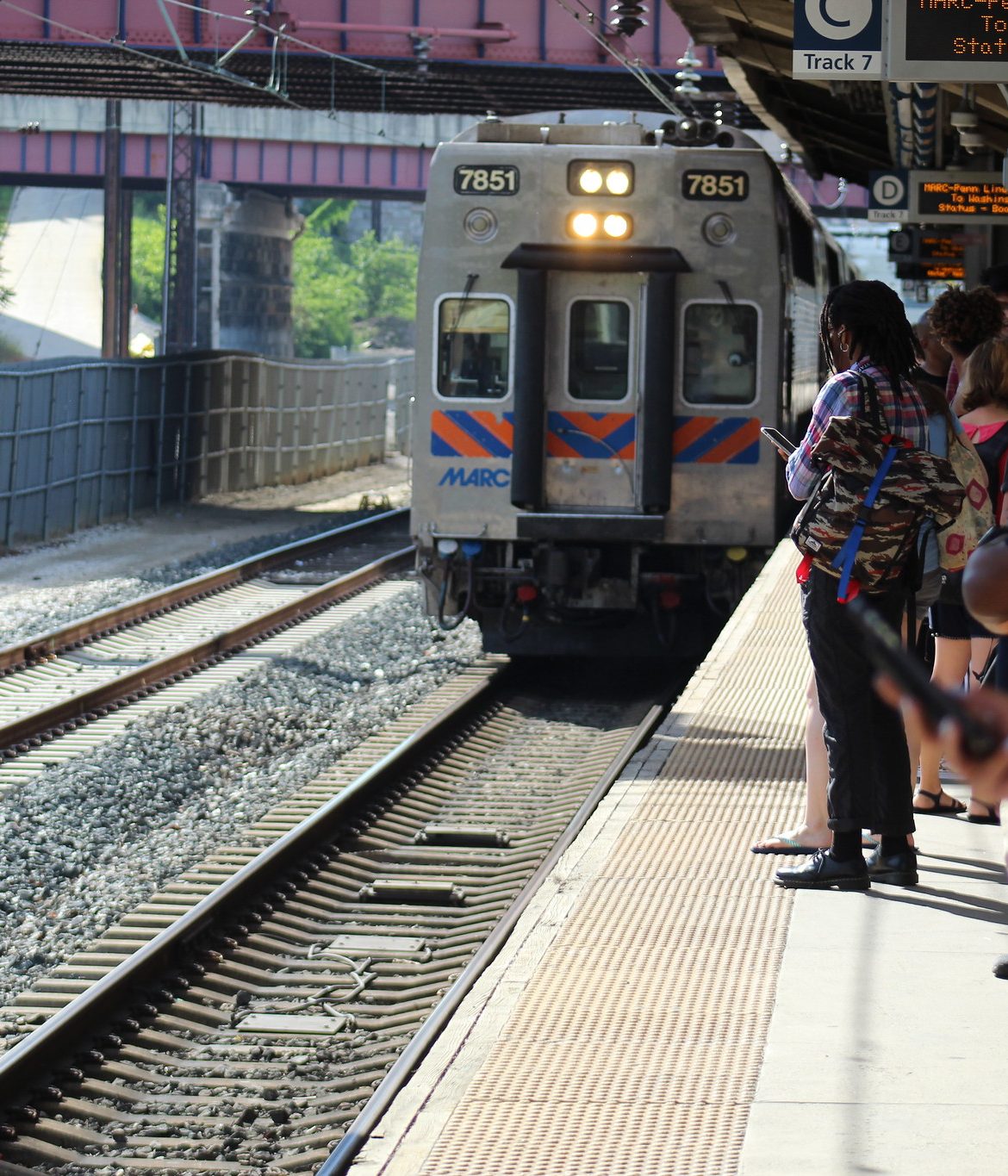
Today, Congress will take a big step towards recovering the United States’ essential public transit and passenger rail network from the pandemic with a $1.9 trillion stimulus package. The bill—soon to be voted on in the House and signed into law by President Biden—includes $30.5 billion in emergency relief for public transit and $1.7 billion for Amtrak.
Everything we liked (and didn’t like) at Buttigieg’s Transportation Secretary confirmation hearing
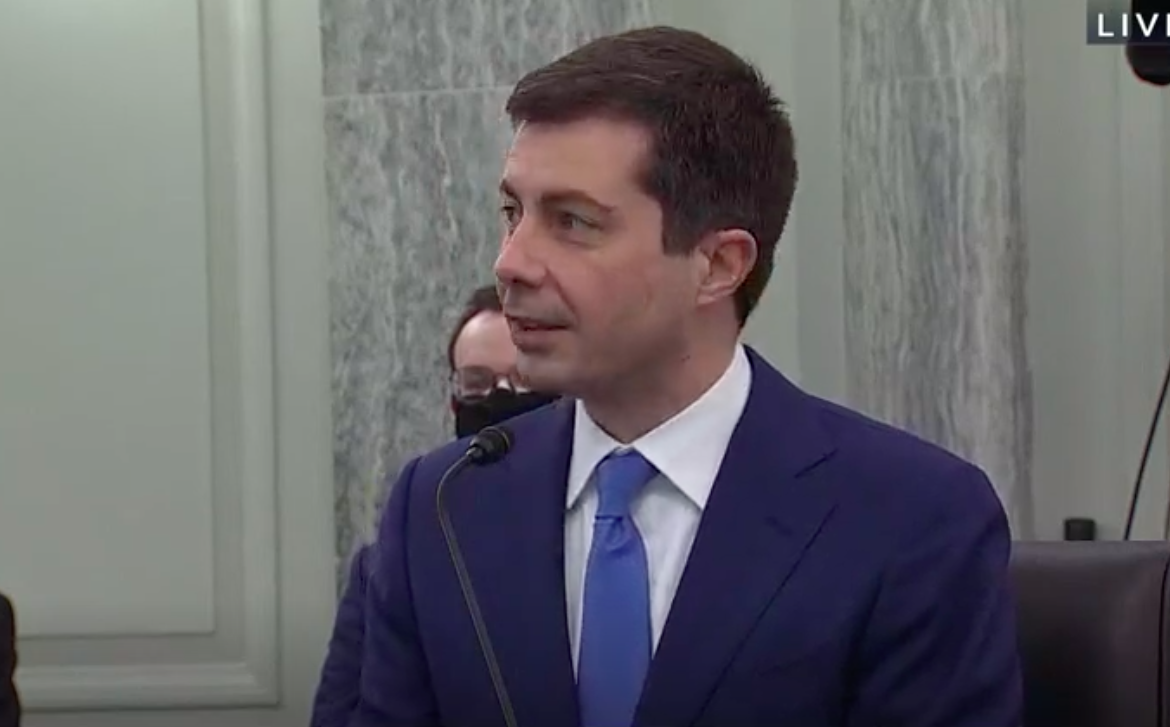
Last Thursday, former South Bend mayor Pete Buttigieg faced the Senate for questioning on his nomination to be Secretary of Transportation. We liked almost all of his answers, and we weren’t alone: Senator Tester said Buttigieg’s testimony was “refreshing.” Here’s what T4America liked and didn’t like from Buttigieg’s confirmation hearing.
RELEASE: The emergency funding for transit and Amtrak is good but not enough
Late Monday evening, Congress passed appropriations for fiscal year 2021 that included $908 billion in a supplemental COVID-19 relief package. Transportation for America and our partners the Alliance for a Just Society, NRDC, and U.S. PIRG released this statement:
How the Biden administration can make immediate strides on climate and racial equity

The spread of COVID-19 has sent the United States plummeting into an unprecedented national crisis, but it has also illuminated the path forward. Smart Growth America, along with some of our programs, identified immediate executive actions and long-term policy changes that the incoming Biden administration can implement to eliminate structural inequities and address catastrophic global climate change.
Will Congress hold Amtrak accountable for providing essential passenger rail service?
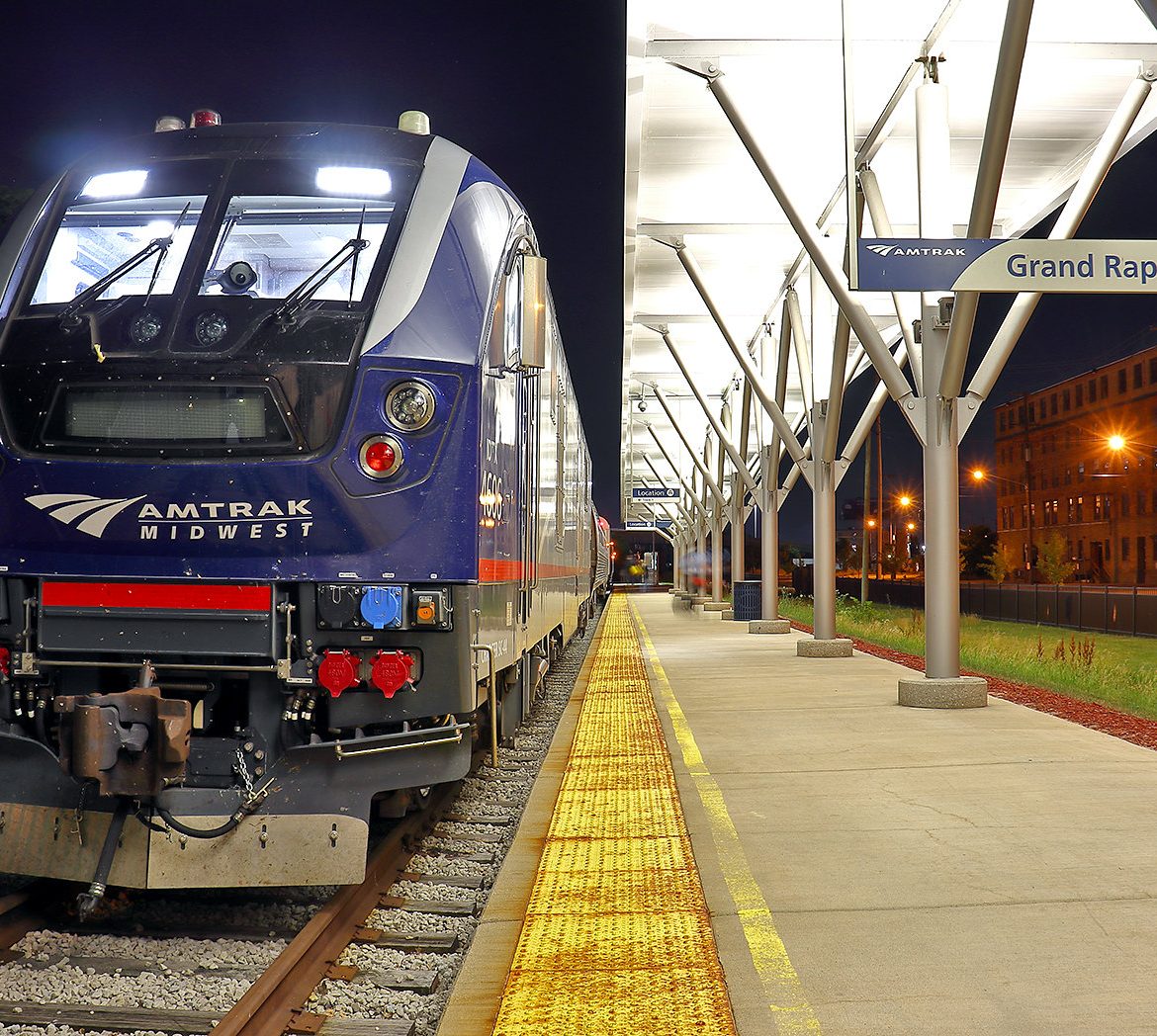
Communities large and small, urban and rural, are served by Amtrak’s national network of long distance routes, providing essential connections to jobs, services, and the broader economy. Amtrak is threatening to dramatically cut these services, severing essential connections despite clear directives from Congress.
T4America statement on Senate Republicans’ HEALS Act
Senate Republicans’ COVID-19 relief funding proposal contains no emergency funding for transit for passenger rail. T4America released this statement in response.
House builds on the FAST Act’s change to provide better and more balanced passenger rail service
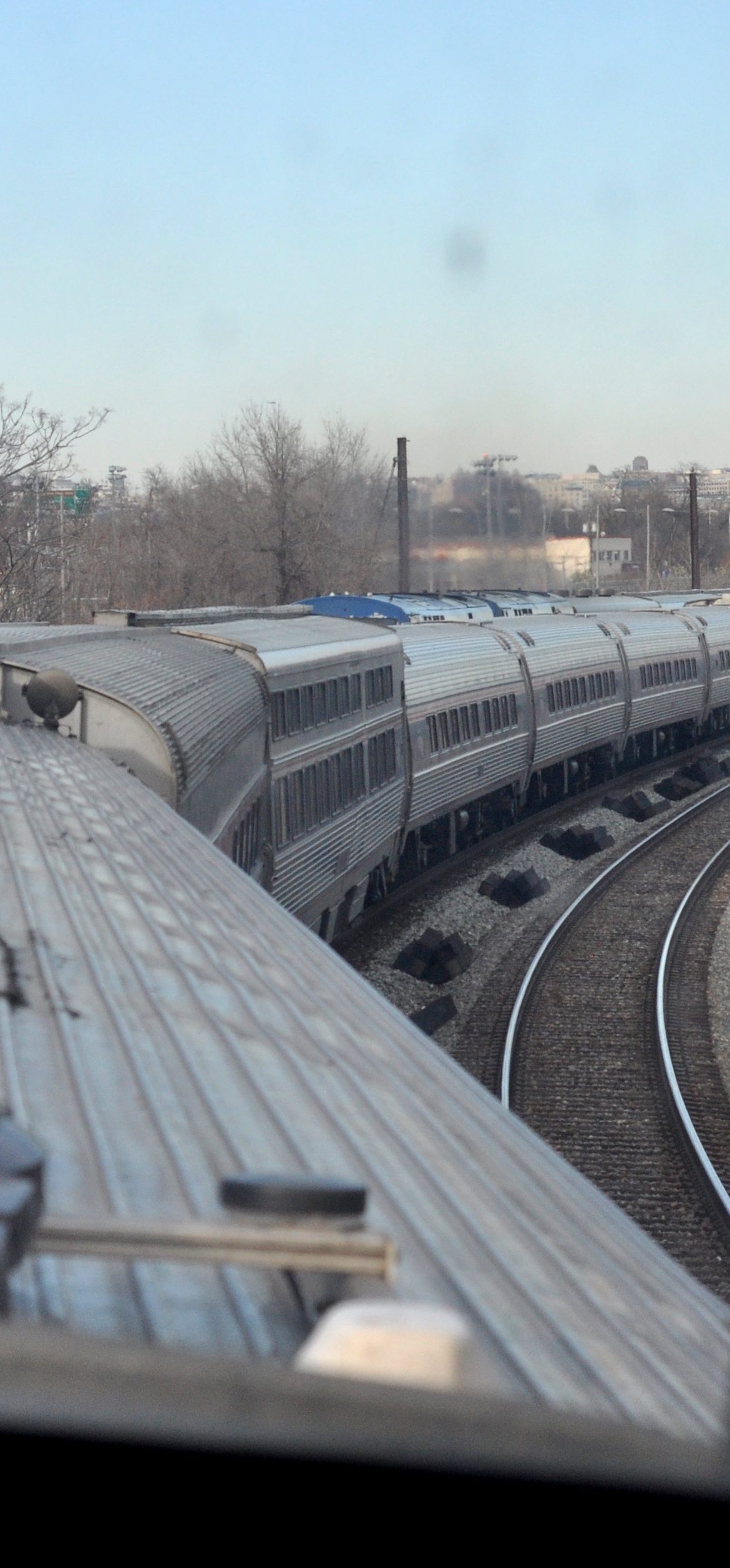
Expanding and improving our nation’s passenger rail network to bring better, more reliable passenger rail service to more people is one of the best ways to improve access for millions of Americans in big urban areas and small rural ones alike. The House transportation bill takes some important steps to balance passenger rail with the rest of our transportation investments. Here are the details.
Nine other important things to know about the House’s transportation bill

Last week the House Transportation and Infrastructure Committee released a multi-year transportation bill that starts to connect transportation spending to accomplishing measurable outcomes, including our three core principles. Here are seven other important other things to know about the House’s introductory effort to replace the FAST Act, which expires this December.
Building a better stimulus package: here’s how

With the $2 trillion rescue plan approved, Congress is already eyeing another COVID-19 relief and recovery package later this month. Based in part on what we learned from the 2009 stimulus, Transportation for America contributed infrastructure proposals to Smart Growth America’s detailed recommendations for economic stabilization and recovery. We must ensure that any further stimulus empowers communities to be economically prosperous, socially equitable, and environmentally sustainable.
Four years ago, Gulf Coast rail was a dream. Now it’s closer to reality thanks to the City of Mobile, AL
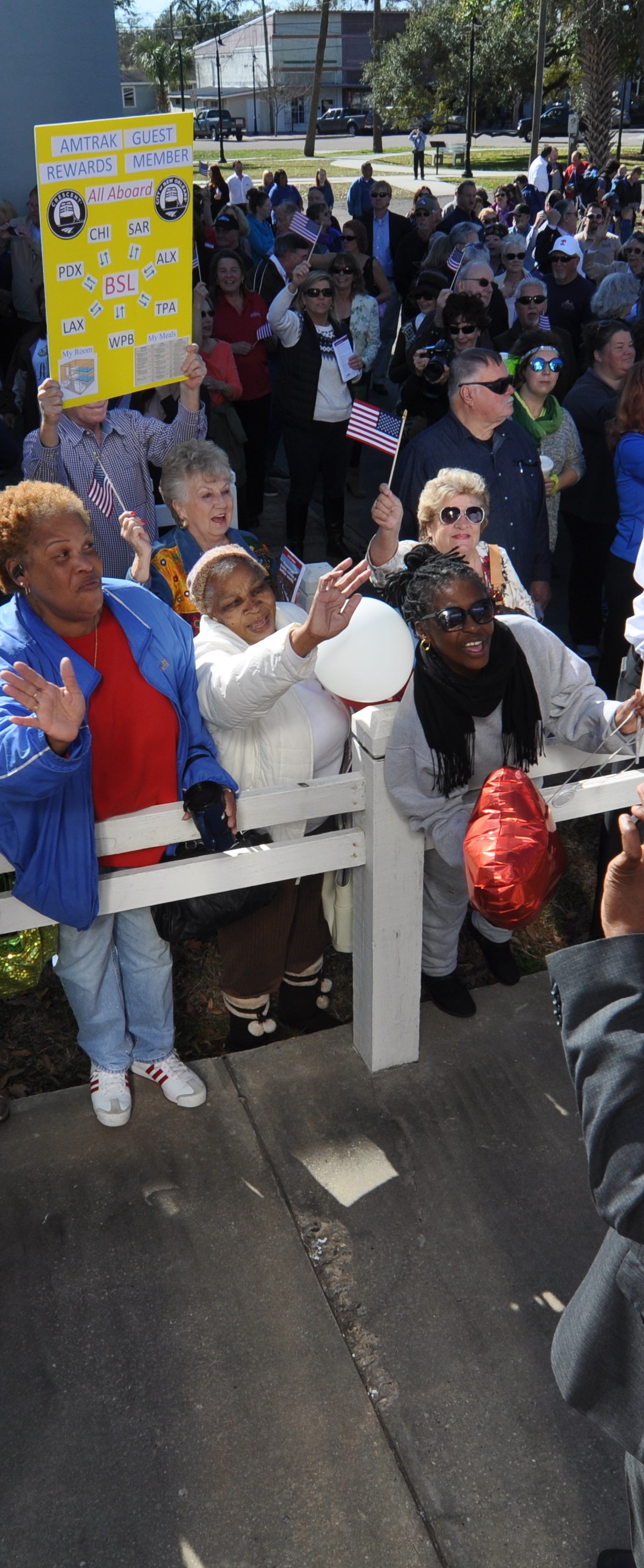
At long last, the City of Mobile, AL approved a resolution that brings passenger rail to New Orleans closer to fruition. The timing is fitting: February marked the fourth anniversary of the first passenger train to roll through the Gulf Coast since Hurricane Katrina. That was just a one-time ride, but not for much longer: In 2022, there will be four trains a day.
Our three principles
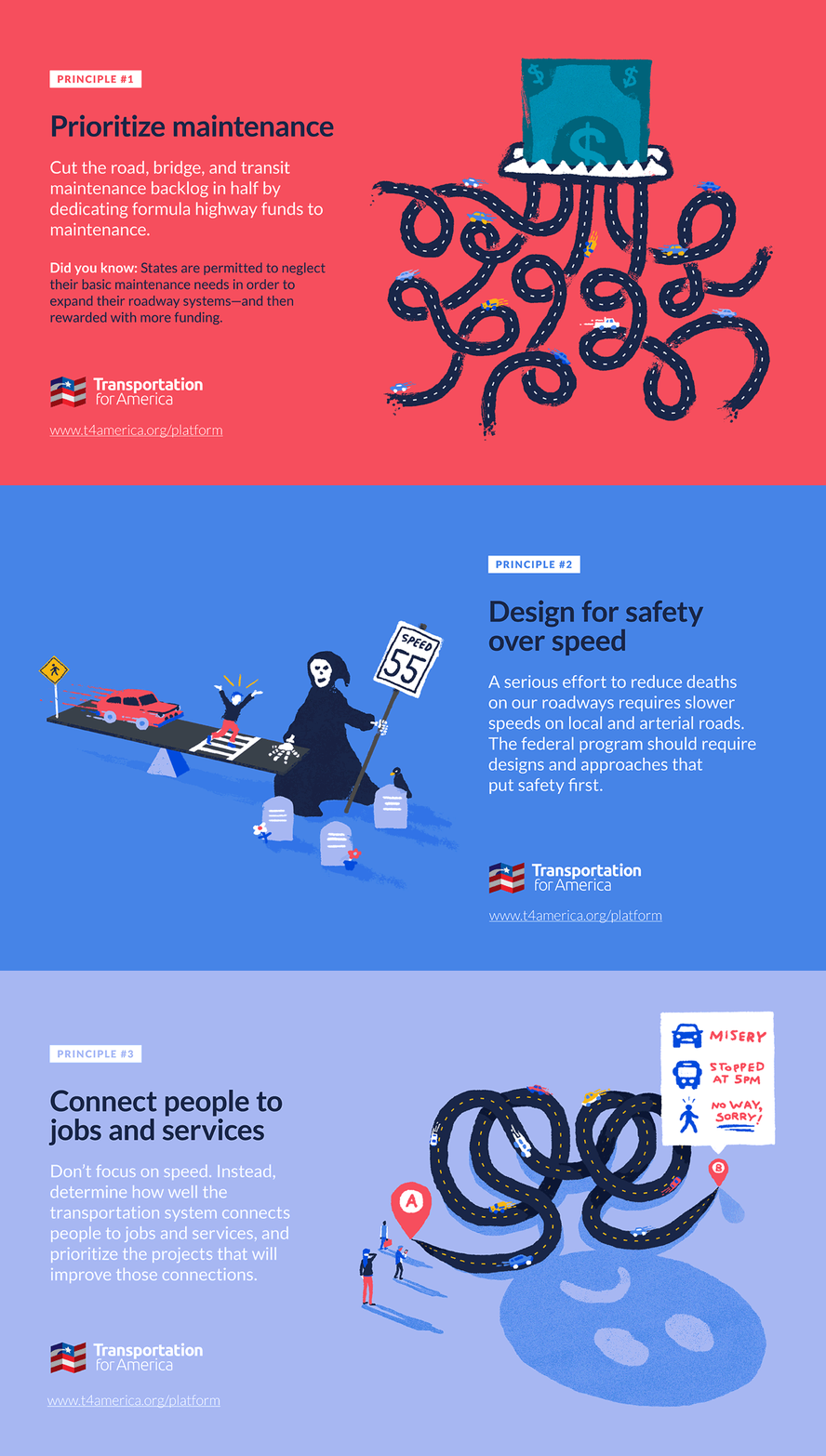
It’s past time to elevate the national conversation about infrastructure beyond just the price tag.
Learn more about our platformLatest From The Blog


There’s a climate cost to America’s freeways, and…
Apr 23rd, 2024


Progress for passenger rail in the South and…
Apr 10th, 2024

I cannot find the zoom link, I registered…
Jan 6th, 2024

A rare look behind the curtain of Transportation…
Jul 28th, 2023

In what Harrison Ford said was his most…
Jul 25th, 2023

Good example, walking to the local taco place…
Jul 24th, 2023