Posts Tagged "business"
Why the INVEST Act is good for climate and business

We can have it all: a federal transportation program that reduces carbon emissions while boosting our economy. The House of Representatives led the way last summer with the INVEST Act, a bill that starts the work of connecting federal funding to the transportation outcomes Americans—including our businesses—need. Here’s how.
Local business groups fight for public transit
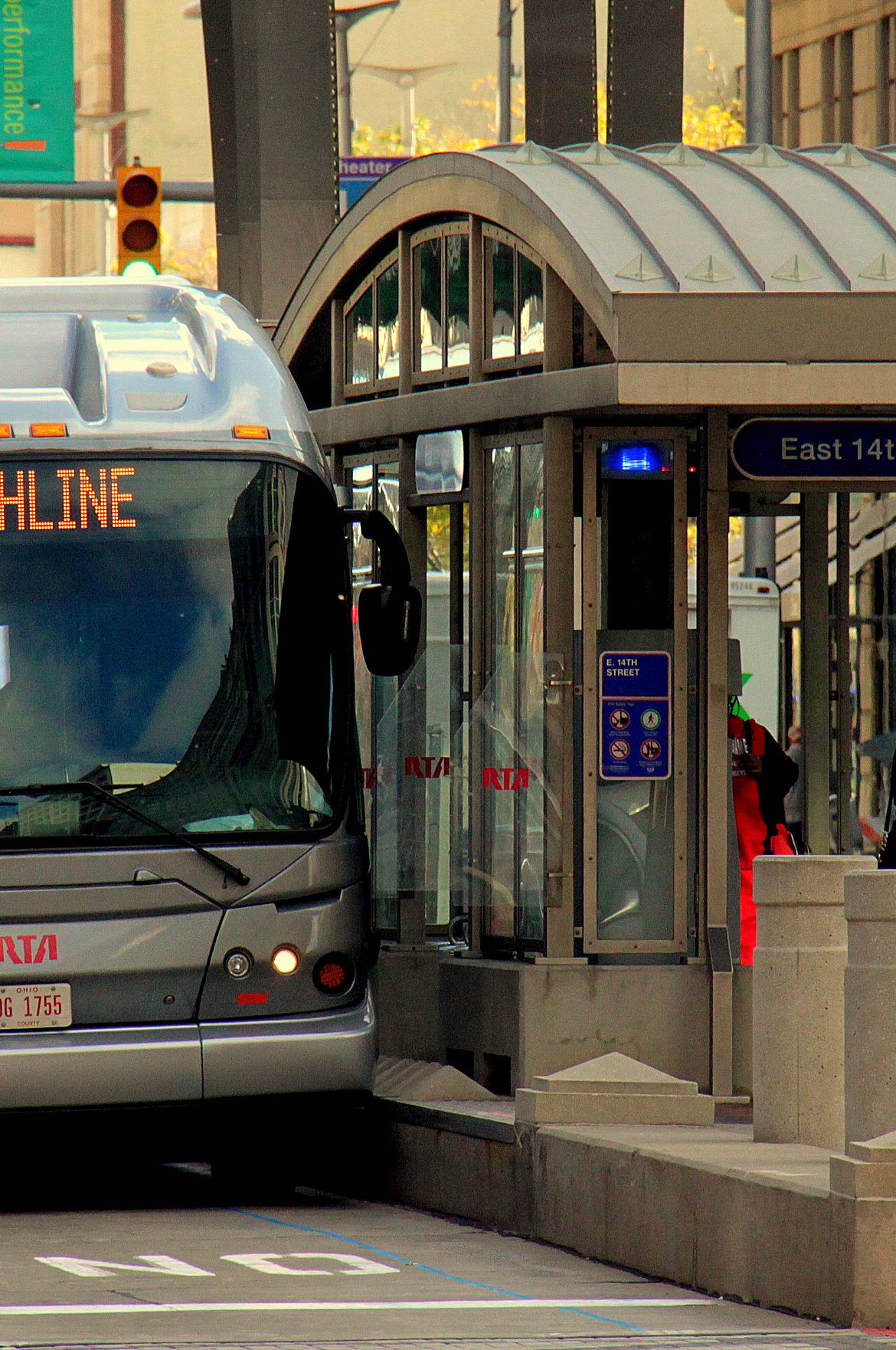
Twenty-five chambers of commerce and other organizations representing local business interests across the country have formed Chambers for Transit, a coalition facilitated by Transportation for America to fight for more federal support for transit.
State legislative stalemate jeopardizing millions in federal transit funding for Minneapolis rail project
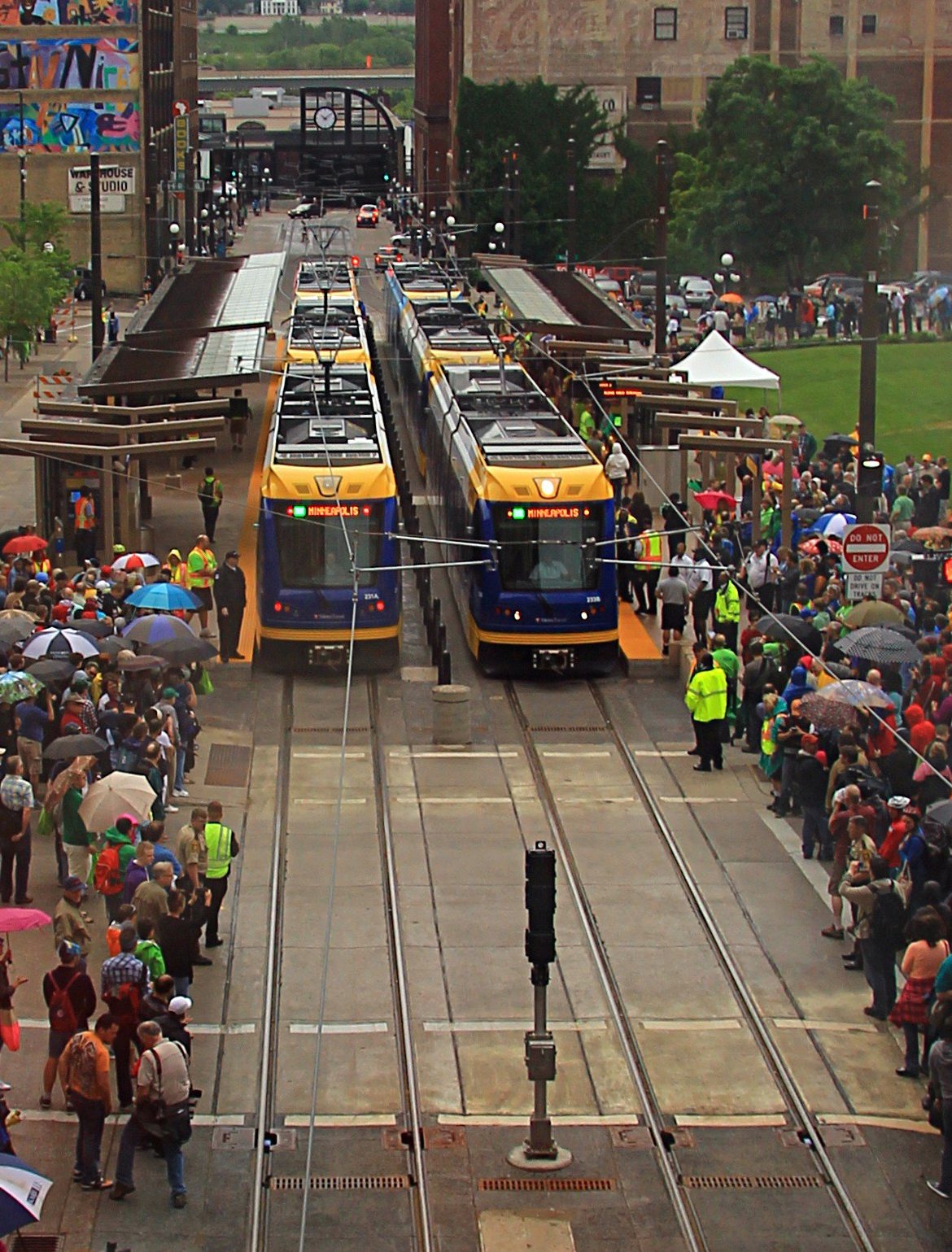
Business leaders and suburban mayors in the Twin Cities are pleading with state legislators not to throw away dedicated federal funding for a long-planned regional transit expansion by dropping the state’s financial commitment.
Seattle making smart decisions today to continue their city’s renaissance tomorrow

Downtown Seattle has become the hot place in the region for companies to locate as employment and growth has accelerated to new highs over the last decade, but limited space downtown could stymie job growth and economic potential if Seattle doesn’t think differently about transportation.
New Smart Growth America report details why so many companies are moving downtown
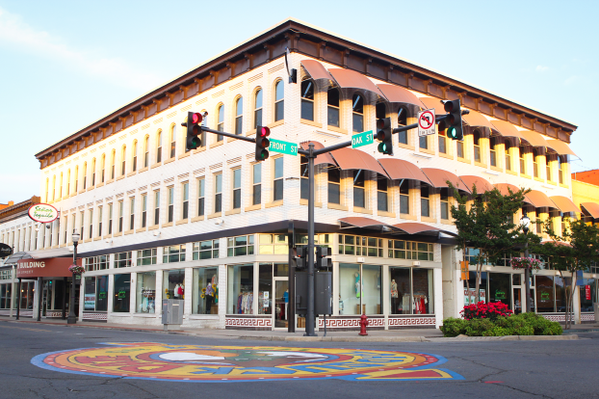
Launched at a terrific event at Washington, DC’s Newseum just this morning, Core Values, this first-of-its-kind report is stuffed with useful data on nearly 500 companies that have decided to either move from the suburbs to a downtown location, or that have decided to expand or open a new branch in a downtown core.
Local chambers from every state urge Congress to save transportation fund, improve it with smart policies

Adding a strong business voice to the call for a robust transportation program that helps build local economies, more than 260 regional chambers of commerce today sent a message to Congress to pass a long-term bill with smart reforms.
UPS chief and other business leaders urge Congress to pass a bill that helps both commuters and freight

An editorial from the head of one of the world’s most important freight companies — based in the city where we hosted a policy breakfast on the same issue two weeks ago — puts a bright line under the importance of Congress updating our country’s outmoded freight policy in the next federal transportation authorization.
Business Leaders Emphasize Economic Potential of a Renewed Vision for the Nation’s Transportation Program
Business and transportation industry leaders today joined Transportation for America for a briefing on Capitol Hill to underscore the potential of a reformed, multi-year transportation bill to boost the economy and create lasting jobs across the country. Business leaders from Siemens, IBM and the Silicon Valley Leadership Group, which represents more than 300 major companies in the Silicon Valley including Yahoo!, Microsoft and AT&T, highlighted the power of new and innovative policies to revolutionize the transportation sector, make our country more economically competitive for the 21st century and provide working Americans the affordable options they need to get to their jobs every day.
Cleaner buses can create jobs, improve the environment
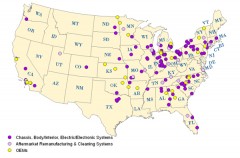 A new study by Duke University illuminates the fact that thousands of green jobs are waiting to be tapped in transit bus manufacturing — if the federal government will make a sustained commitment to investing in public transportation. Jobs in and related to public transportation are some of the lowest hanging fruit in the push for green jobs, so what’s keeping the domestic manufacturing industry from ramping up?
Bay Area business leaders push the Senate for clean transportation
 A top-flight organization (and T4 America partner) representing more than 300 elite Silicon Valley businesses from Apple to Yahoo! sent a letter last week to Senate Environment and Public Works Chairman Barbara Boxer, a California Democrat, urging her to make sure the Senate climate bill adequately invests in clean transportation alternatives to reduce emissions in their region while keeping it mobile and competitive.
Local regions serve as laboratories for transportation reform
A “comprehensive, but bottom-up approach to transportation” may sound like an oxymoron, but to a panel of regional planning experts on the frontlines of reform, it sounds a lot like common sense. Tuesday’s briefing, titled “Planning for a Better Future: Lessons from the States on Regional Sustainability Planning” featured experts from three regional laboratories on […]
Our three principles
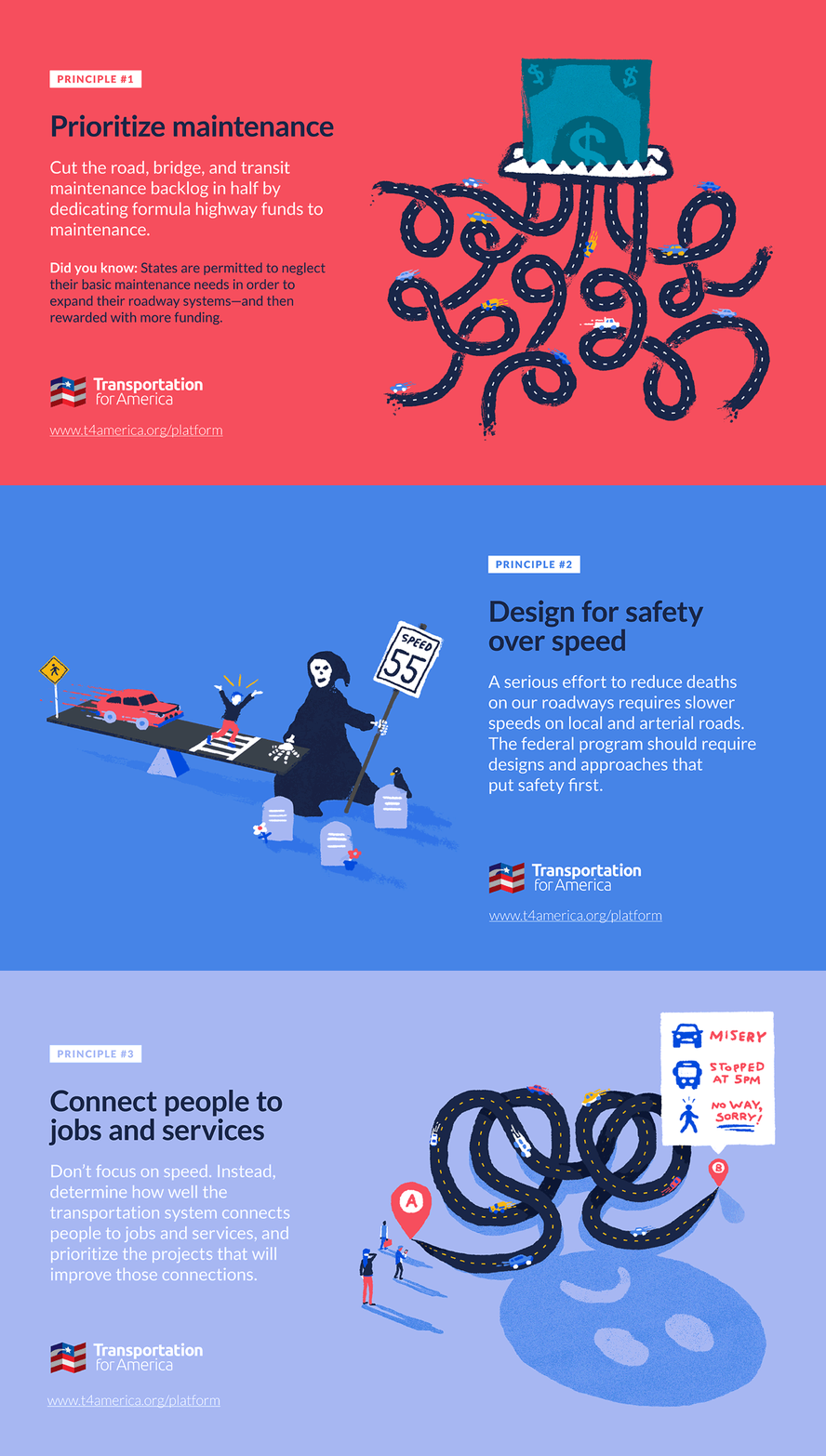
It’s past time to elevate the national conversation about infrastructure beyond just the price tag.
Learn more about our platformLatest From The Blog


There’s a climate cost to America’s freeways, and…
Apr 23rd, 2024


Progress for passenger rail in the South and…
Apr 10th, 2024

I cannot find the zoom link, I registered…
Jan 6th, 2024

A rare look behind the curtain of Transportation…
Jul 28th, 2023

In what Harrison Ford said was his most…
Jul 25th, 2023

Good example, walking to the local taco place…
Jul 24th, 2023