Posts Tagged "transit oriented development"
This is the podcast for transit lovers
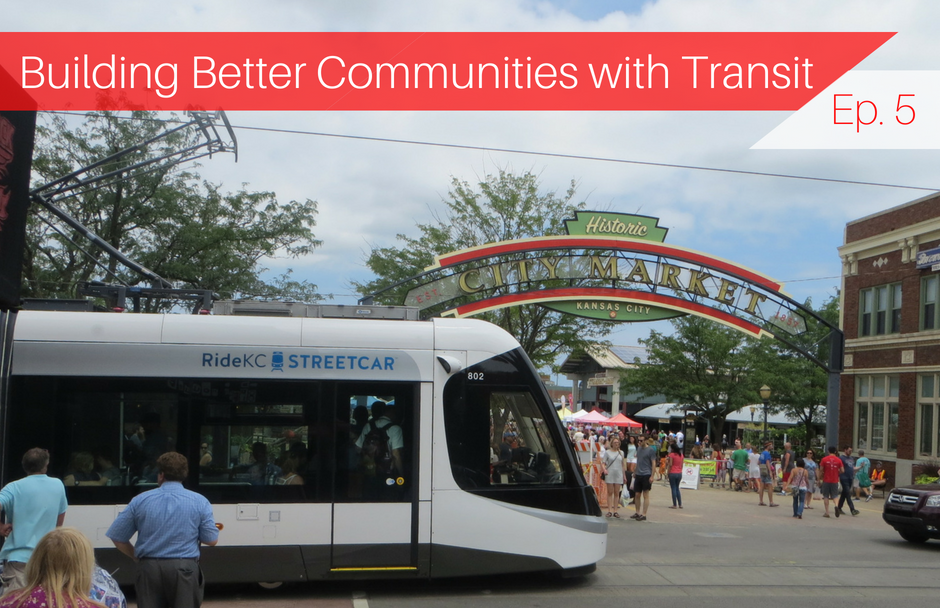
Cities across the country have been turning to transit-oriented development (TOD) as a way to build communities with greater opportunity for all of their residents. A new podcast from our Smart Growth America colleagues explores some great TOD projects around the country and the lessons that others have learned.
Decarbonize the city, a few blocks at a time
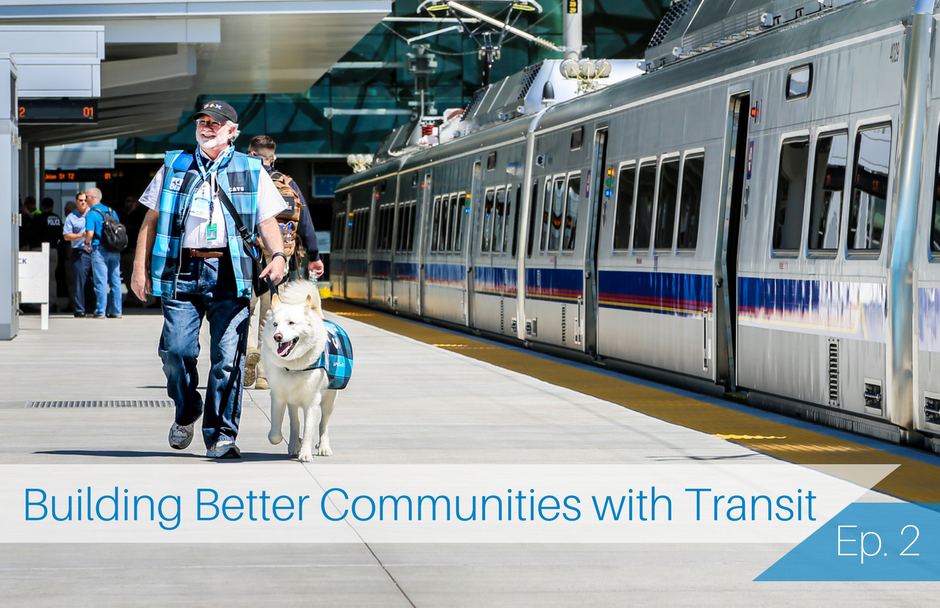
Today, we’re releasing the second episode of Building Better Communities with Transit: “Decarbonize the city, a few blocks at a time.” This month we explore a new smart city concept taking shape in Denver, CO: Peña Station Next.
Introducing a new monthly podcast all about transit and development

Last week, our colleagues at Smart Growth America launched Building Better Communities with Transit, a new podcast series at TODresources.org about transit-oriented development and how it improves communities across America.
An exciting time for bus rapid transit
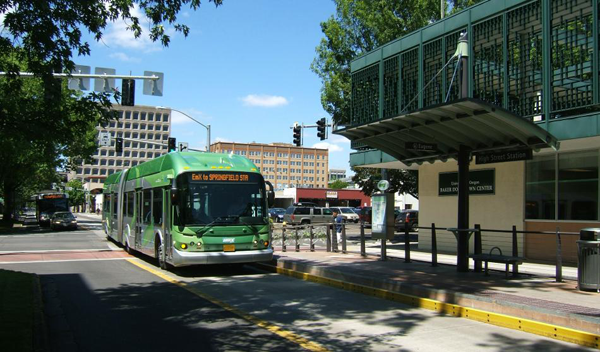
A new study found that BRT in Eugene, OR had a positive impact on the livability of the surrounding communities. (Photo credit: Lane Transit District) Investments in high-capacity public transit such as light rail and subways continue to demonstrate their ability to substantially increase property values along transit alignments. But can we say the same about […]
Introducing “Empty Spaces,” new research about parking requirements for transit-oriented developments
The oversupply of parking around transit — usually at the direction of outdated engineering guidelines — takes up valuable land, raises the cost of development, and misses key opportunities. This new research from Smart Growth America analyzes the amount of parking actually used in five transit-oriented development areas and how it compares to the guidelines that many planners, engineers or developers follow.
Introducing a new suite of resources to support transit-oriented development
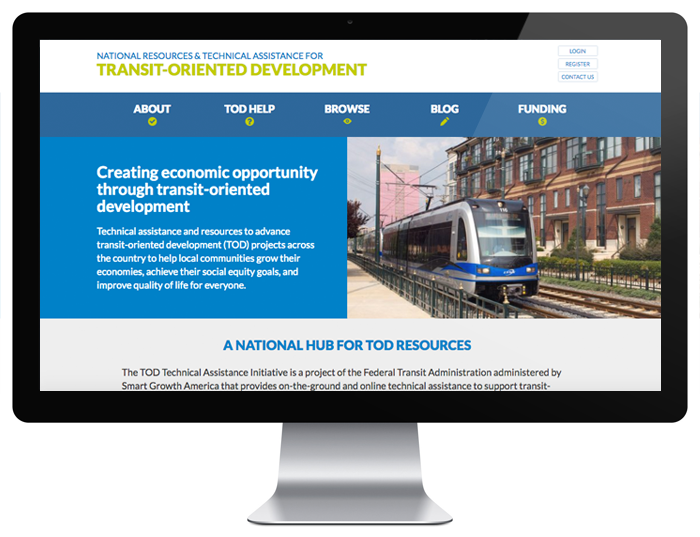
In December, Smart Growth America announced a new initiative to help communities across the country advance transit-oriented development (TOD) projects to grow their economies, achieve their social equity goals, and improve quality of life for everyone. As part of this initiative, yesterday SGA launched TODresources.org, an online hub for national information and ideas that will help users develop outstanding transit-oriented development projects.
Seattle making smart decisions today to continue their city’s renaissance tomorrow
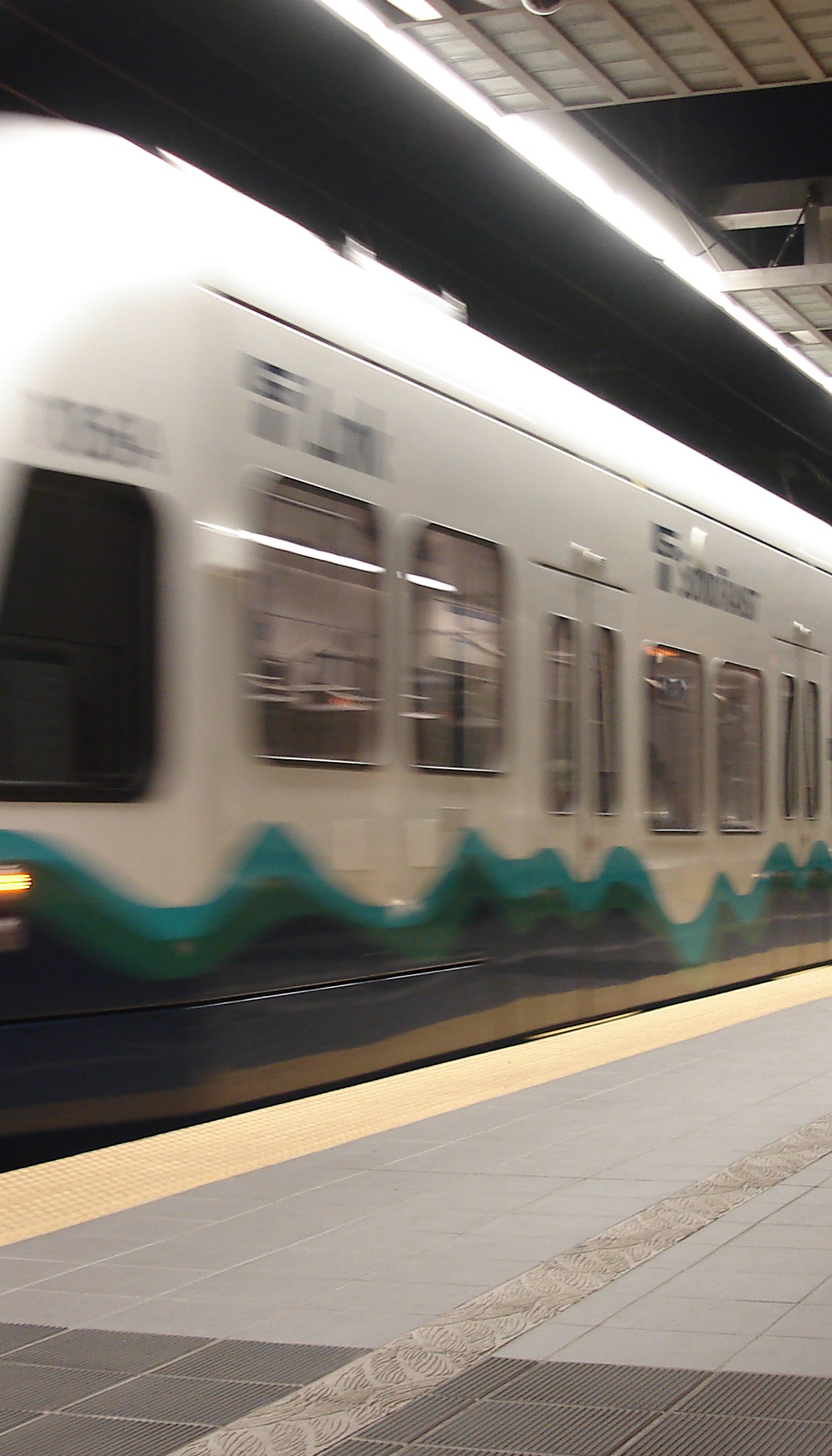
Downtown Seattle has become the hot place in the region for companies to locate as employment and growth has accelerated to new highs over the last decade, but limited space downtown could stymie job growth and economic potential if Seattle doesn’t think differently about transportation.
Pilot program to support smart planning around new transit lines will benefit 21 different cities
How can communities make the best use of land around transit lines and stops, efficiently locate jobs and housing near new transit stations, and boost ridership (increasing the amount of money gained back at the farebox along the way)? 21 communities today received a total of $19.5 million in federal grants from a new pilot program intended to do exactly that.
What we’re watching: Senate Commerce Committee to mark up six-year transportation bill today
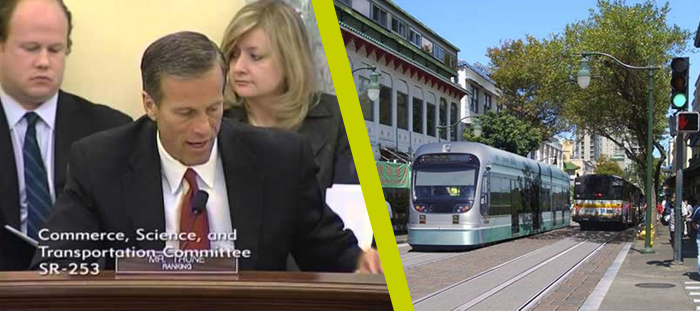
Later today (Wednesday) the Senate Committee on Commerce, Science, and Transportation is scheduled to mark up the Comprehensive Transportation and Consumer Protection Act of 2015 (S. 1732), a proposed six-year transportation reauthorization. As we’ve mentioned here before, the federal transportation bill has huge implications for development across the country. Here’s what we’ll be looking for during today’s proceedings.
The economic development potential of passenger rail for downtowns
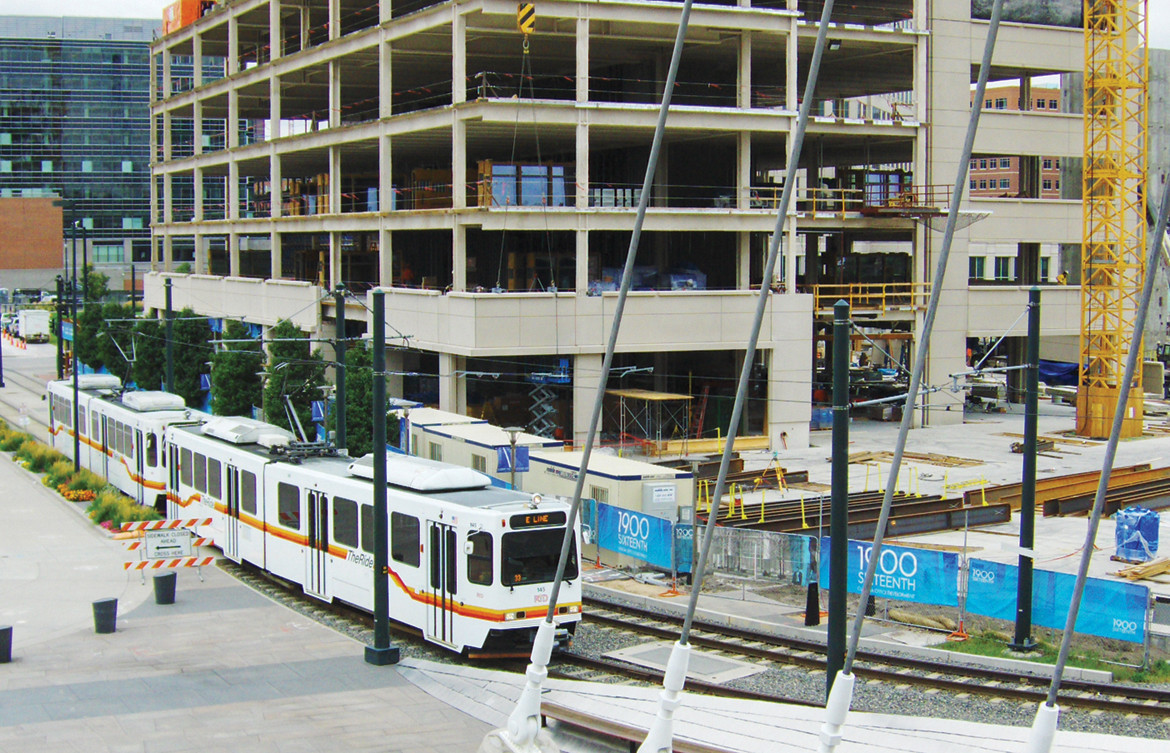
In a Next City piece, T4America board chair John Robert Smith discussed strong public investment in downtowns in smaller cities — especially those with passenger rail connections — as a smart way to signal to the market that the public sector is committed to downtown.
A new bill in Congress would create new financing option for transit-oriented development

Transit-oriented development (TOD) can make it easier for people to live and work near public transportation. These places are in high demand and real estate developers are eager to build them, but because they’re often complicated TOD projects can be difficult to secure financing for.
Helping interested communities make better use of land around transit lines and stops
A new pilot program from the Federal Transit Administration will help communities make better use of land around transit lines and stops. For those interested in applying, T4America recently pulled together several experts in a session to help them understand how to best take advantage.
New grant program to support smart development around transit lines is open for business
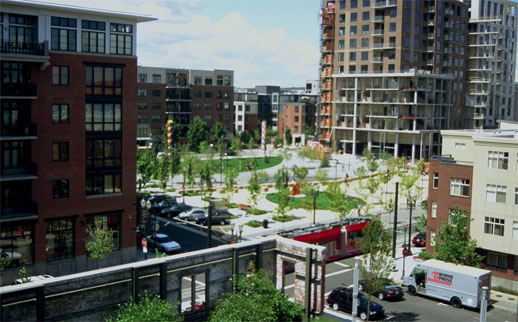
A program created in the 2012 transportation law to help communities plan for transit-oriented development is open for business — and T4America is ready to help your community win some of that grant funding.
A stirring persuasion for deciding to vote for transit: seeing it built next door
 One of the most powerful avenues for persuading a skeptical community to invest in transit is to see it successfully implemented nearby — whether in the community or neighborhood right next door, or a city and region a few hours away. This trend is illustrated in two of this year’s Transportation Vote 2012 ballot measures through two very different stories in Virginia and North Carolina.
Innovation and competition make the housing-transportation connection work
A map of the Chicago Transit Authority system. Note: a version of this post was also published on the National Journal’s Transportation Experts blog. This country is in desperate need of innovation. We are still mired in a recession triggered by a collapse in real estate that was driven in no small part by the […]
Feds announce change to consider livability in funding transit projects
 Following through on a policy change hinted at for much of 2009, Transportation Secretary Ray LaHood announced this morning that federal transit officials would begin considering expanded criteria as they select which transit projects to fund, focusing on livability and sustainability.
Webinar Wrap: Housing and Development
Our third webinar took place last week, and almost 300 people attended the session to hear from development experts on the connections between transportation policy, real estate development, and affordable housing.
Our three principles
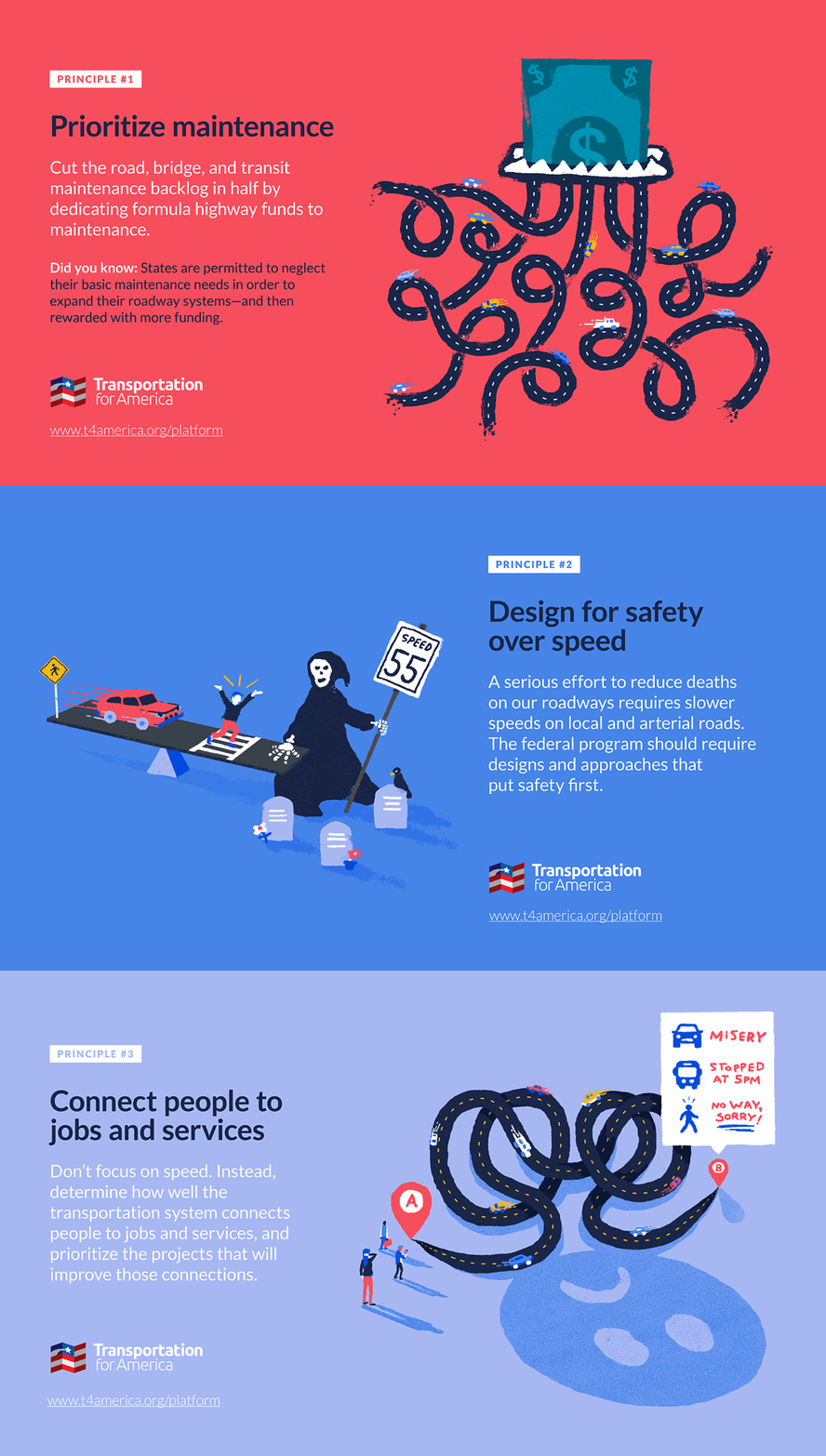
It’s past time to elevate the national conversation about infrastructure beyond just the price tag.
Learn more about our platformLatest From The Blog


There’s a climate cost to America’s freeways, and…
Apr 23rd, 2024


Progress for passenger rail in the South and…
Apr 10th, 2024

I cannot find the zoom link, I registered…
Jan 6th, 2024

A rare look behind the curtain of Transportation…
Jul 28th, 2023

In what Harrison Ford said was his most…
Jul 25th, 2023

Good example, walking to the local taco place…
Jul 24th, 2023