Posts Tagged "highway trust fund"
Stop funding transit like it’s 1982, Congress

Congress has suggested that they may focus on infrastructure in an upcoming stimulus bill. It’s not entirely clear what Congress will do—or if spending on infrastructure is the right way to stimulate the economy right now—but if Congress does want to pass an infrastructure package, they should stop spending money like it’s 1982.
Oregon DOT provides a wake up call for local leaders in other states

In a move that should raise alarm bells for local leaders in other states, last week the Oregon Department of Transportation decided where to spend nearly $200 million in new money from last year’s FAST Act on their road system with limited to zero public engagement.
Join us on Thursday for an inside look at transportation reauthorization in Congress
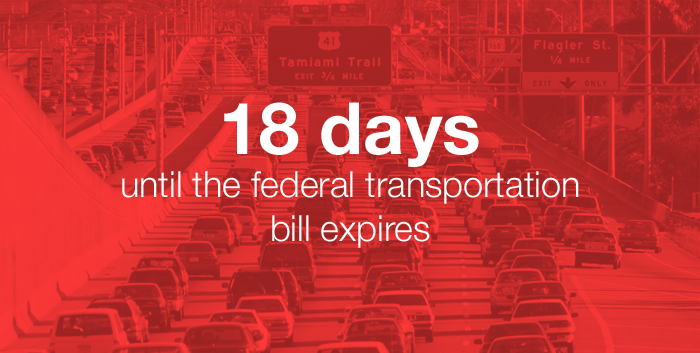
The current federal transportation bill will expire on July 31, 2015, with the nation’s transportation fund reaching insolvency near the same time. Join us Thursday for a public conversation about what’s likely to happen in Washington and what it all means for your community.
Congress kicks into high gear on transportation — let’s summarize the action
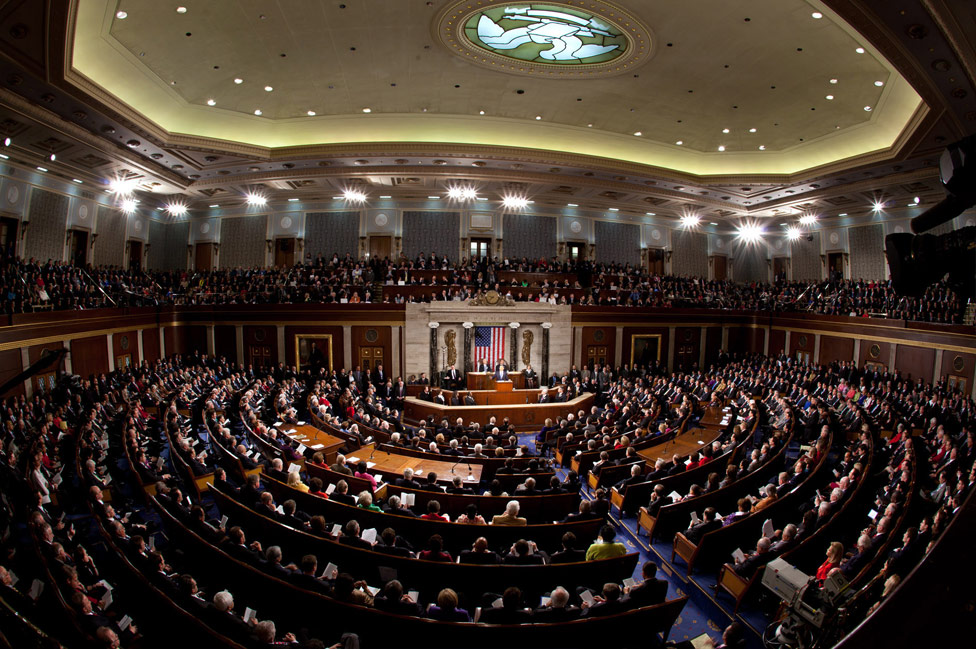
During an extremely busy week in the Senate in several key committees, a long-term transportation bill was introduced and approved, a bill to invest in and begin upgrading our nation’s passenger rail system was approved, Senate financiers continued discussing possible ways to keep our nation’s transportation fund afloat, and appropriators restored one cut to key transportation program made by the House — though not all, unfortunately.
House takes first step in process to keep the nation’s transportation fund solvent
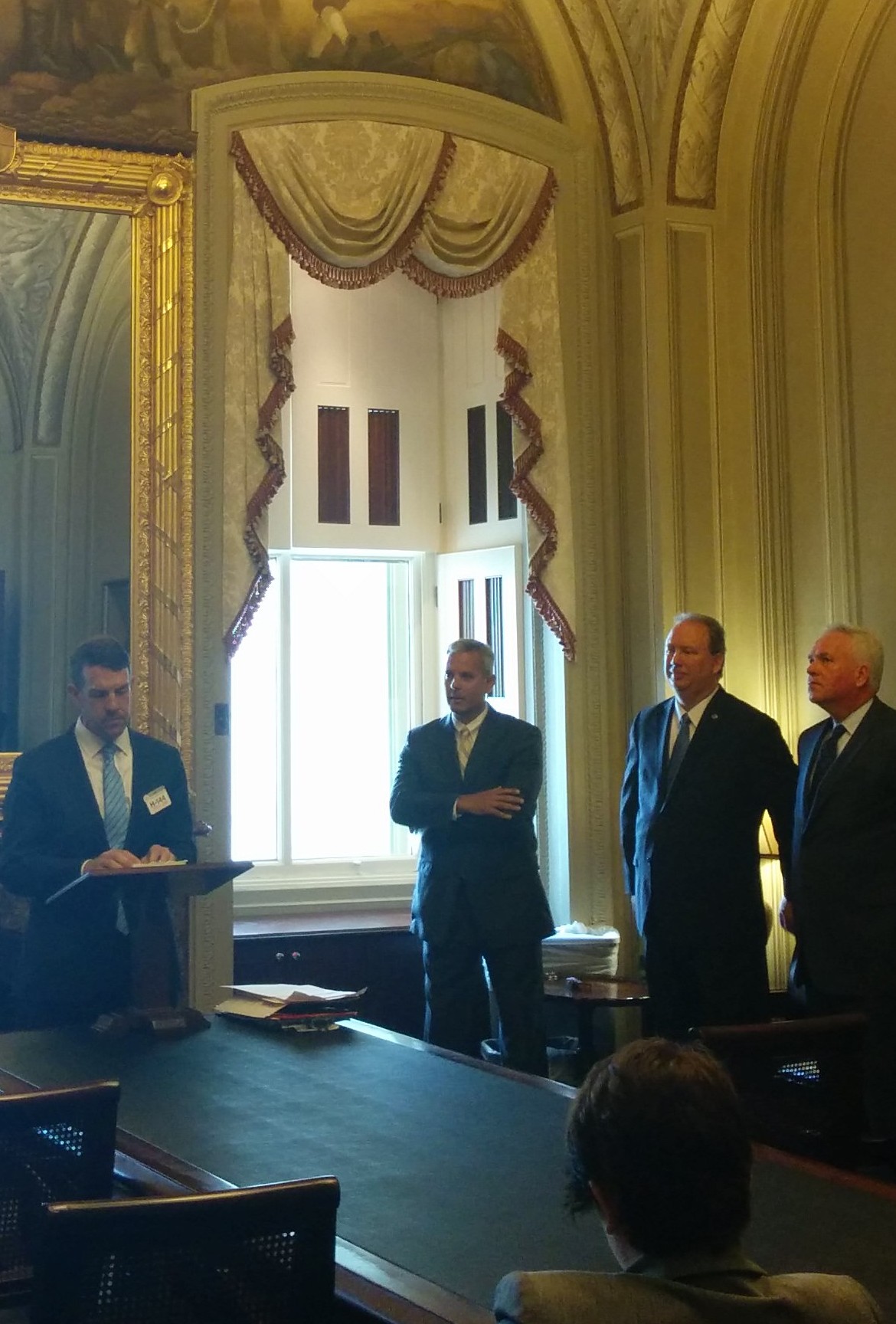
For the first time since 2012, the House of Representatives held a hearing focused on funding the nation’s transportation system. Today’s hearing focused on the elephant in the room: how to adequately fund a transportation bill that’s longer than just a few months. While it’s a relief to see the funding issue finally getting airtime in the House, keeping the nation’s transportation fund solvent is only half of the problem — we also need to update the broken federal program that isn’t meeting our country’s needs.
May 31st transportation funding deadline looming over lawmakers
We’re only three weeks away from the expiration of MAP-21, the transportation law of the land, and Congress still does not have a solid plan for renewing or extending it — or for keeping the nation’s transportation fund solvent past the first days of summer.
House proposes cuts to TIGER and transit construction, stable funding for other programs for fiscal 2016
The House Appropriations Committee introduced a Transportation, Housing and Urban Development (T-HUD) bill for fiscal 2016 that, as in years past, features heavy cuts to TIGER, New Starts and Amtrak.
‘Speak up for transportation’: Analyses show the devastating impact of federal cuts
Congress has seen various proposals floated to scale back federal investment in transportation, from cutting out transit funding to ending the federal gasoline tax and shifting full responsibility to the states. We decided to take a look at what that latter move would mean for taxpayers, who would have to make up the difference in each state or accept multi-million dollar decreases in funding and deteriorating conditions on an annual basis.
As transit becomes ‘must-have economic development tool,’ will Congress help?
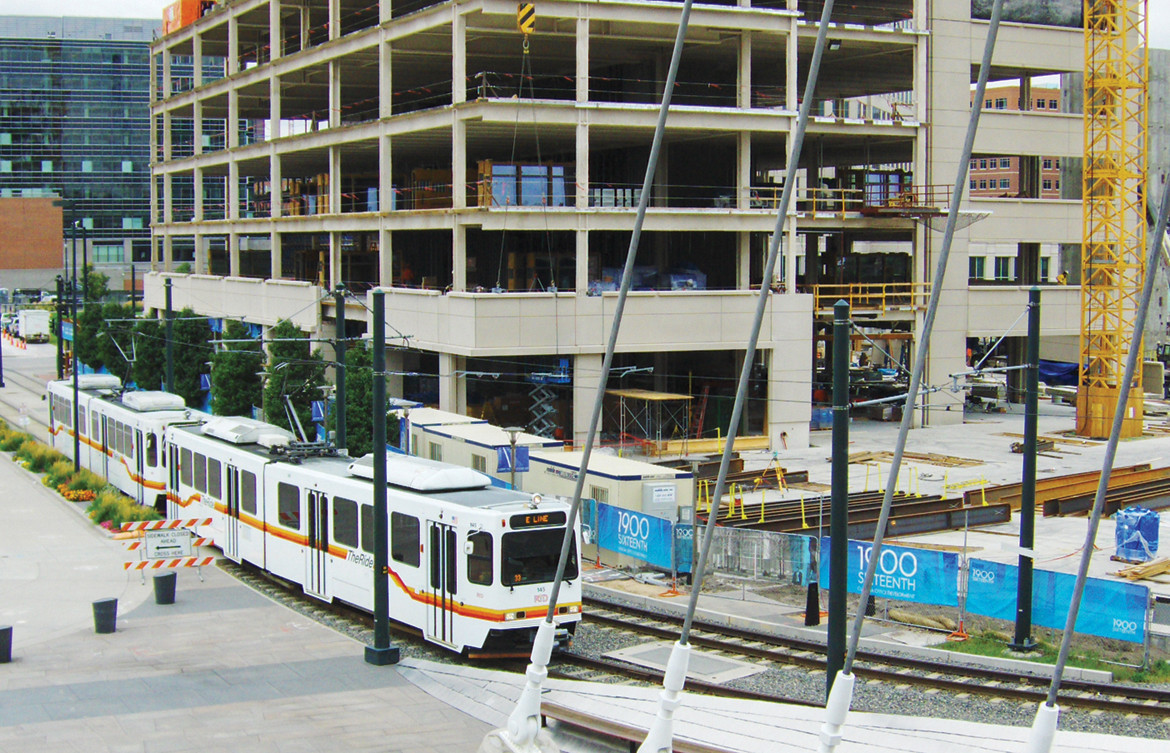
An excellent piece in the Washington Post this morning caught up to the topic we have been raising here for some time: Good transit service and walkable locations with nearby places to live, eat and shop are essential for economic development in today’s world. Which makes us wonder: Is Congress listening?
GOP Rep. Petri joins bill to raise the federal gas tax

The Highway Trust Fund, our nation’s key infrastructure funding source, has been teetering on the edge of insolvency for the past few years, with legislators from both parties unable to secure a long term funding source.
Budget battles leave a cloud over transportation funding as lame duck session looms

Same story, different year. Once again, we’re nearing the beginning of a new (fiscal) year on October 1, and Congress has failed to pass a budget to fund the government for the upcoming year. Even if Congress passes a temporary budget to avert a shutdown —which is looking likely — important transportation programs could still be put on hold on until Congress passes a full budget.
Congress postpones insolvency, but uncertainty still plagues the Highway Trust Fund’s future

The last-minute patch to the Highway Trust Fund that Congress enacted on the way out the door last week delayed immediate insolvency, but it hardly ends the uncertainty for states or addresses our nation’s long-term prospects.
T4America statement in response to Senate adoption of stopgap to avoid Highway Trust Fund insolvency

The Senate today approved a House-passed measure to transfer $10.8 billion from the general fund to cover the looming shortfall in the Highway Trust Fund until next spring. The stopgap bill, which now heads to President Obama’s desk, comes one day before a deadline to avoid significant funding cuts during the height of construction season. James Corless, director of Transportation for America, issued this statement in response:
Senate passes plan to postpone transportation insolvency to the end of the year, sends it to House
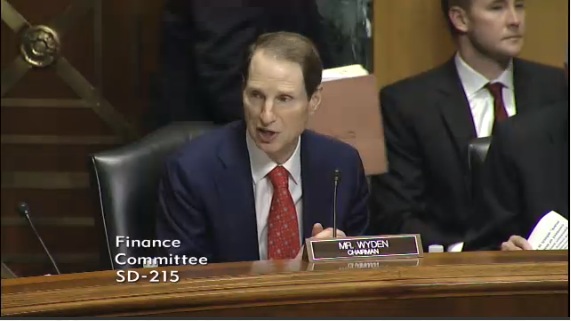
Late Tuesday evening, the Senate modified and approved a measure transferring about $8 billion from the general fund to keep the Highway Trust Fund solvent until the end of the year. But because two amendments were made, it’ll return to the House for further action before any final deal can be approved on postponing insolvency of the nation’s transportation program. The House will have to act fast: the long August recess is scheduled to begin in just three days.
Senate poised to take up House plan to patch Highway Trust Fund until Spring 2015
Sometime this week the Senate is expected to take up and vote on the House’s bill to postpone the insolvency of the Highway Trust Fund until May of 2015 via an array of accounting maneuvers to cover ten months of transportation funding.
Senate, House committees approve short-term rescue of trust fund; long-term solution still needed

The Senate Finance and House Ways and Means committees today each passed similar short-term patches to keep the Highway Trust Fund in the black at least through early 2015. If adopted by the full House and Senate, the move to transfer $10.8 billion to the trust fund will avert immediate disaster, but there’s still heavy work needed to find a long-term funding solution.
House proposes a trust fund Band-aid through May, 2015, with key differences from Senate
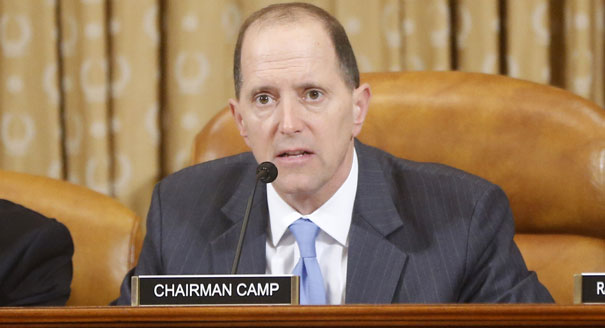
A House proposal to shore up the transportation trust fund through May, 2015, is a good news, not-so-good news proposition. Late yesterday, House Ways and Means Chairman Dave Camp (R-MI) proposed a $10.8 billion infusion to cover a looming deficit in the Highway Trust Fund. The money for the next few months would come mostly […]
On C-SPAN, T4A’s Beth Osborne finds agreement with Heritage on HTF, walkability
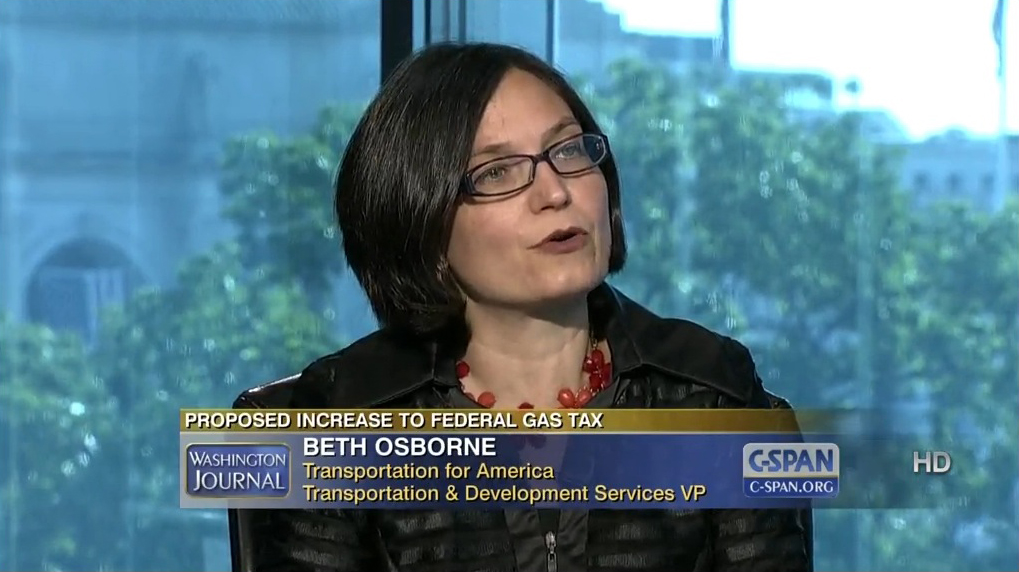
Our compatriot Beth Osborne engaged in a spirited discussion on gas taxes and the crashing highway trust fund this morning on C-Span’s Washington Journal this morning. Watch the video here.
A broke Highway Trust Fund means job losses equal to Denver’s population, President Obama warns

Speaking today at the Key Bridge in Washington, DC, President Obama called on Congress to save the Highway Trust Fund from its pending insolvency, and to adopt a long-term transportation bill on the scale of his proposed four-year, $302 billion program. [Full text here.] In doing so, he retraced the bipartisan history of transportation funding […]
Attempts for bipartisanship slow down Senate Finance plan for short-term trust fund fix

The Senate Finance Committee plan to rescue the nation’s transportation fund through the end of the year took a slight detour today as Chairman Wyden (D-OR) made some key changes and deferred debate on potentially contentious amendments in the name of trying to reach bipartisan agreement.
Our three principles

It’s past time to elevate the national conversation about infrastructure beyond just the price tag.
Learn more about our platformLatest From The Blog


There’s a climate cost to America’s freeways, and…
Apr 23rd, 2024


Progress for passenger rail in the South and…
Apr 10th, 2024

I cannot find the zoom link, I registered…
Jan 6th, 2024

A rare look behind the curtain of Transportation…
Jul 28th, 2023

In what Harrison Ford said was his most…
Jul 25th, 2023

Good example, walking to the local taco place…
Jul 24th, 2023