Posts Tagged "dangerous by design"
VIDEO: Pedestrian fatalities continue to rise. Here’s why.
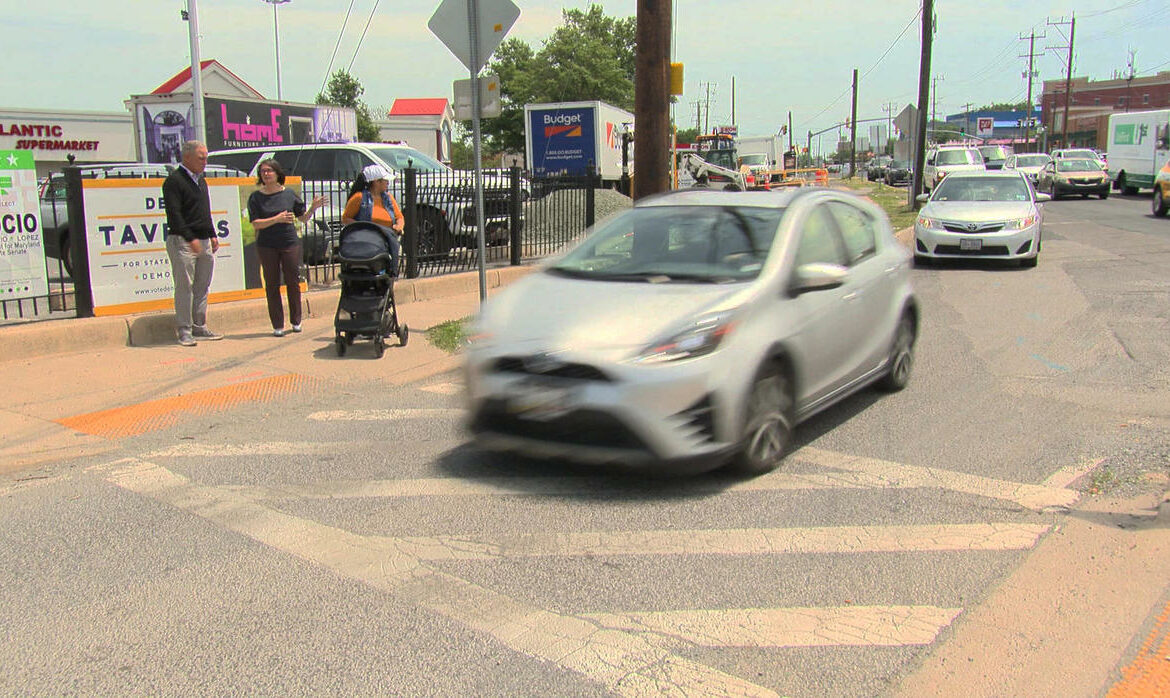
In a conversation with CBS Sunday Morning, T4A’s executive director Beth Osborne explains that our roads are dangerous by design.
A decade of prioritizing speed over safety has led to 62 percent more deaths
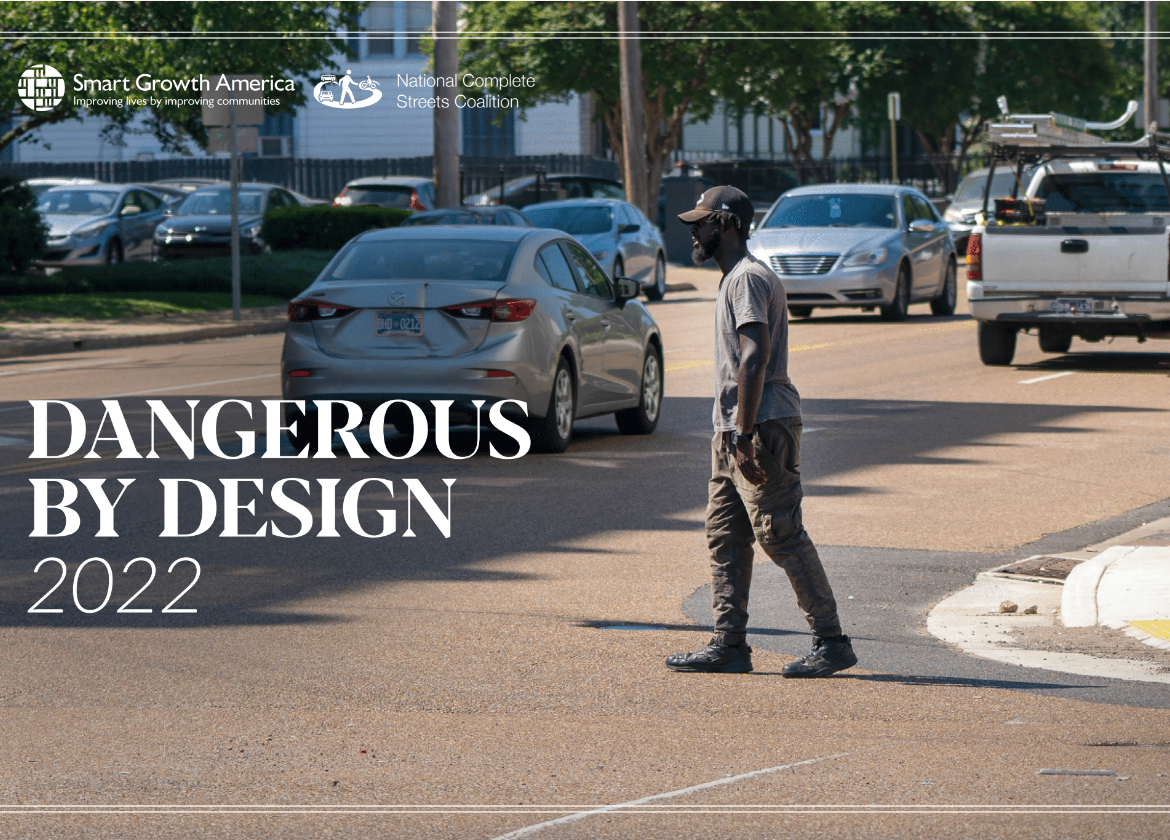
Smart Growth America’s new report Dangerous by Design 2022 uses more data than ever to understand how design impacts travel behavior. The findings confirm what we’ve always known: it’s impossible to prioritize both safety and keeping cars moving quickly.
Vision Zero won’t happen without Safe Streets for All
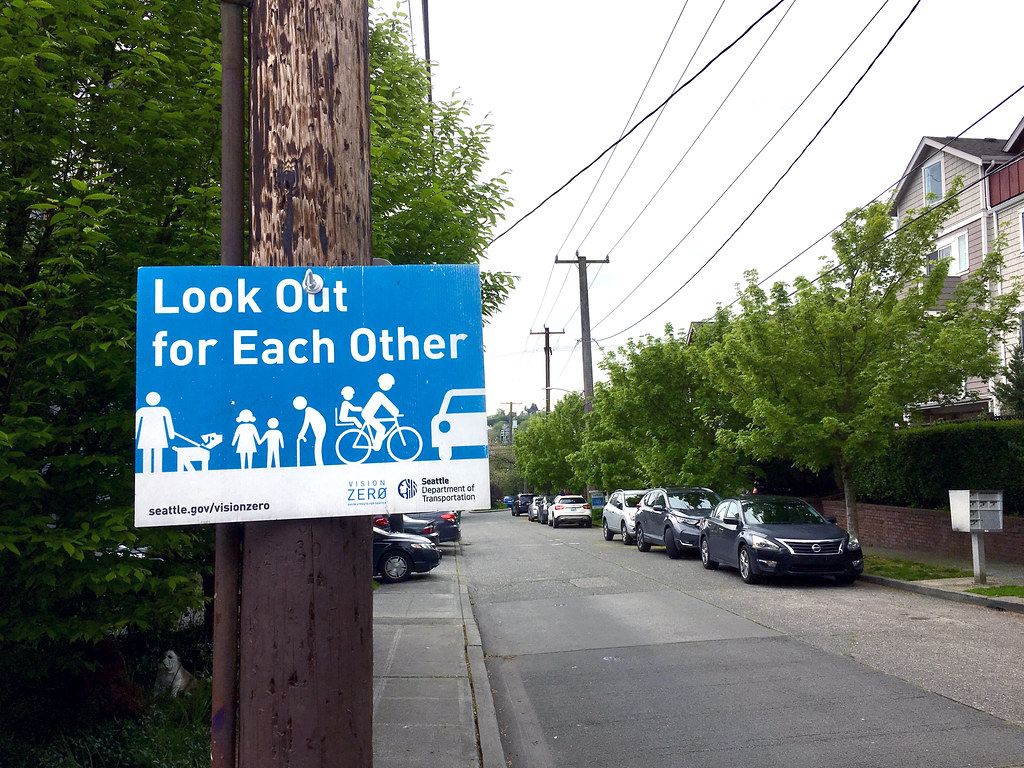
The infrastructure law created a new grant program to help communities tackle the increasing rate of roadway deaths. The Safe Streets and Roads for All program allows localities to take direct steps to improve safety for all roadway users, whether they’re setting up a Vision Zero plan or actually planning, designing, and constructing street safety improvements. Funding is available now.
Month of Action Week 2: Tackling our deadly streets
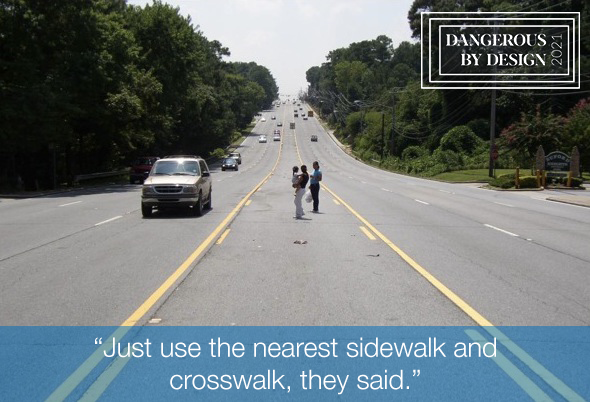
With Congress writing long-term transportation policy this month, we need to make sure that this bill doesn’t continue the broken status quo. This week, we need you to take action to support the Complete Streets Act.
Safety over speed week: The key to slowing traffic is street design, not speed limits
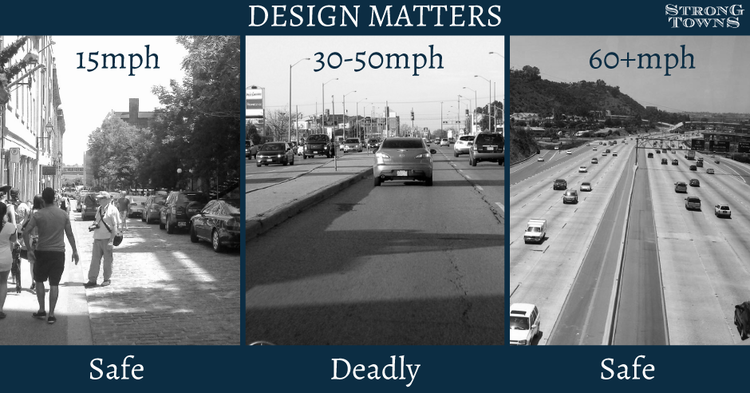
Today, as “safety over speed” week continues, we’re running a guest post from our friends at Strong Towns that uses some simple pictures to explain how street design is a far more powerful tool for slowing down traffic and prioritizing safety compared to the strategy of lowering speed limits.
Safety over speed week: Slip lanes would never exist if we prioritized safety over speed
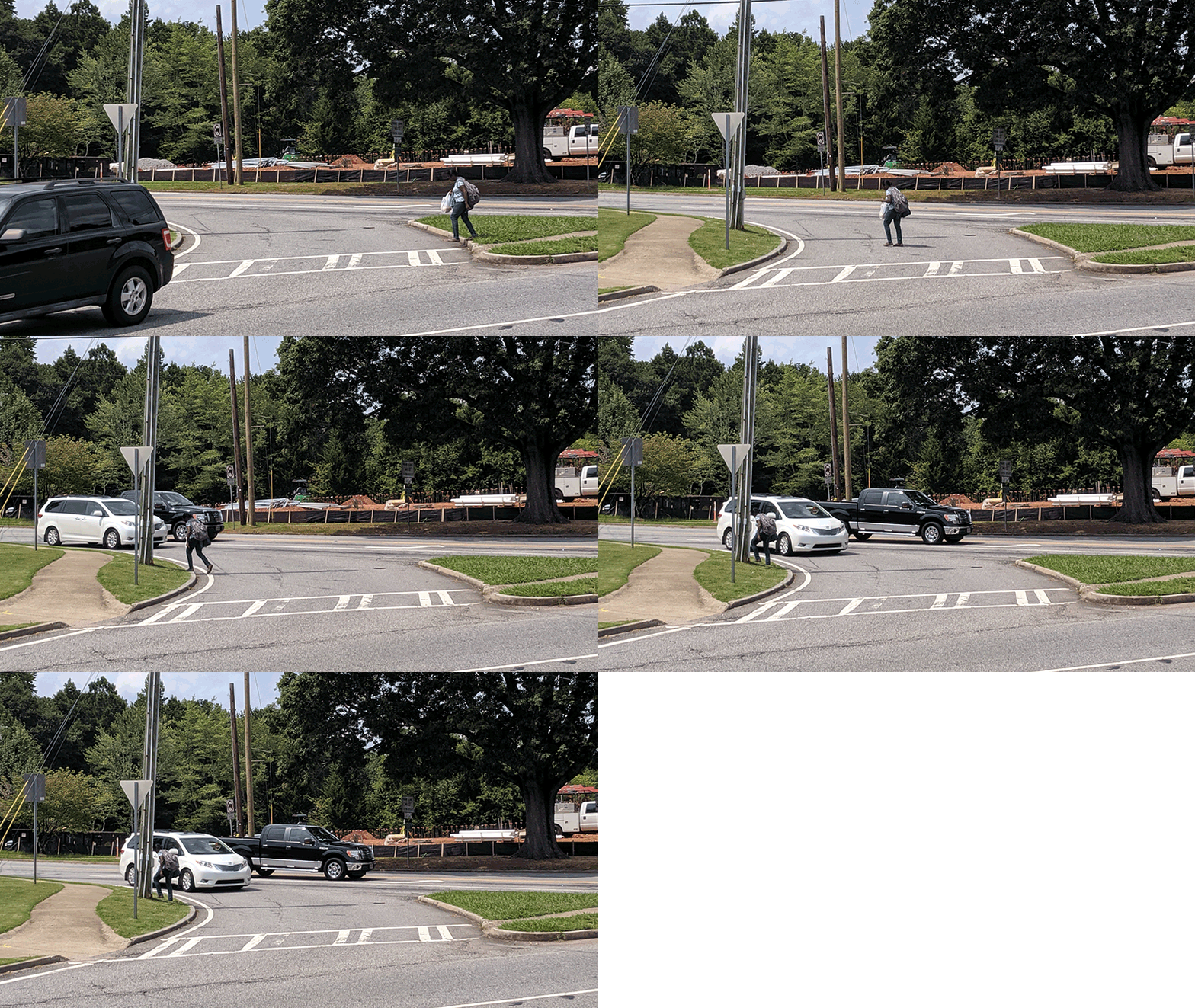
A specific design feature on our roadways is the quintessential embodiment of what happens when speed is the #1 priority and safety becomes secondary. Slip lanes, those short turning lanes at intersections that allow vehicles to turn right without slowing down, are incredibly dangerous for people walking. Yet states & cities keep building them. Why?
Competition: Which street is the most dangerously-designed?
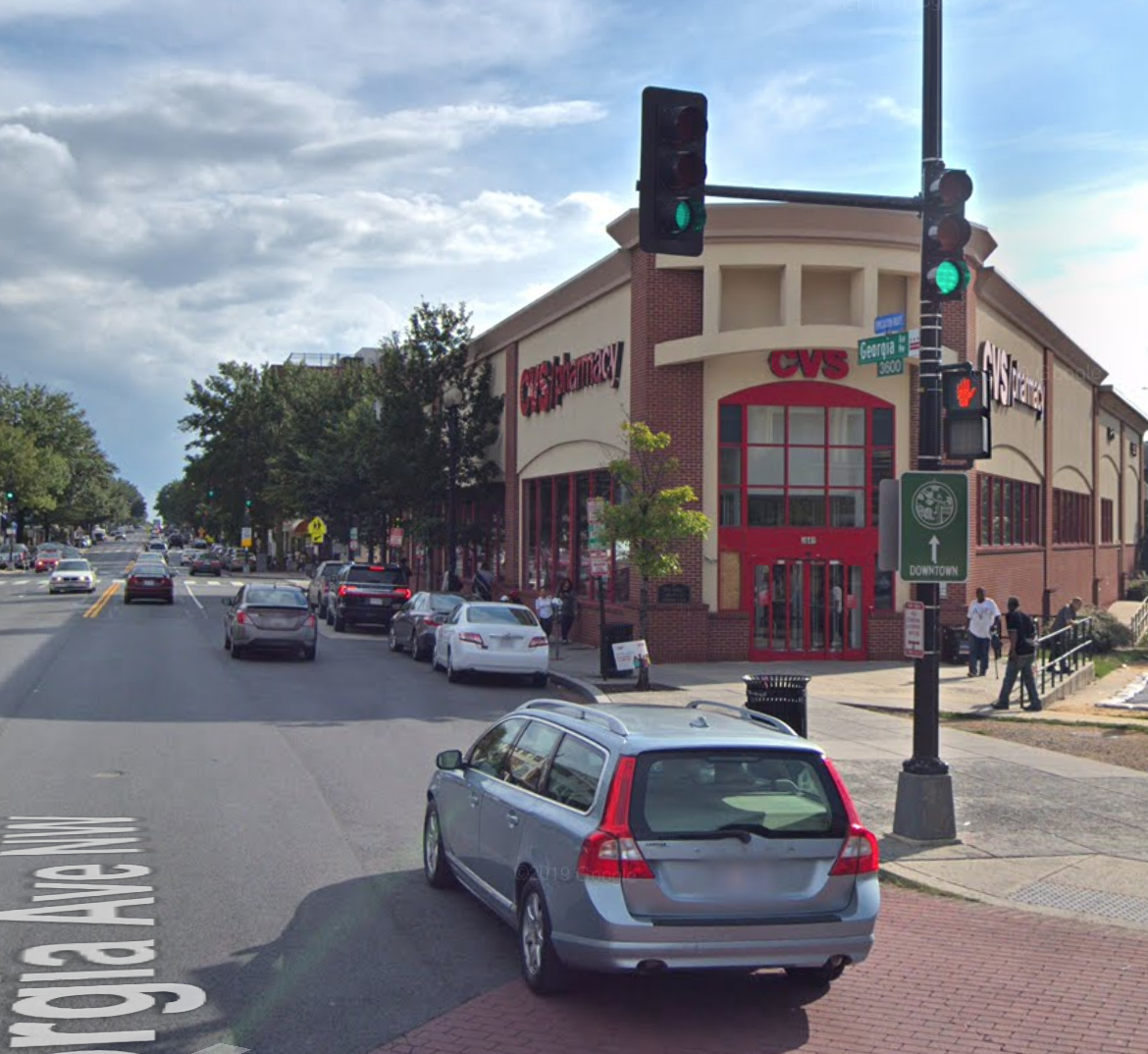
This week, we’ll be taking a deep dive on our second principle for transportation policy: design for safety over speed. Throughout the week, send photos of streets in your area that are designed for speeds far higher than the posted speed limit or where the speed limit is way too high for the context. On Friday (Nov. 8), you’ll have a chance to vote for the worst offender.
Safety over speed week: There’s one thing that almost every fatal car crash has in common
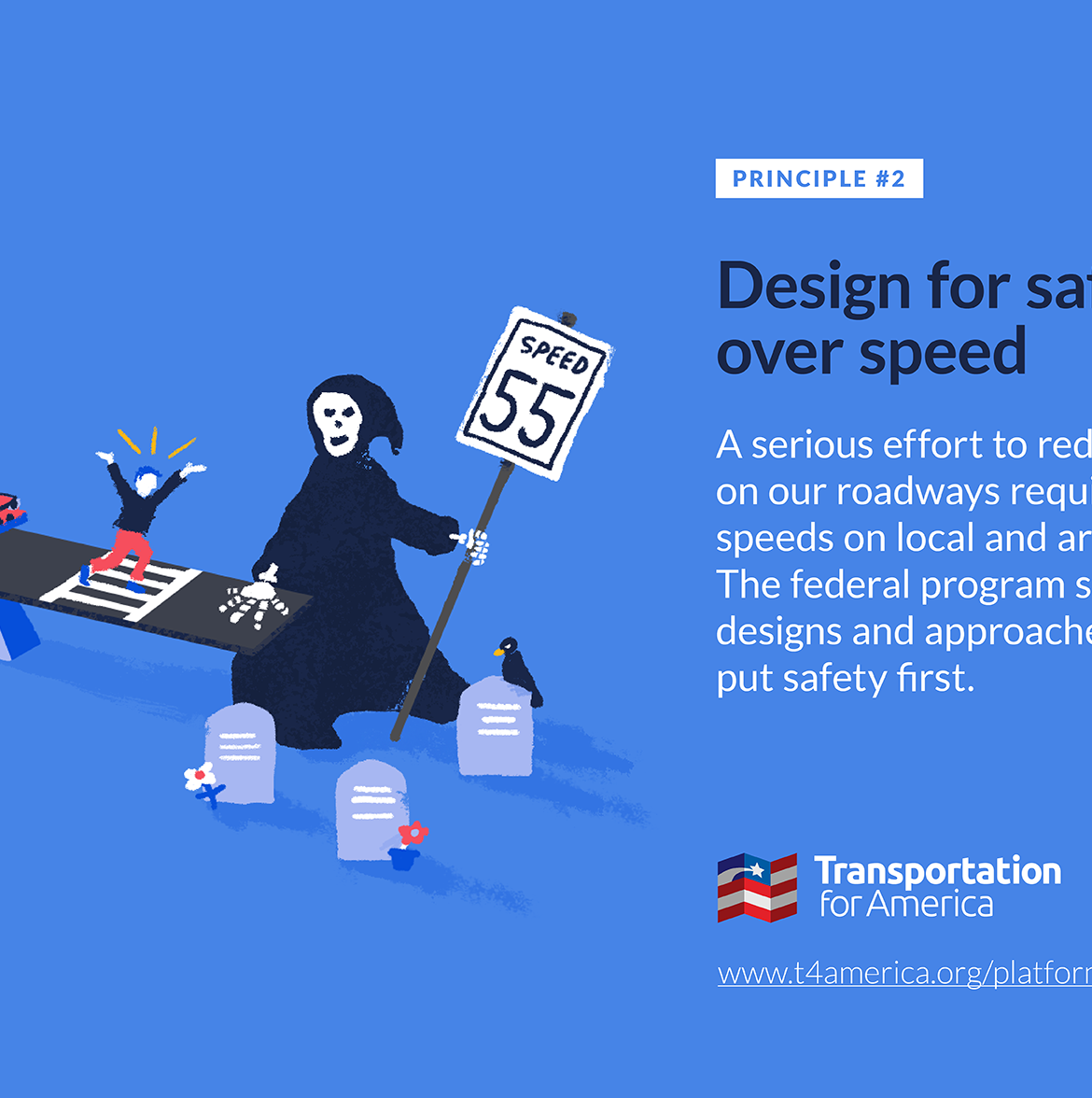
We face an epidemic of people struck and killed while walking and biking because our local streets—not just highways—are designed to move vehicles at the highest speeds possible rather than prioritizing the safety of everyone. It’s high time to stop sacrificing safety on the altar of speed with the billions that we spend every year. Here’s how Congress could make that happen.
Many of the most dangerous states for people walking are planning for more people to die
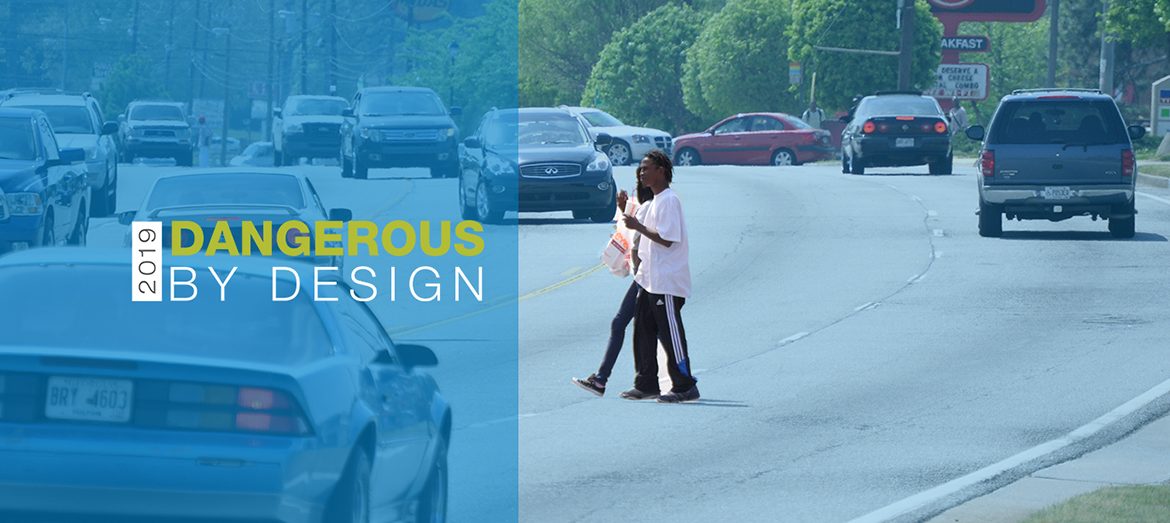
13 Americans per day were struck and killed while walking by drivers from 2008-2017, according to a report released today by our colleagues at the National Complete Streets Coalition. Dangerous by Design 2019 also shows how some of the most dangerous states are, astonishingly, committed to making the problem even worse.
Introducing “Dangerous by Design 2016”
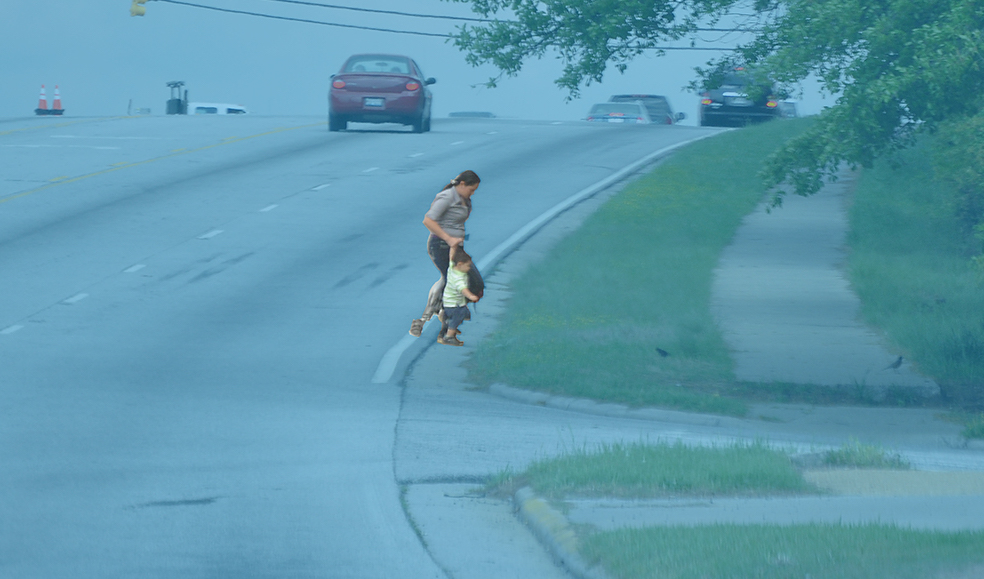
Between 2005 and 2014, a total of 46,149 people were struck and killed by cars while walking. That averages out to about 13 people per day.
Help show just how dangerous our streets can be for people walking
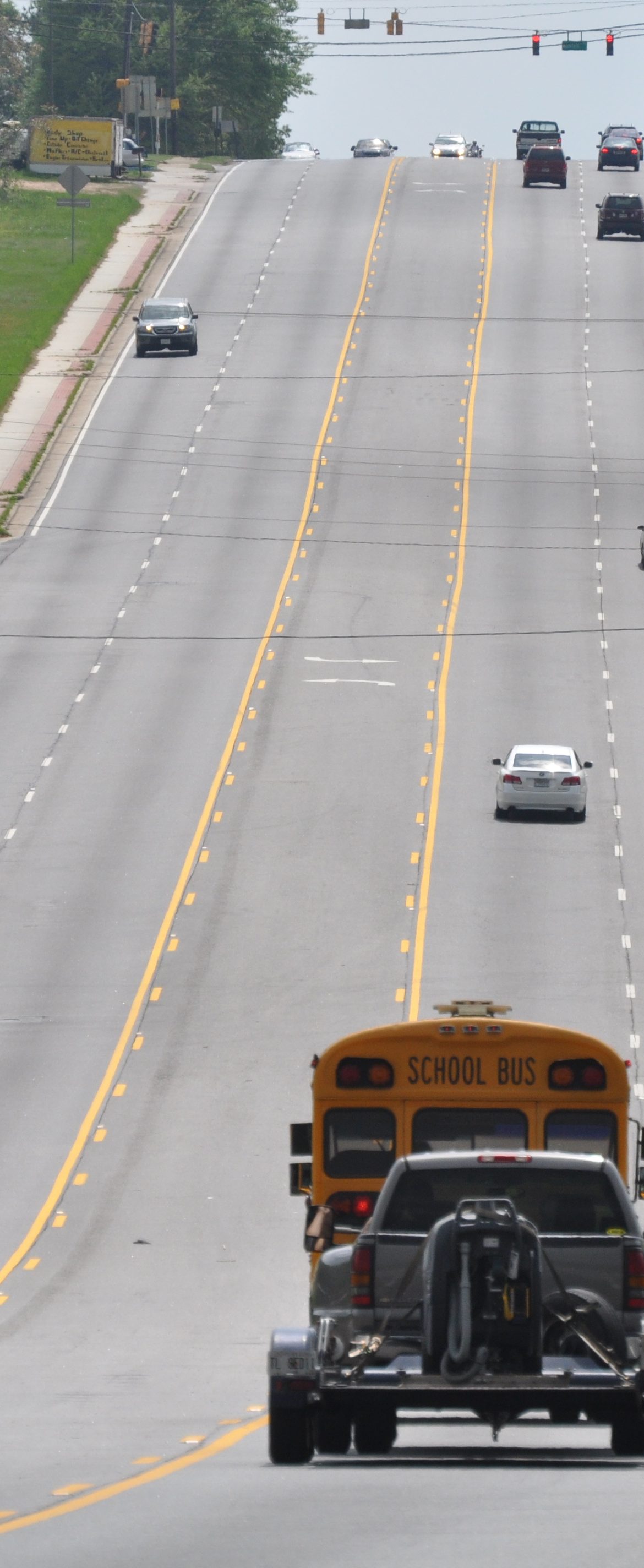
This fall, our colleagues at the National Complete Streets Coalition will release Dangerous by Design 2016, a report that will again rank the nation’s most dangerous places to walk using the Pedestrian Danger Index. This year’s report will dive deep into how income, race, and place play an outsized role in how likely people are to be killed while walking. And they’re looking for your help when it comes to illustrating just how bad it can be out there.
Its National Walking Day, but too many people will have to walk unsafe streets
You may not have known it — its not the most publicized special day on the books — but today is National Walking Day. Some of you may have traded part or all of your drive or transit trip today for a walk to work. But for many, every day is walking day, and it happens on streets with dangerous or inconvenient conditions that no one should have to endure just to walk to school, their job, or the grocery store.
Update on Raquel Nelson: petition delivered to Cobb County
UPDATE below. More than 5,200 of you signed our petition to push for freedom for the Atlanta mother who was charged in her son’s death when he was killed by a hit-and-run driver while crossing a street in front of their apartment complex. Raquel Nelson is due back in court next week, but we wanted […]
Photos of dangerous streets have been streaming in
After putting out the call far and wide for pictures of streets designed for speeding traffic at the expense of safe travel by people on foot or bike, we’ve been getting some great — and by great, we mean frightening and terrible — photos of inconvenient, poorly-planned, dangerous and downright hostile conditions for pedestrians. Here […]
Governor Cuomo signs Complete Streets legislation as New York Times surveys pedestrian safety in Orlando
 NY Governor Andrew Cuomo’s decision to sign complete streets legislation is a step forward for pedestrian safety, though a Times report out of Orlando yesterday illustrates how much further we have to go. The status-quo for most people on foot or on bike around the country is woefully unsafe and insufficient, though perhaps nowhere more so than in Florida.
Raquel Nelson’s story may be rare, but the dangerous conditions are not — show us
Many of you were shocked by the story of Raquel Nelson, the single mom in Atlanta charged with vehicular homicide when her son was killed while crossing an unsafe street with her. While shocking, head-scratching stories like hers are thankfully rare, it’s emblematic of the road design in many places that we live, and we want to make sure that Congress gets that picture loud and clear. We want to show them that roads like Austell Road by Raquel Nelson’s apartment — 4 lane speedways with few considerations for pedestrians — are far too common. So send us your photos of dangerous, unsafe and poorly planned streets out there across America.
New York Complete Streets clears legislature, awaits Governor Cuomo’s signature
Complete streets legislation passed both the New York State Senate and Assembly unanimously this week and awaits Governor Andrew Cuomo’s signature. Once the legislation becomes law as expected, New York State will follow in the footsteps of hundreds of other states and municipalities that have already started prioritizing the needs of all users on their […]
White House launches advisory group on rural issues that includes transportation officials
President Obama signed an executive order today creating an advisory group for rural issues. The group will be tasked with developing recommendations for boosting economic growth, job opportunities and quality of life in rural communities. The Executive Order notes that sixteen percent of the population lives in rural counties and that these areas are essential […]
Newspapers across the country call for increased pedestrian safety following Dangerous by Design rankings
Jackson, Mississippi Credit: Dr. Scott Crawford. This week’s release of Dangerous by Design has prompted several newspapers to editorialize in favor of tough pedestrian safety measures that address the urgency of the 47,000 killed and 688,000 injured on unsafe streets between 2000 and 2009. The report generated ample coverage in Florida, home to the nation’s four […]
Lawmakers move to address pedestrian safety in the wake of Dangerous by Design
Tuesday’s release of Dangerous by Design outlining the 47,700 deaths and 688,000 injuries to people while walking on unsafe streets has renewed Congress’ focus on pedestrian safety in the next transportation bill. But what substantial steps the House and Senate will take to promote safer streets and improve conditions for walking remains very much in […]
Our three principles
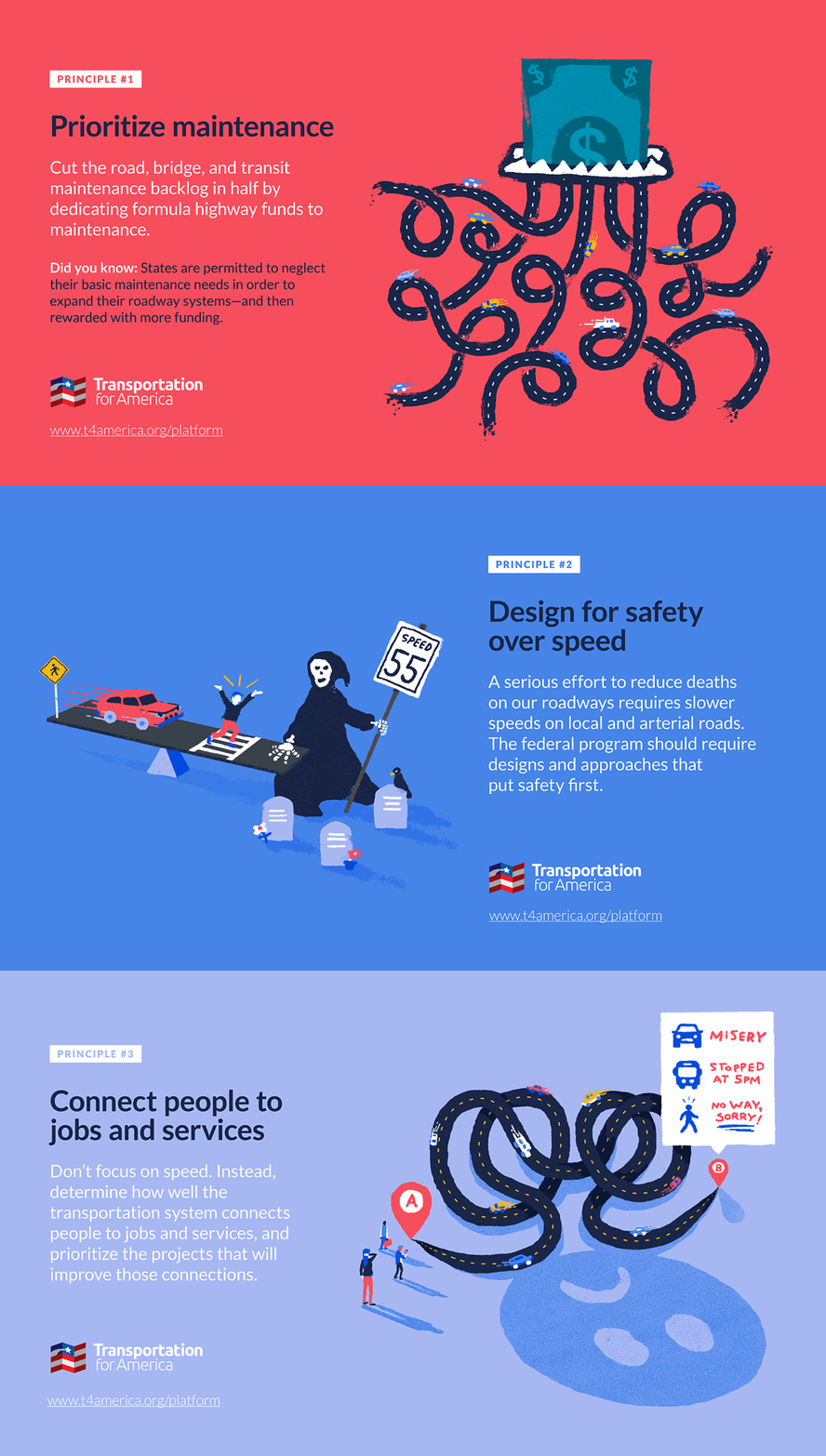
It’s past time to elevate the national conversation about infrastructure beyond just the price tag.
Learn more about our platformLatest From The Blog


There’s a climate cost to America’s freeways, and…
Apr 23rd, 2024


Progress for passenger rail in the South and…
Apr 10th, 2024

I cannot find the zoom link, I registered…
Jan 6th, 2024

A rare look behind the curtain of Transportation…
Jul 28th, 2023

In what Harrison Ford said was his most…
Jul 25th, 2023

Good example, walking to the local taco place…
Jul 24th, 2023