Posts Tagged "bicycling"
Safety and mobility choice through rural California
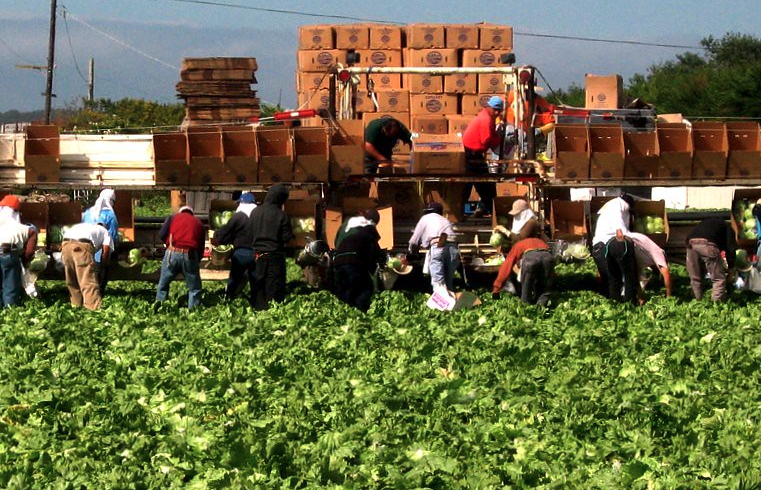
Juxtaposed by a well-supported bike ride from San Francisco to Los Angeles, there are many people in rural communities, particularly agricultural workers, along the route that are in critical need of vital, reliable, affordable transportation options, and suffer dire health and economic consequences as a result.
Behind the scenes on the rise in pedestrian and cyclist fatalities and injuries
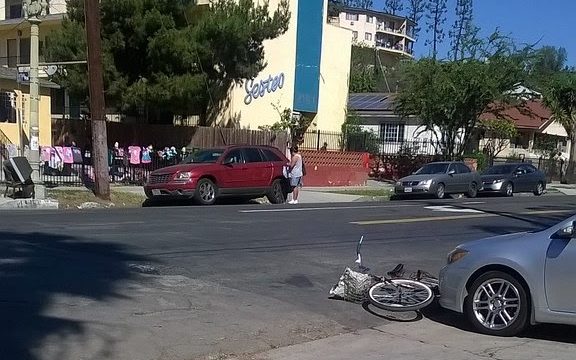
Driver expectations, higher speeds resulting from less congestion, major gaps in infrastructure, and a systemic criminalization of pedestrian and cyclist traffic on the road have contributed to the alarming, record increases in the deaths of people struck and killed while walking or biking, according to researchers.
Coastal Alabama advocates make Complete Streets in Mobile a reality
With the echo of the latest pedestrian fatality figures still ringing, a city in the deep South became the latest, albeit unlikely, place to adopt a Complete Streets policy. To paraphrase the song: if it can happen there, it can happen anywhere. When people think of “infrastructure,” images of roadways and grids tend to come […]
Newspapers across the country call for increased pedestrian safety following Dangerous by Design rankings
Jackson, Mississippi Credit: Dr. Scott Crawford. This week’s release of Dangerous by Design has prompted several newspapers to editorialize in favor of tough pedestrian safety measures that address the urgency of the 47,000 killed and 688,000 injured on unsafe streets between 2000 and 2009. The report generated ample coverage in Florida, home to the nation’s four […]
Lawmakers move to address pedestrian safety in the wake of Dangerous by Design
Tuesday’s release of Dangerous by Design outlining the 47,700 deaths and 688,000 injuries to people while walking on unsafe streets has renewed Congress’ focus on pedestrian safety in the next transportation bill. But what substantial steps the House and Senate will take to promote safer streets and improve conditions for walking remains very much in […]
High gas prices are fueling demand for broader transportation options
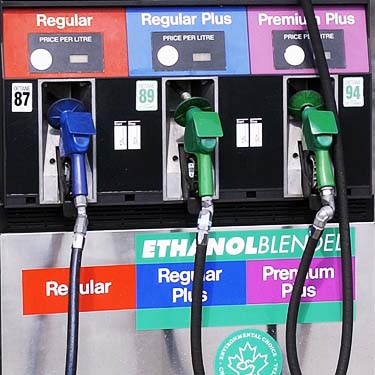 Demand for mass transit is surging everywhere as a result of higher gas prices, generating the need for 670 million additional passenger trips on transit systems. With the nation’s comprehensive surface transportation bill overdue for renewal, this ought to lend greater urgency to the need for robust investment in an array of options to ensure no one gets stranded or left behind.
Dozens of bicyclists ride to USDOT Friday to tell Secretary LaHood “thanks”
 Transportation for America was proud to co-author and circulate a letter thanking Secretary Ray LaHood for USDOT’s policy statement elevating walking and biking in national policy. Last Friday, several of us at T4 cycled with a handful of national partners to DOT Headquarters across town to thank the Secretary in person.
Ohio Congressman recants, decides LaHood’s complete streets policy is not so “radical” after all
In an Associated Press story on April 15, Ohio Congressman Steve LaTourette was quoted decrying the apparently “radical” idea that the safety and comfort of people on foot or bicycle deserve as much consideration as those in cars. To his credit, LaTourette has fully recanted the statement and apologized for any misunderstanding, a result due in part to significant pushback from the bicycling community in his 14th Congressional District and throughout the country
Task force on childhood obesity should look at increased opportunity to walk and bike
Photo courtesy of the California Department of Transportation In the last couple of weeks, we suggested First Lady Michelle Obama’s Task Force on Child Obesity consider transportation and the built environment. Another important component is enhancing infrastructure for walking and bicycling. Infrastructure to support walking and biking includes bike lanes, shared-use paths, and routes on […]
Active living means housing choices that get people moving everyday
As First Lady Michelle Obama’s Task Force on Childhood Obesity gets to work identifying policy changes and recommendations for federal agencies, the impact of city design on childrens’ health is one of the first places they ought to look. Current laws and incentives drive where schools, grocery stores, health centers, and parks are located – […]
Secretary LaHood takes on Senator Coburn’s “stimulus waste”
Transportation Secretary Ray LaHood didn’t pull any punches in a blog post this week about one senator’s “stimulus waste” list. Senator Tom Coburn is a persistent critic of transportation “enhancements” and author of a failed amendment earlier this year to strip bicycle and pedestrian projects from a spending bill. His latest waste list includes two bike paths. Coburn told the Washington Times, “When we run $1.4 trillion deficits, the money we spend ought to be a high priority for the American people as a whole.” To which LaHood retorts: “What he really means is that, because he doesn’t get bikes, no one else does either.”
New York City sees biking go in one direction — up!
All of the videos from Streetfilms are certainly worth watching, but we wanted to call out special attention to this one, especially on the heels of the Dangerous by Design release yesterday morning. With nearly 5,000 people dying every year on our roads while walking or biking, some cities are working hard to bring those […]
Planning for the future: Washington’s new Woodrow Wilson Bridge
Here in Washington, DC last weekend, the 12-foot-wide bicycle and pedestrian lane of the Woodrow Wilson interstate bridge over the Potomac River held its grand opening, filling with bikers and walkers joining the thousands of cars that cross the bridge each day. The bridge, connecting Virginia and Maryland on the southern part of the Capital Beltway, is a vital transportation link in the region, where Interstate 95 (and the large majority of truck traffic) bypasses Washington, continuing north or south along the eastern seaboard. But making the Wilson Bridge an intermodal success was not easy.
Our three principles
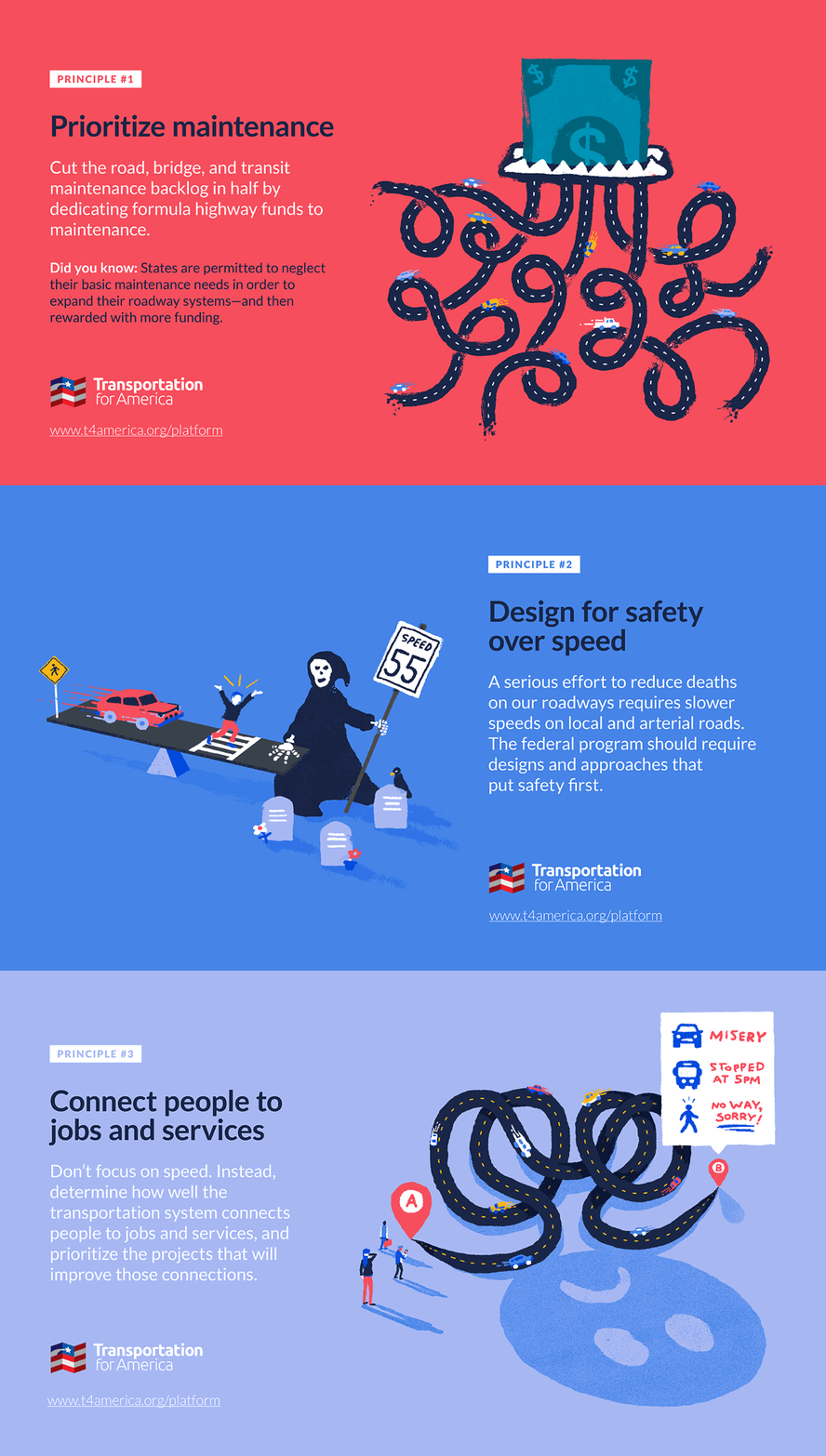
It’s past time to elevate the national conversation about infrastructure beyond just the price tag.
Learn more about our platformLatest From The Blog


There’s a climate cost to America’s freeways, and…
Apr 23rd, 2024


Progress for passenger rail in the South and…
Apr 10th, 2024

I cannot find the zoom link, I registered…
Jan 6th, 2024

A rare look behind the curtain of Transportation…
Jul 28th, 2023

In what Harrison Ford said was his most…
Jul 25th, 2023

Good example, walking to the local taco place…
Jul 24th, 2023