Rider’s safety concerns can’t be dismissed with statistics. We need proven practices to ease users perceptions too

Statistically speaking, transit riders are less likely to experience crime or get into traffic accidents compared to drivers, but anxiety about crime on transit still persists. Perception matters, and the concerns of riders should not be dismissed and must be addressed through proven practices.

Transit is safer than driving a car

There is a misconception that riding transit is dangerous to users, and to an extent, the worry is understandable. Commuting in an enclosed space with strangers is far less familiar than the cocoon of your own private vehicle. For anyone who doesn’t ever or even regularly ride transit, riding the bus or taking the metro can be a bit nerve-racking, and media coverage that over-saturates negative stories on transit only makes it worse.

Despite all this, public transportation is statistically safer to use both in terms of being in a traffic accident and experiencing crime. Only a small amount of serious crime occurs on transit properties, and motorists are actually more likely to be killed by gun violence crimes. These fatalities that motorists face are usually in the form of road rage and aggressive driving, which about eight in ten drivers reported to the AAA Foundation for Traffic Safety.

In addition to public transportation being at low risk for crime, it is even safer in terms of accidents. Riding transit has about 1/10th the rate of traffic injury or death as car travel (for either death or injury). Over the last 10 years, the passenger vehicle death rate per 100,000,000 passenger miles was over 60 times higher than for buses, and 20 times higher than for passenger trains. Even the comparison between the rate of transit homicides are incredibly insignificant compared to the rate of traffic crash deaths.

Why does anxiety around transit exist?

Despite all the reports, studies, and crime statistics overwhelmingly finding that transit is both secure and safe, riders are still concerned about safety. Those concerns resurface when shocking news stories of attacks on transit hit the news cycle, such as the woman who was fatally stabbed on a light rail system in Charlotte, NC. It is imperative to address those anxieties amongst riders because fear discourages individuals from utilizing transit, even if it’s just a perception. But why is this the case?

One component is media story comparisons between attacks that happen on transit versus car crashes. Major news outlets will spotlight sensational stories (like getting pushed onto subway tracks) despite being a rare occurrence. (Out of about four million riders, on an average weekday, there were about 15 separate occasions total where people were pushed onto subway tracks in 2023 in New York). But the New York Times would never have the time to write an article on every individual who was killed in traffic fatalities in the city (in 2023, 265 people were killed in traffic fatalities). Additionally, your average road user is so used to witnessing car accidents (whether on the news or in person) that they are essentially desensitized and come to expect some of these as part of daily life.

The other portion of transit crime anxiety is simply the nature of riding public transportation. Riding in an enclosed space with strangers can make people hyper vigilant. Operating a personal vehicle means you control who can be in your physical proximity, what music you listen to, and the cleanliness of your surroundings. And even though most rides will not involve abnormal interactions, people tend to remember any negative altercations rather than the typical, boring daily commute.

Reducing the anxiety

Feelings might not care about facts, but transit advocates and leaders should. If the goal is to increase ridership, we must look to proven interventions that make transit users safer, both in reality and in perception.

One approach to improving safety is to center community-oriented models and establish community partnerships. Transit agencies do not have the resources to address safety issues related to mental health and drug use. Instead, some agencies have partnered with behavioral health-oriented programs to call for social workers and healthcare professionals rather than police officers specifically for non-violent offenses and non-criminal acts. One example is in Philly, SEPTA, which established the Safety, Cleaning, Ownership, Partnership, and Engagement (SCOPE) program that deploys trained mental healthcare workers to offer resources and referrals to vulnerable populations. The SCOPE program successfully reduced the number of people seeking shelter within SEPTA’s system by 35 percent in 2022.

In addition to increased frequency being a top priority for riders, reliable services also make transit safer. The less time a rider waits for a bus or train to arrive, the less potential there is for an incident. The most unsafe part of using transit is not on transit, but getting to the station or bus stop. Move Redmond conducted a survey and found that 62 percent of respondents would feel safer with more frequent service.

There are a myriad of opportunities to improve safety standards and cleanliness, as well as improve the public’s perception of their safety on transit. Even with clear data reinforcing the safety of riding transit, leaders and advocates still must work with the public to address those feelings and perceptions. Not only will doing so take away the stigma of public transportation, but it will also holistically improve the daily public good for everyone.

Fare free transit is great, but reliable services are better

Transit riders representing a range of ethnicities board a bus in the state of Washington

Politicians are talking about the cost of transit–a valid and important issue impacting transit ridership. NYC Mayor-elect Zohran Mamdani utilized his campaign platform to shed more light on the policy idea. However, what people really need to increase their use of transit is reliable, frequent services. The concept of fare free transit is bold and has real benefits, but transit services need improved outcomes not measured exclusively by reduced costs.

Are the benefits of fare free transit what riders are looking for?

Fare free transit is not an unattainable goal for communities. In fact many cities across the country have experimented with removing fares including Albuquerque, NM, Tuscon, AZ, Boston , MA, and Denver, CO. Removing fare costs is a fundamental good that can make a huge difference for low-income transit riders that rely on these services multiple times a day. Lowering or fully removing the costs of services will also encourage ridership as studies across cities and states have reported, with a prime example being the City of Lawrence, Massachusetts that removed bus fares for two years in 2019 and increased ridership by 20 percent. Beyond the up front costs, fare free transit can also reduce “dwell time” or the amount of time it takes for passengers to pay and board. An analysis conducted by Merrimack Valley Planning Commission found that when their transit services went fare free, their dwell time decreased by half.

Despite these benefits, there are some disadvantages worth mentioning when considering removing fares for riders. Innately, if fare costs are removed, there is a loss of revenue for transit services. In 2024, the average U.S. transit agency funded 13 percent of operating expenditures through fares, so the removal of that revenue source would make an impact. The effect is even greater for larger transit agencies like for Miami-Dade Transit where farebox revenue generates 33 percent of operating costs. This means that removal of fares for riders would leave a large revenue shortfall for agencies and create the need to find additional funding elsewhere. Fare free transit may also negatively impact rider experience. Some studies have found that fare free systems see increases in vandalism, theft, and other public safety issues, but the correlation and potential ways to mediate these noted shifts require additional research.

Overall, removing the direct costs to transit riders should not be overlooked as a meaningful way to improve transit access. However, if local, state, and federal leaders are looking to improve livelihoods, they must build their transit systems and supporting policy platforms on what outcomes are most desired when it comes to improving transit services. Would you rather have a free bus that comes every 30 minutes or pay $2 for a bus that will come every 8 minutes? If the conversation is about the financial cost of transit to the rider, then time is money too. Infrequent fare free transit devalues low income people’s time by failing to account for the opportunity cost of their time waiting for a bus or train. Removing fares for transit users can thus improve transit affordability, but other improvements can meaningfully improve the usability of transit and increase ridership–particularly increasing frequency and improving reliability.

The benefits of reliability and frequency

Beyond reducing the direct cost to riders of transit, what riders overwhelmingly need is reduced travel times and increased reliability and frequency of services. A report conducted by Transit Center found that the two most important determinants of rider satisfaction were service frequency and travel time. Transit riders have also stated that whether the bus reliably arrives on time is the most important factor influencing their decision to ride transit. Reliable, timely service must thus be a core priority for transit systems and policymakers.

Reliable transit is vital for proper access to jobs, schools, community and healthcare resources. When transit services are sporadic and undependable, it interferes with riders’ ability to get to work, class, and doctor’s appointments on time. From a business or private sector perspective, unreliable transit can impact labor productivity by causing workers to be late and lead to a loss of profitability. On a personal level, poor transit schedules can increase stress and anxiety by not getting to their destinations in a timely manner.

Local leaders who want to be serious about improving transit for communities need to be as focused on reliability and frequency of service as they are on direct affordability. A major obstacle that slows down reliability is limited transit operations funds and lack of operators. Although the federal government has provided some funding opportunities for capital transportation projects, states and local governments are typically left to scramble for money for operations. Transit operating costs are the everyday expenses incurred by transit agencies such as paying workers, fueling and repairing equipment and other overhead expenses. Establishing a federal stream of funding to support transit operations, as recommended in T4A’s policy recommendations for upcoming transportation legislation, would provide needed relief for state and local governments while also improving services for individuals by increasing frequency and providing longer hours of service.

Any improvement to transit services is a win for everyone, but local and federal leaders should focus attention on what riders need just as much, if not more, than fare free transit: reliable and frequent transit.

The money mirage: How the fight over funding transportation distracts from outcomes

Close-up of Capitol building

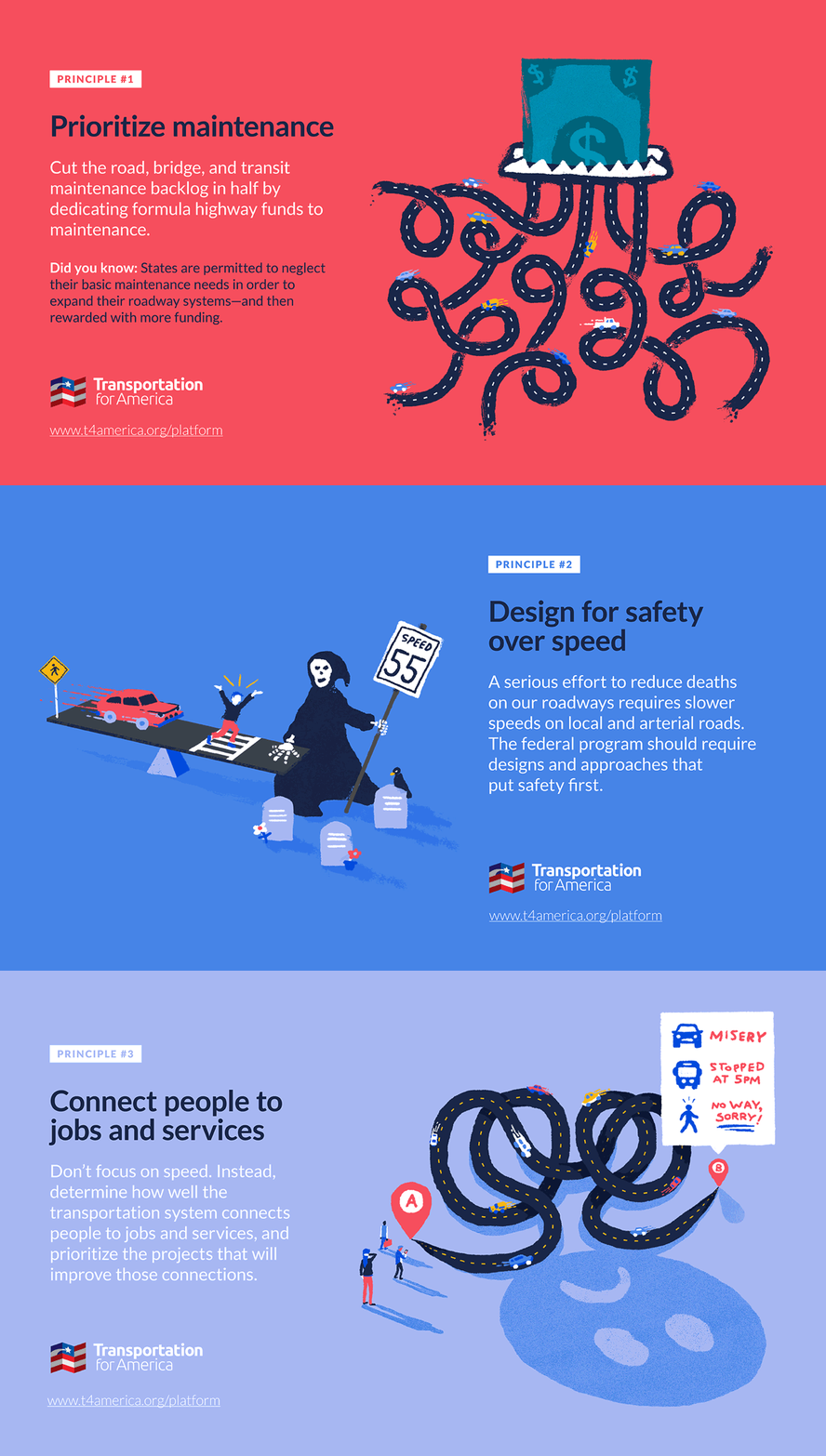
The conversation about how to fund the transportation system has dominated the reauthorization process at the expense of its core purpose: safely delivering people to the destinations they want to get to. To build a system that actually works for people, we must acknowledge what’s not working and what Congress must do to find solutions. Continuing to guarantee funding for a clearly failed federal program that isn’t delivering on its promises is simply not the way forward—and throwing billions more at it, as some folks have suggested, isn’t the solution either. What we need is accountability for outcomes.

Don’t show me the money, show me outcomes

The existing federal transportation program does not produce good outcomes. We have written extensively about the fact that the federal transportation program has utterly failed to deliver on measurable results like safety, state of repair, and access: There has been a 75 percent increase in deaths of people walking since 2010, roads scored a D+ and bridges scored a C in the most recent infrastructure report card, congestion has increased, and our transportation system remains one of the leading producers CO2 emissions. Despite these disastrous results, Congress keeps bailing out this bankrupt program with general fund transfers without intervention. At some point, Congress must stop and ask, Why are we bending over backwards to protect and fund a system that is not producing results on the core, tangible goals of improved safety, increased access, and improved conditions of existing infrastructure?

An improved transportation program and a safer national transportation network are possible. Many other countries are actively outperforming us on all fronts. Norway has taken pedestrian deaths seriously and is ranked one of the safest countries in Europe for all roadway users due to their targeted goals and legislative reforms. Switzerland has the highest infrastructure rating of 2024 according to the World Population Review (credited to its well-maintained roadway network). Many countries are racing towards net zero emissions through their transportation sectors. The U.S. can compete with all of these countries, and we can meet our goals, but there are some clear things holding us back.

One major hurdle is state DOTs and their lack of accountability with any form of flexible funds. Most of the federal money state DOTs receive comes from formula funds that can be used for essentially any project. The lack of direction or explicitly stated use of these funds usually means that they will be spent misguidedly. Not for bridge maintenance, not for road repair, not for expanding transit options, but usually for increased roadway expansion. The biggest obstacle, however, is Congress’s hyperfixation on dumping more money on the problem rather than demanding the system deliver outcomes. Reauthorization seems to strike the same tired discourse and potential “political” wins of which side is able to pour (or retract) money from the system.

Overall, money is the problem, but not because there is a shortage, but because we are spending it irresponsibly. The lack of accountability means there is no incentive to make roads safer, keep them in a good state of repair, or build anything besides highways. The biggest issue for the system isn’t that the dedicated autopilot revenue stream of a trust fund can’t pay for the transportation improvements the country needs; it’s that we’re getting bad results and ignoring the issue by trying to drown it in dollar signs. You can’t pay away the fact that we’re building inefficient, unsafe infrastructure—we have to change course now.

Accountability and results are the end goal

While it’s long been debated, at the end of the day, Congress has only a few possible options to solve the Highway Trust Fund’s structural solvency problem. We could pour in more general fund dollars to keep the trust fund solvent and keep spending at the same levels; we could scale the program down to the size of what the gas tax brings in each year; we could abolish the (already functionally dead) trust fund and shift the transportation program to one funded entirely by yearly appropriations; or do something else completely.

But all of these alternatives are meaningless if the program does not start delivering on its promises and producing tangible results on safety, state of repair, and other goals that are supposedly embedded in the program. We will never produce better outcomes from our federal transportation system if the only conversation about it revolves around money. The conversation should focus on measuring progress, spending within our means, and ensuring that our infrastructure is safe and well-maintained.

Results and improvements must be the ultimate priority of this program before we put a single extra dime in it. Increasing the gas tax or dumping additional general fund dollars into the trust fund doesn’t solve bad outcomes—consistently good outcomes require a system that demands them. Only when outcomes become the measures of success will we get a program that produces safer roads, structurally sound bridges, and transit systems worth paying for.

Call on your member of Congress to prioritize accountability and outcomes in upcoming legislation.

We are rapidly approaching the next surface transportation reauthorization. The federal government has spent $1.5 trillion of American taxpayer dollars over the past 30-plus years for a transportation system that is producing poor results on the core, tangible goals of improved safety, increased access, and improved conditions of existing infrastructure. Congress cannot do more of the same; they must focus our transportation system around outcomes and accountability, not just the price tag.

Your members of Congress need to hear from you. Whether you act individually or as an organization, your support is essential to ensuring the next reauthorization is centered around improved outcomes that benefit all community types. Contact your members of Congress directly to encourage them to make results and improvements the ultimate priority of the federal surface transportation program at this link.

The federal government can’t neglect transit operations funds any longer

The most costly aspect of transit is funding its operations, and for decades this has fallen mainly on states and localities that are already struggling financially. The federal government has invested heavily in transit capital, but the big next steps are to improve efficiency and reliability by ensuring transit can function.

T4’s policies to invest in transit operations

In our platform for reauthorization, under our principle of Invest in the Rest, we aim to improve our transit efficiency and reliability to ensure better access to jobs, schools, and other imperative community resources. Establishing a dedicated federal stream of funding will support increases in transit service, including greater frequency, longer hours of service, and launching new service. Our proposal includes changes like:

  • Allowing an 80 percent federal cost share for transit agencies in areas of persistent poverty.
  • Redefining mobility improvement project justification based on improvements in access to jobs and essential services, and the congestion relief project justification based on whether projects allow transit users to avoid traffic congestion.

Why is there little investment in federal transit operations?

The United States has a history of building transit systems while neglecting transit operations funding. For the transit systems that remained after post-World War II urban sprawl, there was a large push from city governments to step in financially for transit operations. The federal government adopted the Urban Mass Transportation Act of 1964. The act authorized a large sum of funding and was the catalyst for the federal government to assist in transit capital projects and initiated the formation of the Federal Transit Administration.

Federal funding for capital projects increased, while transit agencies were in regular need of more operations assistance. Congress attempted to fill this gap by supplementing $4 billion in federal operating funds following the oil crisis in 1973 (also highlighting the importance of transit for addressing oil-dependency). The federal operations funding helped stabilize ridership and with the addition to the robust capital funds, other metropolitan areas were able to construct their own rail systems (MARTA and BART for example).

During the era of “Reaganomics”, there was a movement to limit the federal government’s role in local transportation issues, and specifically with operating funding. Although the Intermodal Surface Transportation Efficiency Act (ISTEA) and Transportation Equity Act of the 21st Century (TEA-21) both substantially supported transit, federal transit operating assistance had been eliminated. The following federal transit bills reflected this imbalance, allocating more funds to highways than transit and neglecting to adequately adjust operations funding for inflation.

Why feds should support transit operations

A transit operations budget typically includes funding for gasoline, overhead, and salaries for transit operators. For larger transit agencies, these funds are limited and are only supported through local and state funds such as sales taxes or ballot measures. A renewed federal investment in transit operations is essential, building on the precedent set in the 1970s, but scaled to meet today’s greater needs.

Robust, fully funded transit operations dramatically improve service, reliability and efficiency. Transit operations are the everyday costs that are incurred by transit agencies and when it is plentiful, service interruptions are less likely to occur. To improve frequency, agencies need enough operators behind the wheel. Competitive pay and better working conditions help attract and retain drivers, making frequent, reliable bus service a reality. Operations also go towards paying for fuel and vehicle maintenance. Proper maintenance and sufficient fuel ensure that transit vehicles remain reliable and capable of delivering consistent service. Establishing a funding stream specifically for transit operations is foundational to provide world-class services for communities.

Establish transit operations funding at the federal level

We cannot keep forcing states and localities to scrounge around for money to fund transit operations. The federal government has the ability and financial capacity to assist. Cost share (also known as a federal-match) is the portion of funds that is paid for by federal funds. By expanding the cost share to 80 percent from 50 percent, the federal government can assist in closing the funding gap and allow states to focus on providing high quality t services.

In the last couple of years, Representative Hank Johnson (GA) has made efforts to highlight the need for federal assistance with transit operations. His Stronger Communities Through Better Transit Act, originally introduced in 2024, would establish a federal program to provide operating‑support grants to public transportation agencies, enabling improved service in underserved communities. “Simply put, people could get to more places in less time using transit. Jobs, schools, and other daily destinations that previously took too long to reach would become more accessible,” Rep. Johnson said in a recent press release. “People would feel less strain on household budgets as their transportation costs shrink. They would have more time to spend with their families as time spent commuting falls.”

Looking ahead

Even modest federal investment in transit operations can be transformative—especially for communities struggling with limited or unreliable service. A $20 billion annual federal program, as envisioned by advocates, could increase transit service by up to 40 percent. This service increase could be monumental by allowing more people to commute to jobs easier, find greater economic opportunities, and navigate their communities in a safe and reliable way. Day-to-day operations are exactly where the federal government is offering the least amount of support. This reauthorization is a chance to fix that: to fund transit the right way and give states and communities the sustained operational support they urgently need.

The next reauthorization is an opportunity to get rural transit right

Transit is not (and never has been) exclusive to urban cities, and this upcoming reauthorization is another opportunity to create a transportation system that works for everyone, including those who live in more rural places. In order to ensure transit’s effectiveness in small towns and rural areas, we must both increase and streamline transit funding for these places to provide more frequent and responsive service.

T4’s policies to improve rural transit services

In our platform for reauthorization, under our core principle of “investing in the rest,” we have a goal to improve rural mobility by providing multi-year funding streams to support more effective transit in rural areas. We have three specific policy details there:

  • Establish greater support for rural transit to ensure more efficient and frequent bus service. 
  • Streamline transit funding from the FTA, VA, and HHS into a single program to ensure robust funding for rural communities. 
  • Expand the clearinghouse created by FAST Act Section 3019 to include all transit agency procurement.

There are many misconceptions about rural areas and their transit options. It is assumed that everyone living in rural communities normally drives to reach their daily needs. However, more than one million rural households do not have access to a car, which means having to face additional challenges due to limited accessibility options. Rural counties have been facing hospital closures for years, and the recently signed budget reconciliation bill will put even more rural hospitals at risk, placing even more pressure on rural transportation networks.

When people in rural communities need to get to healthcare services, they must travel even further for these facilities (in addition to groceries, banks, schools, and other basic needs). As these trips get longer and the only option to reach them is to own and drive your own vehicle, it can result in growing isolation and even deferred regular healthcare. Transit is an essential component of mobility in rural areas. It doesn’t move the numbers or even the same share of people as in big cities, but it’s extremely vital for the people who do need it

Smart Growth America’s report, An Active Roadmap: Best Practices in Rural Mobility breaks down this myth and others as we dive into the diversity of American rural communities and small towns to discuss rural transportation needs and challenges along with success stories from rural and small town communities across the country. Learn more

Remove red tape to allow transit agencies the freedom to fund

First and foremost, we need to provide far more funding for transit in all community types, and that includes rural transit. Investing more money, especially in the area of transit operations, is vital to improve efficiency and ensure reliable services for states and localities. Farebox revenue is almost never a significant source of revenue for rural transit—it needs to be viewed as an essential public good and funded accordingly. Unlike large urbanized areas, smaller areas (under 200,000) are permitted to use a portion of federal funding for operating transit (instead of only capital expenses), so increasing formula funding for transit overall will provide the option of greater operations funding for these smaller systems.

On top of overall increased funding, one of the largest obstacles for rural transit agencies is untangling the many programs that fund transit. A robust rural transit program can achieve so much for rural communities, and even  a small amount of funding can go a long way in these areas. The difference can be between “I was able to go to all my doctor’s visits this year” and “it was too hard to get to the doctor this year for a checkup.” Simplifying and merging funding sources from differing agencies is a smart first step to make it easier for rural transit programs to secure the necessary funding to keep operating. 

Currently, there are scores of rural transit programs operated by an array of different federal agencies. The biggest share of federal funding for rural transit comes via rural formula grants for places with populations under 50,000, which are funded by the Highway Trust Fund and administered by the Federal Transit Administration (FTA). But there are also scores of other smaller transit programs run through departments outside of FTA. For example, the Department of Veterans Affairs (VA) offers financial support through the Highly Rural Transportation Grants (HRTG) to help veterans in rural areas access healthcare facilities, and the Department of Labor (DOL)’s rural transit aid includes the National Rural Transit Assistance Program and Promising Practices for Increasing Practice Access to Transportation in Rural Communities. 

Instead of a wild goose chase for multiple funding sources that require time, effort, and money to apply, all of these funding sources should be consolidated into one robust program under the FTA. This would make it exponentially easier and accessible for rural transit agencies to navigate funding for their communities and improve transit services. 

Lastly, rural transit agencies should not have to go through their state DOT to access the procurement clearinghouse created by the FAST Act to help transit agencies join together to purchase buses or vans to achieve economies of scale. When a transit agency wants to buy a new bus or a fleet of new buses, it can get a better deal by partnering with several other agencies interested in buying similar rolling stock from one manufacturer.  The FAST Act created a Joint Procurement Clearinghouse so that grantees can work together to purchase rolling stock (rolling stock includes buses, railcars, and ferries). But rural recipients of formula grants can’t directly access the clearinghouse—they have to go through their state DOT.  The eligibility for that clearinghouse should be expanded to include rural transit agencies so they can also save money on procurement. Doing so would provide opportunities to cut capital costs and use limited transit money more efficiently, getting more bang for the buck.

Looking ahead

Rural communities must not be forgotten when writing up the next reauthorization bill. These areas deserve reliable and frequent bus services and expanded transit options to move about freely in their areas, with or without a car. In order to circumvent the accessibility obstacles in rural areas, this upcoming reauthorization is another opportunity to ensure rural transit agencies are sufficiently funded to serve the needs of their communities. Rural areas deserve (and need) the transit attention that big cities receive. We must be inclusive and invest in these areas that are frequently left out of the transit conversation.

How reauthorization can halt the highway harm

Transportation for America’s Fix it First principle is not just about fixing our crumbling roads before building new ones. We must also look at policies to fundamentally repair the communities that have been historically harmed and divided by the highway system and put a stop to any further damage.

T4A’s policies to rebuild local economies by reconnecting communities

Under our Fix it First principle, we want to fix the communities that have been harmed by highways in addition to avoiding any more damage from the status quo. This post will explain how to assist in reconnecting communities by:

  1. Combine the Reconnecting Communities Pilot (RCP) and Neighborhood Access and Equity (NAE) Program grant programs and protect the effort to redesign or deconstruct outdated infrastructure that has hindered growth in low-income communities. Ensure funding levels are protected and increased to meet the demand to address transportation infrastructure, particularly highways and rail.
  2. Modernize transportation models for accuracy. Transportation agencies do not have the necessary tools to accurately assess the impacts of various highway project alternatives on traffic and development. 
  3. Include housing in programs like RCP/NAE to preserve affordability. Funding must be available for strategies like land trusts, property tax abatements, and the construction of affordable housing units to ensure current residents benefit from the improvements.
  4. Don’t allow new barriers to be created. The Federal Highway Administration (FHWA) should do a review of all of its regulations, procedures, and guidance documents, identify practices that lead to projects that create division and hardship to local mobility and economic development, and implement changes. 

How highways have harmed

The Interstate Highway System has played a large and detrimental role in dividing communities, making people more dependent on private cars to move around. In 1956, the Federal-Aid Highway Act, passed during the Eisenhower administration and established what would become the modern federal highway program for funding and building the current system. As a result of highways cutting through the heart of cities and white Americans taking advantage of moving to the suburbs, many marginalized groups saw the worst of the effects. 

While Eisenhower may have conceived of the program as a means to build roads to cities, in practice, the program more often than not built roads through cities.  Building highways through cities gave white and wealthy suburbanites access to urban centers while segregating themselves from communities of color. These communities were usually targeted intentionally by openly racist leaders, such as Sam Englehart in the South and Robert Moses in the North. The displacement and devastation from the construction are brazen and obvious in these neighborhoods. Pedestrian access has been disrupted and de-prioritized, air quality has worsened due to increased congestion, and opportunities for homes have been replaced by dangerous corridors with speeding cars. This upcoming reauthorization is a serious opportunity to not only repair the communities that have been most harmed by highways, but also stop any further damage the status quo has laid. 

Protect the reconnecting communities program

The Reconnecting Communities Pilot program (RCP) is a discretionary grant program that was authorized with $1 billion in the IIJA. The purpose of this program is in its name: to reconnect communities by removing or mitigating transportation facilities (such as highways) that have created barriers to community connectivity, access or economic development. Although the grant program is very new (and definitely has room for improvement), this program is a step in the right direction to repair the damage from disconnecting highways. 

RCP is an opportunity that should be continued in the upcoming reauthorization. The grant focuses on improving access to jobs, education, healthcare, nature, and recreation that have otherwise been hindered due to years of destruction from bad highway planning. By continuing to provide them discretionary funding opportunities, communities can begin to undo the damage of misguided highway expansion. Congress must protect this grant program to ensure the efforts to fix the damages of the past are given ample opportunity and priority for communities.

Modernizing transportation models

Although the RCP grants are a great funding opportunity, we need to remove systemic barriers that hold back these projects. To keep RCP projects moving forward, transportation agencies need better tools to accurately evaluate the impacts of highway project alternatives. Reliable and encompassing tools to measure these alternative projects are needed to highlight how RCP projects can have accurate impacts and benefits. These forecasting tools should be accounting for variables such as individual trips that shift to other corridors or that involve a different mode of transportation. However, because of outdated models that presume everyone drives, state DOTs are often the first to freak out at the thought of removing a portion of a highway and use the argument that traffic will explode. These models are holding back RCP projects and not painting the whole picture.

Traffic forecasting tools must account for individual trips that shift to other roadways or occur at different times of day, and can be made using other modes of transportation. In order to receive federal funds, transportation agencies should be held accountable for their projects’ results and be transparent about what traffic forecasting tools they are using and how they use them. True accountability includes making public the past accuracy (and inaccuracy) of highway agencies’ predictions versus ground truth, and providing clarity on what assumptions and inputs are being used in traffic forecasting models. This also means that, if highway project sponsors are going to claim benefits for air quality improvements from reduced delay, they need to account for emissions and pollution from increased travel volume from induced demand. Instead, they must clearly demonstrate that any environmental benefits are sustained over a long term period and result in lower pollution levels than the baseline.

Ultimately, the crux of our policy proposal is to eliminate obstacles for RCP projects and ensure the greatest accuracy within transportation models. In order to repair the damage of the past, we must also stop any hindrances that are in the way, which starts with accurate transportation traffic models.

Update the NAE program to include housing

The Neighborhood Access and Equity program was established under the Inflation Reduction Act in 2022 and provided $3 billion to improve connectivity in communities that have been impacted by divisive infrastructure. This same divisive infrastructure also disproportionately targeted communities of color and systematically removed existing housing and businesses deemed “substandard.” Instead of properly investing in these marginalized communities, the interstate system displaced nearly 475,000 households (over two million people) in less than twenty years. We cannot talk about mobility without integrating housing into the solution. 

Funding must be allowed for strategies like the construction of affordable housing to ensure that current residents can benefit from mobility improvements and reduce displacement. Leveraging additional housing in land reclaimed by RCP projects would provide those living in the community with options, and even opportunities for those originally displaced to return. This is imperative to ensure that the people who have suffered from the damage can reap the benefits of investment in their communities.

Don’t let new barriers be created!

The damage caused by disconnecting highways is not just a thing of the past—it continues very outwardly today. Our current approach towards infrastructure still consists of obsolete transportation policies, funding systems, and models that have their roots in the 1950s, which often directly harm vulnerable and marginalized communities. Harmful highway expansions are still being planned through or near low-income neighborhoods, like I-49 in Shreveport, Louisiana, which is destroying homes and churches. 

The system still does not prioritize moving people—only cars. This priority presents itself when state DOTs fail to consider local pedestrians, transit riders, and bicyclists when expanding corridors for the benefit of drivers from far-off neighborhoods. This ends in a never ending cycle of sprawling land use and displaced economic development in favor of storing and moving cars. This practice remains justified due to old practices never being retired and consistently disproven claims that congestion can be alleviated with just “one more lane”.

We need to halt the practices that got us here today. If we completely stop creating the same problems, then we would not have to keep repairing them! The RCP grant was authorized $1 billion over five years in the IIJA, which is a grand start to undoing the damage. But that investment is pathetic in comparison to the $154 billion that state and local governments spent on highways in 2021 alone. 

Currently, the Federal Highway Administration’s (FHWA) regulations, procedures, and guidance documents only encourage the same old destructive practices. In order to stop the damage, these regulations need to be reviewed and updated—otherwise, we are stuck in the same loop. In reauthorization, we are calling for updates to the regulation and guidance determining how agencies use value of time, benefit-cost analyses, highway and road design guides, and project selection procedures. These processes guide how agencies design and build projects, and reforming them would address the root causes of the harms that transportation planning can still perpetuate today.   

Looking ahead

Decades of devastating practices have destroyed communities, especially the marginalized. But it’s not too late to undo the damage! Reauthorization is the chance to reconnect communities and allow a wider range of options to move around. Check out the rest of our reauthorization policies here. 

Unlocking the benefits of transit-oriented development

It’s time to make the most of our limited federal transit money by encouraging and incentivizing more transit-oriented development, and by using the value that transit creates to improve, expand, and support more transit service in more places.

Introduction to Invest in the Rest

Invest in the Rest is the third of T4America’s guiding principles to transform transportation policy. For decades, the United States has invested hundreds of billions of dollars into our highway system while largely neglecting all other forms of transportation. This country says it is about freedom of choice, but the only feasible way to move around in a vast majority of communities is via a personal car. Americans deserve and are in need of more options for transit services. How are we going to provide that?

T4’s proposal: Promote transit-oriented development & value capture

Under this third guiding principle of Invest in the Rest, our first set of policy proposals focuses on building world-class transit in communities of all sizes. We’ll be expanding on the rest of that idea in future posts (and in an online briefing later this summer), but the fourth and final idea under that umbrella is ensuring that we make the most of our limited federal transit money by encouraging and incentivizing more transit-oriented development:

4. Promote transit-oriented development to maximize transit efficiency and provide high-quality service. Prioritize, expedite, and provide a higher match to Capital Investment Grants projects that include value capture to support transit service and rezone or plan mixed-use, mixed-income development at and around stations.

This small, but important idea has two big picture goals:

  1. Maximizing our limited federal transit dollars by steering more money into projects that can better serve more riders, and 
  2. Capturing more of the value that transit creates and investing that money back into transit. 

Transit increases the value of everything close to it, yet in most cases, that new value accrues to property owners, developers, or is generally just lost. We need to change that. We can start by prioritizing funding for the transit projects that maximize the value created by transit, and use some of that value to help pay for transit operations and improvements. And with the limited federal transit funding available, we should reward agencies that incentivize new mixed-use development around their stations that provide more housing and exciting new destinations to existing riders—and bring new riders into the system.

Transit-oriented development (TOD) is an urban planning tactic that focuses on building things—such as more housing and commercial spaces—near transit stations of all kinds. Encouraging more development in locations that are already well-served by quality public transit can help maximize the benefits of those past transit investments. More things near transit can increase transit ridership, enhance access to jobs and essential destinations, promote public health, and boost real estate value. By the same token, costly transit investments can be undercut by land-use or zoning decisions that prevent more housing or walkable, mixed-use development around transit. At its core, this policy proposal is about building the best transit possible for the money we have available.

The federal government funds new or expanded transit service through the transit Capital Investment Grant (CIG) program, which funds expanded heavy/rapid rail, commuter rail, light rail, streetcars, bus rapid transit and other bus services. Just like the highway program, transit gets built with a share of federal money that doesn’t cover the full cost. But, unlike the highway program, where the federal government has always covered around 90 percent of the total cost, the maximum federal share for new transit construction maxes out at 80 percent and in most cases is closer to 50 percent. This means that transit agencies (and local taxpayers) have to shoulder more of the cost.

Breaking down the policy

It’s unlikely that the next reauthorization dramatically increases transit funding. So, how can we get more money into transit in order to invest in the rest? One way would be to find new avenues for capturing more of the value created by new transit to help pay for building or operating transit. Value capture is a form of public financing that recovers some or all of the value that public infrastructure generates for private entities. For example, building transit stations can increase adjacent land values that create new, unearned profit for private landowners. Studies have shown that transit projects increase nearby property values by 30 to 40 percent. That value can be “captured” directly by allowing public agencies to tax a share of that value that accrues from the public investment to private landowners, and redirect those funds into transit.

One particular type of value capture strategy is joint development. This strategy for TOD allows a transit agency to coordinate with developers to improve the transit system while simultaneously developing real estate in ways that share costs and establish mutual benefits. This creates revenue streams for transit that can be used to cover operating costs and capital projects.

There are many examples of the benefits on real estate values and job growth of focusing new development around transit. On the Orange Line corridor in Arlington County, Virginia, a new metro line and five stations was built under what was at the time a low-density suburban corridor just outside the nation’s capital. Before construction began, Arlington adopted a General Land Use Plan to concentrate dense, mixed-use development around the new stations and along the corridor. Now, the two-square-mile corridor has been a huge driver of economic growth and new housing in the county. There have been a multitude of amazing results for encouraging ridership, including 50 percent of residents taking transit to work and 73 percent of residents walking to the metro stations. They have also maximized the value of their land and the hefty cost of this major transit investment: 26 percent of the county’s residents and 37 percent of the county’s jobs are on just 8 percent of the county’s land area represented by this corridor.

Finally, during a housing crisis with a severe shortage of homes, the federal transit program should reward the localities that are removing outdated zoning or land-use restrictions around transit to help the private market meet the demand for more housing. These onerous regulations often get in the way of building new things around transit that can bring in new riders. Many cities in the United States almost exclusively restrict new development to allow only single-family homes—even in walkable areas served by frequent and high-quality transit. This undercuts the value of transit, which works best when it connects as many people and destinations as possible. It also short-circuits the market, which is clamoring to meet the booming demand for more homes and destinations in walkable places served by transit. In addition to single-family homes, we need to update ancient zoning maps and relax these regulations to allow more mixed-use development or units that allow for residential and commercial space for multiple households.

Transit is at its best and most efficient when it serves as many people as possible and connects them to as many destinations as possible. TOD at its essence is all about building high-quality transit where people and places already are, or by putting more people and things close to the transit you’ve already built. The federal transit program should be encouraging both.

Looking ahead

Show me the incentives, and I’ll show you the outcomes.” If we want transit to truly connect people to opportunity, we need to reward projects that deliver more than just movement—we need to invest in access, equity, and impact. Transit-oriented development (TOD) is one of the smartest ways to stretch limited dollars, increase ridership, and build stronger, more connected communities. Americans deserve a world-class transit system that’s funded with the same seriousness as highways—and designed to serve people, not just vehicles. By aligning funding with outcomes that matter—like access to jobs, homes, schools, healthcare, and opportunity—we can build a transportation system that works for everyone.

Three takeaways from T4A’s webinar on Trump’s executive orders

Yesterday, our Director Beth Osborne led a webinar that provided a high-level overview of our Reauthorization 101 resource and analysis of Trump’s recent executive orders and memos. Here are the top three takeaways from the conversation with over 400 attendees.

1. Many are still confused as to what the administration is trying to accomplish

During the webinar, multiple attendees questioned the purpose of these speedy memos and executive orders. These are largely unprecedented actions and are difficult to calculate since there seems to be much back and forth with legality push backs (even internal push backs with Congress). Much of these actions are difficult to predict and it’s unknown if they are even capable of being implemented. One attendee pointed out how these EO’s could possibly clash with foundational legislation such as the Civil Rights Act. Ultimately, only time can tell and there are multiple variables at play that can reverse or accelerate these actions.

2. Everyone wants to know what they can do during this chaos

As advocates and transportation enthusiasts, attendees questioned what could be done during these times of uncertainty. At this point of time, the most impactful action is to let respective Congressional representatives know about the weight of these issues. Identify your representatives and call their office to explain what projects could be at risk in your community and what those projects bring to enhance life. Emails are another option to inform offices of the possible impact these memos can have on districts and states. DC offices are not the only option to contact, state legislators and state DOTs are also liaisons to contact and escalate how these actions could harm cities.

3. Who is at risk?

A large theme from the webinar was wondering whose communities are at risk of losing out on their obligated funding. T4A wants to equip our partners, advocates, and communities with all the right information and resources. Check out our analysis on funding that is at risk, broken down by state, county, and congressional districts. Be informed, know what is at risk and escalate to your legislators!

Building housing near transit takes change at every level
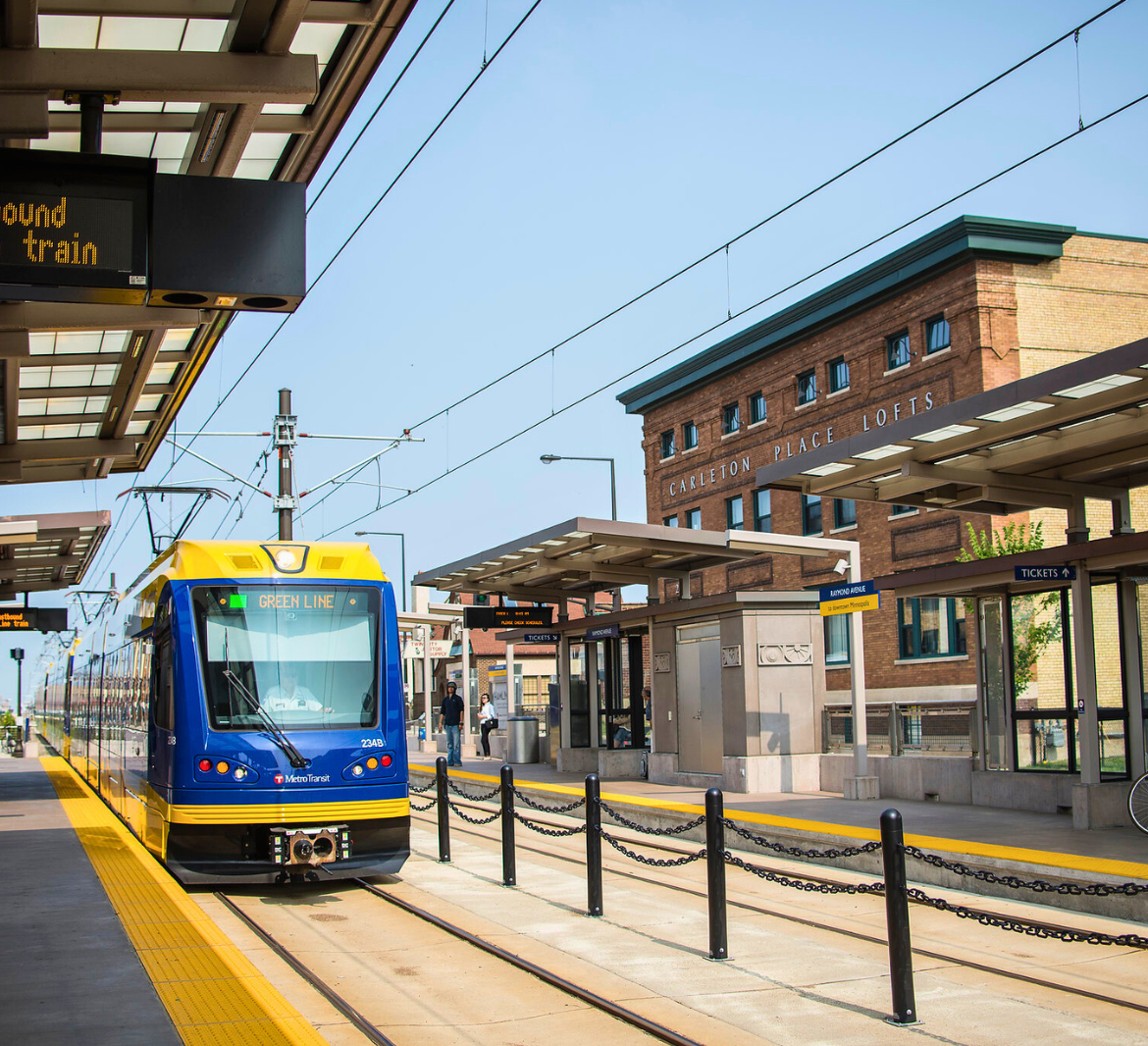
An eastbound Green Line train pulls into a station alongside apartment buildings.

Advancing equitable transit-oriented development requires all hands at the community level, but leadership at the state and federal level can also help propel change.

An eastbound Green Line train pulls into a station alongside apartment buildings.
Development near the Raymond Avenue station in the Twin Cities. (Source: Eric Wheeler, Metro Transit)

Public transportation and housing work in tandem. People want to live in walkable areas that are close to frequent transit stations to move around quickly. Equitable transit-oriented development (ETOD) helps meet this desire by maximizing the amount of residential, business and leisure spaces within walking distance of public transportation.

Locating public transit near everyday destinations promotes ridership and makes it easier for people to travel without needing a private vehicle. It’s a vital component to establishing well-connected communities and promoting economic growth. However, it’s difficult to build any form of transit within one mile of residential spaces.

On June 26th, 2024 the Future of Transportation Caucus hosted a congressional briefing focused on equitable transit-oriented development. Here are a few of the barriers to ETOD that came up during the briefing.

Local legislation can restrict development

Principal Research Associate from the Urban Institute, Yonah Freemark explained during the briefing that many localities have land use policies that restrict dense and mixed use buildings near transit.

Additionally, zoning laws in many cities have been stagnant in updating their codes. Planning Manager for the City of Columbus, Alex Saursmith, highlighted this point with his own city, where the zoning code has not been updated in 70 years. Currently, only 6,000 housing units can be constructed every 10 years, despite Columbus being one of the fastest growing cities in the country.

ETOD is also more financially effective than supporting continued road-building by prioritizing development density. It better maintains and maximizes the benefits of existing infrastructure. As LOCUS Chair Alecia Hill explained, state legislators should have an economic financial incentive to promote equitable transit-oriented development. When a lack of housing supply coupled with a lack of transportation options drives up household costs, residents are the ones who pay the price.

Transportation costs are the second largest expense category, behind housing, for most households. When households are already severely economically constrained, the costs of housing and transportation can be particularly difficult to meet. Renters that are cost-burdened or severely cost-burdened can spend greater than 30 or 50 percent, respectively, of their gross income on housing costs, according to the Joint Center for Housing Studies of Harvard University. The Bureau of Transportation Statistics found that households with income lower than $25,000 who own at least one vehicle spent 38 percent of their after-tax income on transportation in 2022.

Community voices are key

Community input is a foundational factor to rally support for more housing and transit. It’s important for citizens to have an opportunity to provide input early and see how their concerns will be addressed.

Sometimes, residents oppose new housing development for a variety of reasons, ranging from a fear of losing a community’s identity to a fear of increased traffic or reduced property values. Practitioners and legislators should listen and respond to these concerns. For example, they could point to research like this study from Livable Cities Lab which showed that some property values increased when more housing was introduced. In addition, legislators working to adopt new zoning regulations would be wise to find their local allies and enlist their help in developing community support. Explaining how new housing development relates to the community’s values and goals can further strengthen the case for change.

As Saursmith explained during the briefing, areas that have seen high population growth are a major driving force to zoning reform, especially when those areas are economically disadvantaged. These places are in desperate need of more housing, especially mixed-use residentials within walking distance to transit. He notes that with noticeable population growth, innate political pressure grows to update local amendments that have become obsolete. Generally, political pressure on leaders is the start to policy-making change.

Labor perspectives are also vital to promoting ETOD, especially within the realm of unions. Executive Director of Good Jobs First, Greg LeRoy, explained that some unions have begun to embrace urban density, arguing that promoting density is not only beneficial for the environment, public health, and economic growth, but also innately pro-union and pro-jobs.

More equitable, better connected communities

Updating zoning laws requires having local city council members and state leaders actively and loudly call for reform. Calling local representatives and campaigning for leadership that will advocate for updated zoning laws is part of the solution to allow for more housing. The other side of the issue to address focuses on the grassroots level. Tackling discourse in online spaces, attending city council meetings in promotion of more housing near transit, or canvassing on referendums are all opportunities to promote ETOD.

Even federal leaders like members in the Future of Transportation Caucus make waves to address housing and transit, helping to propel the conversation forward. In 2020, Representative Jesús Chuy García introduced a bill to promote housing near transit and establish an office under DOT specifically for ETOD. These avenues all provide a chance to showcase the numerous economic, public health, and environmental benefits of constructing housing near transit.

We need to expand the conversation on transportation safety
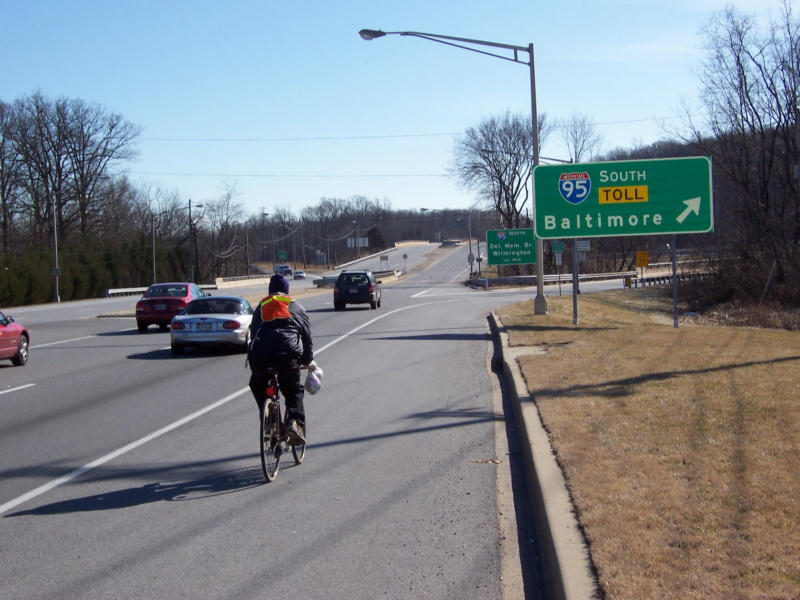
A cyclist travels down a busy highway on their way to Baltimore.

We can’t significantly address safety concerns if we’re not looking at the most dangerous modes of transportation.

A cyclist travels down a busy highway on their way to Baltimore.
(Frank Warnock, Bike Delaware)

On May 9, the chairman of the House Transportation & Infrastructure Committee, Representative Sam Graves, and the chairman of the Highways and Transit Subcommittee, Representative Rick Crawford highlighted recent increases in crime reports according to FTA-tracked data. The period of time evaluated (2020-2022) represents some of the worst times for transit as agencies struggled to deliver service, ridership fell, and travel behavior changed across the country.

Transit safety is foundational to encouraging communities to utilize this public resource and enjoy its numerous benefits, including economic, environmental, and public health benefits. It is essential that federal investments protect taxpayers as they travel. Unfortunately, Representatives Graves and Crawford failed to take note of the need for safety enhancements for all modes of transportation, including modes that are far more dangerous than taking the bus.

From 2020-2022, during that same period highlighted by Graves and Crawford, fatalities on our roadways exploded. According to the National Highway Traffic Safety Administration, projected roadway fatalities increased from 39,007 to 42,795. According to Smart Growth America’s Dangerous by Design report, the number of people hit and killed while walking grew to 7,522 in 2022, marking a 40-year high.

According to the Bureau of Transportation Statistics, passenger car occupants are the primary victims in highway fatalities, totaling more than 10,000 deaths each year since 2010. By contrast, non-rail public transit occupants (like bus riders) accounted for less than 100 highway fatalities each year. Other types of public transit, like subways, accounted for less than 300 transportation-related fatalities each year. (To fully understand these numbers, it’s important to note that highway fatalities, including non-rail public transit, counted only direct fatalities like deaths that occur due to a collision. Other types of public transit included incident-related fatalities, and so these deaths are likely overstated in comparison.)

Whether we’re driving, biking, walking, or taking public transit, we should be able to travel safely. But when representatives like Crawford derail the conversation to “shine a light” on transit security alone, it unnecessarily discourages and scares individuals from riding public transportation, despite it being statistically safer than operating a private vehicle.

Increased operations funding can help support transit agencies’ efforts to improve safety. Hiring transit ambassadors and having security officers on board are just two interventions that would support crime mitigation efforts. Collaborating with local services to support housing and mental health could help address criminal activity from multiple angles.

Transit ambassadors point a rider in the right direction
(LA Metro)

Safety must be a priority—no matter how we travel

We’re glad federal representatives are having conversations about transportation safety, and we hope to see these conversations translate into increased funding for transit operations and security. But to truly address dangerous travel conditions, we need to consider the full picture. We hope to see additional efforts to address the top contributor to transportation-related fatalities in the US: private vehicles on high-speed roads.

Find out how we can enhance safety for all road users by improving street design. Read Dangerous by Design here.

The East Link showcases progress and enthusiasm for public transit
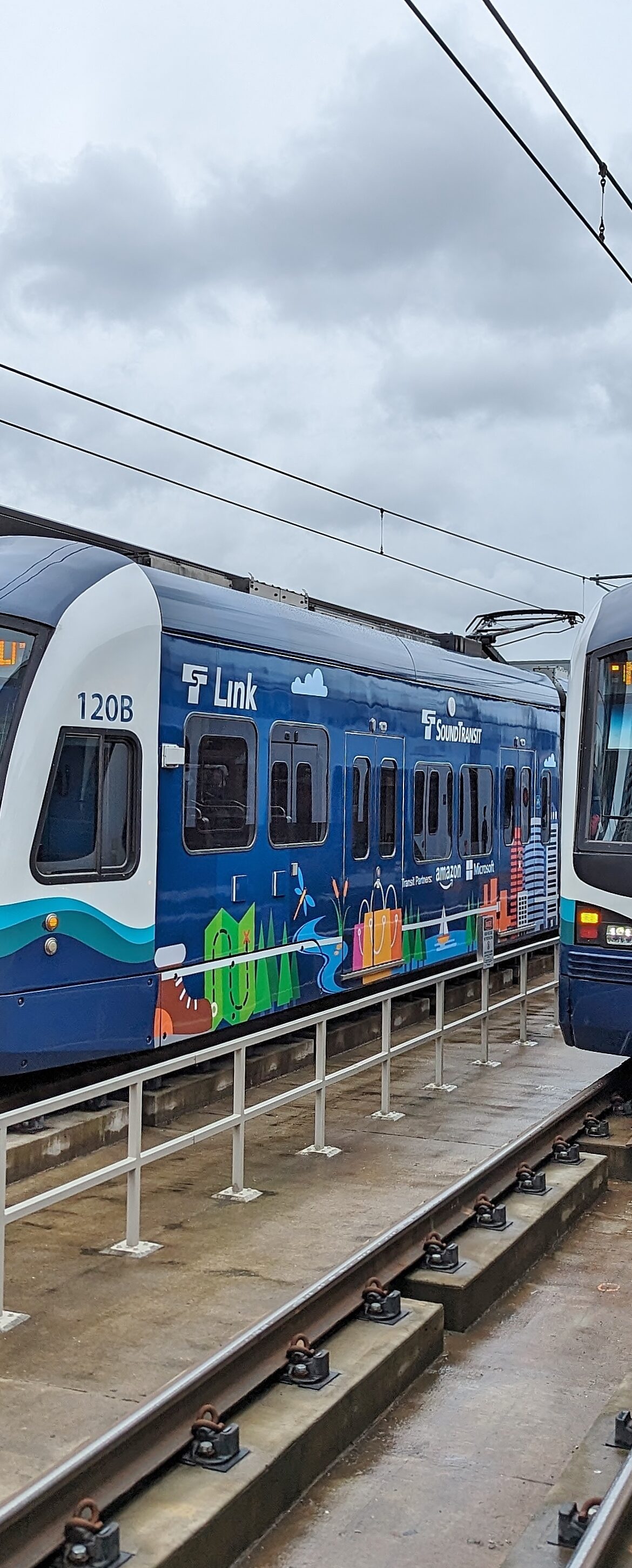
Crowds form to hop on East Link line trains on their first day running in downtown Bellevue

On April 27, 2024, Sound Transit opened up the East Link light rail line for riders to connect from Redmond to Bellevue, and ultimately to Seattle. The new rail line was met with noticeable excitement and underscores the need (and eagerness) for improved and additional public transportation.

Crowds form to hop on East Link line trains on their first day running in downtown Bellevue
The opening of the East Link light rail line in Bellevue, Washington (Wikimedia Commons)

Why light rail?

Light rail is rail-based transportation that can operate in mixed traffic (similar to streetcars, which you might find in cities like New Orleans or San Francisco). These systems are designed to carry more passengers than even a very frequent and packed bus line (like the M15 in NYC which carries at least 30,000 passengers daily) but less passengers than a heavy rail transit line (like New York’s 6 train, carrying nearly 400,000 riders a day). Heavy rail is typically utilized when spacing between stations needs to be farther apart, usually for bigger cities like New York City, which is three times larger than Seattle.

Light rail’s charm can come from many perspectives. Riders might choose to take light rail because it can be more reliable and frequent than a bus, particularly buses that have to share lanes with private vehicles. Light rail is a cheaper alternative than driving a car when accounting for time, gas prices, maintenance, and car payments, and taking this form of transit can help riders avoid the frustration of rush hour traffic. The term “light rail” is also associated with “clean” energy use and quiet, quick transport. Meanwhile, municipalities might find that light rail is a more cost-effective option than constructing a subway system.

Building on the success of previous lines, Seattle has invested in the East Link light rail line (also called the 2 Line), which opened to fanfare on April 27, 2024. Once fully completed, the East Link will connect Seattle and the 1 Line (formerly Central Link from Northgate to Angle Lake) in the west to Bellevue and Redmond in the east.

Current route for the 2 Line, starting in Redmond and ending in Bellevue
East Link route as of April 27, 2024
The East Link extension route shown in blue, starting at Chinatown in Seattle and making stops in Mercer Island, Bellevue, and Redmond, finally ending at Downtown Redmond.
East Link Extension (Sound Transit)

Bellevue’s transportation champions

The Seattle area’s investment in public transit didn’t start with light rail. In the 1960s, the federal government offered to cover 80 percent of the costs for a potential 49-mile rapid transit system in the state. The funding and proposal were turned down due to fear of growth and financial costs. The lost opportunity spurred movement in Seattle to begin the long process of establishing an improved public transit system. There is a clear priority and demand for improved and additional transit in Washington state—and luckily, there are representatives that understand how to work the levers to obtain it.

Senator Patty Murray (D-WA) has been recognized as a champion for public transit by the American Public Transportation Association and placed a large emphasis on the importance of public transit in decreasing congestion and emissions, as well as promoting economic growth. She has had a long history with the light rail project and ensuring that Sound Transit has a future. In 2009, Senator Murray secured $1 billion in federal funding for light rail and other transit related projects.

Former mayor of Seattle and Sound Transit Chairman Greg Nickels grappled with the project from the beginning despite the uncertainty of the progressive plan. Even during his run for mayor in 2001, he campaigned aggressively on Sound Transit’s lack of funding and reiterated the importance of light rail. In 2006, when Seattle’s South Lake Union Streetcar opened and received criticism for sharing lanes with private vehicles, Nickels defended the project on the grounds that it would be built more quickly and would be less costly than alternative public transit options, all while adding more jobs.

Mike McGinn, mayor of Seattle from 2010-2013, also campaigned on the commitment to expand the city’s light rail system to connect to West Seattle. One of the roadblocks faced for the transportation project (as is the obstacle for many) is funding. Stakeholders disagreed on whether the transit line should be funded solely by the city or if it should be part of a larger regional project. McGinn called for a Seattle-only ballot measure to raise funds for the expansion of light rail to prevent money from being held up at the state and county level, as suburban politicians were more likely to be reluctant to fund anything that would not directly benefit private vehicle use. It is not uncommon to present policy proposals that will be politically unpopular and having visionaries that understand the long term benefits is one of the many levers that push products like the 2 Line forward.

Local leaders have worked especially hard to move this project forward, such as King County Councilmember Claudia Balducci, an outspoken transit and affordable housing champion. She is a former mayor of Bellevue and continued her advocacy on the 2 Line when she was elected to the city council in 2015. Current Bellevue Mayor Lynne Robinson, Deputy Mayor Mo Malakoutian, and the entire city council have also been supportive of the light rail expansion and were all present for the grand opening.

A group of Bellevue city leaders and stakeholders lift their shovels to break ground for the new extension
Groundbreaking ceremony for the East Link in Bellevue (Wikimedia Commons)

Part of supporting progress for transit is understanding where there is hesitancy from constituents and what can be done to address concerns. For example, so that the Eastside community could understand the investment and construction expectations of the project, the city demonstrated how they would strategically incorporate the light rail system into city planning. This led to the creation of the BelRed subarea plan, which aims to deliver transit-oriented development including implementing a broad range of housing and walkable/bikeable neighborhoods that connect to the regional transit network. Safety was another voiced concern, which the city addressed by having first responders train months ahead to respond effectively in tunnels and elevated tracks and activating the Bellevue Police Unit dedicated to security on transit.

Opportunities ahead for the Seattle area and beyond

Seattle has a promising transportation future ahead with the new light rail line and should be used as a guiding light for political leaders and community advocates. This was a long overdue effort for Seattle to connect the east to the west, and despite setbacks along the way, visionaries in recent history helped make it happen by standing tall against the opposition to implement the long needed project. Finally, advocating for change at the leadership level required addressing community needs in a balanced manner, standing by principles, and maintaining the vision that long-term success is complex and requires layered discourse. The story of the East Link shows that creating substantial change comes from all different levels and actors working together to make a difference.

Two years in, progress still needed for reconnecting communities
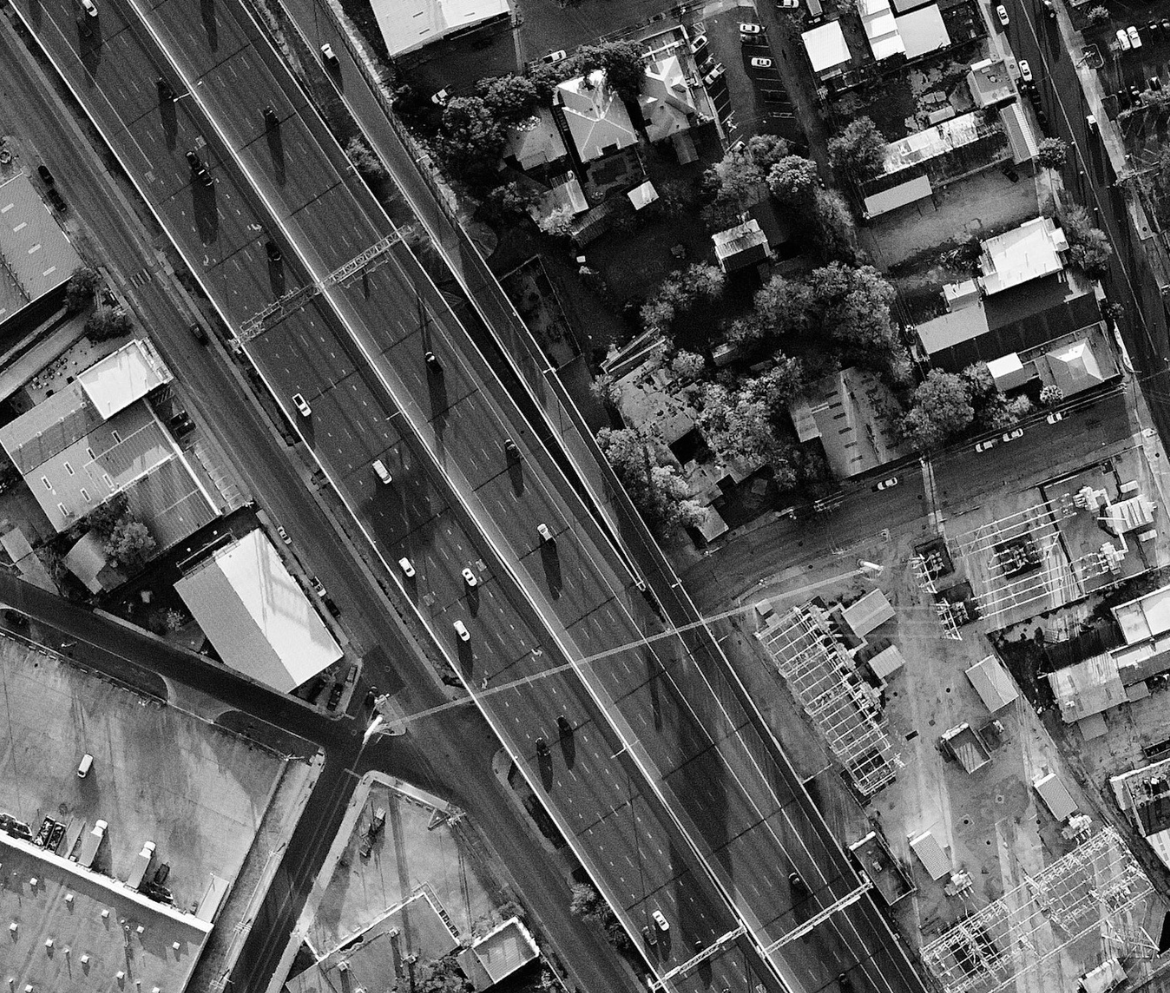
Black and white aerial image of a highway separating a neighborhood from a row of businesses

In March 2024, the Office of the Secretary at USDOT announced awards for the Reconnecting Communities Program. This program is intended to improve access to daily needs and repair past harms by removing or mitigating divisive infrastructure, particularly in disadvantaged communities. This year, funding was expanded from last year’s awards, but will these funds meet the program’s goals?

Black and white aerial image of a highway separating a neighborhood from a row of businesses
The Reconnecting Communities Program presents an opportunity to address past harms. (Unsplash, Judah Estrada)

As we explained in our report Divided by Design, low-income communities and communities of color have been and continue to be disproportionately harmed by our approach to transportation in the United States. Past decisions, including routing the Interstate Highway System through communities of color, dividing and often demolishing them in the process, still shape our built environment. Without change, people living in communities divided by harmful infrastructure are more likely to be exposed to air pollution, face an increased risk of being hit and killed while walking, and experience reduced access to jobs and opportunity.

A small program to knit communities back together

Last year, we reviewed the first round of awards from the Reconnecting Communities Pilot Program, a discretionary grant program aimed at mitigating the damage caused by divisive infrastructure. The second round of awards, announced this year, was combined with the Neighborhood Access and Equity (NAE) program, forming the Reconnecting Communities and Neighborhoods Program (which we’ll call the Reconnecting Communities Program). It’s important to note that because NAE funds were allocated all at once, these past two rounds of investment represent the majority of federal funds dedicated to reconnecting communities projects. So how is this investment going?

Many federal infrastructure grants and formula funds go toward highways in some capacity—our recent analysis of state spending found that about 25 percent of federal formula funds are being used for highway expansions. By comparison, safety projects and reconnection projects do not receive the same amount of investment or attention. The Reconnecting Communities Program, though relatively small (roughly $3.3 billion this year) compared to federal formula programs, presents an important opportunity to finance projects that prioritize reconnecting communities.

A lot of the communities that were awarded funding utilized their awards for the Reconnecting Communities Program’s exact intent—they’ve begun work on constructing pedestrian bridges or bike infrastructure, or they’re using the funds to study the feasibility of new routes to bike, walk, and use public transit in their cities. For example, the City of Milwaukee received a $36 million construction grant to build bike and pedestrian infrastructure, as well as transit, along its 6th Street corridor, widened in the 1960s to accommodate vehicle flow from I-94 and I-43, two divisive highways that demolished Black and Brown homes in the mid-1900s. The new project will allow the surrounding neighborhoods to access jobs and services downtown. The Port of Los Angeles received a $5 million grant for a waterfront pedestrian bridge. This project aims to construct a pedestrian bridge over two main freight line tracks, connecting the community to greenspace along the water.

Perpetuating divides

Despite many of these projects using their grant money towards needed improvement and connections, some of the grant funding will not be fully utilized to connect communities. For example, projects that add safety features for people walking and biking around large, dangerous roadways are improvements overall, but they won’t go far enough to truly address divisive infrastructure. These projects would likely be a better fit for larger, more flexible funding sources than a small, specific program like the Reconnecting Communities Program. By using reconnecting communities funds to skirt around divisive infrastructure rather than address it head-on, we risk missing out on more ambitious initiatives to reduce and repair harm.

Aerial photograph of I-5 in Rose Quarter, showing several wide lanes that divide the community
I-5 Rose Quarter area as of 2022. (Flickr, Oregon Department of Transportation)

One of the more egregious examples of an awarded project would be the I-5 Rose Quarter Improvement Project in Oregon. The planned expansion of I-5 in Rose Quarter has faced resistance for years, including from young climate activists at the nearby middle school already exposed to harmful air pollution from the existing highway. ODOT’s plans to cap the highway (while still expanding it) received $450 million in funding from the Reconnecting Communities Program. In this case, the program will mitigate a new harm, not repair a mistake from the past.

The I-5 project is not alone—America Walks identified four projects that received funding from the Reconnecting Communities Program that will ultimately lead to more displacement and approach reconnecting communities as an afterthought. The program is intended to address past divides, but as current decision-making continues to perpetuate harm, this small federal program must bridge an ever-widening gap.

Looking ahead

The Reconnecting Communities Program represents a start to bringing communities together and supporting safe, low-cost, and low-emission travel. The program is still new, and the next reauthorization will present an opportunity to strengthen and expand it. In the meantime, USDOT has an opportunity right now to improve on the substance of the projects that are awarded. USDOT should place a larger emphasis on purposefully moving away from highway systems and provide examples of projects that improve safety and connectivity, such as bike infrastructure and bus rapid transit. In addition, advocacy at the local and federal levels can continue to raise awareness of the importance of connecting communities and building safe streets.

Our current transportation system prioritizes the movement of vehicles over all else, and communities of color and low-income communities have often paid the price. To make a substantial impact in addressing community divides, local and federal agencies will need to take a closer look at how their existing models and practices enable further harm, and work to reshape the system for the better. Learn more here.