Transportation For America » carbon emissions

Can we cut the carbon emissions from transportation in half by 2050?

July 30, 2009
By Stephen Lee Davis

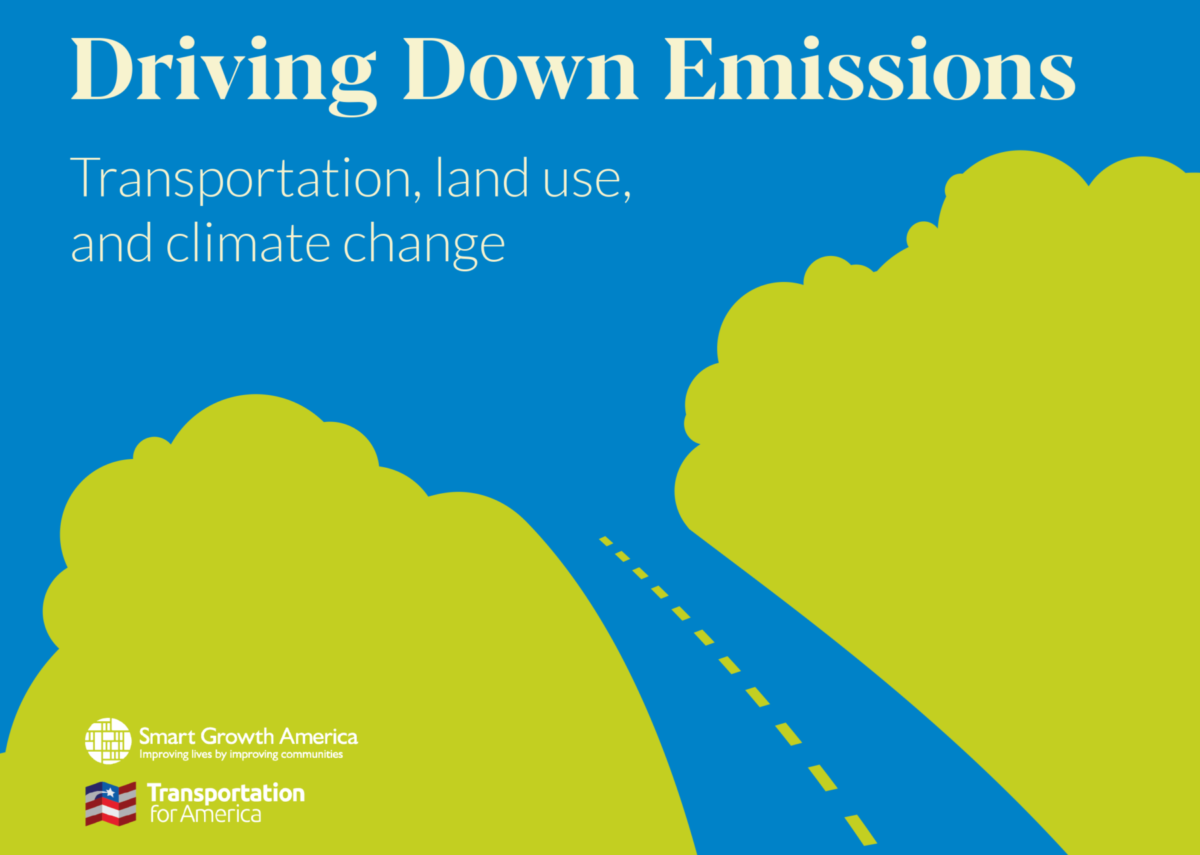
Moving Cooler Cover GraphicIf we’re serious about reducing CO2 emissions, with nearly a third (28%) of our greenhouse gas emissions coming from the transportation sector, the question won’t be should we try to get cuts from transportation, but rather, what cuts can we get from transportation? Moving Cooler, a new report released this week by a collection of groups, studies that question in depth and demonstrates how we can clean the atmosphere while also reducing our oil dependency, expanding our options for living and getting around and making transportation more affordable overall.

T4 America is currently focused on making sure that a share of revenues generated by the climate bill will be directed into cleaner transportation choices, but there’s been some question about exactly which strategies and investments will be the best bet for getting the cuts we need to meet our ambitious targets.

Building on the 2008 release of Growing Cooler, which showed how increases in driving and population would wipe out gains in fuel mileage technology, Moving Cooler makes the case that we need to look beyond the idea that newer, more efficient cars or low-carbon fuels will be enough on their own to achieve the big reductions we’ll need to meet our targets. What other strategies can we employ to get there from here?

The report looks at “bundles” of different techniques for reducing emissions from transportation — like road pricing, intelligent transportation systems, increased public transportation, pay-as-you-drive insurance, and making walking and biking safer and more convenient, to name a few — and finds that we could cut transportation emissions by as much as 47 percent if we employed all the tools examined in Moving Cooler.

Implementing some of these strategies would help cut emissions, but also provide Americans with numerous other benefits.

Offering more good options for living and getting around while using less oil will reduce our individual and national vulnerability to disruptions in either the oil supply or the climate. Giving more people the opportunity to drive less to accomplish daily tasks is essential to any long-lasting strategy. The best message from this report is that we can increase personal choice and freedom without imposing unnecessary hardships.

Growing Cooler showed that people living in more efficient, less automobile dependent environments drive about a third less, on average. Meeting the growing demand for more housing and travel choices would reduce driving and become a significant factor in fighting climate change.

Moving Cooler shows how a combination of public investment and market forces can unleash the private sector to help reduce our carbon footprint and reduce oil dependency by giving people the types of transportation choices they are increasingly looking for.

Bookmark and Share

Breaking Down the Blueprint: Climate Stability and Environmental Protection

May 27, 2009
By Andrew Bielak

NTO Objective Series Climate Graphic
We continue our series on the Transportation for America Blueprint this week with a look at the second of six core objectives we believe Congress must embrace in the next transportation bill — environmental protection, climate stability, and environmental justice.

As we’ve discussed here before, our Blueprint has six overarching national objectives, which we believe should provide a vision for the future and a guide for our federal transportation policy. One of the biggest criticisms leveled at our country’s transportation spending is that there are no clear goals for what the money should accomplish. Therefore, T4 America is looking to define a clear purpose for our system — and these six objectives are like the rudder to steer the ship.

To ensure that we can meet these objectives and measure our progress, we created 10 performance targets — clear, quantifiable goals for the next 20 years that are tied directly to the six national objectives. (You can see the two that most directly link in with this objective at the top of this post.)

Our country needs a transportation system that keeps our air clean, helps us fight climate change, and protects all Americans — no matter who they are or where they live — from dangerous environmental pollution. Unfortunately, our existing policies — which subsidize sprawling development and foster dependence on automobiles — have made protecting our environment and our communities an increasingly challenging task.

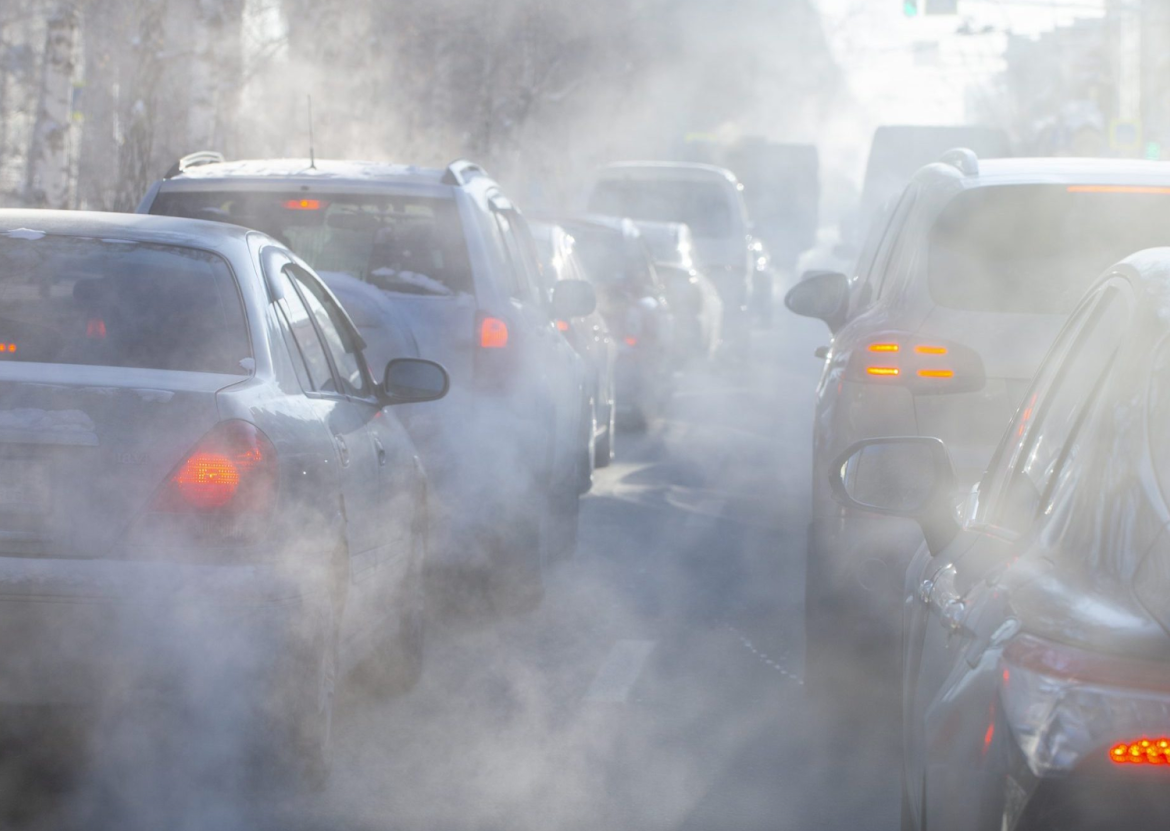
Thirty percent of greenhouse gas emissions in the United States comes from transportation, which produces more CO2 than any other country’s entire economy, save China. And while policymakers in Congress have mandated increased fuel efficiency for automakers in order to help reduce emissions, the sheer growth in the number of miles Americans drive — and lack of other viable transportation options — threatens to overwhelm these benefits.

As we described in our previous post on public health and safety, pollution from automobiles and other sources can have devastating effects on people’s health, particularly in the poorer or impoverished communities that often bear the brunt of these negative impacts.

In order to guide our transportation program and help create a safer, cleaner, and healthier system, Transportation for America believes in that we should strive to meet these two performance measures:

  1. Reduce transportation-generated carbon dioxide levels by 40%.
  2. Achieve zero percent exposure to at-risk levels of air pollution.

To achieve these goals, we’re going to need some real reforms, direct accountability, and a strong commitment to a 21st transportation system. This commitment must include the construction of the second half of our transportation network — including public transportation, bike and pedestrians paths, and high-speed rail — a stronger linkage between transportation and land use policies, and repairs and maintenance on our existing infrastructure to help Americans save time, money and fuel. Investing in the transportation systems that emit less pollution while moving people more efficiently will help us reach these ambitious targets.

To get a better idea of how we plan to enact these reforms, check back later this week when we dive into the specific policies and proposals that T4 America is supporting — and see how an improved transportation system can protect our environment, fight climate change, and foster healthy, clean, pollution-free communities.

Bookmark and Share

Daily Headlines — 05/21/09

May 21, 2009
By Andrew Bielak

  • Along with the drop in driving, U.S. carbon emissions see their sharpest drop in more than 25 years. (Washington Post)
  • Memorial Day driving levels are expected to rise over last year. (New York Times)

Bookmark and Share

Landmark Clean Energy Bill Marks Groundbreaking Effort

April 1, 2009
By Transportation for America

Download this release (.PDF) (.DOC)
Contact:
Cosabeth Bullock
202-478-6128
202-904-7466
cbullock@mrss.com

Washington — Chairman Henry A. Waxman (D-CA) and members of the House Energy and Commerce Committee are to be commended for releasing a clean energy bill that makes significant advances on long overdue legislation to address the impact of transportation on our climate. The bill contains a number of major provisions that will set the country on the path to lower greenhouse gas emissions.

Transportation systems contribute approximately one third of the total annual CO2 emissions in the U.S. Right now more than half of U.S. households lack ready access to transportation options that will reduce individual CO2 emissions and help stem global warming. If we are going to successfully combat global warming, the clean energy bill must offer meaningful financial and regulatory incentives for states and metropolitan regions to design and implement aggressive plans that provide residents with cleaner transportation options and begin to modernize our national transportation program. The historic nature of this moment presents a unique chance to establish a new era of environment and energy standards for our transportation system that should not be missed, and Transportation for America stands ready to support Chairman Waxman’s efforts to fully seize the opportunity.

Bookmark and Share

Transportation for America Applauds Move By Representative Matsui to Dramatically Reduce Emissions

April 1, 2009
By Transportation for America

Download this release (.PDF) (.DOC)
Contact:
Cosabeth Bullock
202-478-6128
202-904-7466
cbullock@mrss.com

Washington, D.C. — A bill introduced today by Rep. Doris Matsui (D-CA) will significantly advance states’ efforts to reduce transportation-caused greenhouse gas emissions, while providing a broader range of low-cost travel and living options to their residents.

Rep. Matsui’s groundbreaking bill, referred to the House Energy and Commerce Committee, marks a significant step forward, ensuring that the transportation sector begins to do its part toward climate protection. The bill, the Smart Planning for Smart Growth Act of 2009, would require states to set goals for reducing their transportation sector emissions and ensure regional transportation planning is in line with the state greenhouse gas goals. It builds on the groundbreaking Blueprint program in Rep. Matsui’s hometown of Sacramento, California.

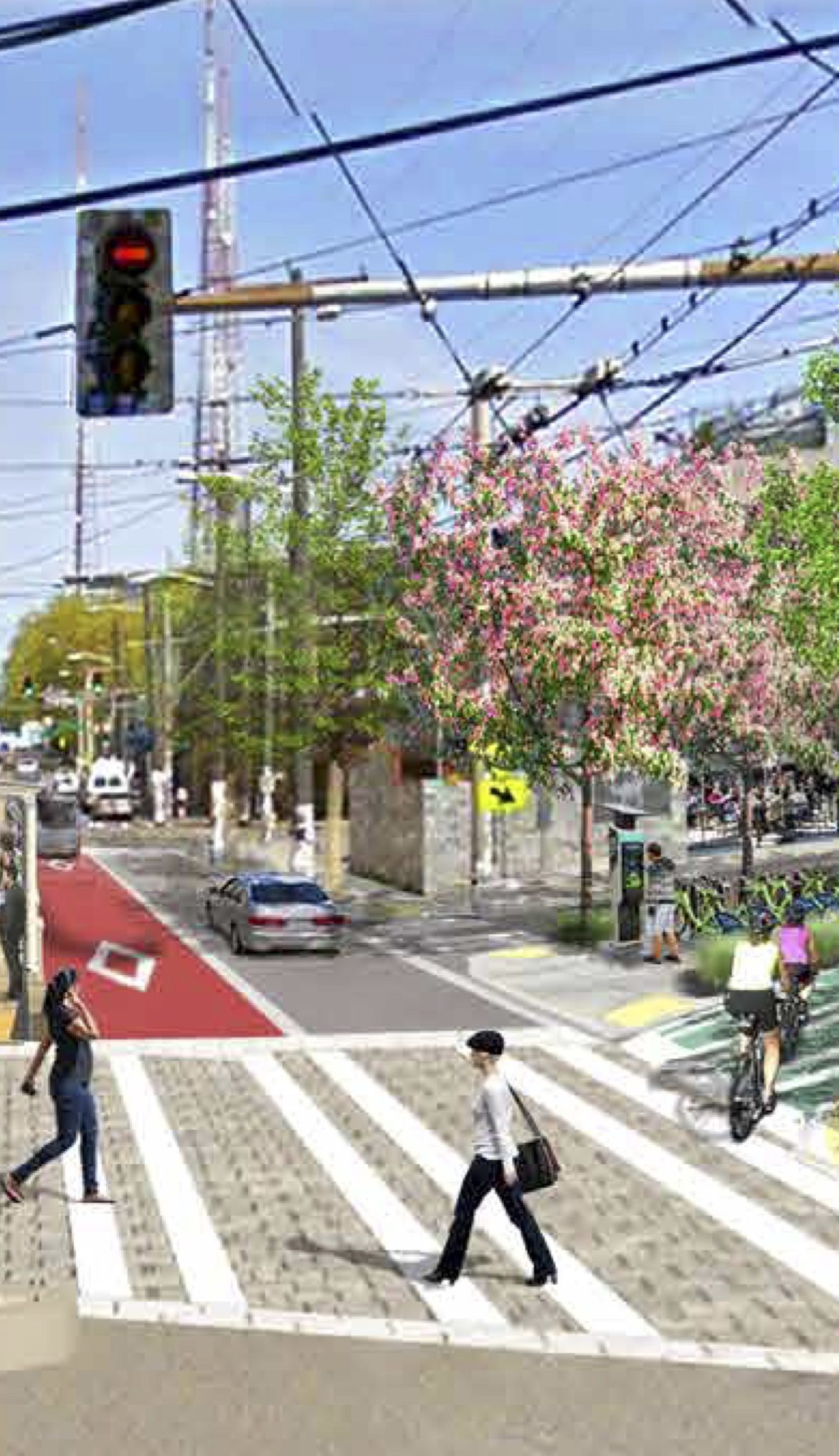
The bill advocates for coordination between individual states and the Environmental Protection Agency in setting the greenhouse gas emissions targets for 10- and 20-year periods. States and metropolitan areas are encouraged to expand clean, low-cost transportation options in order to meet those targets, including new and increased transit service, land-use practices that promote walkable, transit-served neighborhoods, bicycle and pedestrian friendly complete street networks, and expanded, smart commuting options for drivers. The bill ensures that the public is involved throughout the process to set targets and develop the plans to meet the targets.

Transportation systems contribute approximately one-third of the total annual CO2 emissions in the U.S. Right now more than half of U.S. households lack ready access to transportation options that will reduce individual greenhouse emissions and help stem global warming.

If we are going to successfully combat global warming and protect our climate, Congress must offer meaningful financial and regulatory incentives for states and metropolitan areas to design and implement aggressive plans that provide residents with cleaner transportation options and begin to modernize our national transportation program. The transportation sector must contribute its fair share toward greenhouse gas emissions reductions in order to meet climate goals and reduce the burden on the rest of the economy.

Transportation for America urges the Committee to include the Matsui approach in forthcoming climate legislation.

Bookmark and Share

U.S. Rep. Jim Oberstar and future transit funding

October 14, 2008
By Andrew Bielak

U.S. Representative James Oberstar, the chairman of the House Transportation and Infrastructure Committee, answers questions from the Kansas City Star about the challenges facing our transportation system and the role of transit in reducing greenhouse gas emissions and oil dependence.

Bookmark and Share

Cut the Sprawl, Cut the Warming

October 7, 2008
By Andrew Bielak

The New York Times editorial board applauds California’s passage of an anti-sprawl bill and urges other states to follow its lead.

Bookmark and Share

Schwarzenegger signs greenhouse gas bill

October 2, 2008
By Andrew Bielak

With a new bill signed on Tuesday by Governor Arnold Schwarzenegger, California’s planning agencies gain new ammo in the fight against sprawl, carbon emissions, and climate change. (Associated Press — Steve Lawrence)

Bookmark and Share

A Big Sum of Small Differences

October 2, 2008
By Andrew Bielak

A new study from McKinsey and Company shows American consumers as having either direct or indirect control over 65 percent the country’s carbon emissions.

Bookmark and Share

Hailey supports transportation funding reform

October 1, 2008
By Andrew Bielak

The city council of Hailey, Idaho — which is already working to reduce the town’s greenhouse gas emissions — voted this week to support a campaign for federal transportation reform led by U.S. PIRG. (Idaho Mountain Express — Tony Evans)

Bookmark and Share

Older posts »

About Us | Our Partners | Contact Us | For The Media | Become a Partner

Transportation for America
1707 L Street NW Ste. 250
Washington, DC 20036
202-955-5543

Creative Commons License
This site is licensed under a
Creative Commons License
.