Posts Tagged "interstate"
Divided by Design: Quantifying the damage of our transportation program
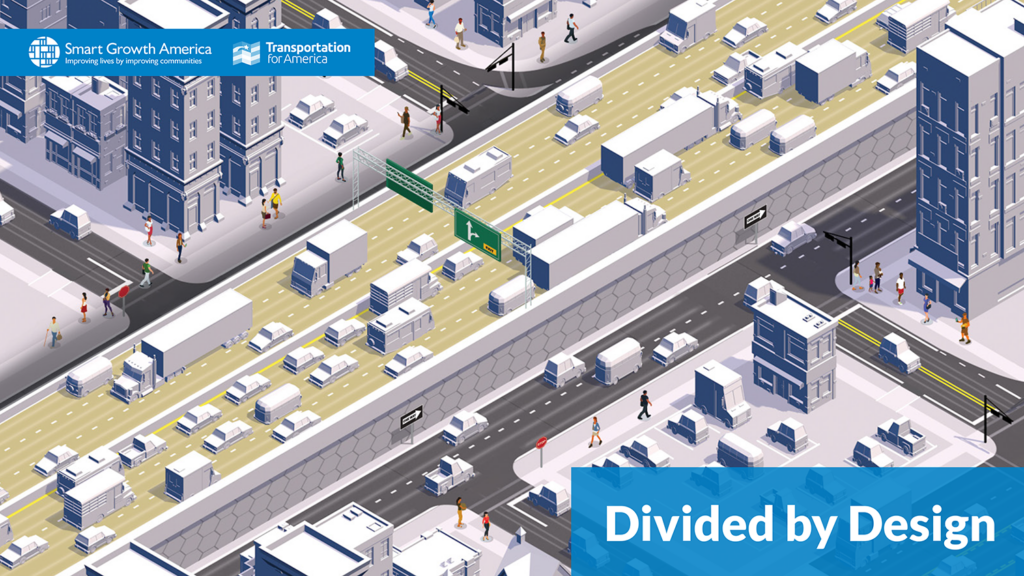
Our new report examines the racist roots of our current transportation system. Most importantly, it demonstrates how today’s policies and practices were shaped by the past, leading to racial disparities today. Without a fundamental change to the overall approach to transportation, today’s leaders and transportation professionals, no matter their intent, will perpetuate and exacerbate the damage.
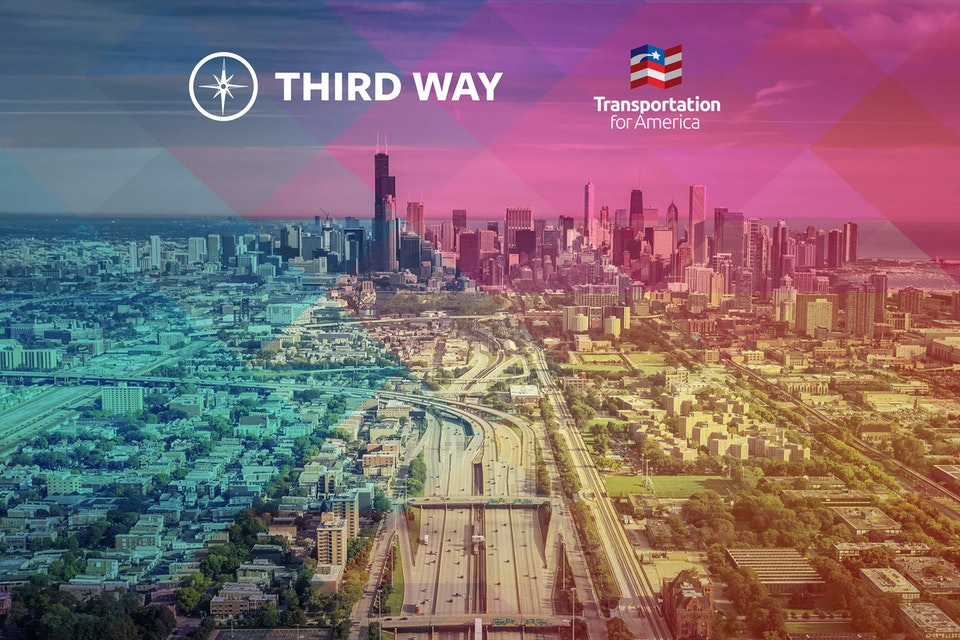
How best to stitch a community back together divided by an interstate?

USDOT is in the midst of a new initiative to address some of damage created by interstates driven through the heart of urban areas. Last week a group of experts traveled to Nashville to discuss ways to repair the damage inflicted upon a part of North Nashville by a segment of Interstate 40.
58-year-old bridge collapses in Washington State on west coast’s most major interstate
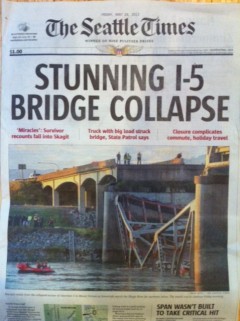 Shortly after the evening commute last night (around 7 p.m. local time) an entire section of the Interstate 5 bridge — both north and southbound lanes — over the Skagit River north of Seattle, Washington collapsed and fell into the river, sending two cars tumbling down into the river, injuring three yet miraculously killing no one. One of those who plunged into the river along with his wife called it a “miracle” that no one was killed or more severely injured.
Planning for the future: Washington’s new Woodrow Wilson Bridge
Here in Washington, DC last weekend, the 12-foot-wide bicycle and pedestrian lane of the Woodrow Wilson interstate bridge over the Potomac River held its grand opening, filling with bikers and walkers joining the thousands of cars that cross the bridge each day. The bridge, connecting Virginia and Maryland on the southern part of the Capital Beltway, is a vital transportation link in the region, where Interstate 95 (and the large majority of truck traffic) bypasses Washington, continuing north or south along the eastern seaboard. But making the Wilson Bridge an intermodal success was not easy.
Our three principles
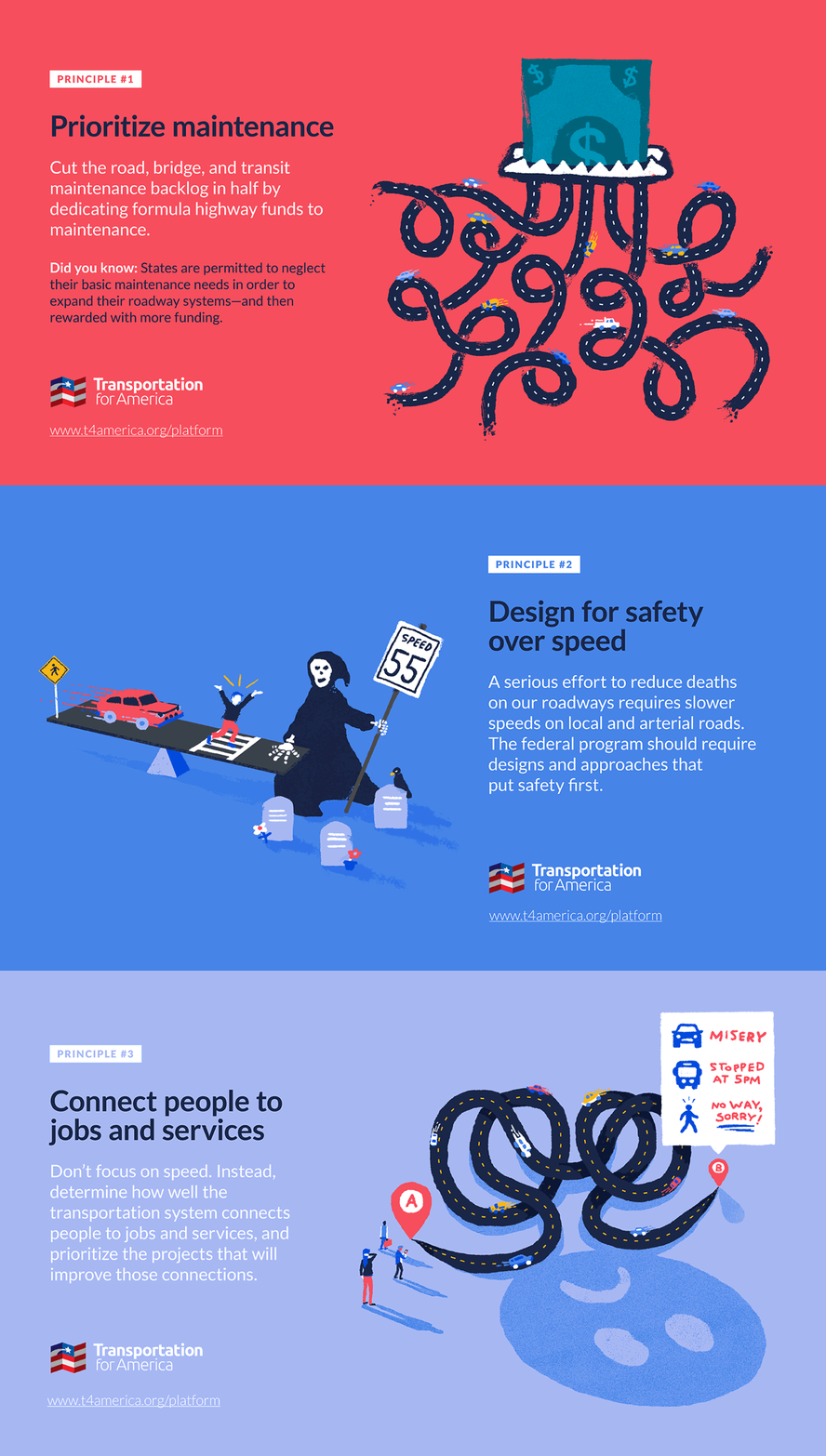
It’s past time to elevate the national conversation about infrastructure beyond just the price tag.
Learn more about our platformLatest From The Blog


There’s a climate cost to America’s freeways, and…
Apr 23rd, 2024


Progress for passenger rail in the South and…
Apr 10th, 2024

I cannot find the zoom link, I registered…
Jan 6th, 2024

A rare look behind the curtain of Transportation…
Jul 28th, 2023

In what Harrison Ford said was his most…
Jul 25th, 2023

Good example, walking to the local taco place…
Jul 24th, 2023