Posts Tagged "equity"
Puget Sound’s strategy to center equity in the new normal
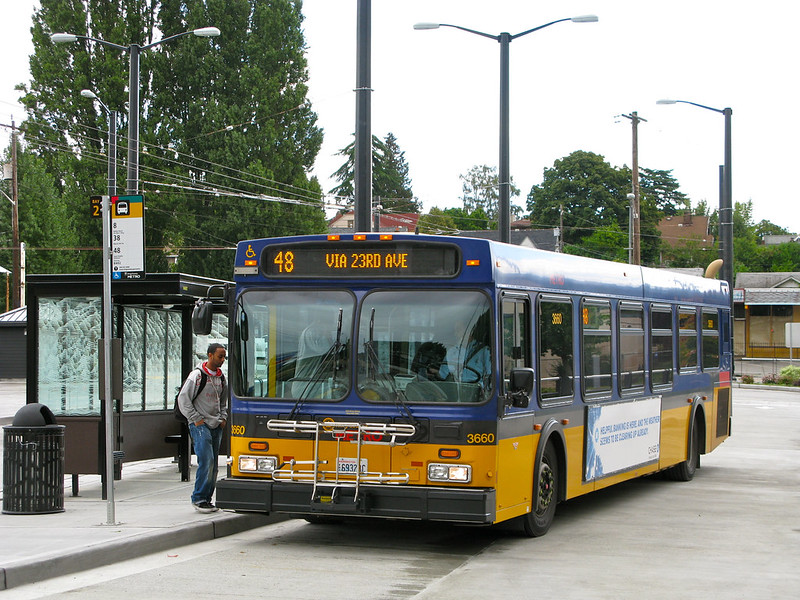
Spurred on by COVID-19 disruptions, leaders of the Puget Sound Regional Council found a new way to allocate federal transit formula dollars. Their equity-focused distribution could help the most vulnerable communities while also adapting to new travel trends.
Reconnecting the Hill District to downtown Pittsburgh

In its heyday, the historic Hill District neighborhood was bursting with life. It was full of opportunities and culture; residents treasured it. After slowly cultivating a unique identity through generations and incremental layers of growth, it was nearly destroyed in just a few short years through the building of I-579 and the Civic Arena. Now, 60 years later, some connections are being restored.
Doing justice to Justice40
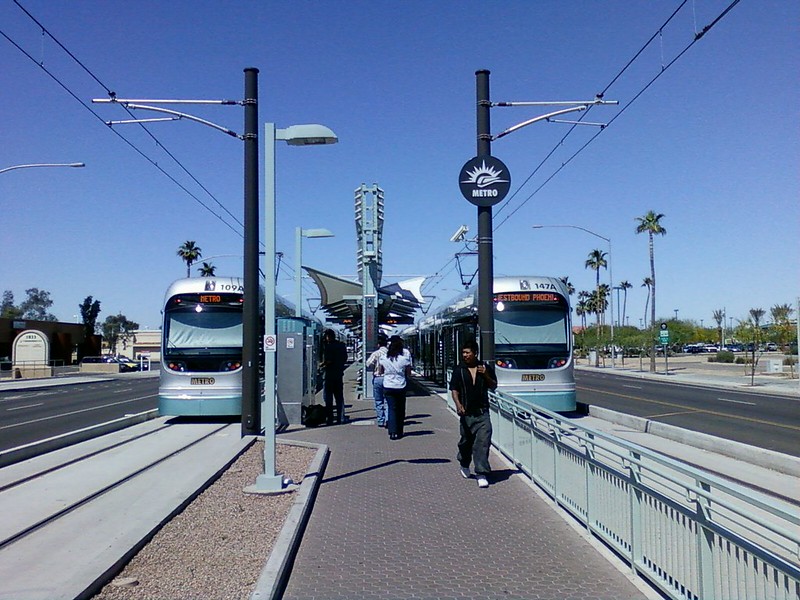
USDOT has finally added more substance to their plan to implement the Biden administration’s Justice40 Initiative. Despite some questions about how many programs can meet Biden’s goal of spending 40 percent on disadvantaged communities, the projects and programs they’ve moved toward Justice40 suggest a real effort to improve equity.
The long fight for connectivity in Milwaukee
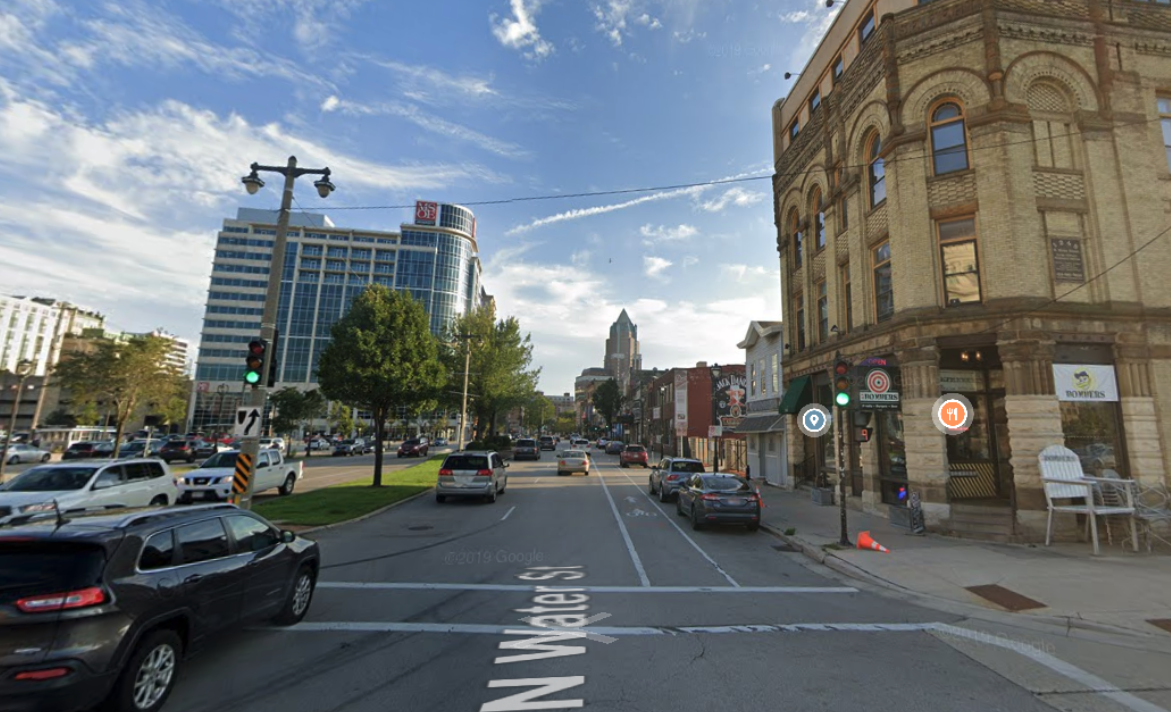
Successfully halting construction on the Park East Freeway in Milwaukee in 1977 was a major early win for advocates. But removing highways is more complicated. Milwaukee confronted that problem in the late 1990s and early 2000s when they attempted to remove the portion that had been built—a story which can serve as a model for other highway removal efforts.
Eliminating driver error doesn’t work. What does? Part I
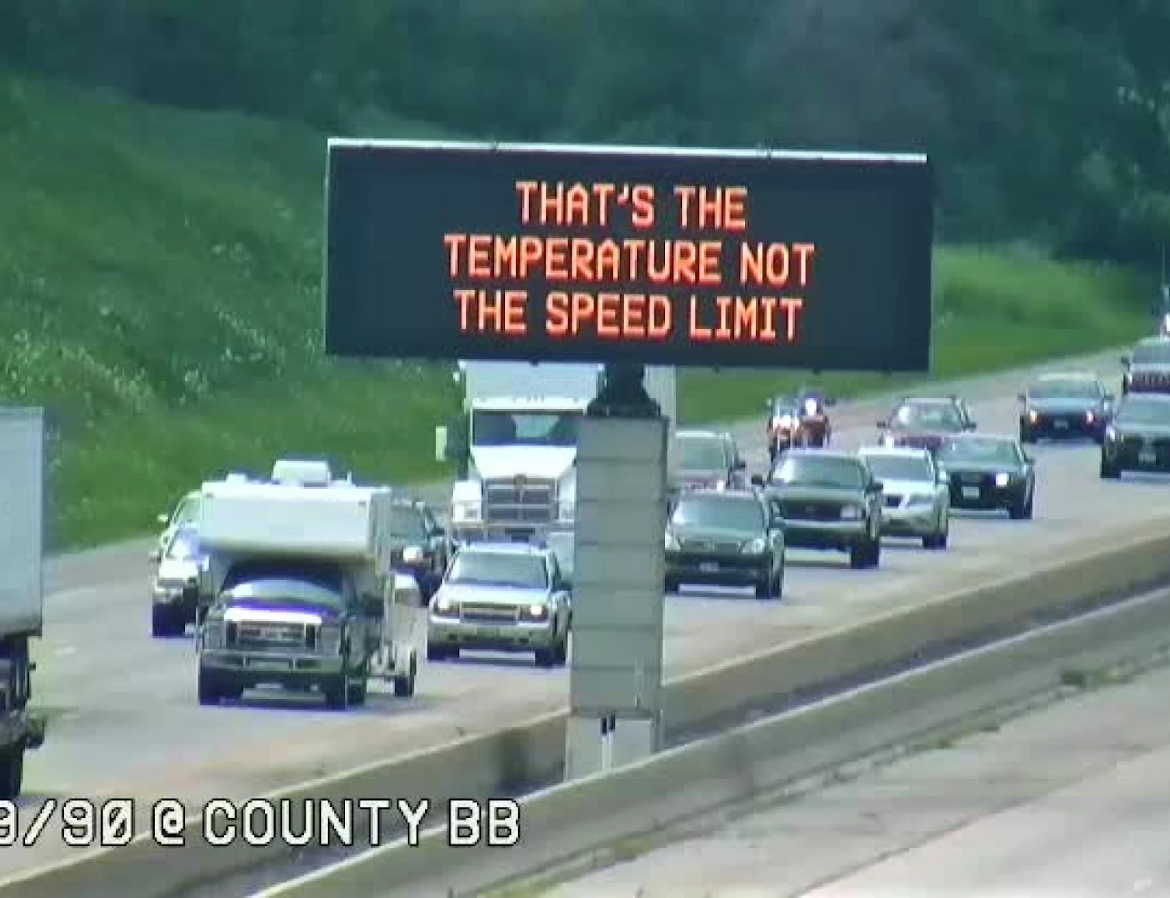
Billions of dollars in new federal highway funding are flowing into road safety programs, so we wanted to review the research on which interventions can save lives on America’s roads—and which are failing to do so. All the available data tell us one thing clearly: strategies that fail to accept human error and reduce speeds also fail to reduce road casualties.
Your questions about the Reconnecting Communities Program, answered
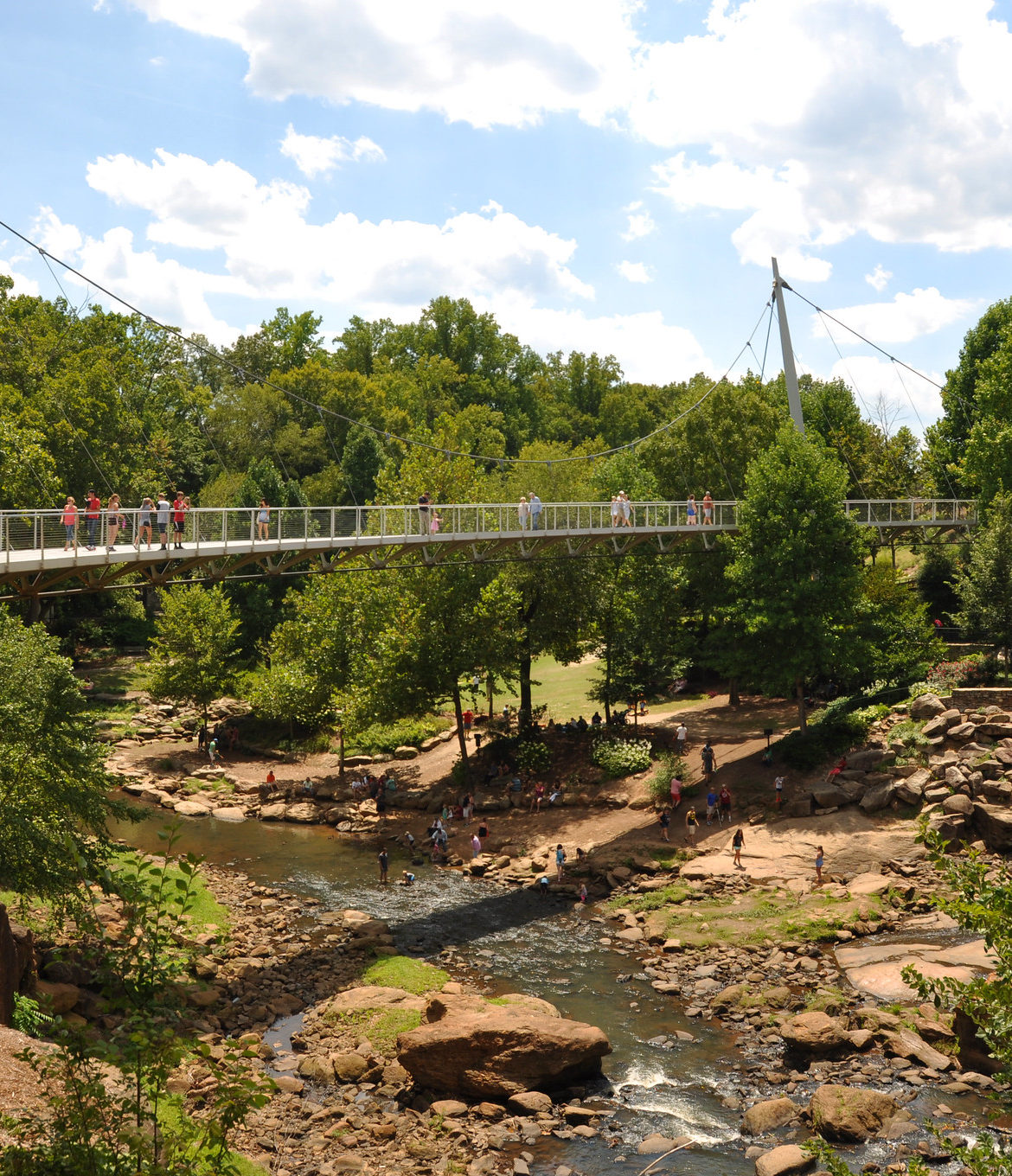
The Reconnecting Communities Program is a new program passed under the 2021 infrastructure law, and there’s a lot to learn about what it can accomplish. That’s why we hosted a webinar on the Reconnecting Communities Program last month. Here’s what you asked, and here are our answers.
Following through on the ADA: The All Stations Accessibility Program
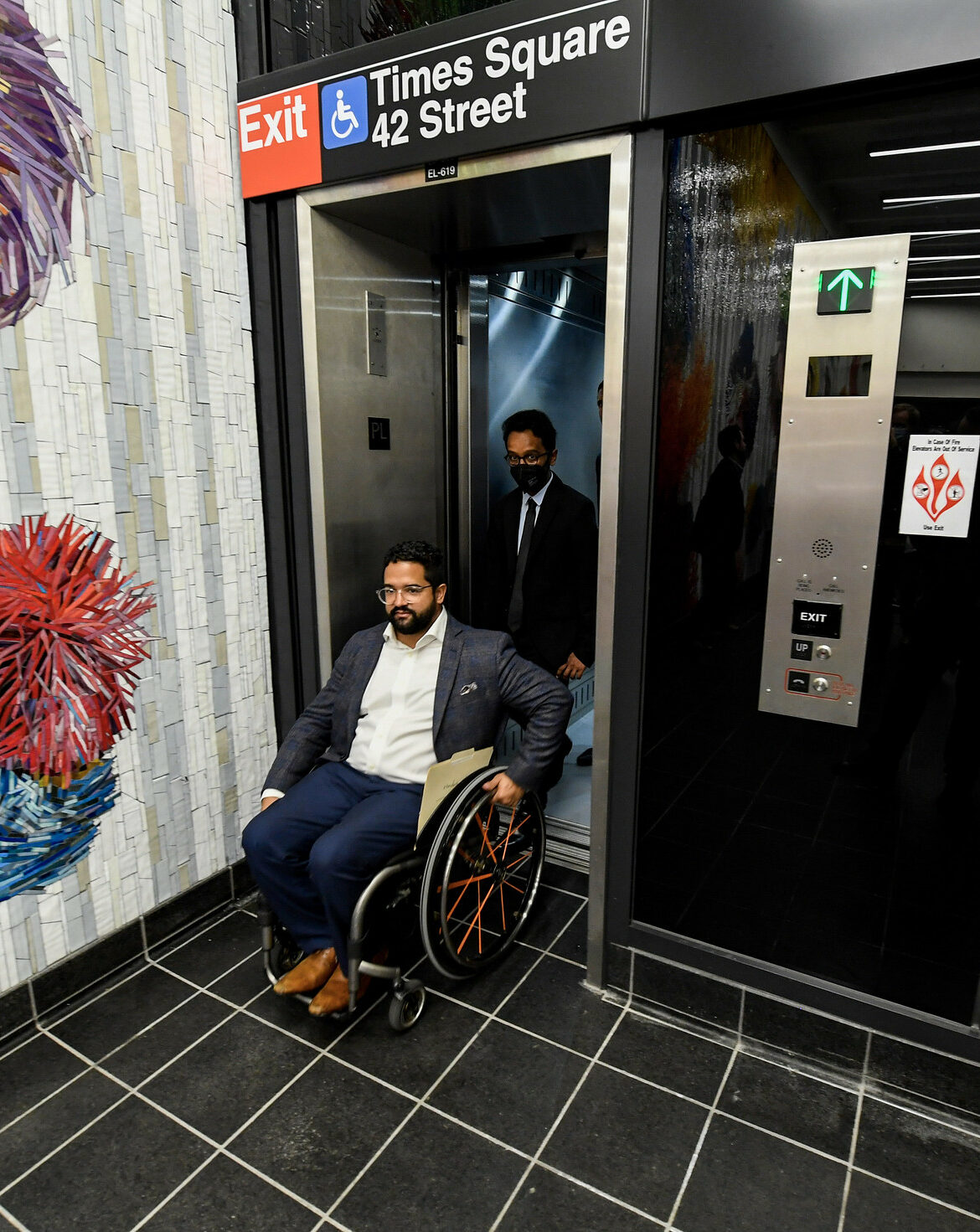
The Federal Transit Administration (FTA) released a notice of funding opportunity for the All Stations Accessibility Program (ASAP) that allocates $343 million in fiscal year 2022 (FY22). This program offers competitive grants to localities for the upgrading of legacy stations so they meet the standards of the Americans with Disabilities Act (ADA) of 1990.
Here’s what you need to know about the Inflation Reduction Act
The Senate passed the Inflation Reduction Act, a budget reconciliation package that includes some portions of President Biden’s Build Back Better agenda. This is the largest climate investment in U.S. history, and programs in it will help Americans save money and stay safe on our streets. Here’s what you need to know as the bill awaits a House vote (scheduled for 8/12).
Reconnecting Communities: Initiating restorative transportation justice
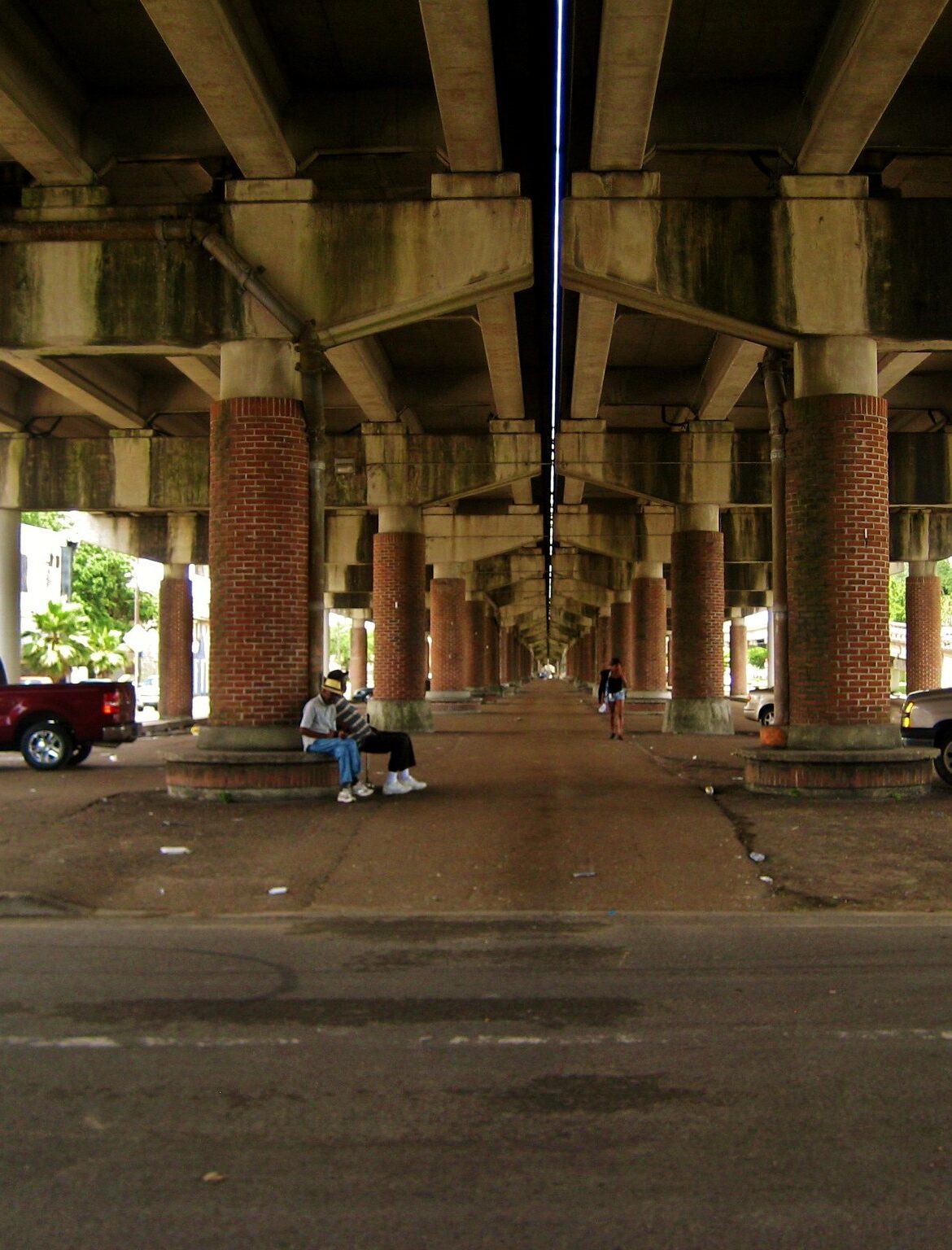
Much of the work of smart transportation focuses on playing defense against divisive infrastructure projects that would make travel more difficult for drivers and nondrivers alike. Now, communities and advocates have a small but real opportunity to go on offense and remove or mitigate harmful stretches of transportation infrastructure.
A decade of prioritizing speed over safety has led to 62 percent more deaths
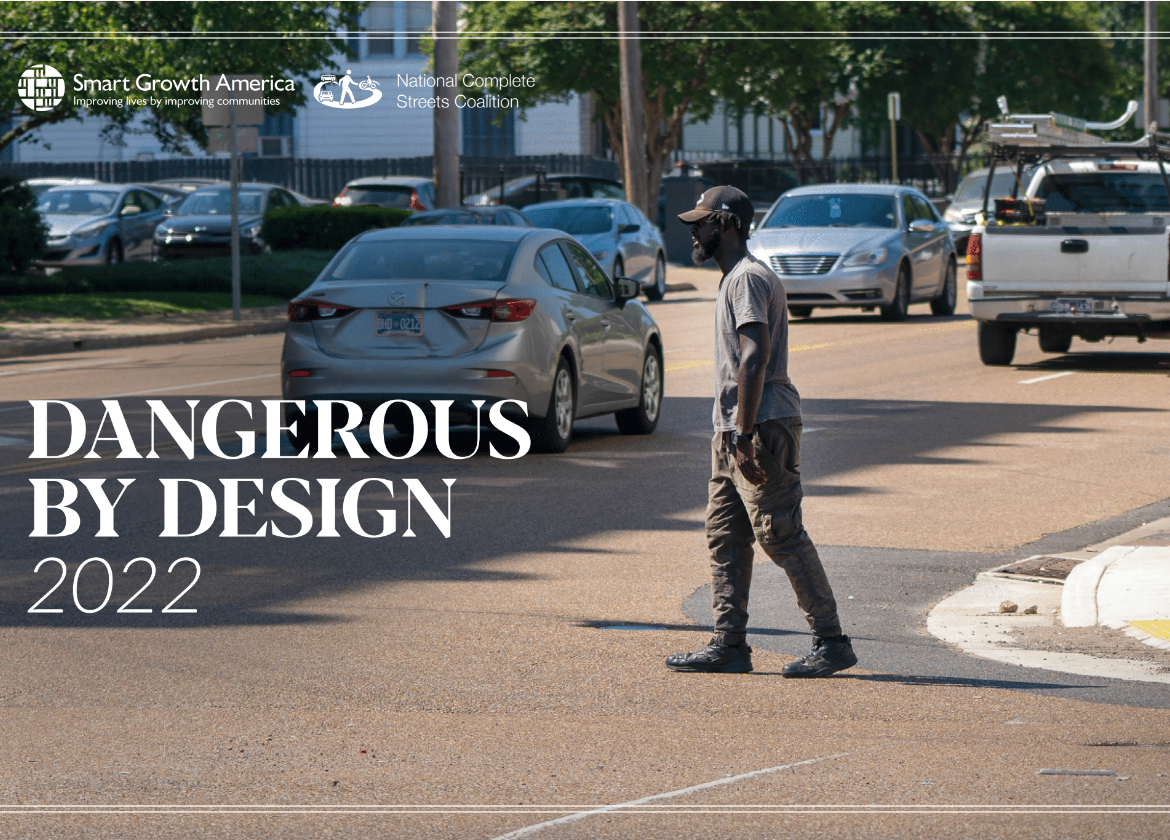
Smart Growth America’s new report Dangerous by Design 2022 uses more data than ever to understand how design impacts travel behavior. The findings confirm what we’ve always known: it’s impossible to prioritize both safety and keeping cars moving quickly.
To deliver on Equity Action Plan, USDOT, states, and local decision makers must take real action
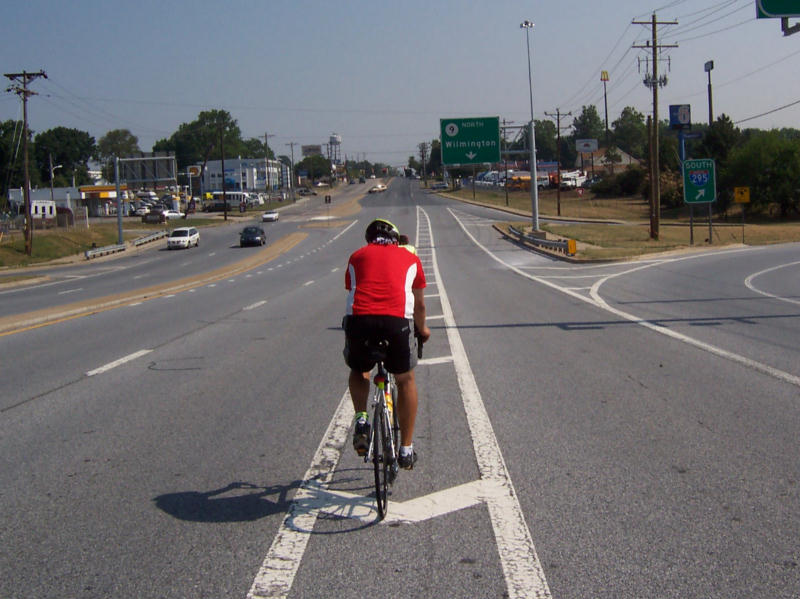
Though the USDOT’s Equity Action Plan (EAP) describes the new infrastructure law as “a historic investment in transportation equity,” the final verdict will depend on the administration’s next steps, how they distribute competitive grants, and other choices far outside of their control, such as how states and metro areas invest federal funds.
Justice40 “benefits” could mean more emissions, worse health outcomes in disadvantaged communities
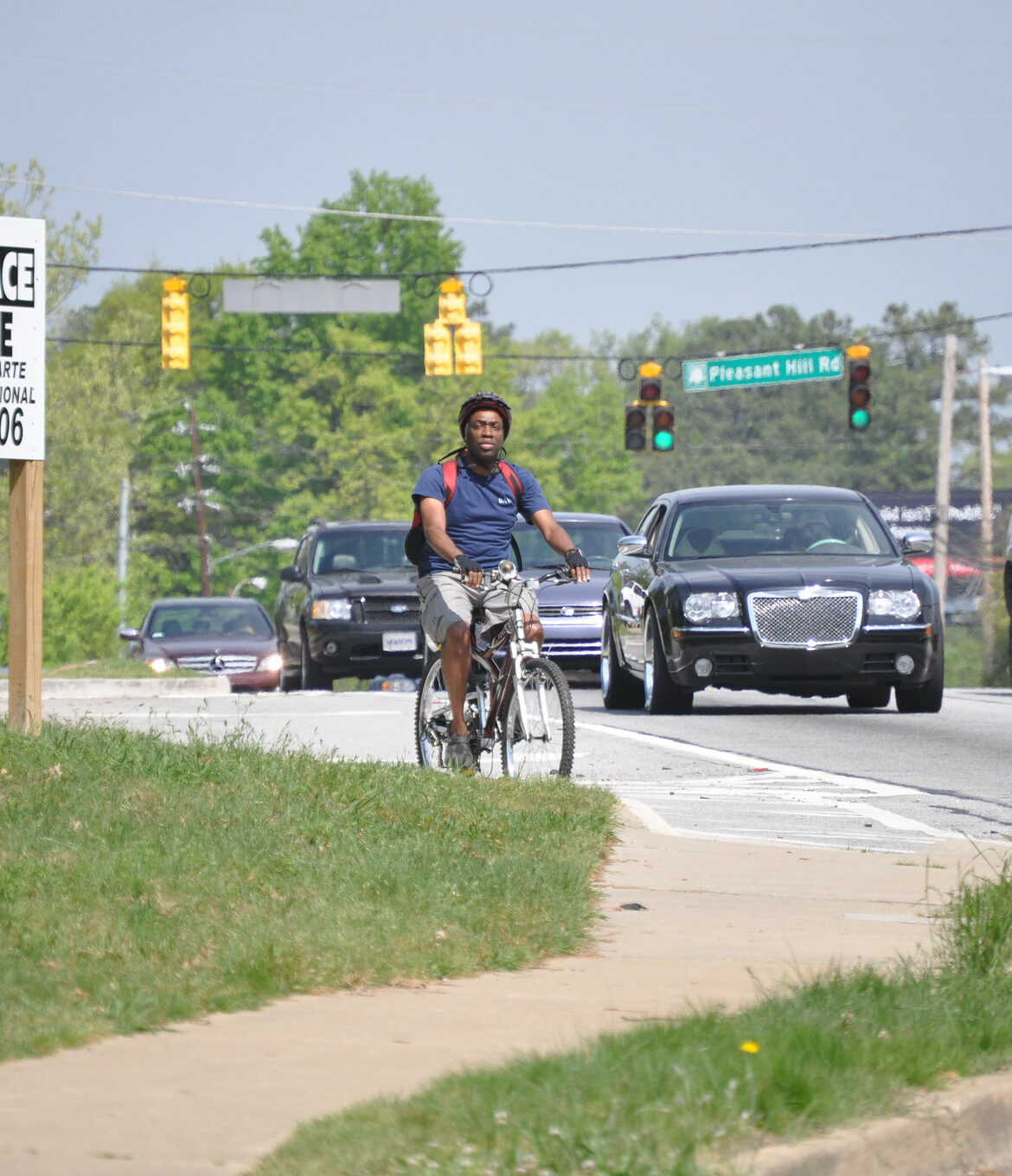
In President Biden’s first weeks in office, he established an environmental justice initiative called Justice40, which aims to direct benefits from federal investments to disadvantaged communities. Today, the administration is working on more specific guidance on how Justice40 should be applied, which will determine how effective this effort will be.
Getting to equitable outcomes in the infrastructure law
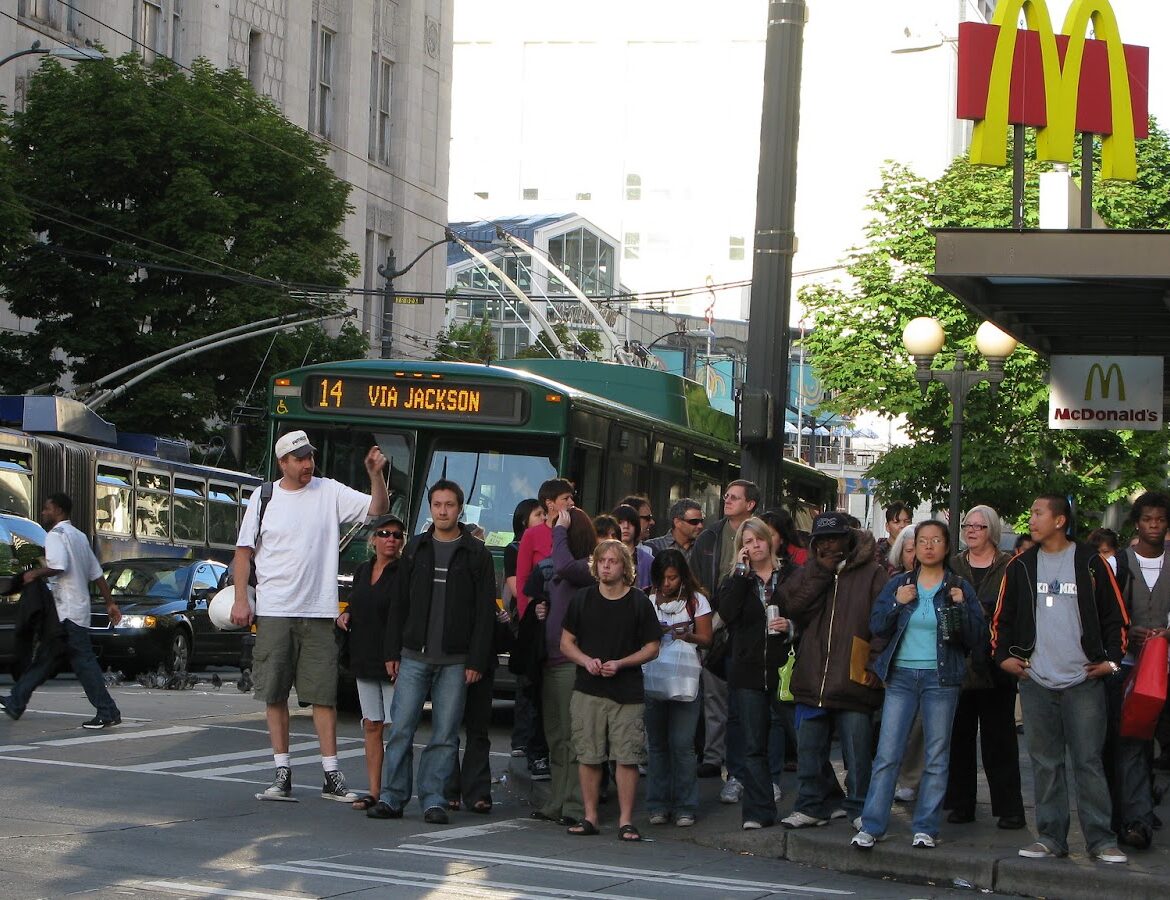
Despite the rhetoric, the infrastructure law falls well short of truly addressing the decades of harm our transportation system has inflicted on marginalized communities, and could even exacerbate existing inequities. However, it does provide some notable opportunities to restore and invest in these communities’ infrastructure needs.
Longer trips, faster speeds, fewer options: What’s really valued in the “value of time”?
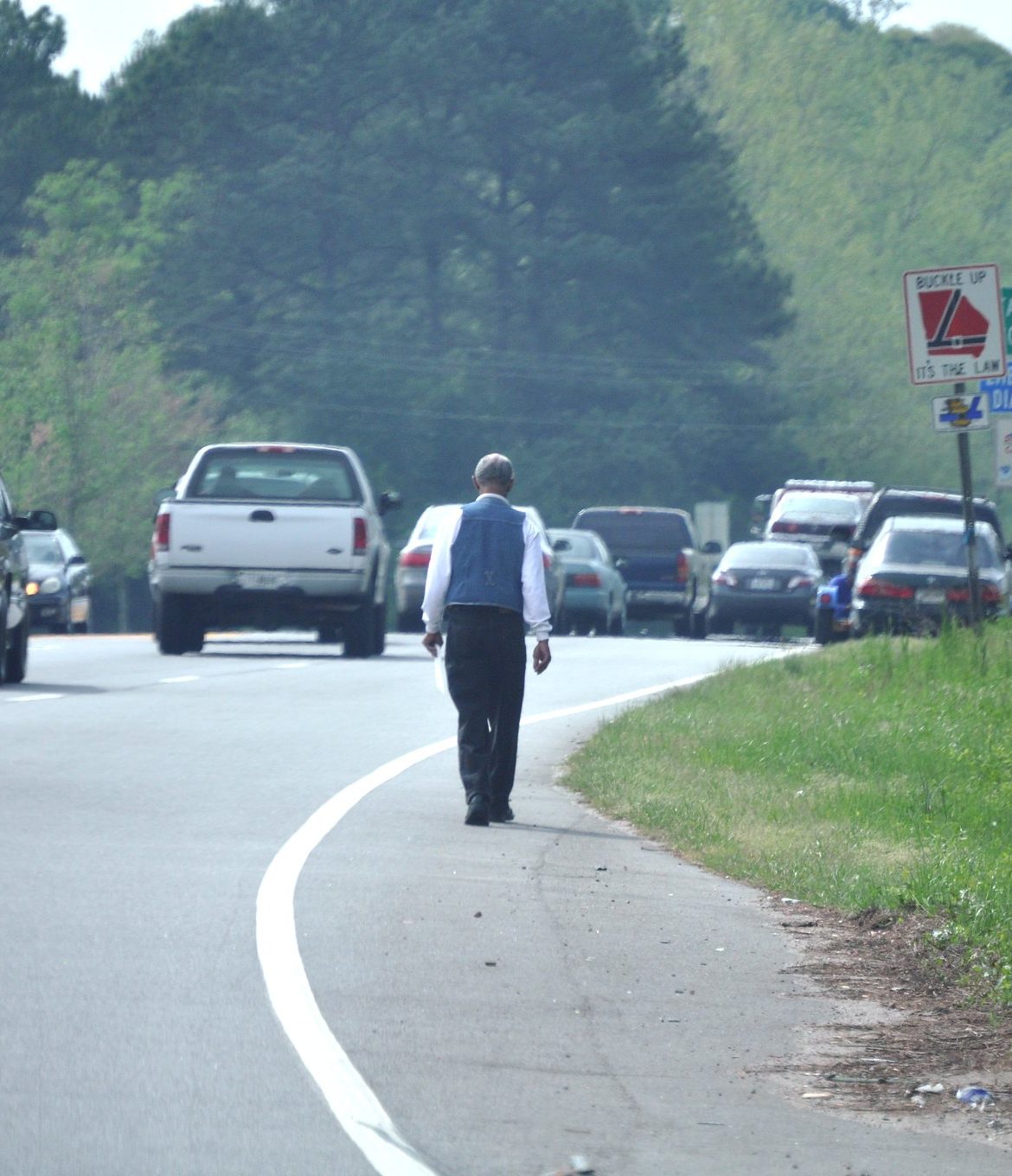
Despite its name, the federal “value of time” guidance doesn’t actually value travelers’ time at all. Instead, this arcane but influential measure focuses on one thing: vehicle speed. The result is more dangerous, less convenient travel for everyone.
The infrastructure law and safety: Will it be able to move the needle?
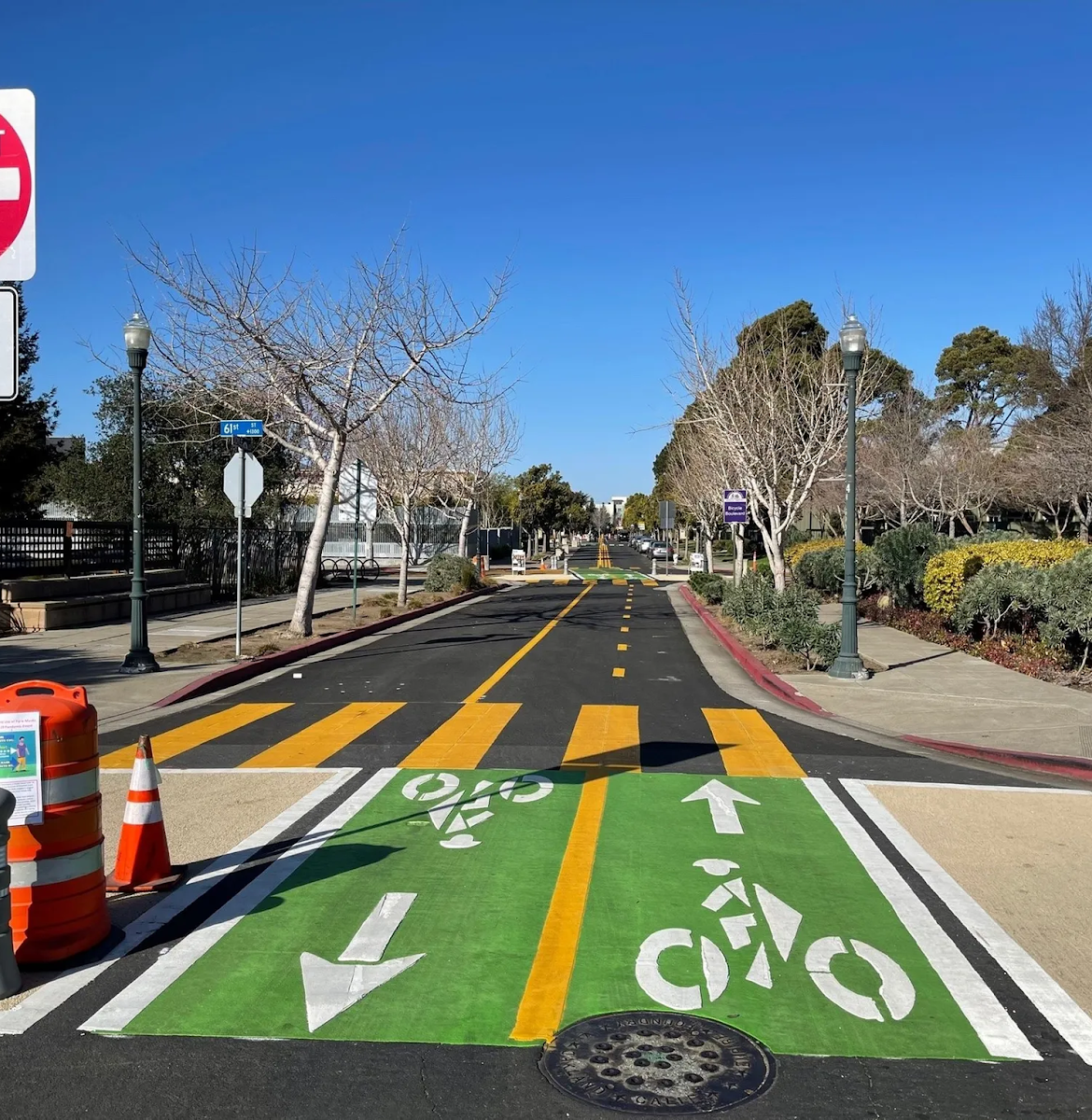
The new infrastructure law authorizes around $650 billion to fund transportation infrastructure through formula and competitive grant programs, some of which have safety as a core emphasis. Here’s what you need to know about the new money and (modest) policy changes to the safety program, as well as how you can make them work for you.
USDOT urges states to prioritize repair, safety, and climate with their influx of infrastructure bill cash
Although state DOTs have always been free to prioritize repair, safety, or improving access for everyone across the entire system, most have traditionally chosen to use that flexibility to build new highways instead. With state DOT coffers soon to be loaded with billions from the new infrastructure bill, USDOT is urging states via a new […]
From policy to action: Six things USDOT should do yesterday to maximize the potential of the infrastructure deal
Because of the shortcomings in the Infrastructure Investment and Jobs Act (IIJA)’s actual policy, an enormous amount of pressure now rests on USDOT and Secretary Buttigieg to deliver on the administration’s promises. But the good news is that there are scores of actions that USDOT can take to deliver positive outcomes for equity, climate, safety, state of repair, and enhancing community connections.
Electric vehicles aren’t good for equity, but we should try
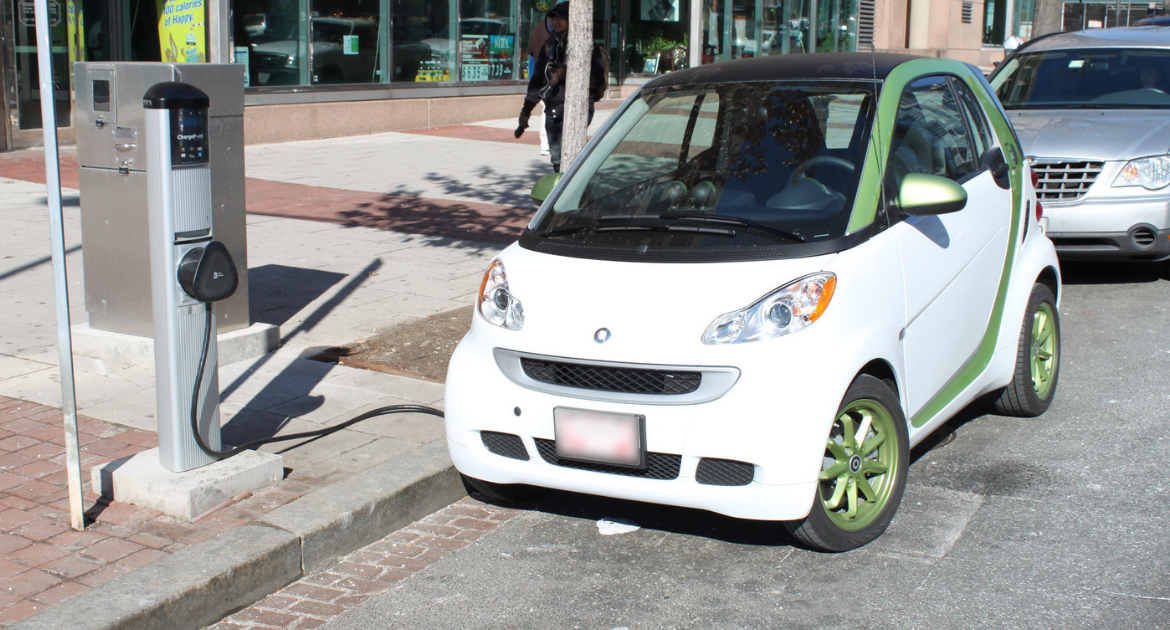
Electric vehicles, while vital for reducing emissions and meeting our long-term emissions reduction goals, are not a good strategy for improving existing inequities in transportation. But there are specific things we can and should do to make this transition more equitable than it otherwise would be.
Electric vehicles are good for emissions, bad for advancing equity
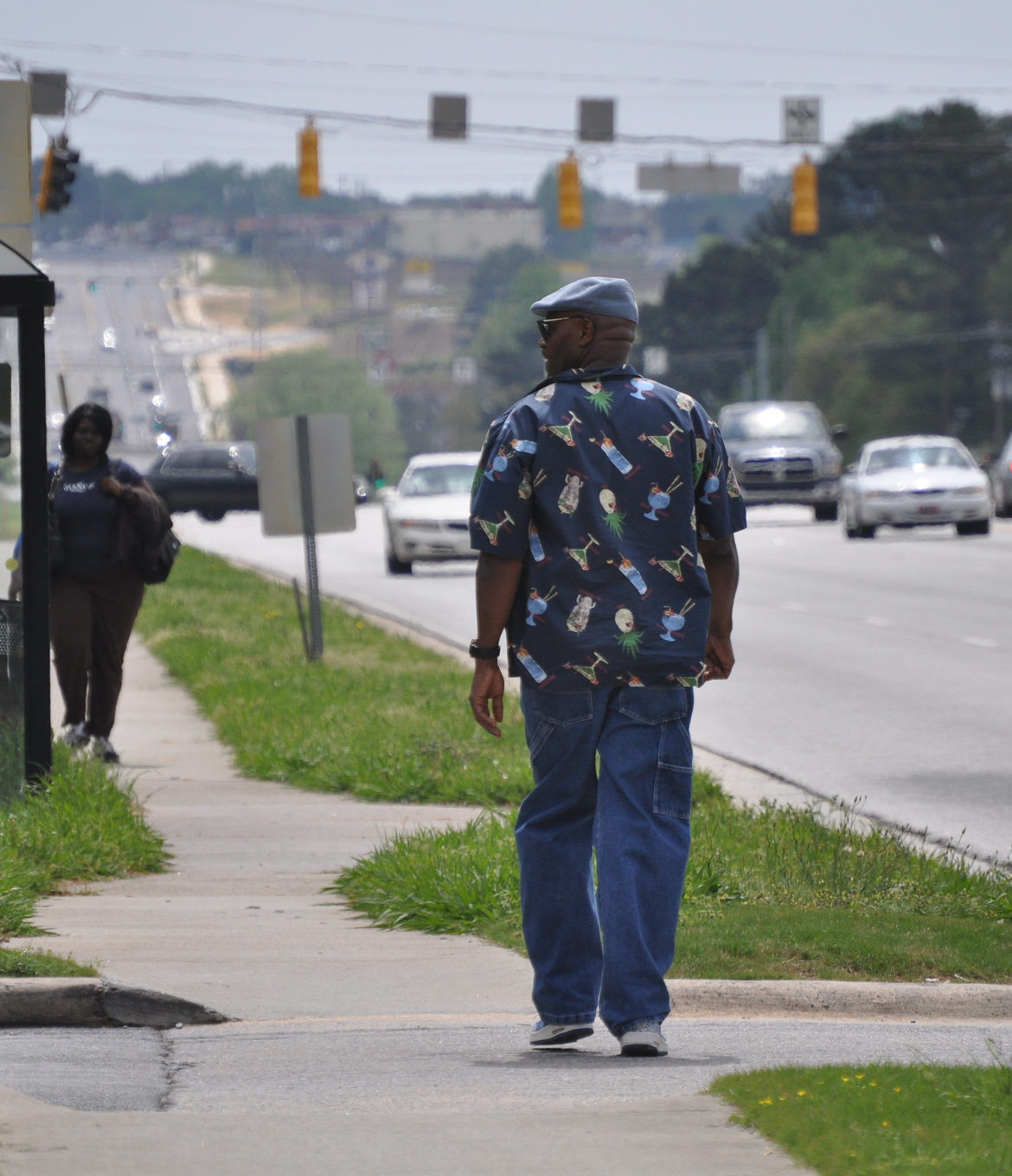
Climate funders, electric vehicle industry groups, and environmentalists are rightly confronting the question of how to address equity in the electric vehicle space. They may not like the answer.
Strides towards Building Back Better the US transportation program

The revised version of the Build Back Better Act preserves $40 billion in important additions that will advance racial equity, address climate change by lowering emissions, and foster community-oriented economic recovery. T4America is encouraged to see these inclusions, but they’ll be a drop in the bucket compared to the much larger infrastructure deal, which doubles down on our dangerous, disconnected, high speed vehicle-dominated status quo.
Our three principles
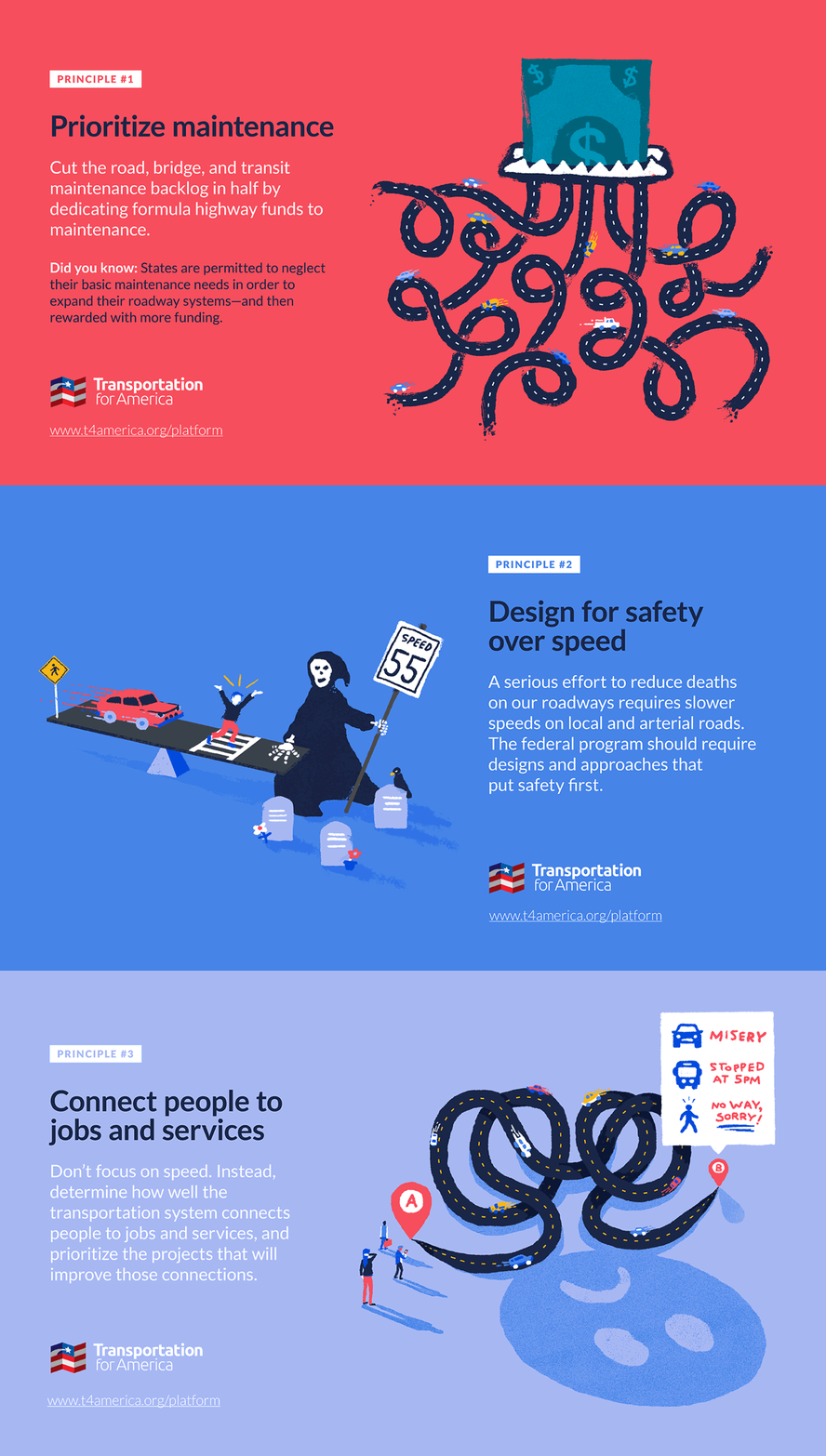
It’s past time to elevate the national conversation about infrastructure beyond just the price tag.
Learn more about our platformLatest From The Blog


Progress for passenger rail in the South and…
Apr 10th, 2024


Building back better: Reflections on the state of…
Apr 9th, 2024

FTA helps deliver more buses for less
Apr 2nd, 2024

I cannot find the zoom link, I registered…
Jan 6th, 2024

A rare look behind the curtain of Transportation…
Jul 28th, 2023

In what Harrison Ford said was his most…
Jul 25th, 2023

Good example, walking to the local taco place…
Jul 24th, 2023