Rural Senators focus on heartland transit
November 13, 2009By Sean Barry
How could a new transportation bill revitalize rural and small-town America? That was the focus of a Senate Democratic Steering Committee briefing on “Issues and Innovations for Small Towns and Rural Communities” in the Capitol Visitors Center last Friday.
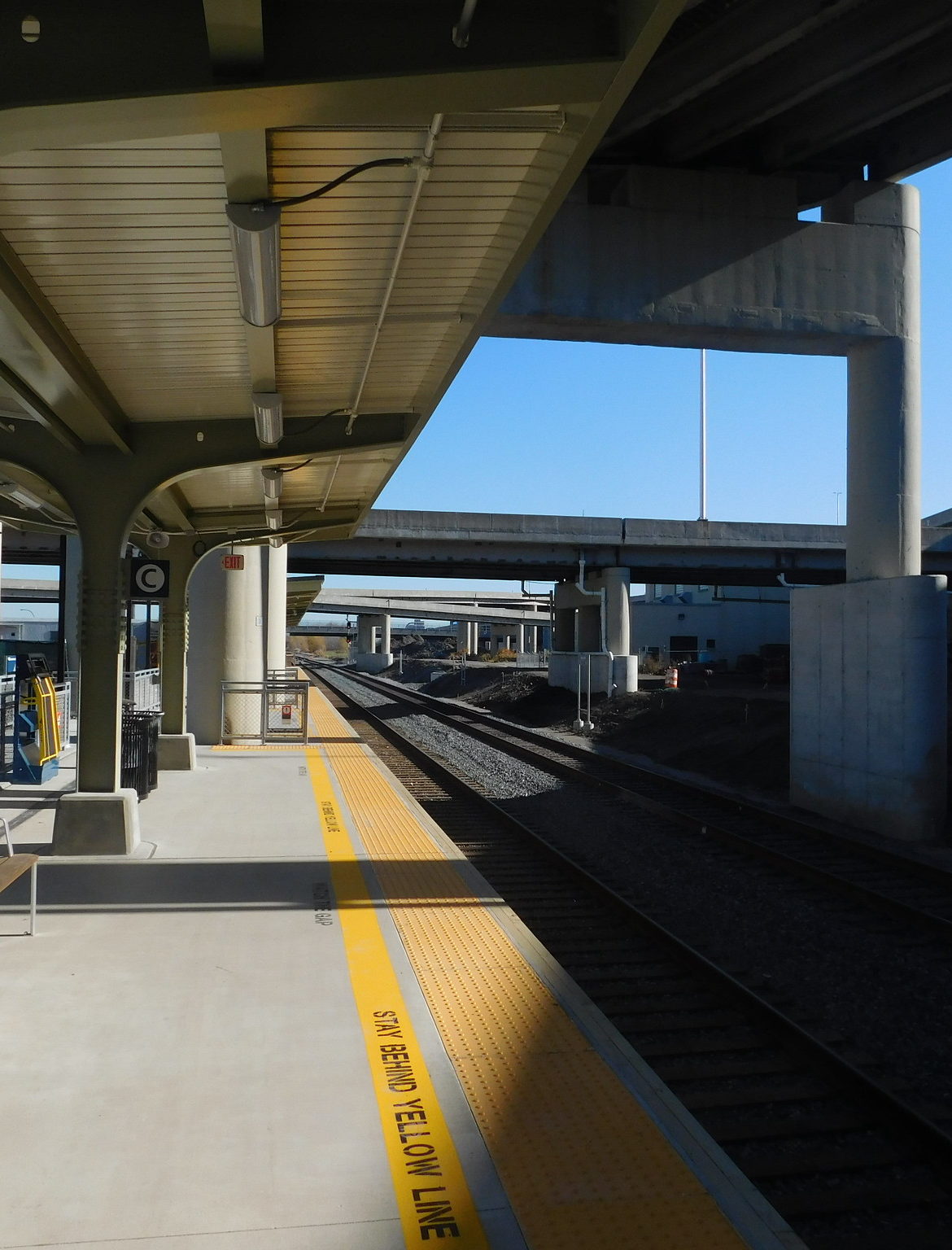
Transportation for America co-chair and former Meridian, Mississippi Mayor John Robert Smith shared his perspective as chief executive of a mid-sized city in a rural area. During his tenure, Smith initiated a renovation of Meridian’s historic train station, sparking growth and economic vitality in the downtown corridor that is now the “life of Meridian.” The improvements that he championed resulted in $135 million in capital investments around the station, and property values quadrupled in an area previously devoid of residents. More importantly, a vital aspect of mobility was restored for all residents of the area. Knowing firsthand how vital Amtrak service was to Mississippians, especially many traveling on fixed budgets, he helped lead the fight to restore the train route between Atlanta and New Orleans, and has continued his advocacy for passenger rail travel ever since.
Rural and small-town residents throughout the country are seeking more transportation options and want to ensure that they’re not left behind. Briefing panelists emphasized that transportation reform, far from leaving the heartland in the dust, can actually encourage growth and improve quality of life.
For one thing, improving rural transportation helps seniors. In 2000, 23 percent of older adults in America lived in rural areas, and as they age, they risk being isolated in their homes in the absence of adequate transportation infrastructure.
Broader accessibility is a challenge as well due to long distances some rural Americans must travel to reach employment, groceries and health services. And, intercity mobility remains limited in many parts of the country, cutting people off from friends, family and economic opportunity. During the briefing, Mayor Smith spoke not only about the economic benefits of revitalizing the area around the train station, but also about the transit service that connected low-income residents in Meridian’s HOPE VI housing development, ensuring their access to essential destinations.
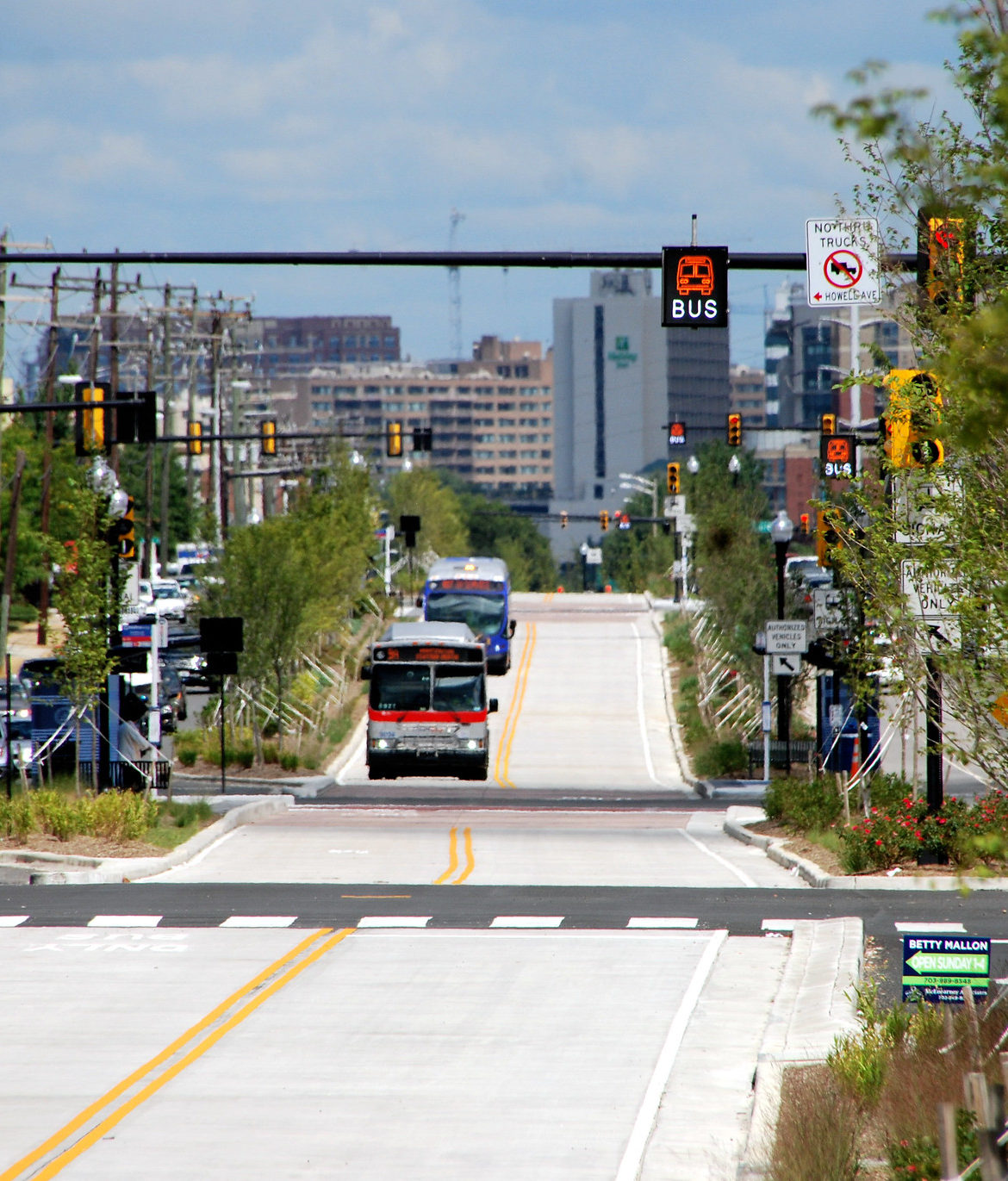
Enhancing transportation safety, relieving highway congestion by shifting goods movement to freight rail, investing in public buses and paratransit services and increasing intercity and multi-modal connectivity are some potential solutions for small cities and rural regions. T4 America staff have partnered with National Association of Counties and the National Association of Development Organizations, both of which were represented at the briefing, to help promote these solutions as vital parts of the upcoming transportation bill.
Far from leaving rural America out, a much-needed overhaul to our nation’s transportation policy can in fact provide a needed lifeline and help rural areas and smaller towns succeed as vital, livable places for all.
Rochelle Carpenter of Transportation for America contributed to this report.
Tell Congress to make a historic investment in high speed rail
September 22, 2009By Stephen Lee Davis
Congress is heading towards a decisive, historic moment on investing in high speed rail for America. But the outcome is far from certain.
In the next few weeks, Congress will decide whether or not to give the Department of Transportation $1.2 billion or $4 billion on high speed rail for the next year. $8 billion was allocated for planning and implementing clean, efficient, high speed train travel in the economic stimulus earlier this year, and with another $4 billion, we’d be making a historic $12 billion investment in high speed rail to help us move into the 21st century, unclog our congested airports and airspace, and provide a new clean, efficient alternative for speedy travel between major metro areas.
Sometime in the next week or two, Congress will decide whether or not to give DOT the amount in the House version of the bill ($4 billion), or the Senate version ($1.2 billion).
Tell Congress to keep $4 billion in the bill at www.fourbillion.com
Transportation for America is partnering with U.S. PIRG, Virginians for High Speed Rail, and the Midwest High Speed Rail Association to send a message to Congress that now is the time to make a historic investment in high speed rail.


Want the wonky details? As you may remember, the Senate passed the bill that funds the Department of Transportation and the Department of Housing and Urban Development last week. The bill that passed last week is what’s known as a (yearly) appropriations bill, where the budget for the department and the programs are finalized and officially given their money by Congress. The House passed their version of the DOT/HUD funding bill several weeks ago, so the differences between the two bills will be ironed out in a conference committee very soon. The House and the Senate will select conferees to reconcile the two versions of the bill, before sending a final bill back to the House and Senate for a last vote and then to President Obama’s desk.
Let’s tell them to send the president a bill with $4 billion for high speed rail.

Post this action on Twitter, or with other tools via the button below.
Want Congress to know what your commute is like? Take ‘em to work with you!
July 30, 2009By Stephen Lee Davis
In just a matter of days, your members of Congress will be turning off the lights in the House and Senate chambers, allowing their DC staffers to stop their 80-hour workweeks, and heading back home to your states and districts. Debates over health care and climate change will still be ringing in their ears as they meet constituents back home before returning in September.
But what about the looming transportation crisis? Will they be spending much time back at home talking about that?
This summer, as you’re stuck in traffic, squeezing into your carpool, feeling the minutes tick away as you wait for the always-late bus, or pedaling your way through dangerous intersections to put in a hard day’s work, too many legislators are unaware of what commuting each day means for their constituents.
That’s why we’re asking our elected officials to give their drivers a week off, leave their first-class tickets at home, and join our Take Your Legislator to Work Challenge!
For the Challenge, T4 America and some of our 350+ local partners will be organizing to ask your member of Congress or other prominent state leaders to leave their cars and first class flights at home for a week and ride the same carpools, trains, buses, subways, or bikes their constituents use everyday to get where they need to go. Maybe once they’ve seen what things are like on the ground and how limited your options are, they’ll be ready to talk about a truly reformed transportation bill when they come back to Washington in September.
The T4 America campaign is also going to be asking some notable leaders and individuals here in DC that aren’t going anywhere for the summer to take part in our Challenge. Check back right here on the blog for latest news on legislators that are participating or what you can do to help persuade them to join up, and hopefully, we can get a few of them to write or tweet about their experiences for us.

The full outline from Oberstar
June 18, 2009By Andrew Bielak
| Full Transportation Bill Outline (.PDF) |
For those readers brave enough to wade into 90 pages of policy detail, we know have Rep. James Oberstar’s full outline proposal for the next transportation bill. At a press conference to discuss the release this afternoon, John Mica, the Republican Ranking Member of the Transportation and Infrastructure Committee, said that the bill will be “the most critical jobs bill before congress in the next year,” with Oberstar adding that there is “bipartisan unanimity to move ahead in the public interest.”
As we continue to read through these 90 pages, we’ll keep offering some thoughts on various pieces of the proposal and how they could impact the future of our transportation system.
Transportation For America Applauds House Release Of National Transportation Objectives
June 11, 2009By Transportation for America
| CONTACT: Cosabeth Bullock 202-478-6128 cbullock@mrss.com |
For Immediate Release:
June 11, 2009
WASHINGTON, D.C. – More than 140 organizations have joined Transportation for America in signing a letter supporting the National Transportation Objectives Act of 2009 (HR 2427). The groups, representing a wide-breadth of interests, including health, equity, energy and the environment sectors, commend representatives Rush Holt (D-NJ), Russ Carnahan (D-MO) and Jay Inslee (D-WA) for introducing legislation that lays out a new vision for our nation’s transportation system.
The National Transportation Objectives Act of 2009 (HR 2724) sets the stage for the upcoming authorization bill by outlining achievable objectives for our largest program of infrastructure investments. It breaks new, and critically important, ground by setting performance measures that will help ensure we have a smart, safe and clean transportation system that provides real, affordable options for all Americans.
The bill highlights a growing call among legislators and the public for federal policy to address overarching concerns about the economy, energy, climate and health in all major pieces of legislation. Americans are unlikely to agree to spend more money on a transportation system that is delivering incoherent results. However, Americans may be persuaded to provide additional support to fulfill a vision tied to clear, measurable goals. Transportation for America, along with 140 organizations who signed a letter of support, including the American Association of Railroads, American Public Health Association and CEOs for Cities, back the bill’s recommendations, including goals to repair our nation’s roads and highways, reduce fatalities and injuries, eliminate exposure to unhealthy air, triple biking, walking and public transit use, and improve accessibility to transportation options for low-income, aging, and disabled populations.
Breaking Down the Blueprint: Introducing an ongoing series on T4 America’s Route to Reform
May 19, 2009By Andrew Bielak

Last week, the Transportation for America campaign took a huge step by releasing The Route to Reform: Blueprint for a 21st Century Transportation Policy, a comprehensive, detailed set of recommendations for Congress and the Obama administration as they lay the groundwork for the upcoming transportation bill.
Since then, we’ve held a big event on Capitol Hill to highlight our proposals, influenced an important new bill being proposed in the Senate, and continued to pressure Congress to follow the Blueprint’s recommendations and craft a transformational, 21st century transportation bill.
Of course, all the work we’re doing to promote this document is probably making you ask one critical question about the Blueprint — just what does it say? While we’ve posted the Blueprint in its entirety on our website, we don’t expect everyone to comb through all 100 pages or memorize each and every idea we have for building a better system.
For that reason, we’ll be unpacking the Blueprint in the coming weeks in a continuing series of posts highlighting the vision, objectives, and program recommendations that T4 America has drafted to guide Congress as it works on the legislation to steer transportation policy in the United States. Whether you consider yourself a die hard transportation nut, or just someone who is sick of getting stuck in stop-and-go traffic each morning on the way to work, these blog posts can help you understand the key reforms that underline our vision for a brighter future.
We’ll start tomorrow morning by going over the first — and arguably, one of the most important — of our six broad objectives: the need to make our transportation system safe for everyone and beneficial for public health.
Check back tomorrow, and in the coming weeks, to get a clear sense of our solutions for creating a safer, more accessible, cheaper, and cleaner transportation system.
Senators Lautenberg, Rockefeller lay the groundwork for a transformational bill
May 14, 2009By Andrew Bielak
U.S. Senators Frank Lautenberg (D-NJ) and John D. Rockefeller (D-WV) took a big step forward today in the fight to build a 21st Century transportation system by introducing “The Federal Surface Transportation Policy and Planning Act of 2009.” It’s a bold bill that lays out clear guidelines for exactly what the next five-year federal transportation spending plan should accomplish, and several of Transportation for America’s proposals were clearly echoed in the legislation.
The bill, which is intended to offer a vision for the House and Senate as they look to draft their separate versions of a transportation bill in the coming months, included input from the T4 America coalition and contains some of the exact same performance measures that T4 America proposed in our Route to Reform Blueprint. These include our proposals to:
- Reduce delay per capita by 10 percent,
- Reduce national motor vehicle-related fatalities by 50 percent, and
- Reduce national surface transportation-generated carbon dioxide levels by 40 percent, all by the year 2030.
The Washington Post took a look at the legislation this morning, including a quote from David Goldberg, Transportation for America’s communicators director, and Senator Lautenberg, who shows that he’s not taking the future of America’s transportation system lightly:
“A national surface transportation policy for our country is long overdue,” Lautenberg said. “We need a transportation policy that reestablishes our leadership throughout the world when it comes to transportation — and meets our country’s transportation demands for generations to come.”
In recent weeks, Transportation for America has been actively promoting our vision on the Hill — including publicly releasing our Blueprint on Monday and offering testimony by T4 America campaign director, James Corless — as well as holding town hall meetings across the country to hear what Americans want in the future of their transportation system.
We hope you’ll continue to work with us as we fight for a revitalized economy and a renewed transportation program, and help Senators Lautenberg and Rockefeller push their colleagues to stand for reform. You can start by signing our petition urging Congress to create meaningful goals and demand accountability in the next transportation bill, and calling your Senators and telling them to cosponsor this bill from Sens. Lautenberg and Rockefeller.
Transportation Secretary affirms smart principles for US transportation system
April 29, 2009By Stephen Lee Davis
![]() |
| National Bike Summit – Day two-8 Originally uploaded by BikePortland.org |
| DOT Secretary Ray LaHood speaks at the National Bike Summit in Washington, DC |
“Livable and Sustainable Communities.”
Those four words might not be at the top of the list of what one would expect to hear from the person in charge of how the federal government spends our tax dollars on all forms of transportation — ports, railroads, highways, interstates, sidewalks, bike lanes and more — but that’s exactly what U.S. Transportation Secretary Ray LaHood named as a primary goal for DOT while testifying before a Senate Committee yesterday (ahead of T4 America.)
In his remarks, he made it clear that DOT and the Obama administration see the deep connections between where and how we spend transportation dollars and the quality of life for everyday Americans.
One of the clear issues with our national transportation program since 1991 is that it’s been like a huge ship without a rudder — spending billions each year without any clear goals or vision for exactly what those billions should accomplish for us. Economic development? More travel options for everyone? Making transportation affordable and safe for all Americans?
After talking at length about the many challenges facing America, Secretary LaHood made it clear that DOT will be governed by some very clear principles in the future, including better quality of life as a goal for transportation spending:
With these great challenges it is essential that our transportation policies be framed so that we can meet these demands and at the same time be consistent with the major goals I have established for guiding the actions of the Department of Transportation: economic recovery; safety; and livable and sustainable communities will be the key organizing themes as we in the Department reformulate existing policies and develop new policy directions for the future.
You can download his full remarks from the committee web site here, (.pdf) but continue reading for a few select quotes:
(Continue Reading)
Full testimony from today’s Commerce Committee hearing
April 28, 2009By Transportation for America
As we mentioned earlier this morning, T4 America campaign director James Corless was on Capitol Hill to testify before the Senate Commerce, Science and Transportation Committee. He was joined by T4 America member Anne Canby of the Surface Transportation Policy Partnership and a founding member of the One Rail Coalition. The full testimony is quite detailed, but if you want to read it in full or download it, you can do so below.
Continue reading to see the full prepared remarks of T4’s James Corless.
(Continue Reading)
T4 America to testify on Capitol Hill this afternoon
April 28, 2009By Stephen Lee Davis
![]() |
| PlatformLaunch3 Originally uploaded by Transportation for America |
| T4 America Campaign Director James Corless at our platform launch back in February. |
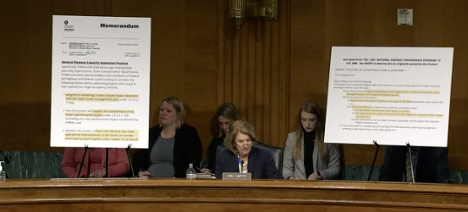
Transportation for America will be on Capitol Hill today testifying before the Senate Committee on Commerce, Science, and Transportation about “The Future of National Surface Transportation Policy.” You can stream it live on the Committee’s website.
Campaign director James Corless, along with Anne Canby of the Surface Transportation Policy Partnership and a founding member of T4 America, will be testifying this afternoon at 2:30 p.m. EDT.
We’ll post the full testimony from each speaker later this afternoon following the hearing. James will be discussing how our current transportation policy lacks a unified, coherent purpose — hampering our national prosperity and preventing us from addressing critical national issues like congestion relief, energy security, reducing emissions, and making transportation affordable for all Americans.
Transportation investments are our nation’s best tool to improve our economic competitiveness; reduce energy usage and curb greenhouse gas emissions; provide good paying green jobs; increase economic opportunity; and improve quality of life for all Americans. The upcoming rewrite of our federal transportation law represents a once in a lifetime opportunity to develop a new national transportation vision and leave behind a legacy for our children and grandchildren.
Unfortunately, our nation lacks a cohesive national surface transportation policy, and consequently, cannot adequately address many of our transportation challenges — let alone address other pressing national issues.
Check back later this afternoon for their full testimony if you’d like to read it, or watch it live.