Posts Tagged "federal policy"
Green Light for Climate Action: Unveiling the impact of the GHG Emissions Measure rule
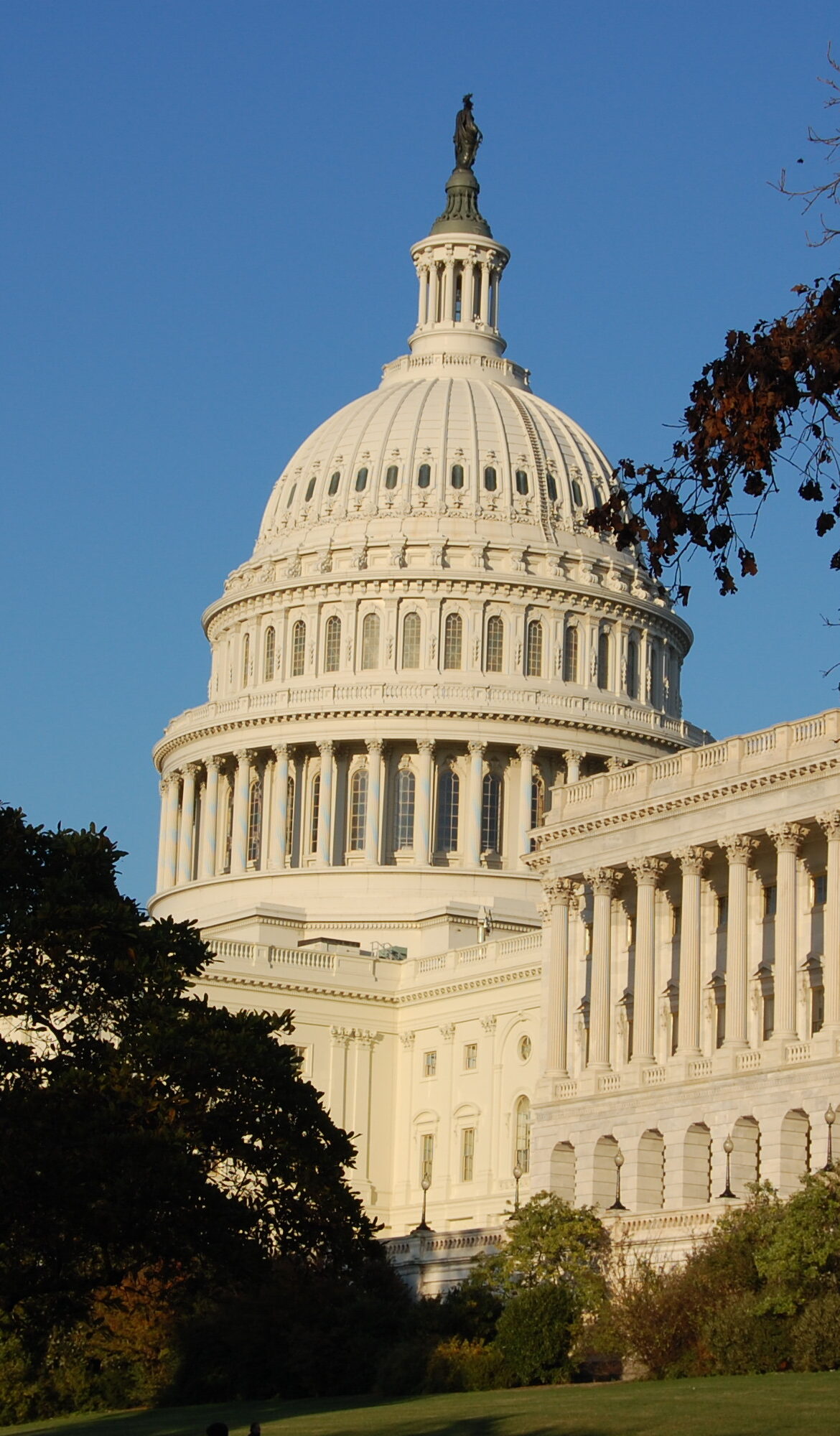
By mandating emissions tracking and target setting, the GHG Emissions Measure addresses an urgent need for climate action. And while this popular rule is an important first step, its success hinges on immediate and effective action at the state and local levels, which would signify a shift towards a cleaner, and greener, transportation landscape. On […]
Become part of the movement with T4America membership

All types of local public agencies and organizations join T4America’s membership program to gain access to information and expertise, but because the benefits are numerous, they also often get things they weren’t expecting.
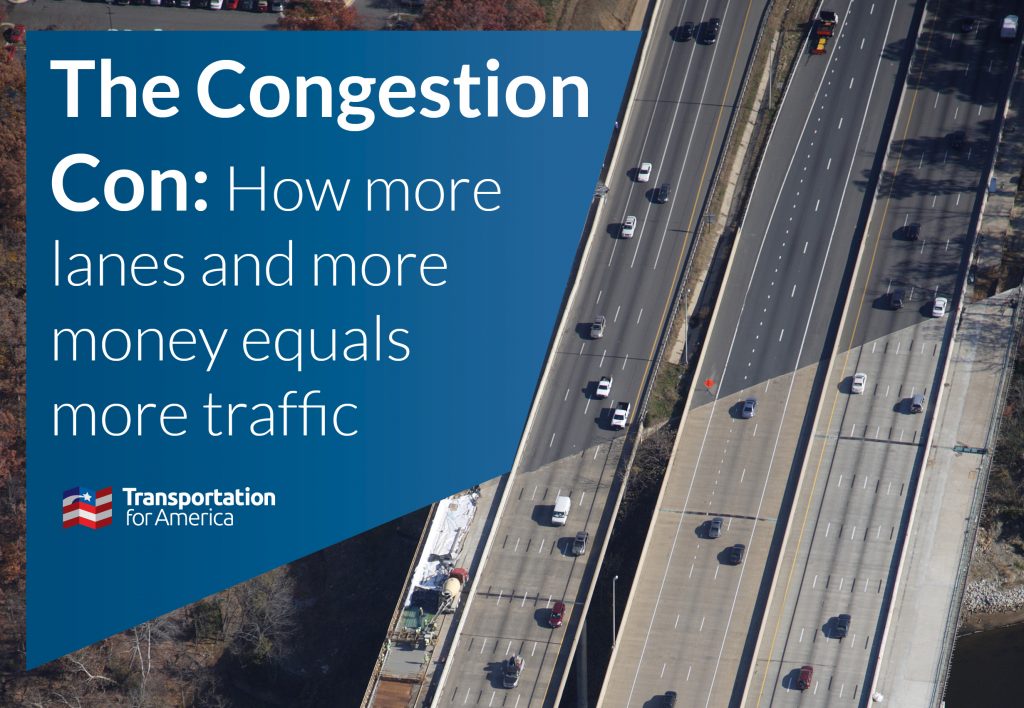
The Congestion Con: You’ve been played
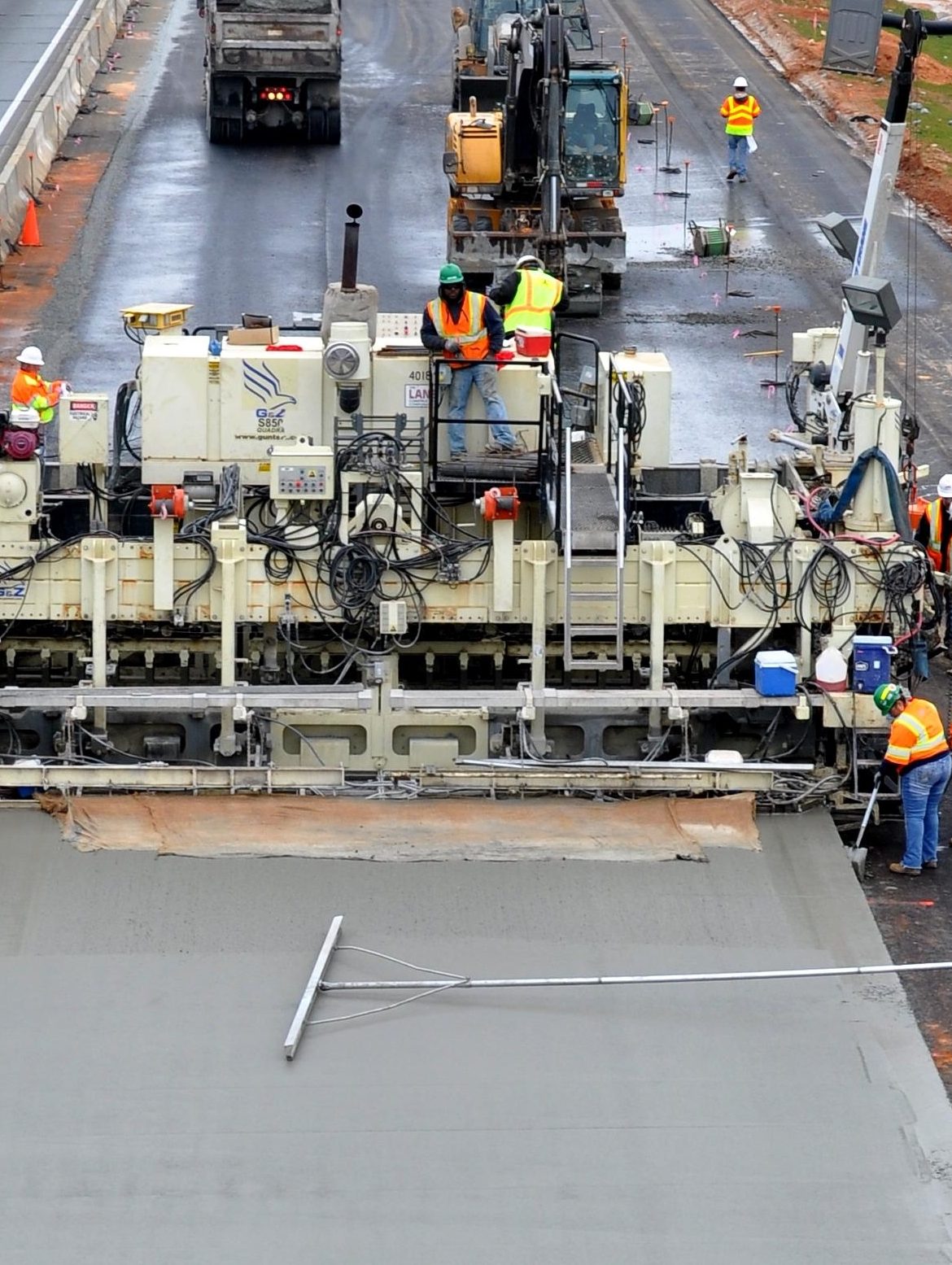
In a new report, The Congestion Con: How more lanes and more money equals more traffic, we show how our approach to curbing congestion with new and wider highways has failed. We have spent decades and hundreds of billions of dollars on highways in the name of beating back congestion, yet in all of the 100 most populous urbanized areas examined in the report, congestion has gotten worse as a result. The Congestion Con lays out a comprehensive look at congestion data, why our “solution” has failed, and what the federal government can do to correct course.
Connecting people to jobs and services week: The legislative path to make access the goal of transportation investments
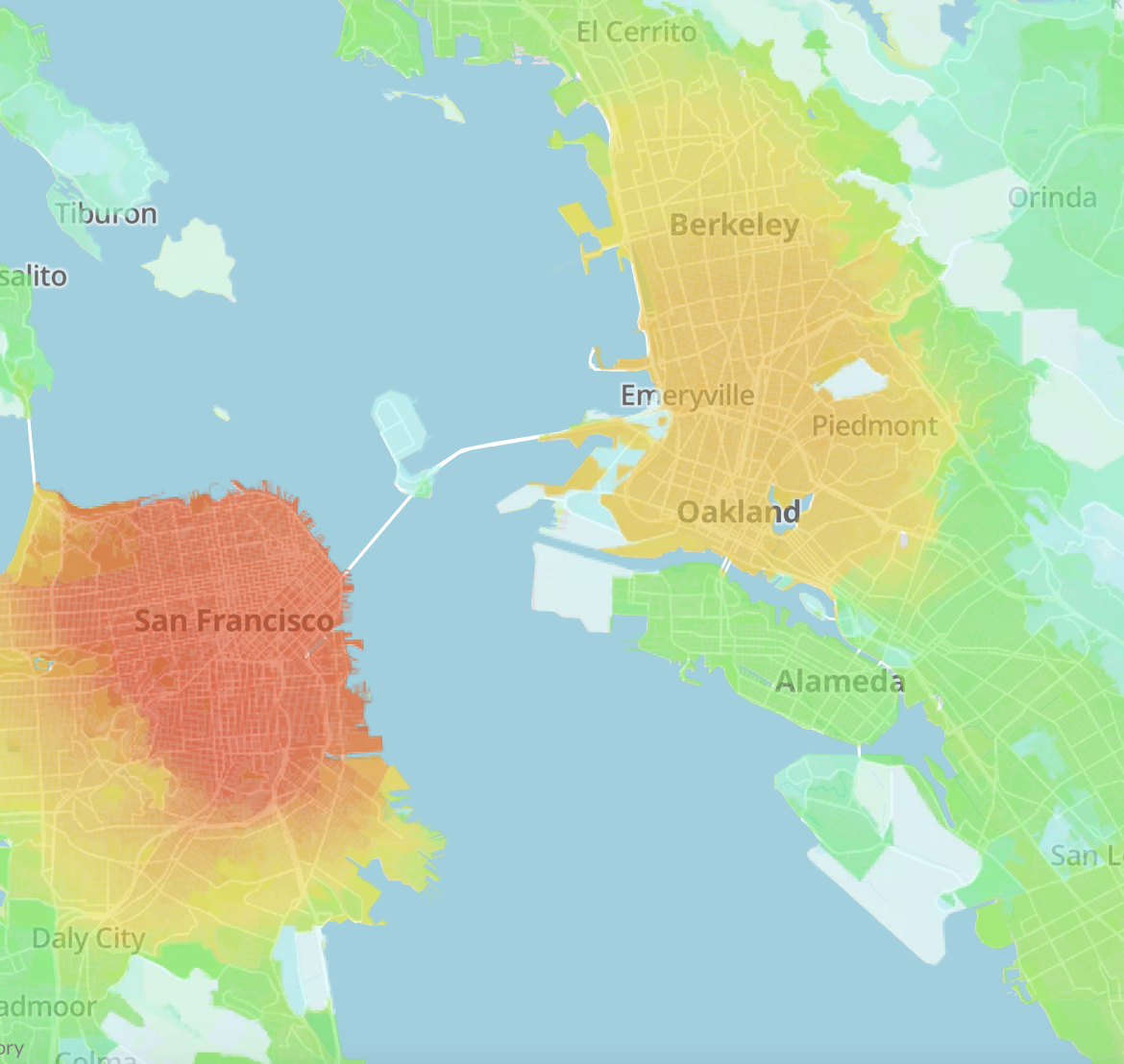
Measuring access—not vehicle speed—is smart policy. But local governments, states, and metropolitan planning organizations need support from the federal government to make this happen. It’s high time for Congress to make robust travel data and analysis tools available to transportation agencies.
To connect people to jobs and services, we need to measure what matters: people
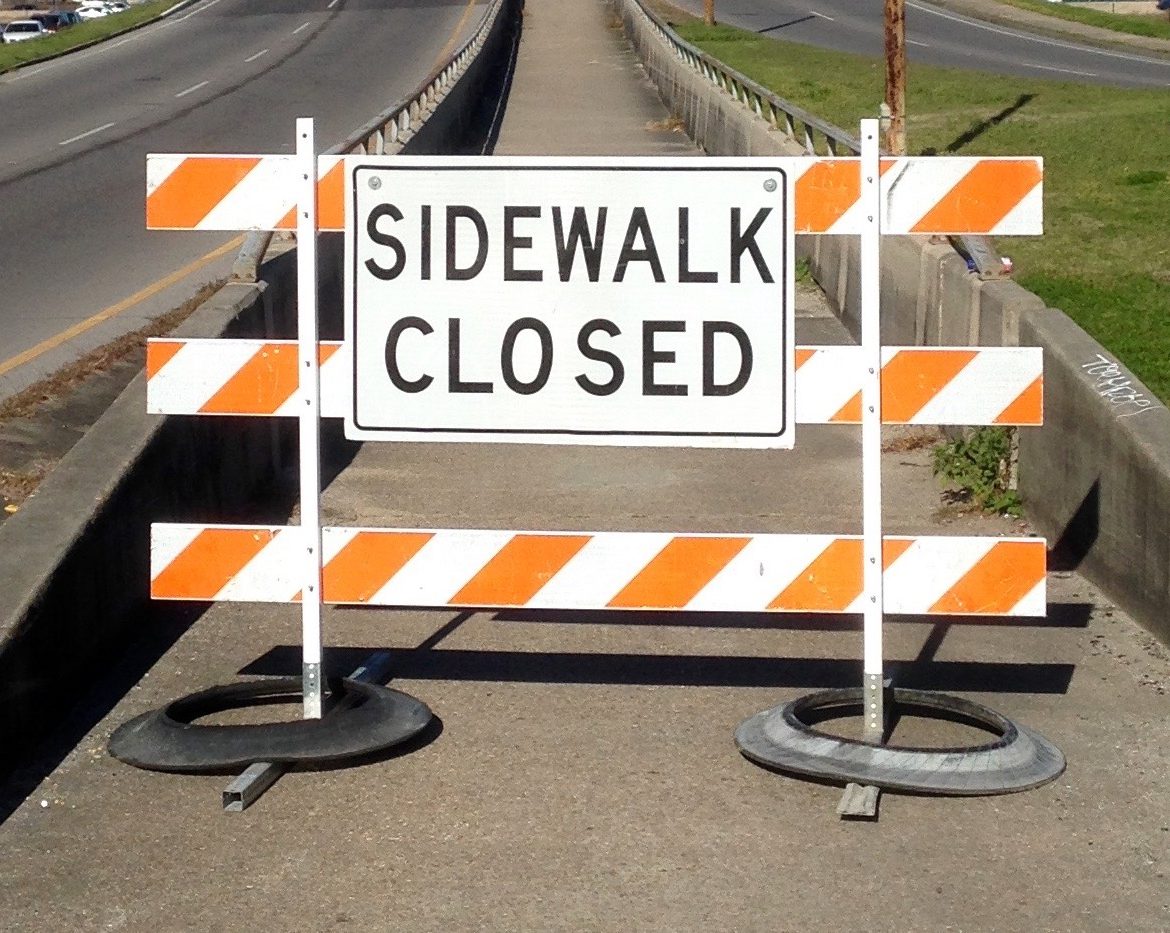
Today we largely decide which transportation projects to build and where to build them based on how much delay vehicles experience, while entirely ignoring everyone not in a car in the first place. By ignoring walking, biking, or taking transit, we’re ignoring the impacts on everyone not using a car, particularly low-income persons, people of color, and older adults.
Federal transportation policy is undermining any progress on climate
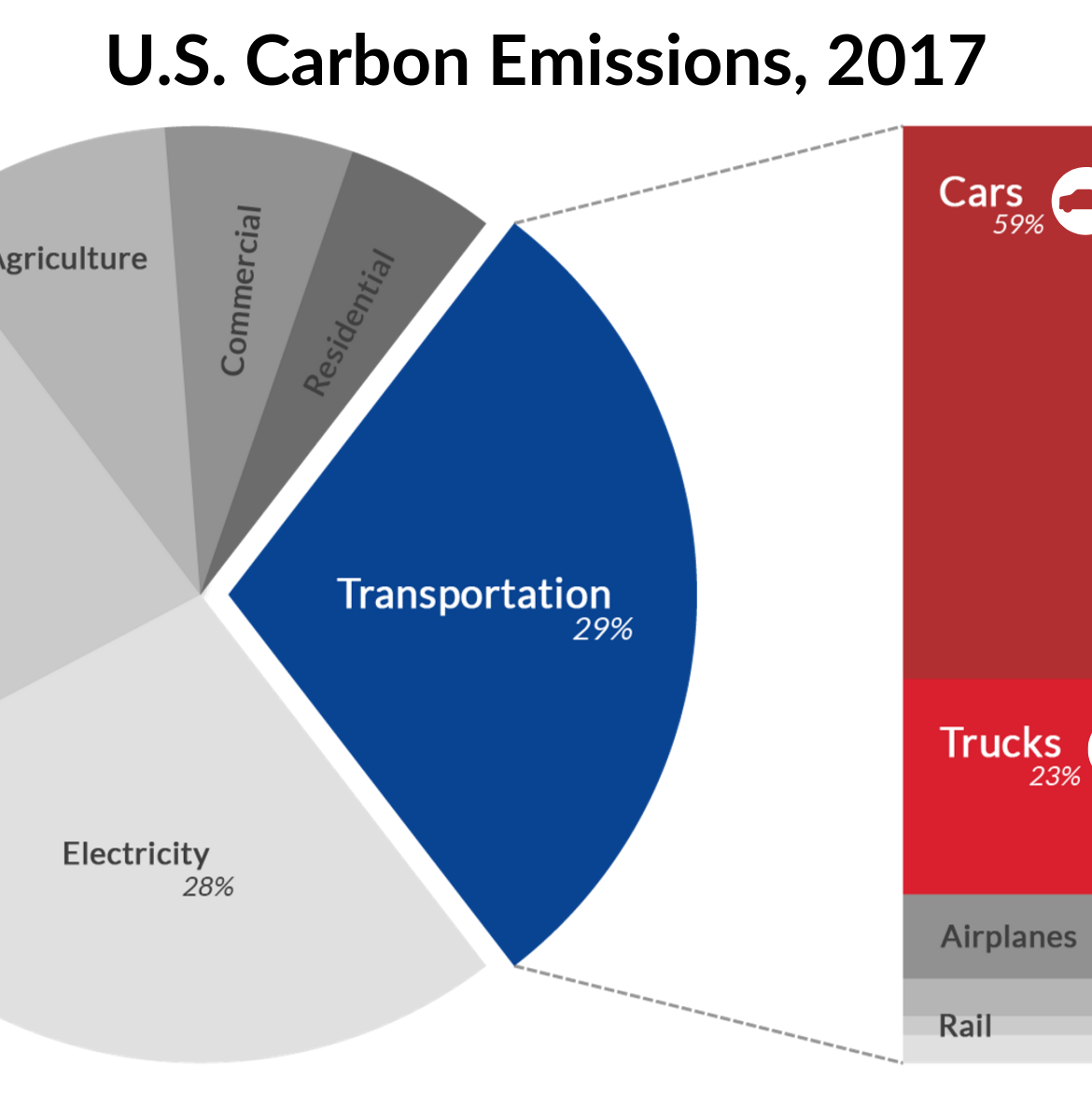
The conversation on climate change tends to focus on a few big things—electric vehicles, renewable energy, putting a price on carbon—but no matter how much progress we make on those fronts, Democrats and Republicans remain deeply committed to antiquated policy that undermines any action we take on climate change: spending billions to build new highways, encouraging more and more driving.
Reps. García and Pressley host briefing on transportation and climate, announce caucus
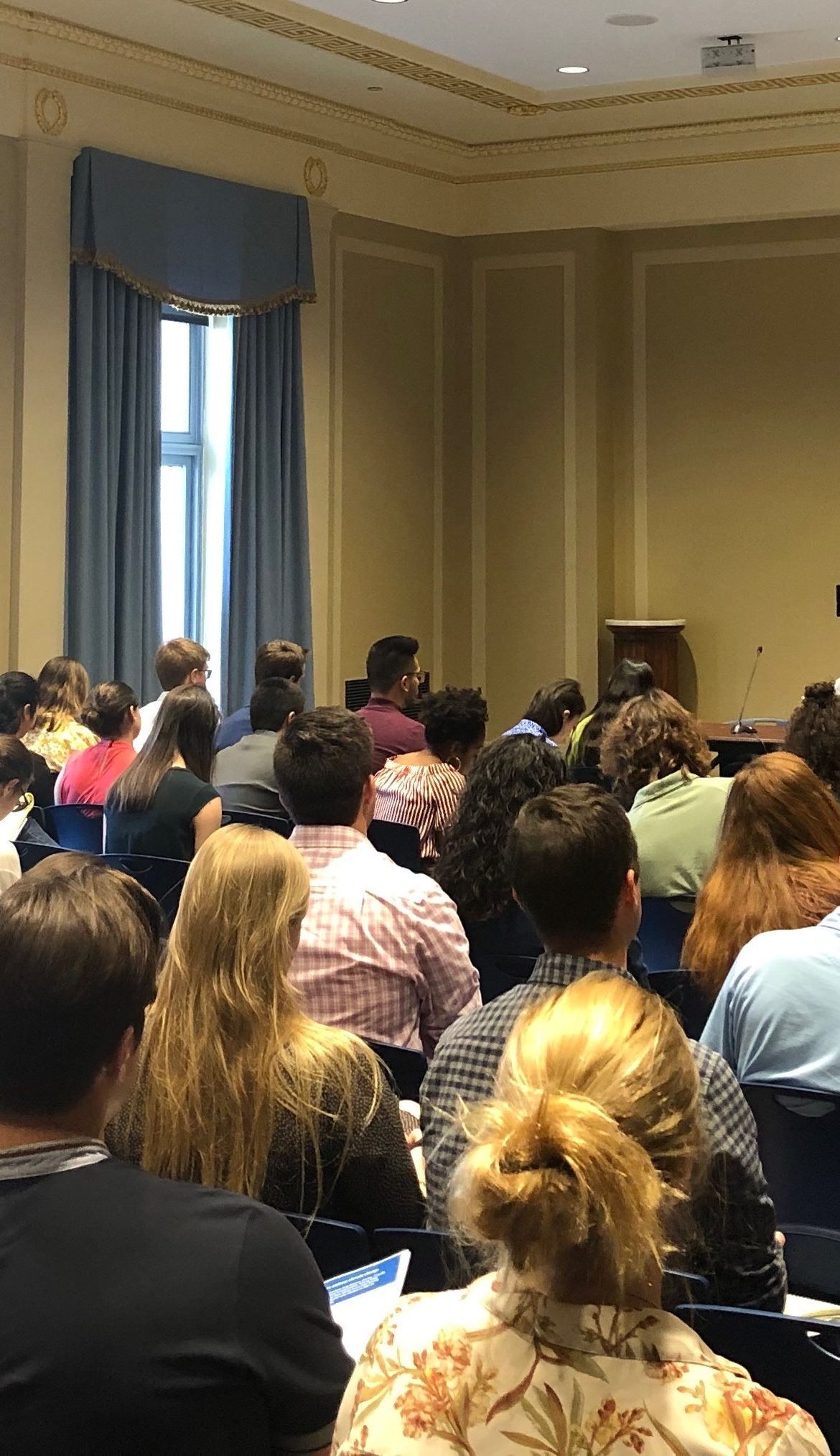
Last week, Representatives Chuy García (IL-4) and Ayanna Pressley (MA-7) co-hosted a briefing on Capitol Hill on the nexus of transportation and the climate crisis and announced the imminent launch of a caucus focused on creating a new vision for our transportation system.
National transportation policy is a rudderless ship sailing off into oblivion

For well over two decades, we’ve had no big-picture guiding purpose for the federal transportation program. Like a ship with a jammed rudder heading off aimlessly into forever, federal transportation policy has been limping along without an overarching purpose or destination in mind. How does this inertia lead us toward all the wrong things?
In the Washington Post: Let’s skip the infrastructure spending spree
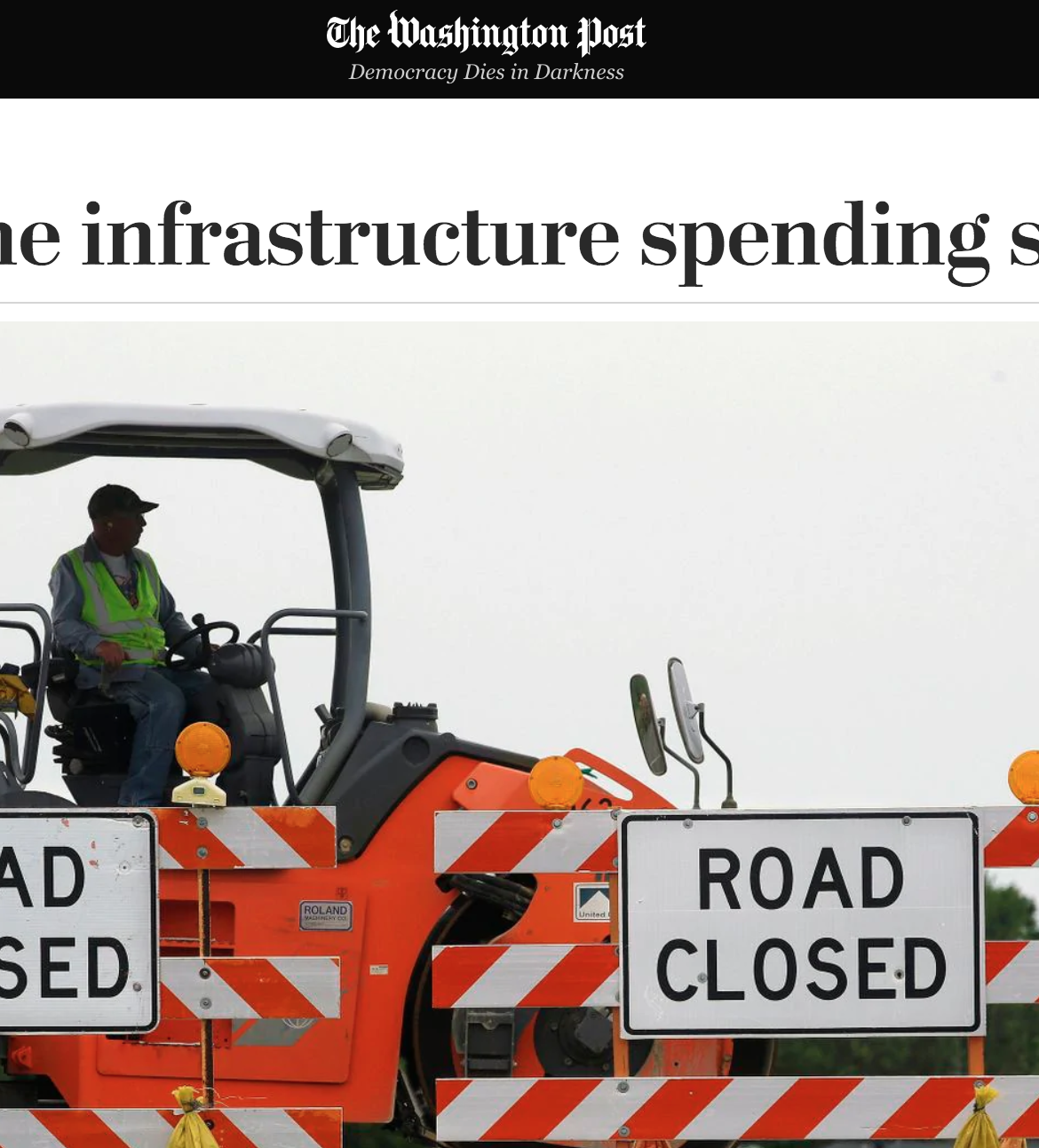
A new opinion piece in the Washington Post takes a contrarian view of all the talk about money during Infrastructure Week. Let’s skip the infrastructure plan and focus on policy, because without good policy more spending could actually do more harm than good.
What to watch for in Tuesday’s transportation and climate change hearing

The intersection between climate change and transportation will be on full display during a committee hearing in the U.S. House of Representatives. But will members of Congress take the opportunity to examine the critical role that federal transportation policy has played in creating the climate crisis? Here are six things we’ll be looking for during the hearing.
Talking about transportation in the Trump administration with the “CodCast”

Beth Osborne, senior policy advisor for T4America, sat for an interview on one of the best-named podcasts around — The CodCast — to talk about the uncertainty of just what transportation means in the Trump administration.
Revisit our post-election livestream panel discussion

Two days after the election, we streamed a live post-election panel discussion on how the 2016 elections will impact transportation policy at the federal, state and local levels. If you missed it, catch up here.
What should the next administration do when it comes to transportation?
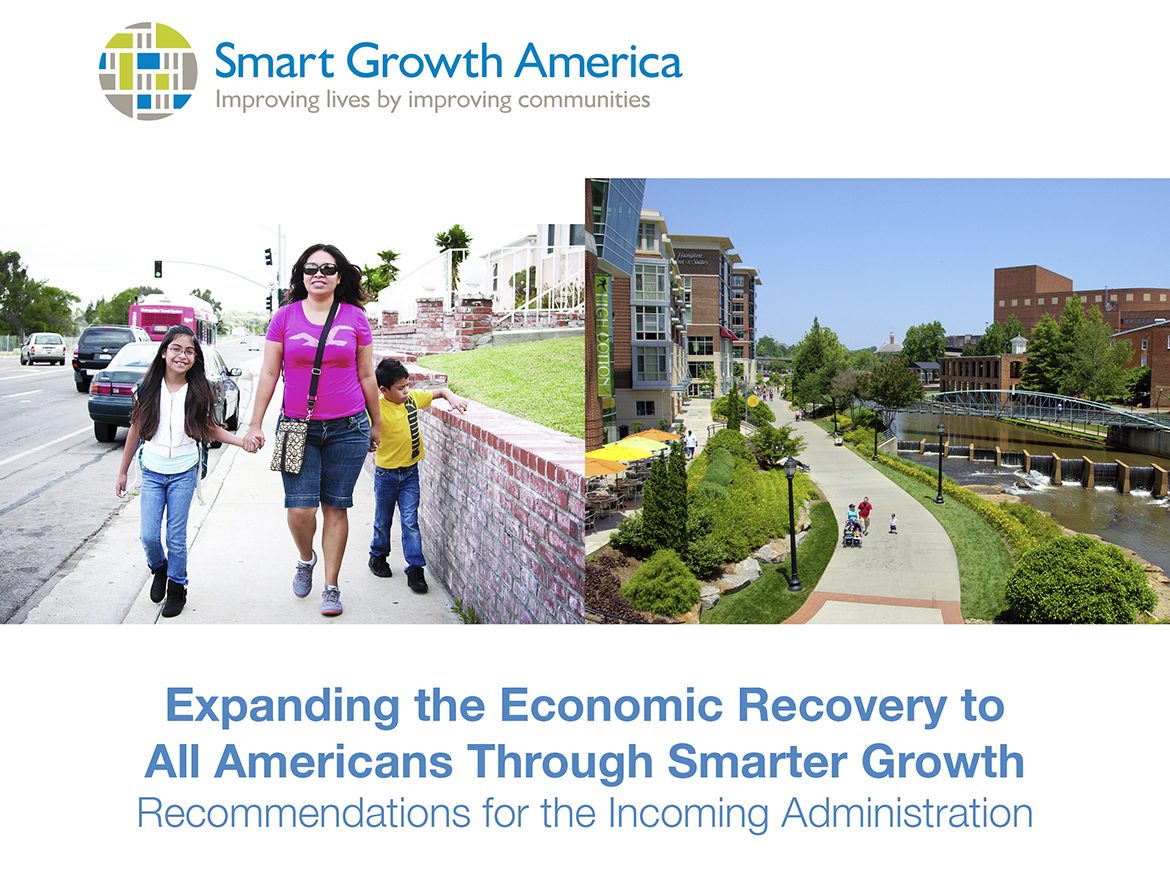
One of the biggest challenges for the incoming presidential administration is to make the economy work for individuals and families of all income levels. This short new guide of federal policy recommendations is designed to help the new administration accomplish just that.
May 31st transportation funding deadline looming over lawmakers
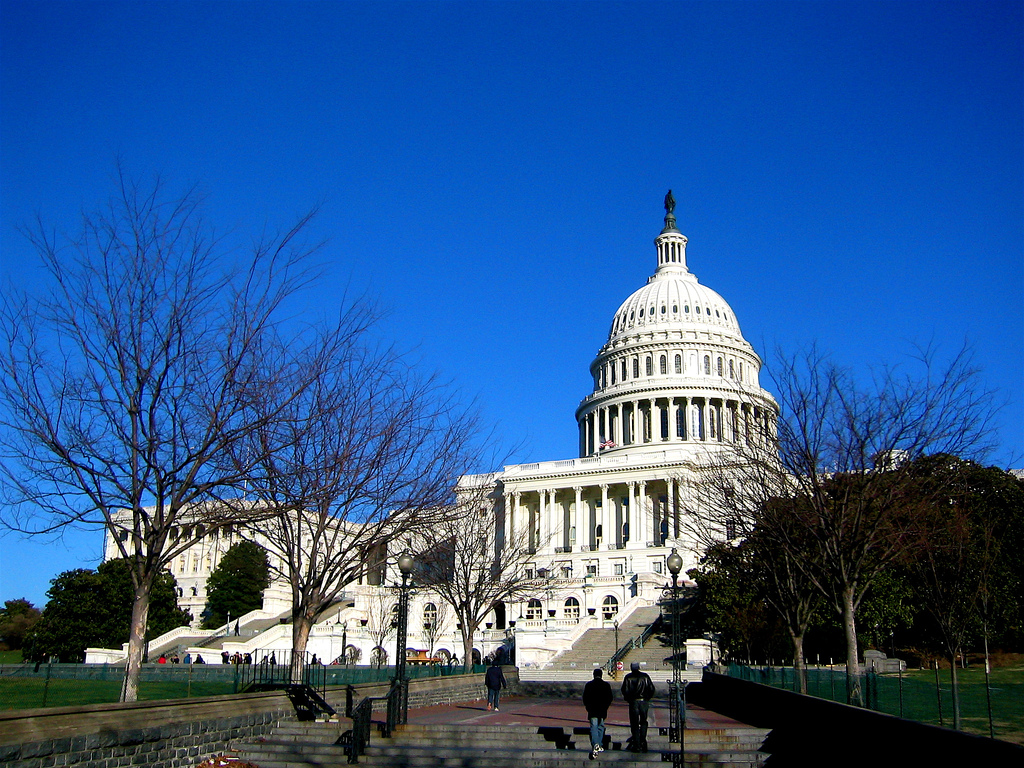
We’re only three weeks away from the expiration of MAP-21, the transportation law of the land, and Congress still does not have a solid plan for renewing or extending it — or for keeping the nation’s transportation fund solvent past the first days of summer.
“Transportation 101” provides a primer on the federal transportation program
 Understanding how current federal transportation policy works — much less how to go about changing the current system — requires a sometimes painful amount of context. So we put together this comprehensive report to provide some clarity and document where we’ve been, how the program works (or doesn’t work) the process of reauthorization and the new (and old) challenges facing us tomorrow and beyond as Congress debates a new transportation bill.
Our three principles
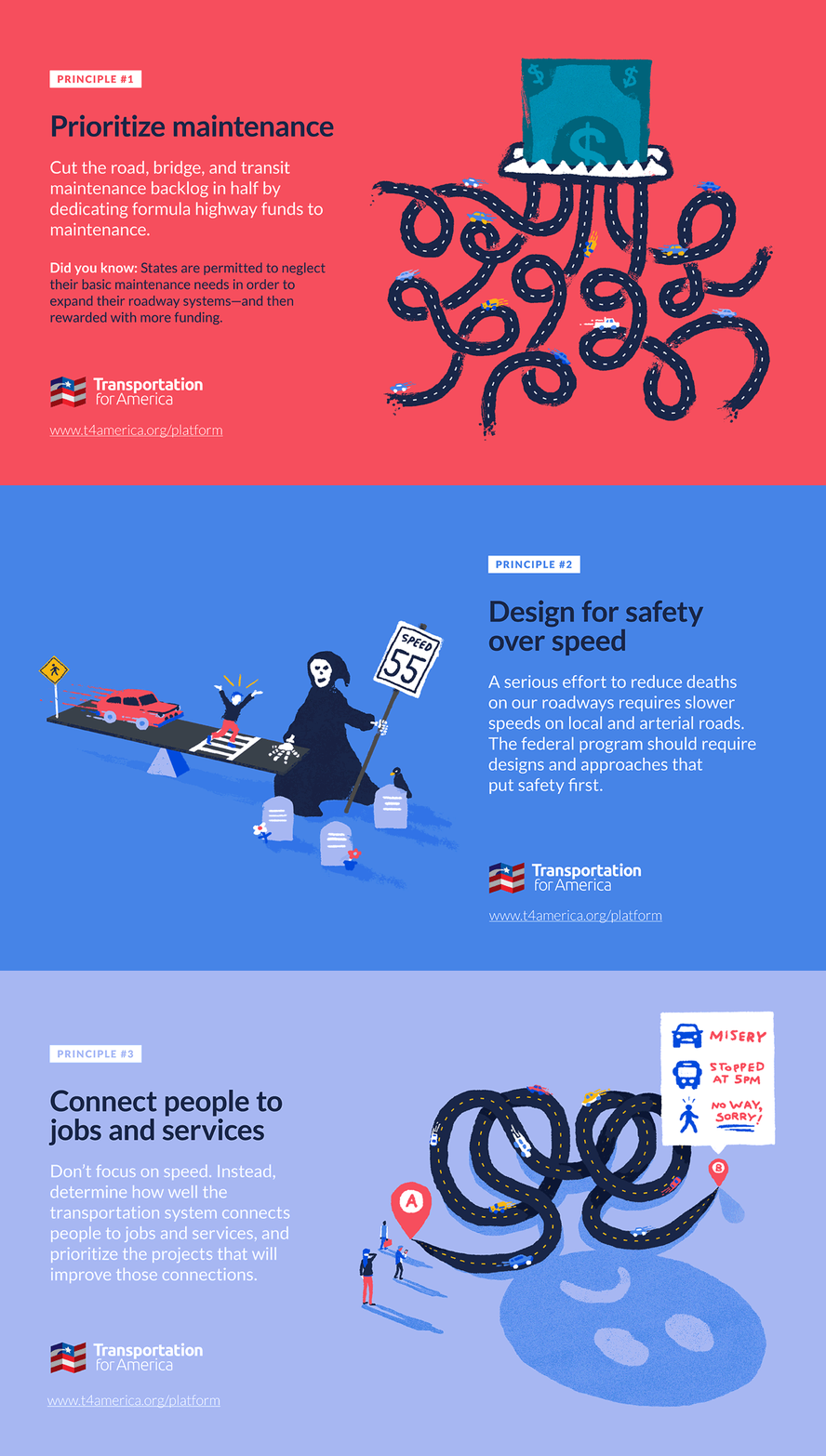
It’s past time to elevate the national conversation about infrastructure beyond just the price tag.
Learn more about our platformLatest From The Blog

There’s a climate cost to America’s freeways, and…
Apr 23rd, 2024


Progress for passenger rail in the South and…
Apr 10th, 2024


I cannot find the zoom link, I registered…
Jan 6th, 2024

A rare look behind the curtain of Transportation…
Jul 28th, 2023

In what Harrison Ford said was his most…
Jul 25th, 2023

Good example, walking to the local taco place…
Jul 24th, 2023