Posts Tagged "stimulus"
The infrastructure stimulus will do more harm than good if policy doesn’t change

The Biden administration is preparing to release an infrastructure stimulus package, potentially as soon as next week. We’re having flashbacks to the Recovery Act of 2009, a package that missed a lot of opportunities. Here’s why the way funding is allocated matters as much — if not more — than how much funding is proposed.
Congress to pass billions in much-needed relief for public transit and Amtrak
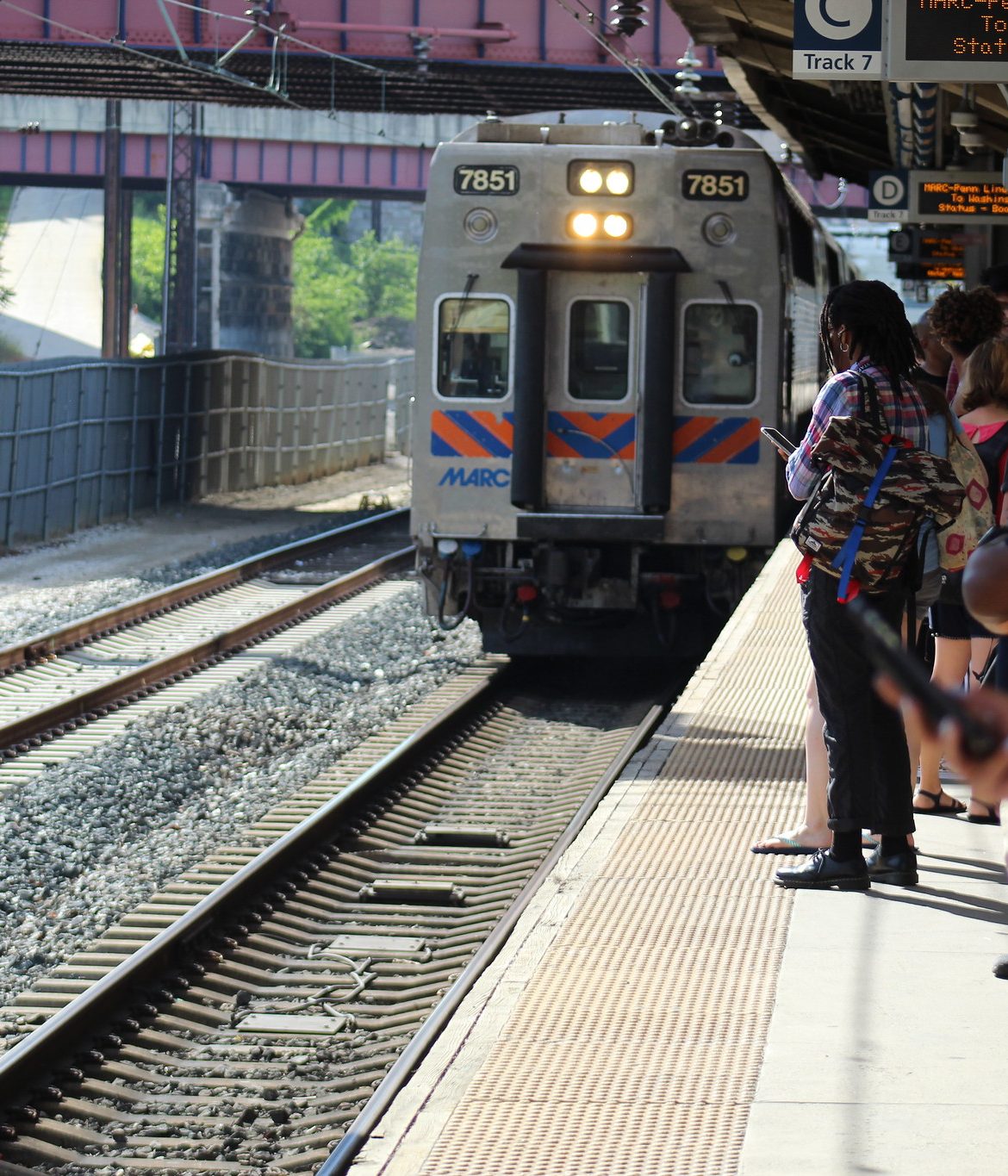
Today, Congress will take a big step towards recovering the United States’ essential public transit and passenger rail network from the pandemic with a $1.9 trillion stimulus package. The bill—soon to be voted on in the House and signed into law by President Biden—includes $30.5 billion in emergency relief for public transit and $1.7 billion for Amtrak.
Thriving Together: A springboard for equitable recovery & resilience in communities across America

A new report—Thriving Together—takes a comprehensive look at how “we can convert our immense loss from COVID-19 and other crises into renewal.” This report represents the combined efforts of more than 100 people and organizations, including Transportation for America, to create a thoughtful guide for rebuilding a more equitable society with “all people and places thriving. No exceptions.”
“Shovel-ready” projects just dig a deeper hole

Investing in “shovel-ready” projects—projects that are allegedly ready to go but just lacking funding—is an attractive idea for stimulating job growth. But as we learned in the 2009 stimulus, “shovel-ready” projects often aren’t all that shovel-ready, are frequently old road projects designed for the needs of the last century, fail to create jobs, and won’t help us build a safer, cleaner, and more equitable transportation system.
Building a better stimulus package: here’s how

With the $2 trillion rescue plan approved, Congress is already eyeing another COVID-19 relief and recovery package later this month. Based in part on what we learned from the 2009 stimulus, Transportation for America contributed infrastructure proposals to Smart Growth America’s detailed recommendations for economic stabilization and recovery. We must ensure that any further stimulus empowers communities to be economically prosperous, socially equitable, and environmentally sustainable.
Transit is a public good—let’s treat it that way
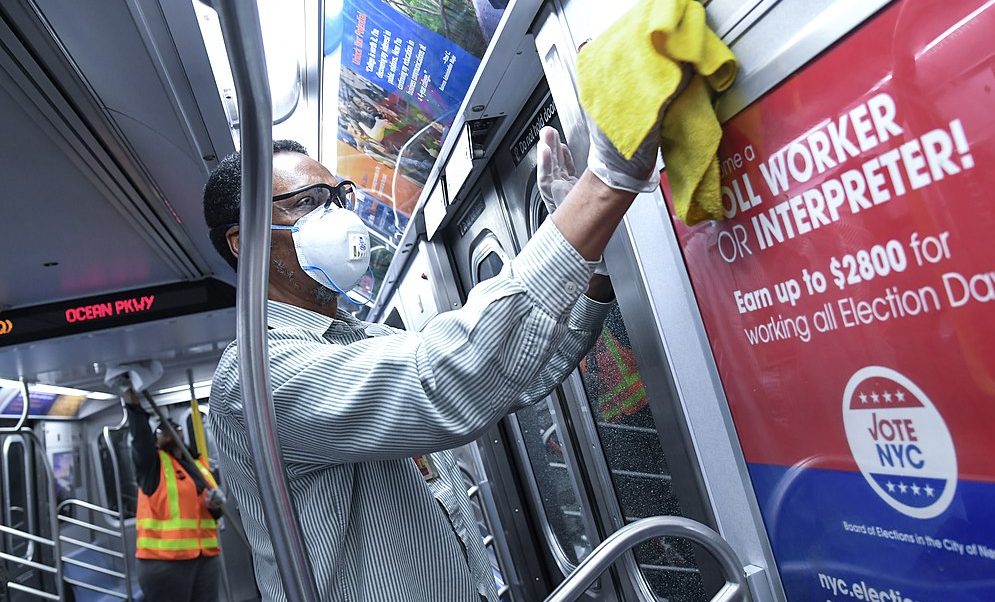
Across the country, transit agencies are urging people to stay home to protect public health. The steep decline in ridership over the past week due to the COVID-19 outbreak has caused transit to enter an unprecedented fiscal crisis. But Congress refuses to recognize how urgently transit needs support.
Normal, Illinois breaks ground on transportation hub
U.S. Senator Dick Durbin speaks in Normal, Illinois on the site of the new multi-modal transportation hub. Photo courtesy of the Bloomington Pantagraph. Just over two months after T4 America Director James Corless visited Normal, Illinois, that same town of 45,000 broke ground on a new transportation hub that promises to spur the economy and […]
Making Normal, Illinois the new “norm” for transportation planning
 Last week, Transportation for America Director James Corless was in Normal, Illinois, a town of 45,000 and recipient of a $22 million grant for a new city transportation hub, touting the project as a model for smarter federal transportation spending in the next six-year transportation bill.
Transit grants out the federal door, but what about the cuts?
 Secretary LaHood is (rightfully) touting the news on his blog this morning that the FTA met their deadline for distributing 100% of the transit grants from the stimulus package. That’s great news, but it should be accompanied by the sobering reminder that these public transportation systems that get people to work each day couldn’t use that money to keep from having to cut service at a time when it’s needed the most.
Will the TIGER grants reinforce metropolitan areas?
Rob Puentes of the Brookings Institution, writing for New Republic’s The Avenue, wrote a post this morning examining where transportation stimulus dollars have been directed. You can’t get too far reading the Brookings Metro Program without seeing a notable statistic: the 100 largest metro areas contain two-thirds of our population and produce 75 percent of […]
TIGER Grants Offer Critical Support to Communities with Innovative Transportation Projects
The Obama Department of Transportation today broke historic ground in unveiling projects chosen in a first-ever program to award federal dollars on a competitive basis to innovative projects that address economic, environmental and travel issues at once. The 51 projects announced under the TIGER grant program, funded by $1.5 billion included in the American Recovery and Reinvestment Act (ARRA), meet a broad array of challenges.
SGA analysis reveals transportation projects create the most jobs at the lowest cost
 A new analysis of federal stimulus spending, co-authored by Smart Growth America, the Center for Neighborhood Technology and U.S. PIRG, reveals that during the first ten months of the American Recovery and Reinvestment Act (ARRA), investments in public transportation produced twice the jobs per billion dollars as did highway projects.
Secretary LaHood takes on Senator Coburn’s “stimulus waste”
Transportation Secretary Ray LaHood didn’t pull any punches in a blog post this week about one senator’s “stimulus waste” list. Senator Tom Coburn is a persistent critic of transportation “enhancements” and author of a failed amendment earlier this year to strip bicycle and pedestrian projects from a spending bill. His latest waste list includes two bike paths. Coburn told the Washington Times, “When we run $1.4 trillion deficits, the money we spend ought to be a high priority for the American people as a whole.” To which LaHood retorts: “What he really means is that, because he doesn’t get bikes, no one else does either.”
How have states fared with the billions in transportation stimulus funds?
 You may recall that the $787 billion economic stimulus bill that passed in February had nearly $30 billion allocated for transportation investments. That money was given out to states and Metropolitan Planning Organizations (MPOs) — largely free of any criteria or requirements for what projects it should be spent on. So after 120 days, how have states done in addressing these pressing needs and investing in progress for their communities?
Choosing where to invest transportation dollars in Houston
We wanted to highlight this piece from Reuters’ Infrastructure Summit — especially an appearance by T4 America Partner The Citizens’ Transportation Coalition. Chairwoman Robin Holzer and the CTC have been working hard to bring attention to one of the most wasteful projects receiving money from the stimulus, using it as one more example to show how “the federal transportation funding system is broken, it’s just broken.”
Summary of the American Recovery and Reinvestment Act
For those of you who don’t check the “Campaign News” tab at top on a regular basis or get the full RSS feed, we posted our full summary of The American Recovery and Reinvestment Act of 2009. If you are interested in the full, detailed, numerical breakdown of transportation spending in the stimulus package, read Transportation For America’s full summary of the provisions and funding requirements for transportation in The American Recovery and Reinvestment Act.
Though a Worthy Down Payment, Stimulus Raises Urgent Need for New Transportation Vision
Given the need for haste in crafting the bill, congressional and Administration negotiators were handcuffed by backward-looking, existing programs even as they tried to shape investments for a future of reduced oil dependency, greater opportunity for Americans to join the middle class and cleaner transportation choices. Despite some shortcomings resulting from current transportation law, Congress has adopted a bill that if properly enacted by state and local authorities, could be a down payment on a new direction for America’s infrastructure.
Comparing transportation spending in the Senate and House stimulus
With the stimulus successfully passed through the Senate, it moves into conference with the House, where the two chambers will try to hammer out the version to be voted on again by each house before heading to the President’s desk if it passes. Here is our side-by-side comparison on the transportation spending in the two versions.
Senate compromise preserves transit funding — for now
It appears the Senate compromise on the stimulus package keeps transit and highway funding unchanged. We’re suspending our appeal to make calls for now. The Senate will move to vote on the overall stimulus package Monday or Tuesday. Then it moves to a conference committee with the House to determine the balance between the two bills that will ultimately be voted on by both Chambers and sent to the President’s desk.
Our three principles
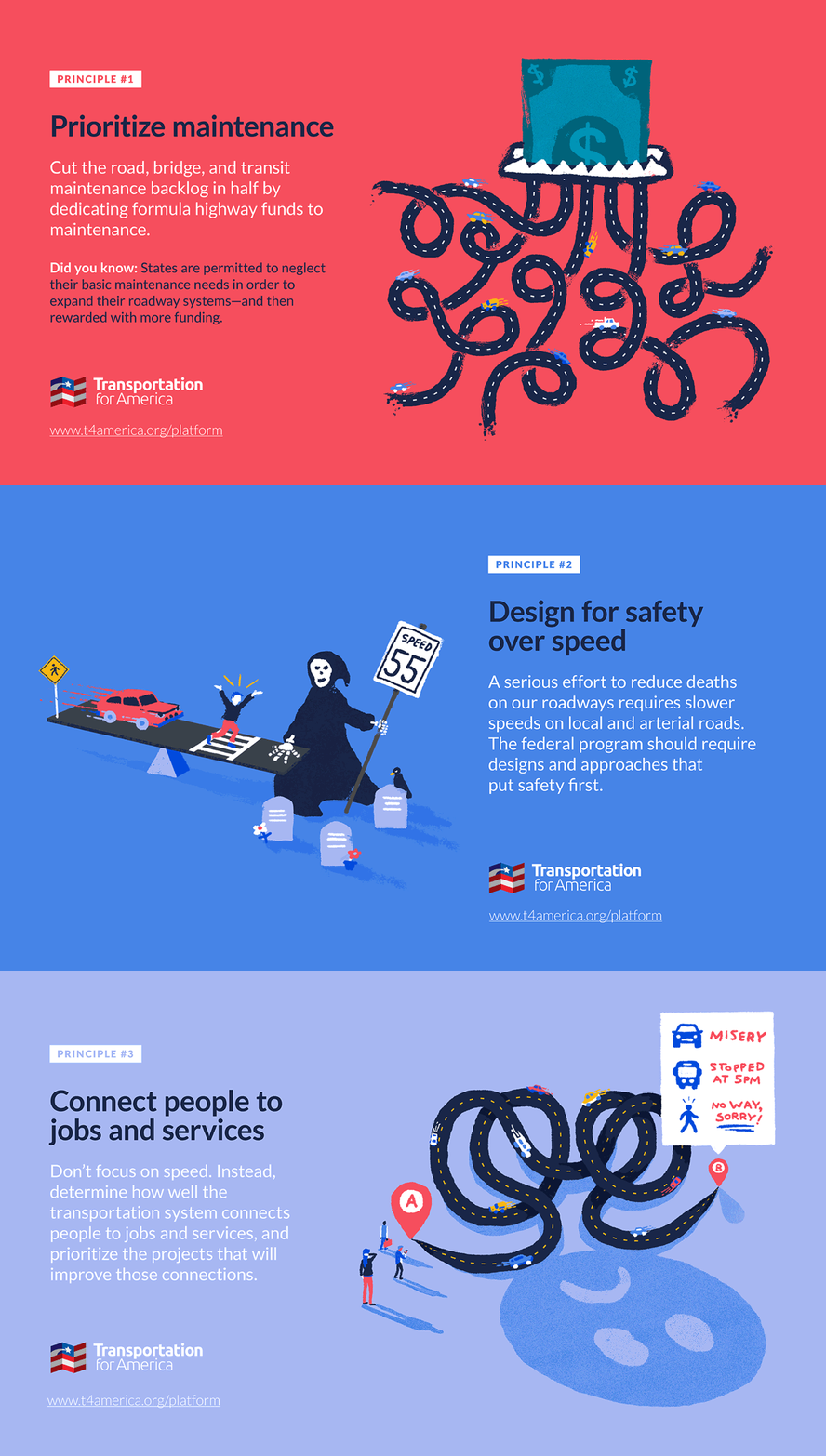
It’s past time to elevate the national conversation about infrastructure beyond just the price tag.
Learn more about our platformLatest From The Blog


Progress for passenger rail in the South and…
Apr 10th, 2024


Building back better: Reflections on the state of…
Apr 9th, 2024

I cannot find the zoom link, I registered…
Jan 6th, 2024

A rare look behind the curtain of Transportation…
Jul 28th, 2023

In what Harrison Ford said was his most…
Jul 25th, 2023

Good example, walking to the local taco place…
Jul 24th, 2023