Posts Tagged "ways and means"
Congress kicks into high gear on transportation — let’s summarize the action
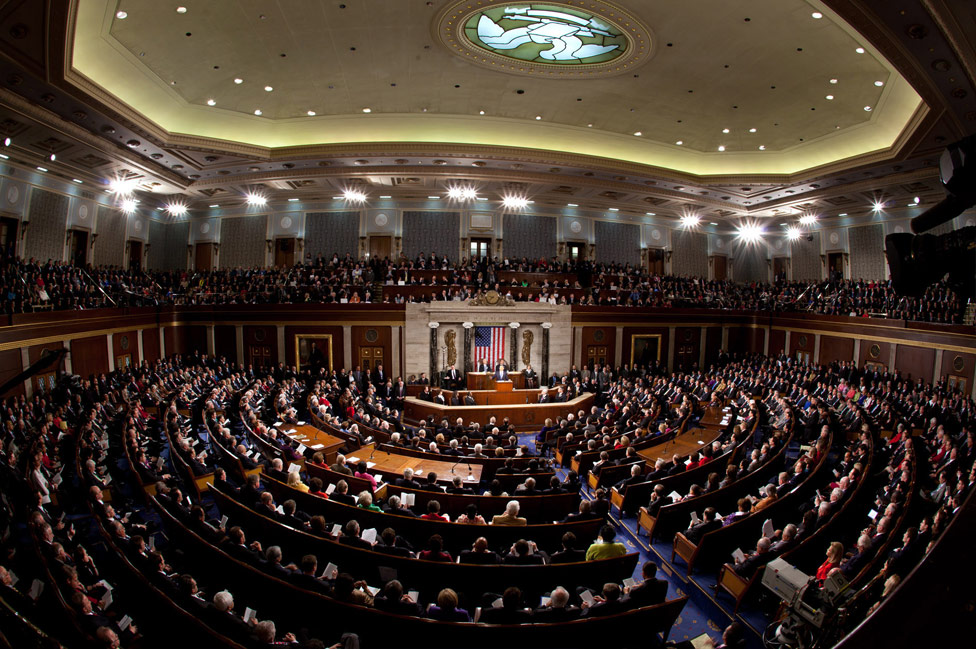
During an extremely busy week in the Senate in several key committees, a long-term transportation bill was introduced and approved, a bill to invest in and begin upgrading our nation’s passenger rail system was approved, Senate financiers continued discussing possible ways to keep our nation’s transportation fund afloat, and appropriators restored one cut to key transportation program made by the House — though not all, unfortunately.
House takes first step in process to keep the nation’s transportation fund solvent
For the first time since 2012, the House of Representatives held a hearing focused on funding the nation’s transportation system. Today’s hearing focused on the elephant in the room: how to adequately fund a transportation bill that’s longer than just a few months. While it’s a relief to see the funding issue finally getting airtime in the House, keeping the nation’s transportation fund solvent is only half of the problem — we also need to update the broken federal program that isn’t meeting our country’s needs.
House bill extends transit benefit through 2014, leaving permanent extension in doubt

Transit commuters would get two weeks’ worth of additional tax benefit under a House bill introduced yesterday.
With GOP victories, SAFETEA-LU team in line to chair Senate committees

With last night’s election, both the Senate and House will see leadership changes in key transportation committees. With the nation’s transportation funding source running near empty and the current law, MAP-21, expiring in the spring, these new committee leaders will have an opportunity to make an impact in the very near term.
Senate poised to take up House plan to patch Highway Trust Fund until Spring 2015

Sometime this week the Senate is expected to take up and vote on the House’s bill to postpone the insolvency of the Highway Trust Fund until May of 2015 via an array of accounting maneuvers to cover ten months of transportation funding.
Senate, House committees approve short-term rescue of trust fund; long-term solution still needed
The Senate Finance and House Ways and Means committees today each passed similar short-term patches to keep the Highway Trust Fund in the black at least through early 2015. If adopted by the full House and Senate, the move to transfer $10.8 billion to the trust fund will avert immediate disaster, but there’s still heavy work needed to find a long-term funding solution.
Senate Finance Committee considers a trust fund stopgap, with long-term funding unclear

The Senate Finance Committee Thursday will take up a proposal from Chairman Ron Wyden (D-OR) to keep the Highway Trust Fund solvent through Dec. 31 with a $9 billion transfer from the general budget. The needed revenue would be raised by increasing the allowable tax on heavy trucks and four accounting maneuvers unrelated to transportation.
T4America applauds President and House tax chair for efforts to fix the transportation funding crisis, as local leaders plead for help

Today President Obama and House Ways and Means Committee Chairman Dave Camp (R-MI) introduced separate proposals that would prevent the looming insolvency of the nation’s key infrastructure trust fund. President Obama today unveiled a proposal for a four-year, $302 billion transportation bill, with a windfall from business tax reform covering the shortfall in the Highway Trust Fund for that period. Chairman Camp proposed tax reform measures that would include staving off insolvency of the transportation fund for eight years. James Corless, director of Transportation for America, issued this statement in response:
In Hill event, local leaders make case for federal support for transportation needs

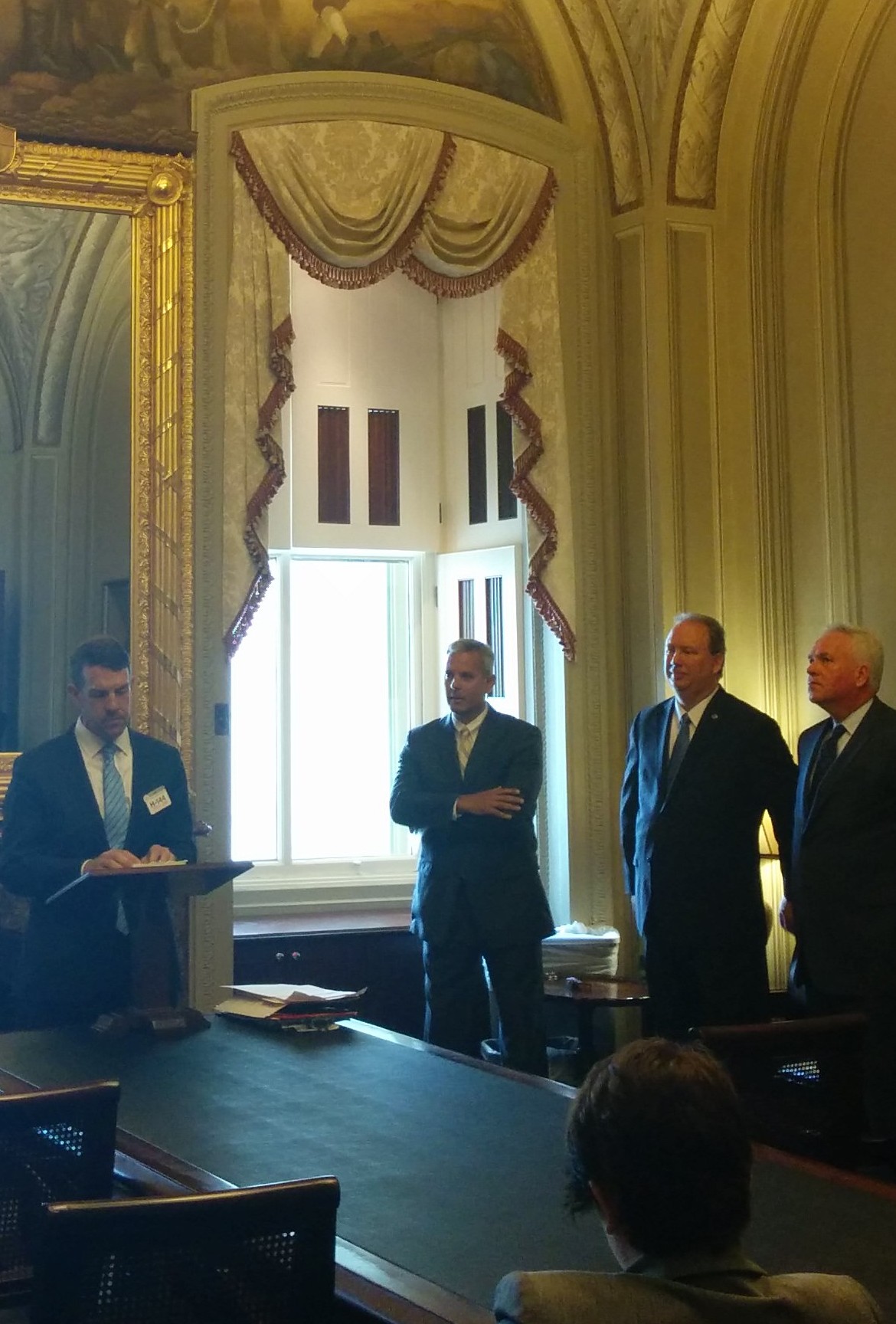
Before a packed room on Capitol Hill, local leaders from three very different communities shared one very specific message with a handful of Congressmen and at least four dozen staffers: If Congress doesn’t act to shore up the nation’s transportation fund before it goes insolvent later this year, their cities and communities would bear the brunt of the pain.
House committee ignores broad opposition, decimates transit funding anyway
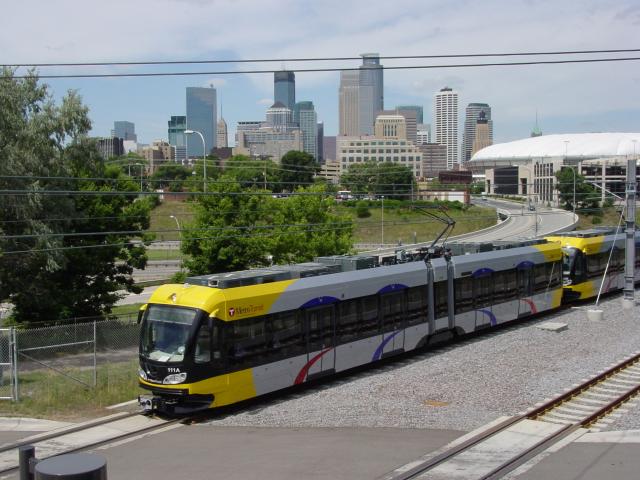 Hours after receiving over 5,000 letters and phone calls and a letter signed by more than 600 groups from an unbelievably broad spectrum, the House Ways and Means Committee ignored that broad, bipartisan opposition and went full speed ahead with their unprecedented plan to kill dedicated transit funding — ending the historic guarantee for dedicated funding for public transportation, leaving millions of riders already faced with service cuts and fare increases out in the cold.
Massive letter opposing House leadership attack on transit sent to Capitol Hill
As we mentioned yesterday, House Leadership and the Ways and Means Committee this week proposed an unprecedented attack on public transportation funding.
House leadership making unprecedented assault on public transit
A key House Committee is threatening to kill three decades of successful investments in mass transit — originally started under President Ronald Reagan — by ending the guarantee for dedicated funding for public transportation, leaving millions of riders already faced with service cuts and fare increases out in the cold.
Our three principles
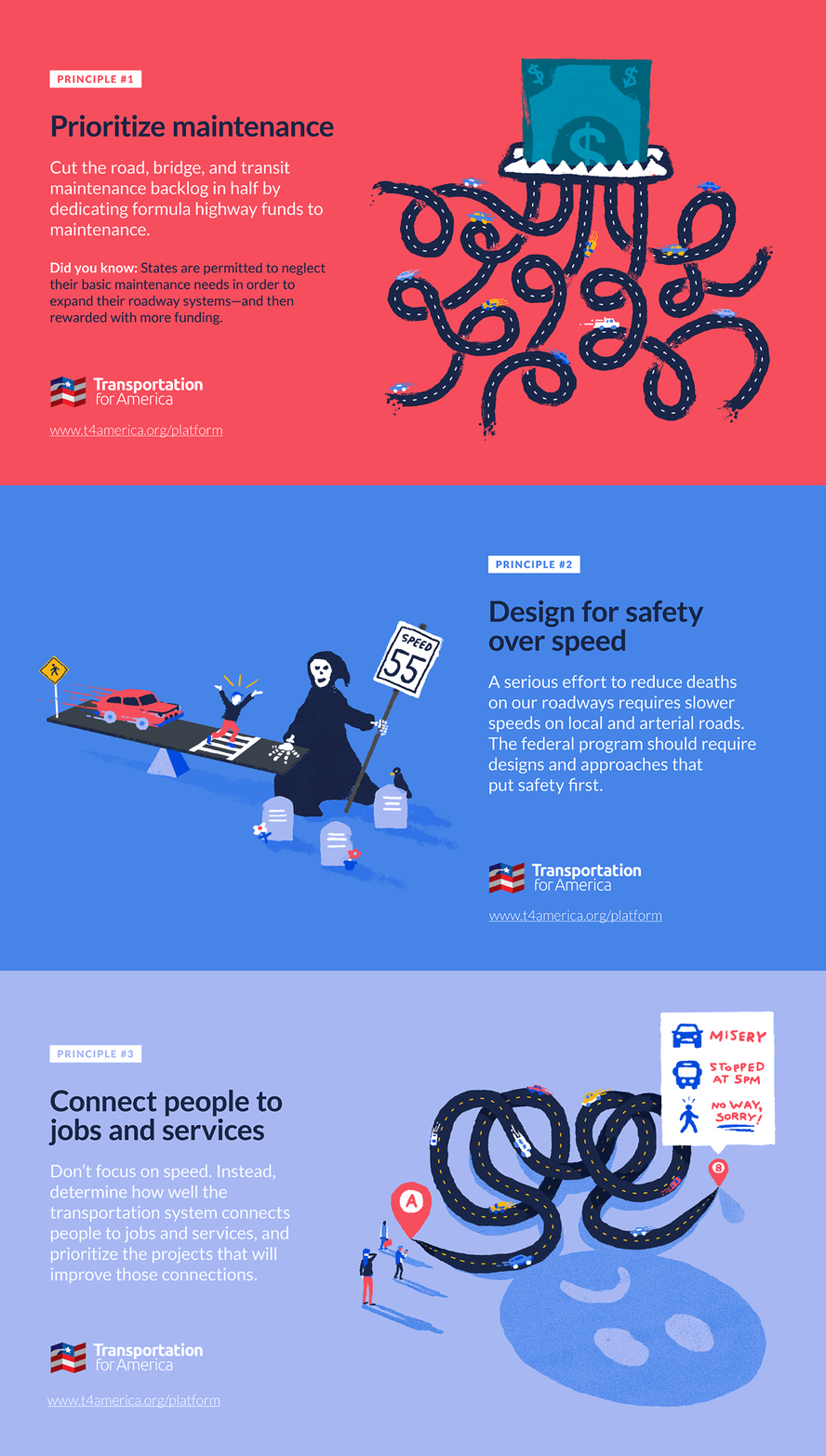
It’s past time to elevate the national conversation about infrastructure beyond just the price tag.
Learn more about our platformLatest From The Blog


There’s a climate cost to America’s freeways, and…
Apr 23rd, 2024


Progress for passenger rail in the South and…
Apr 10th, 2024

I cannot find the zoom link, I registered…
Jan 6th, 2024

A rare look behind the curtain of Transportation…
Jul 28th, 2023

In what Harrison Ford said was his most…
Jul 25th, 2023

Good example, walking to the local taco place…
Jul 24th, 2023