World-Class American Transit
Transit needs a moonshot—an ambitious vision for world-class transit across the country that matches the scale of the nearly 50,000-mile Interstate Highway System. To give Americans the freedom to choose world-class transit options, just like citizens in other highly developed economies do, we would need to nearly triple the number of transit vehicles in service available today. At current costs, realizing that vision could take a total investment of $4.6 trillion over a twenty-year timeline. That sounds costly, but the U.S. is projected to spend an additional $6.3 trillion on highways in that time, and since 1956, we have spent $9.6 trillion more on highways than transit.
World-Class American Transit
What we need for World-Class American Transit
To approach the high-quality, high-frequency levels of transit service in globally competitive cities, the United States would need to nearly triple the transit vehicle fleet and build out more than 7,500 miles of new dedicated transit infrastructure in urban areas with populations over 50,000.
We also need to reduce the cost of building transit, and doing so could allow the country to achieve world-class service for less. But considering today’s high costs, the United States would need to spend significantly more to achieve this. We would need to invest an average of $229 billion annually (in 2024 dollars) across these three key categories between now and 2045. This is nearly 2.5 times transit spending in 2024, constituting a $2.4 trillion increase over baseline investments in transit between 2026 and 2045.
Capital: Expand the fleet and build new, dedicated right-of-way
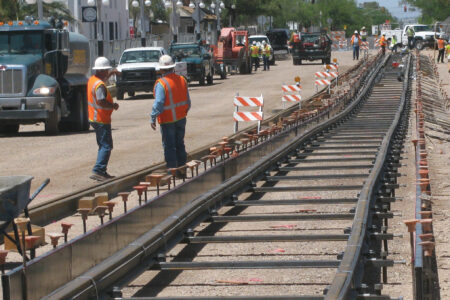
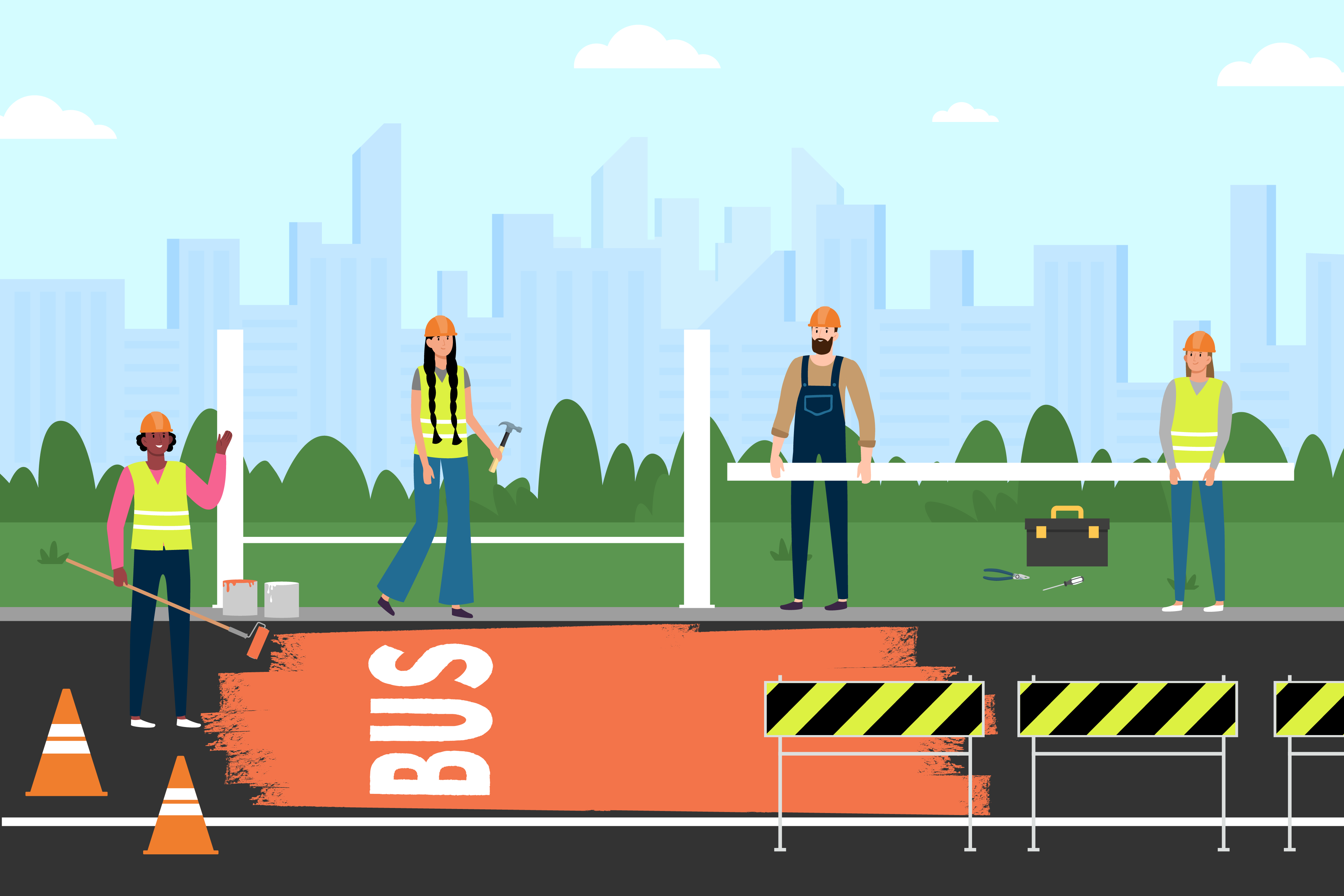
Increase the number of transit vehicles in service by about 116,000 to provide service on par with globally competitive cities, requiring a $181 billion investment. World-class service isn’t stuck in traffic—we will need to build over 7,500 miles of new right-of-way to operate this expanded service, ideally within its own dedicated spaces, requiring an $860 billion investment in infrastructure.
Operations: Make the service fast, frequent, and reliable
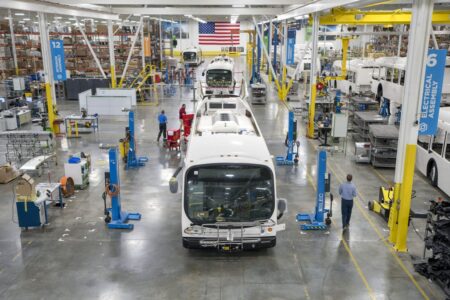
Tripling the transit fleet to run fast and frequent transit costs more than running slow, infrequent service—but it’s worth it. Assuming existing labor, fuel and maintenance costs and automation levels, we would need to more than double annual investment in transit operations, up to $170 billion per year by 2045, to operate high-quality, high-frequency transit across the country.
Repair: Address the maintenance backlog and protect new assets
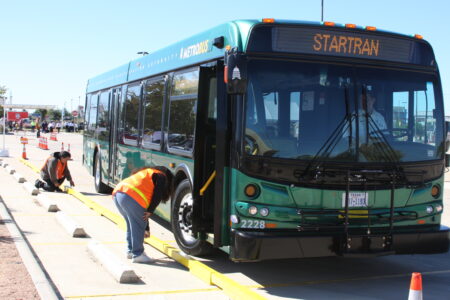
Decades of underinvestment in transit maintenance have resulted in a $140 billion backlog in deferred maintenance. Investing an extra $5 billion annually would help eliminate the transit state of good repair backlog over the next 20 years. Keeping the 116,000 new transit vehicles in a state of good repair would require $297 billion (over expected baseline levels).

Creating a vision worth paying for
Transit needs a moonshot, an ambitious vision for world-class transit in our cities that matches the scope and sweep of the Interstate Highway System. That vision is ambitious, but just like the 1956 plan to build a brand new, massive national system of interstate highways across this enormous, diverse, rugged country, we won’t get there overnight. Completing the interstates as originally proposed took more than 36 years when a complex section of I-70 was finally completed through the rugged Glenwood Canyon of the Rocky Mountains in 1992. This report proposes a 20-year timeframe—time for an ambitious leap in capacity building, development, and culture shifts—to build a strong foundation for world-class transit.
There are many possible ways to fund this idea, and those debates can and should ensue. This report does not endorse any particular funding mechanism. When it comes to federal transportation policy, the question of how to pay for something has never led to a productive conversation about the policy required to get there. The massive benefits of this sort of transit moonshot are worth finding a way to pay for.
The government spends hundreds of billions of dollars each year on highways and roads—so that American individuals can pay trillions more to use those public investments. According to 2025 data from the Congressional Budget Office, the United States spent over $249 billion on highways and roads in 2023 across all levels of government. Considering what Americans personally have to pay at the pump, the shop, and at the dealership, U.S. households conservatively spent trillions that same year on the 285 million vehicles registered to them. The average cost to own and operate a car surpasses $12,000 a year, constituting an expense that eats up over 20 percent of the average American’s income. Meanwhile, the New York Federal Reserve found that auto loan debt rose to an astonishing $1.6 trillion in 2025.
In 2023, even when boosted by remaining COVID-era one-time emergency support for transit operations, federal spending on transit was only about 36 percent of highway spending. This is not a surprise, as the federal government has long favored highway spending: Since 1956, transit spending has made up less than a third of all federal transportation spending. This enormous gap in investment between highways and transit has shaped the built environment and produced poor access to jobs, housing, and opportunity, limited by expensive car-oriented sprawl.
This ambitious investment is costly, but it’s important to remember the backdrop of immense highway spending against which it sits. Assuming we continue spending on roads at the same level, the United States will, across all levels of government expenditures, spend over $6 trillion on highway capital projects between 2026 and 2045. Factoring in personal transportation expenses, Americans will spend over $77 trillion on car ownership over that same period of time.
An investment in world-class transit would open up new opportunities for transit-accessible housing and provide families the freedom to drive less or even choose whether or not to buy a car, creating enormous opportunities for affordability. By conservatively assuming that access to high-frequency, reliable transit could reduce the rate of car ownership by just a quarter of a percent each year, the $4.6 trillion investment to achieve world-class transit across the United States would save Americans over $5.4 trillion just from the costs of car ownership that could be avoided. These savings would be on top of the anticipated billions of savings in government expenditures that multimodal, transit-oriented investment could bring about.
Why should we do this? The benefits of world-class transit
Why should we attempt to realize this vision? The returns would be immense: catalyzing new development and the construction of millions of transit accessible homes, improving affordability by reducing household transportation costs, boosting the domestic supply chain, and giving millions better access to jobs and opportunity.
Public transportation provides a wide range of benefits. It connects people to opportunity by providing access to essential jobs, schools, healthcare, and daily necessities—especially for those who don’t drive or can’t afford a car. Fast, frequent, and reliable transit gives people more choices about how and where they live and work. Transit is what makes possible the agglomeration of people, jobs, ideas, and innovation in the cities that fuel the country’s economy. Transit—and development oriented around it—powers the economic engines of the most economically productive cities in the world. Transit is always popular in any place where it exists as a reliable, fast, high-quality option—and it can save money for those who depend on it. And more companies in all parts of the country can benefit from a strong domestic supply chain for building every piece of it.
Voters support and demand more transit options
Residents in communities of all sizes continue to vote to invest in better transit over 80 percent of the time, even when they are voting to tax themselves to do it. From 2017-2022, 85 percent of all ballot measures for transit passed, and in 2024 alone, 87 percent were approved—far outpacing the success rate for other ballot initiatives. Over the past two decades, voters in cities, suburbs, and rural places alike have supported new taxes and bonds to fund transit improvements.
Strong transit systems attract businesses, induce new development, boost property values, and foster job growth
High-quality transit is an engine of sustainable economic growth in towns and cities, creating a way to make the most efficient use of scarce, valuable land. There’s no successful city in the world that can build enough lanes or parking spaces for every person to drive to work: transit makes agglomeration possible, which is what makes cities economic powerhouses and hubs of opportunity. The market places a significant price premium on housing, business, and retail with transit access as a result. Homeowners and renters pay more for housing near transit when searching for places to rent or buy a home, with transit-accessible home prices being 4 to 24 percent higher than those not located near transit. Employment clusters around transit corridors, even for bus rapid transit (BRT) lines, where businesses gain better access to workers and workers gain better access to opportunity. In most metropolitan markets, the highest rents are found in the areas with the best transit access. Research has shown that every $1 invested in transit reaps a $5 reward in economic benefits.
Transit makes life more affordable
Transportation and housing costs are typically the two highest household costs, and they go hand in hand: The price of housing can’t be separated from the transportation costs required for that household to reach the things they need. If the only choice is to drive, and to drive long distances at that, those high transportation costs can obliterate the savings of the more affordable home. To this end, the Center for Neighborhood Technology’s Housing + Transportation (H+T) Affordability Index tool demonstrates how the lack of transit and a reliance only on cars inflates the true cost of living, undercutting the value of affordable housing when a lack of transportation options sends costs through the roof. When transit is a realistic option, it not only offers an alternative to time-consuming traffic, it also allows a household to spend less on vehicles and gas, and more on building long-term wealth and stability. If the United States invested in such a way that people could drive just 20 percent fewer miles per capita, the average household would save $2,110 annually from fuel and vehicle maintenance savings and avoided depreciation, according to RMI’s SMARTER Modes Calculator.
Cities that offer a range of travel options bring enormous financial benefits to households
Car ownership can be an immense strain on household budgets. The annual cost of car ownership averaged over $12,000 in 2024, making up nearly 15 percent of median household income, and altogether costing American families over $3.5 trillion each year to own the country’s 285 million registered vehicles. Even assuming car ownership costs remain steady, American households could spend over $77 trillion on owning cars between 2026 and 2045. Requiring everyone to buy and drive a car to participate in the economy not only cuts people off from opportunity but also puts an artificial cap on the potential of our economy. Providing world-class transit options and alternatives to car dependency could save Americans trillions by reducing the need for vehicle ownership and by making housing more affordable in well-connected, transit-accessible neighborhoods. If mobility needs are covered by world-class transit, such that net car-ownership growth is reduced by 0.25 percent each year, American households could save over $5.4 trillion between 2026 and 2045.
The economic benefits of investing in transit ripple outward across the country
Transit has a deep domestic supply chain that spans the entire country. Across the U.S., nearly 2,800 companies produce the vehicles, parts, and materials that keep transit systems running. These manufacturers are found in 91 percent of congressional districts, and in 98 percent of states, plus the District of Columbia, reaching nearly every corner of the nation. Building transit employs thousands across the U.S. in a diverse national supply chain, strengthening the domestic manufacturing sector in ways that touch communities of nearly every size.
Transit can help reduce emissions
Driven largely by our dependency on cars, transportation remains the single largest source of greenhouse gas emissions in the U.S., and electrifying the vehicle fleet alone won’t happen fast enough to reduce emissions quickly enough. Emissions from vehicles are also causing cancer as one of the most significant sources of carcinogenic air pollution in many communities. We need to provide people with more options beyond the car to tackle the issue, and transit offers one of the most effective ways to do that. Reliable transit reduces traffic and overall driving by providing more options for getting around. This is important because communities with cleaner air experience fewer asthma attacks and respiratory illnesses. Transit investment also supports denser development and more walkable neighborhoods that offer improved climate and health outcomes, with transit riders tending to walk more. The benefits of investing in transit over highways are clear and measurable.
This is only a starting point
This report is not intended to be a comprehensive look at everything required to build world-class transit in the United States—it’s merely the starting point for a much more expansive conversation. It makes scores of assumptions and oversimplifies many things to produce a national-level analysis that illustrates the scale of investment needed to achieve what we can call world-class transit. Each urban area included in this report analysis also has a range of diverse needs and would need to make their own decisions to determine what constitutes world-class transit in its region, whether that’s more rail than we’ve assumed, or far more buses, or different levels of coverage.
And we will need far more than money to get there. We need a host of new and reformed policies at the federal, state, and local levels. The unsustainable growth in the cost of transit projects needs to be arrested and reversed. The process for expanding or building new transit, be it bus lanes or rail tracks, needs to be streamlined and simplified. The procurement process needs a major overhaul to allow agencies and manufacturers to deliver more vehicles on the road and rails faster than ever. Public agencies need sustained capacity to plan, design, build, and operate transit that we don’t currently have. We need more institutional wisdom and capacity in the Federal Transit Administration to help communities build efficient, effective transit much more quickly. Incentives need to be realigned around providing service and creating value. We will need new methods of funding and financing transit that enable a virtuous cycle of growth, decoupled from failing funding sources like the Highway Trust Fund.
Defining world-class transit
Transit that operates with extensive coverage and predictable, frequent service that grants people a high level of mobility, where they can reach nearly everything they need.
This analysis is limited to U.S. urbanized areas
This analysis considers transit service in the 452 urbanized areas with over 50,000 people in the United States. Collectively, these areas are home to over 230 million Americans—about 65 percent of the U.S. population. In 2023, over 63,000 fixed-route transit vehicles operated in maximum service across these 452 urbanized areas.
Benchmarking world-class transit
To set a defined benchmark for world-class service, we evaluated a diverse, global set of cities known for their high-quality transit, characterized by fast, frequent, and affordable service that provides high levels of access to jobs and destinations. 1We used data from the International Association of Public Transport (UITP) via their CityTransitData website.2
Taking a look at these global cities, we consistently found that each urban area’s fixed route transit fleet scaled with population such that, on average, there were over 130 transit vehicles in service for every 100k residents, providing an abundance of options and allowing for high coverage, high-frequency transit across their respective regions.
The U.S. delivers a fraction of transit service compared to global competitors
In the U.S., only New York City’s urban area comes close to that standard, with 88 transit vehicles in service for every 100k residents. Elsewhere across the country, we have a long way to go to operate a fleet capable of delivering world-class transit service, as the average American city has only 27 transit vehicles per 100k residents. This is the result of a massive, long-term disparity in investment between highways and other transportation options. Investing in the rest, and providing high-quality, efficient transit options will require a generational investment like the proposal we put forward to bridge the $9 trillion infrastructure investment gap that has formed between transit and highway infrastructure since 1956.
Explore the full report
The full content of this report is broken up across these pages. Use this menu to navigate through the full report.
Identifying the scope of investment needed to achieve World-Class American Transit
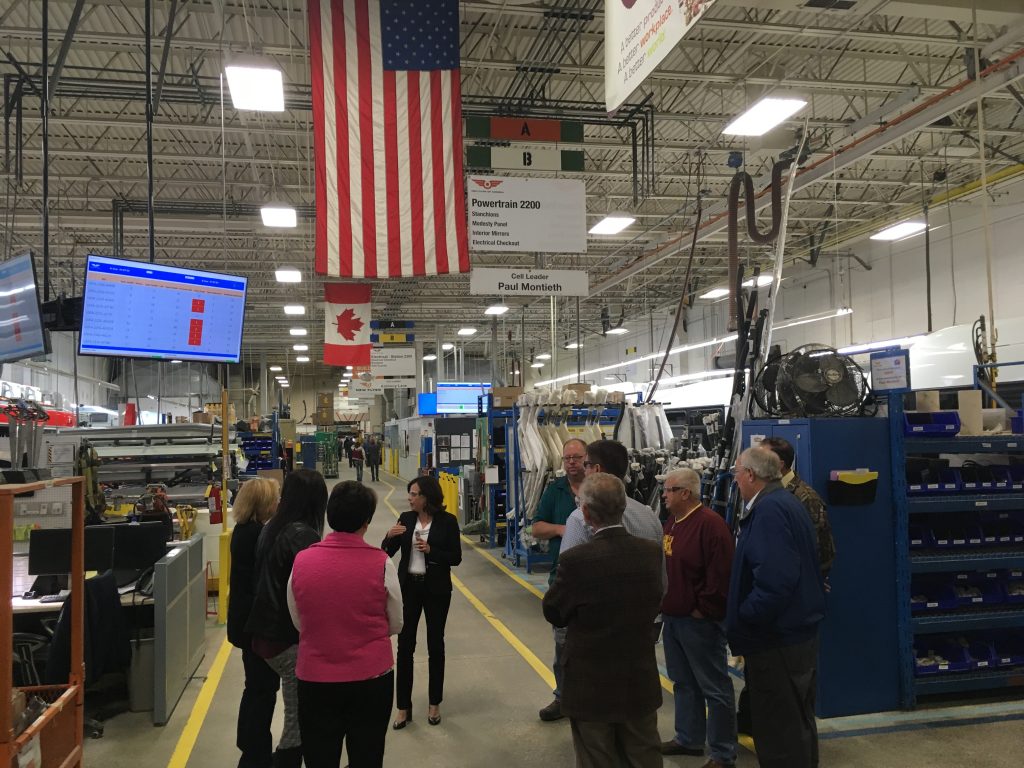
Examining the status and performance of transit in the United States
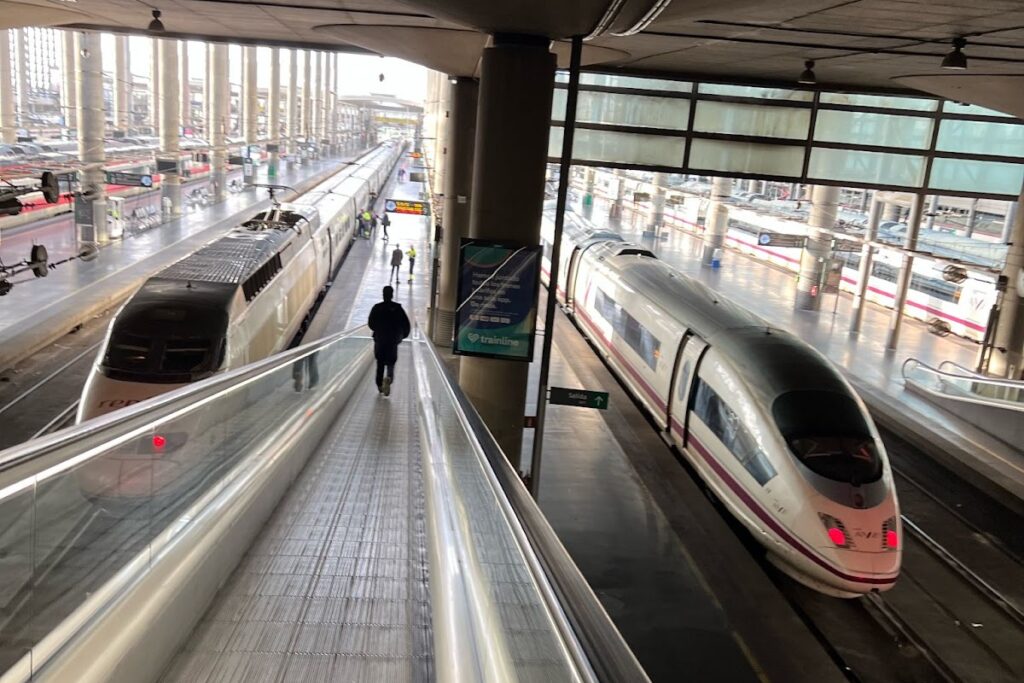
Defining what makes global competitors' transit "world-class"
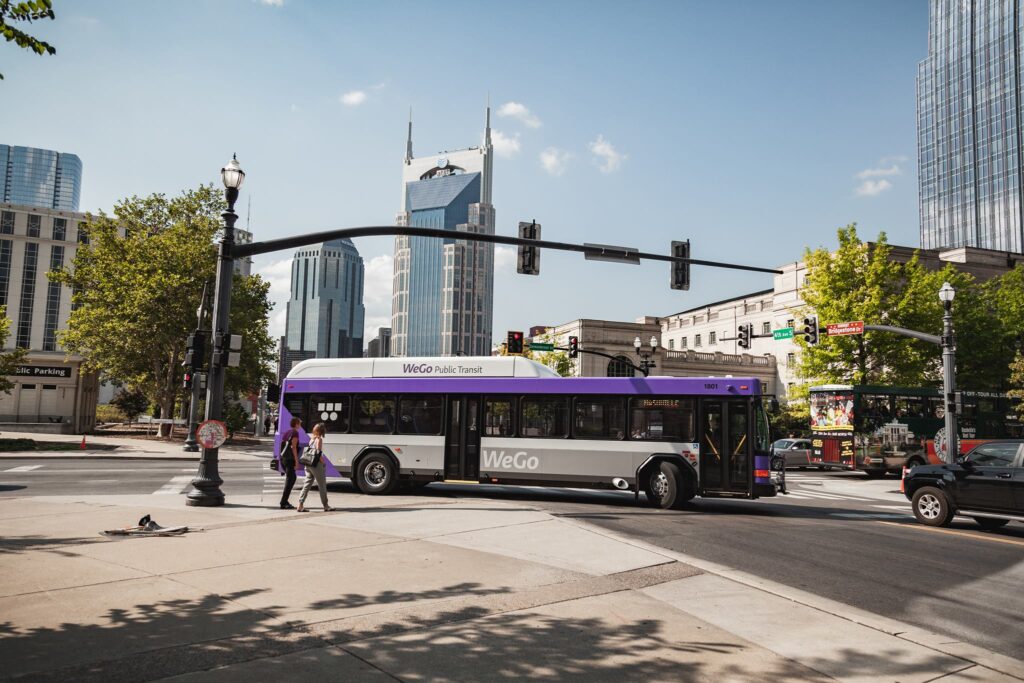
Existing spending levels and the new investments required to achieve world-class transit in your area
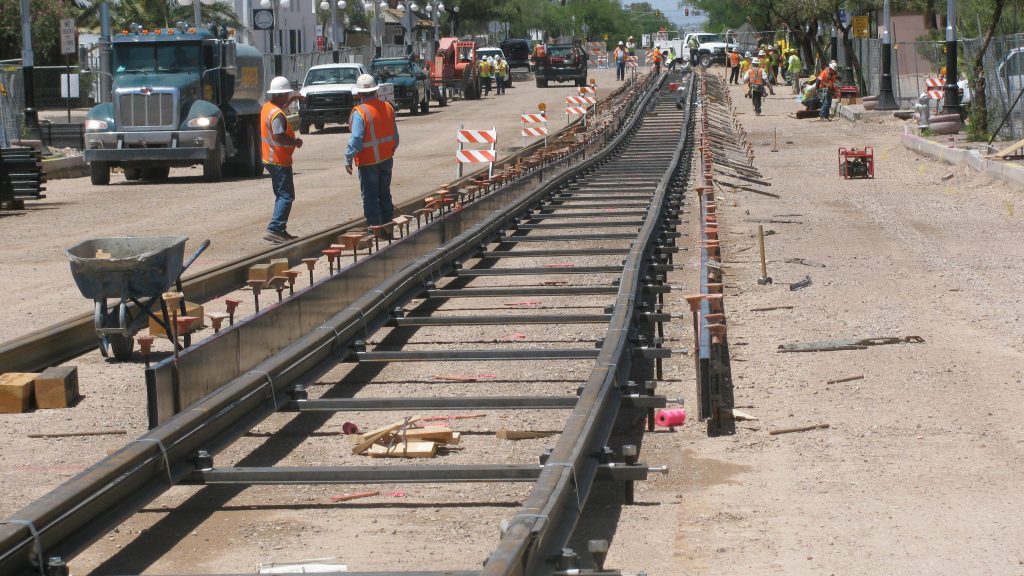
Determining the investment in vehicles, bus lanes, and tracks needed to deliver world-class transit
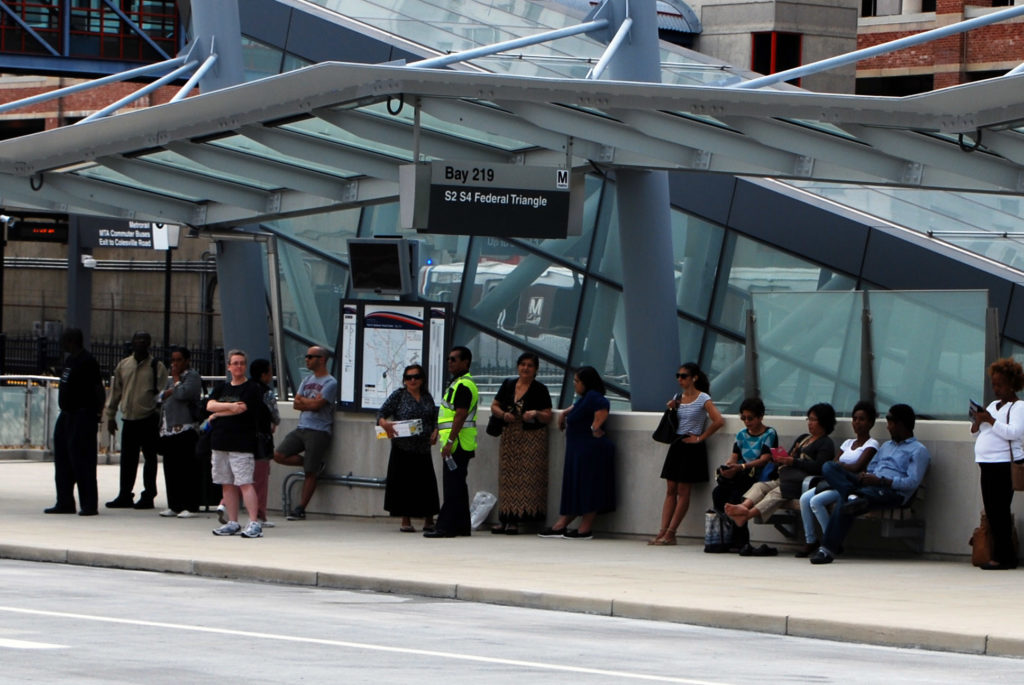
Understanding the funding required to run fast and frequent transit service at world-class standards
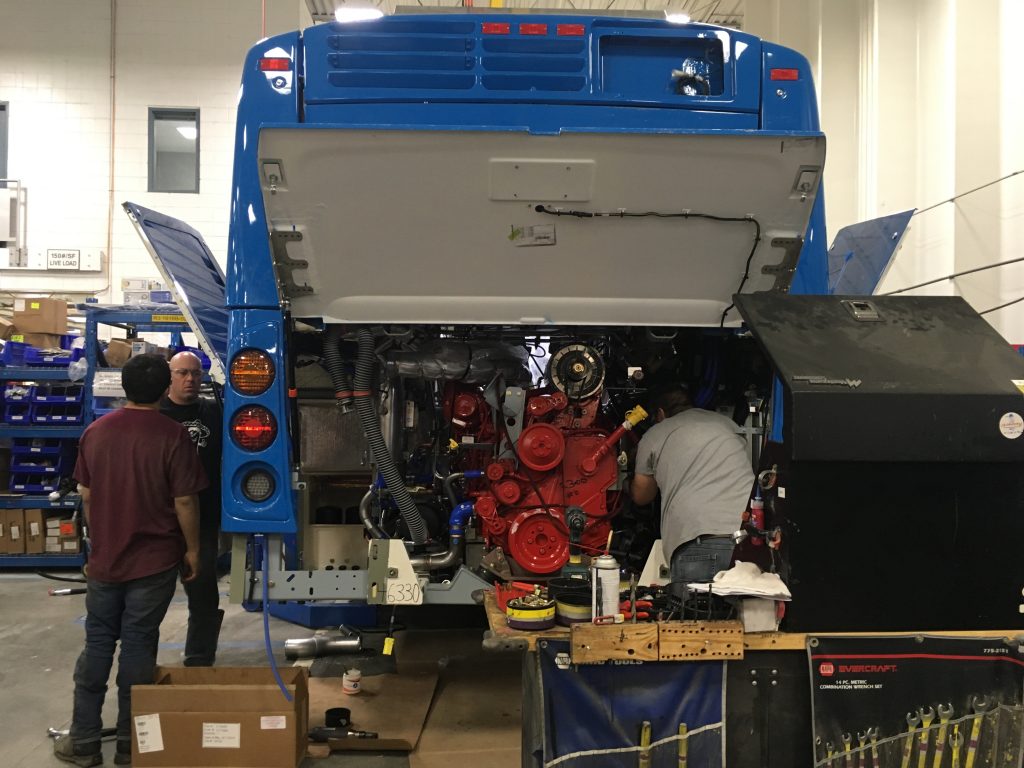
Identifying how much it would cost to maintain a world-class transit fleet and fix the repair backlog