Posts Tagged "freight"
Statement on Surface Transportation Board’s expanded capacity

A statement from Transportation for America chairman and former mayor of Meridian, MS, John Robert Smith, on the Surface Transportation Board (STB)’s recently expanded capacity:
Updated – Ten things to know about the House transportation bill
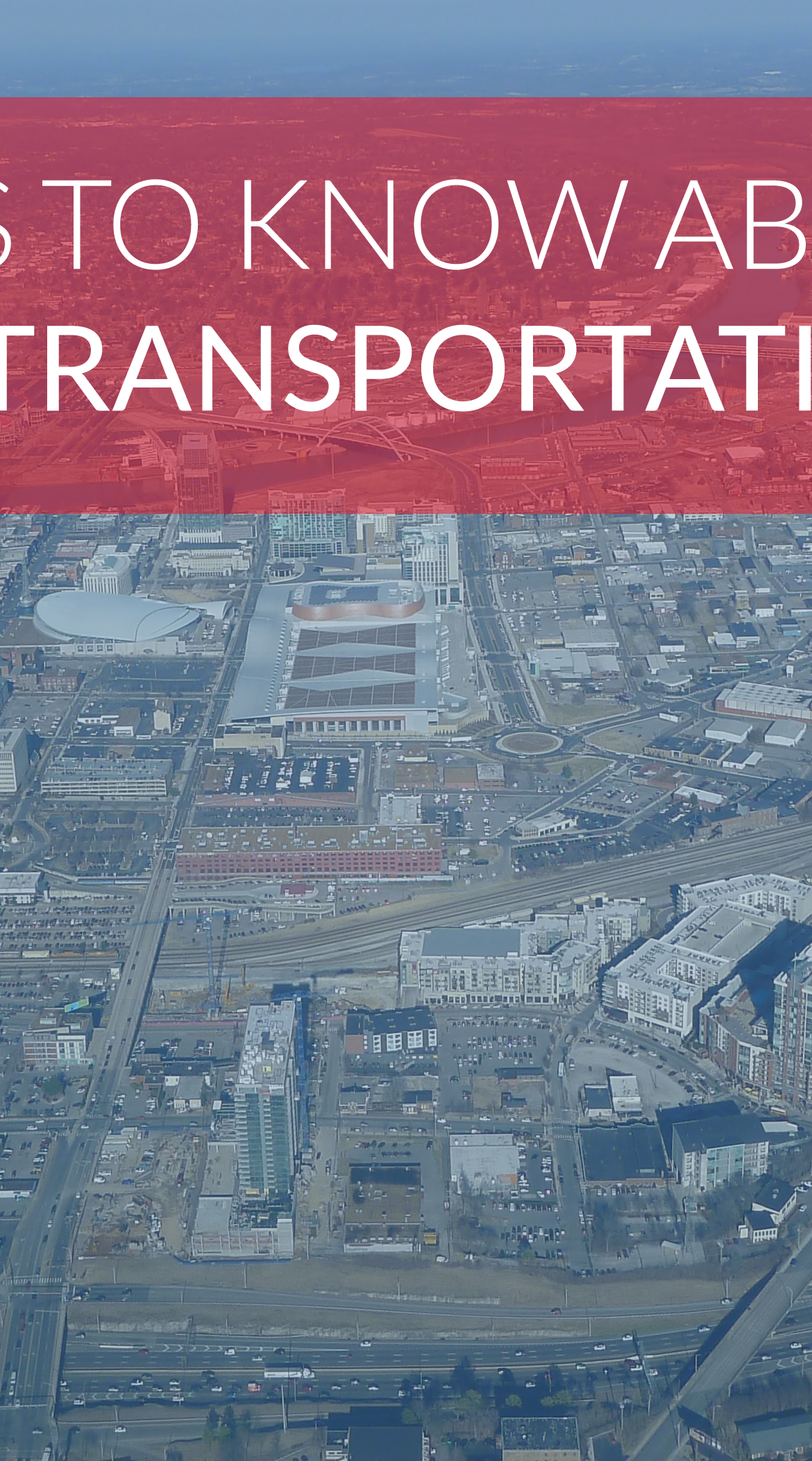
The House Transportation and Infrastructure (T&I) Committee debated and approved their multi-year transportation reauthorization proposal last week. Next step is consideration on the House floor and then, if approved, conferenced (merged through negotiations) with the Senate, which passed their multi-year DRIVE Act back in July. Here are ten things you need to know about what’s in (or not in) the House bill which is expected to be considered on the House floor early next week.
The Senate’s multi-year transportation bill misses the mark on multimodal freight
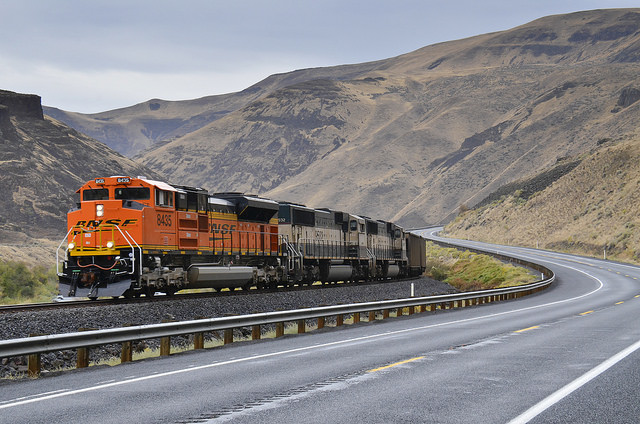
Below is an in-depth explanation of one of the 10 things you need to know about the Senate’s DRIVE Act. The Senate’s multi-year transportation bill recognizes that efficient freight movement is important, but the bill prioritizes freight moving on highways over that moving by rail, air, ports and pipelines. The DRIVE Act (HR 22) is unique from […]
10 things you need to know about the Senate’s DRIVE Act
Though the Senate finally moved beyond repeated short-term extensions to the nation’s transportation program with a multi-year bill, their DRIVE Act is also major missed opportunity to give cities, towns and local communities of all sizes more control over and access to federal transportation dollars. Here are nine other things that you need to know about the Senate’s bill.
Senate’s DRIVE Act Bypasses America’s Cities and Towns
FOR IMMEDIATE RELEASE WASHINGTON, DC — Following the Senate’s successful vote to approve the DRIVE Act, a six-year transportation reauthorization bill with three years of funding, the Honorable John Robert Smith, former mayor of Meridian, MS, and the Chairman of Transportation for America, issued the following statement: “While the Senate is to be commended for […]
Over 150 elected officials, DOTs, MPOs, chambers of commerce and others voice strong support for restoring TIGER program
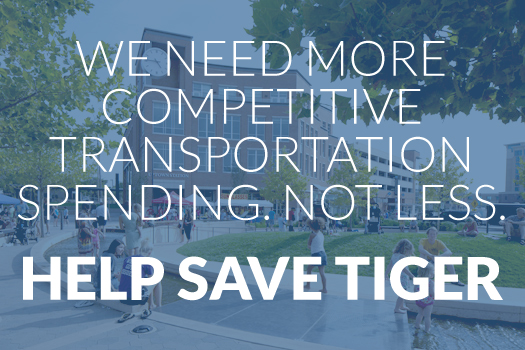
With the the Senate Commerce Committee due to mark up their portion of a long-term transportation bill that will eliminate the competitive TIGER grant program and refocus its funds on a multimodal freight program, more than 150 organizations and elected officials signed a letter urging the committee to restore and authorize the TIGER program.
West coast port closures example of the worst case scenario

The eight-month labor dispute that left fully loaded container ships anchored off the west coast for weeks caused an “epic” back-up that underscored just how critical the smooth movement of freight is to the nation’s economy.
UPS chief and other business leaders urge Congress to pass a bill that helps both commuters and freight
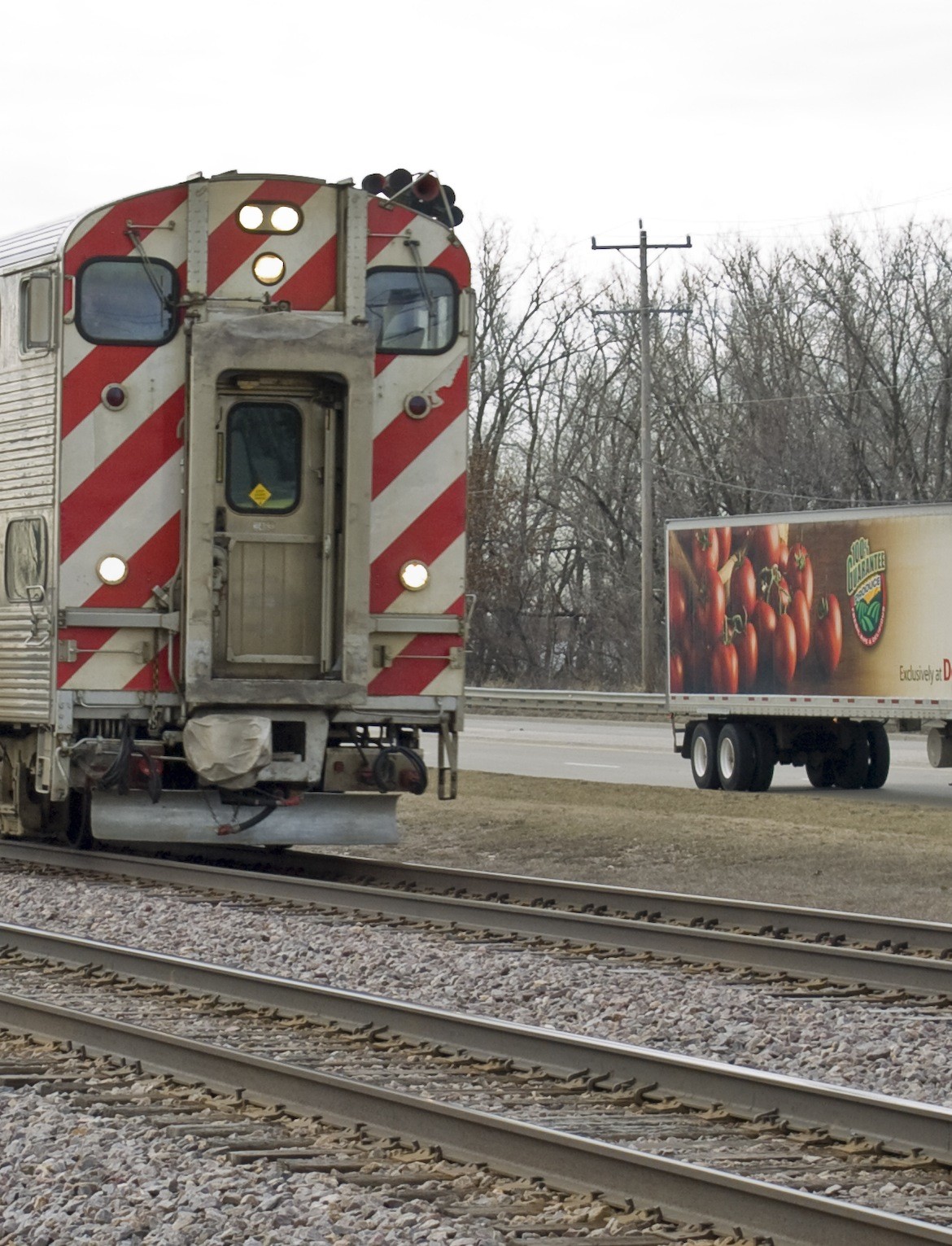
An editorial from the head of one of the world’s most important freight companies — based in the city where we hosted a policy breakfast on the same issue two weeks ago — puts a bright line under the importance of Congress updating our country’s outmoded freight policy in the next federal transportation authorization.
What does the FREIGHT Act really mean for our freight and ports?
 The new FREIGHT Act introduced by Senators Lautenberg, Murray and Cantwell would create a truly multimodal national freight program for the first time in the U.S. It recognizes that our freight system should move our goods from coast to coast while also being part of the solution for many of our most pressing problems: air quality, dangerous emissions, oil dependence, and congestion on our highways and interstates.
Speeding up, cleaning up freight movement in the U.S.
Since Chairman Oberstar introduced the Surface Transportation Authorization Act (STAA) last summer, we’ve increasingly heard that addressing freight congestion is going to be a major component of any national transportation policy. We face a choice in how the nation will step up to meet the coming demand — and how clean those solutions will be. The upcoming reauthorization of the federal transportation bill is a great opportunity to help achieve a smarter, greener freight system. The innovative freight projects highlighted in this week’s “Good Haul” report by the Environmental Defense Fund demonstrates the practical solutions that are economically smart, protect us from harmful air pollution, and provide jobs for American workers.
PBS Blueprint America looks at freight, rail, and trucks
PBS continued their excellent Blueprint America series with an episode on NOW last Friday night examining the issue of freight movement in America. Watch it below or over at the terrific Blueprint America site.
Our three principles
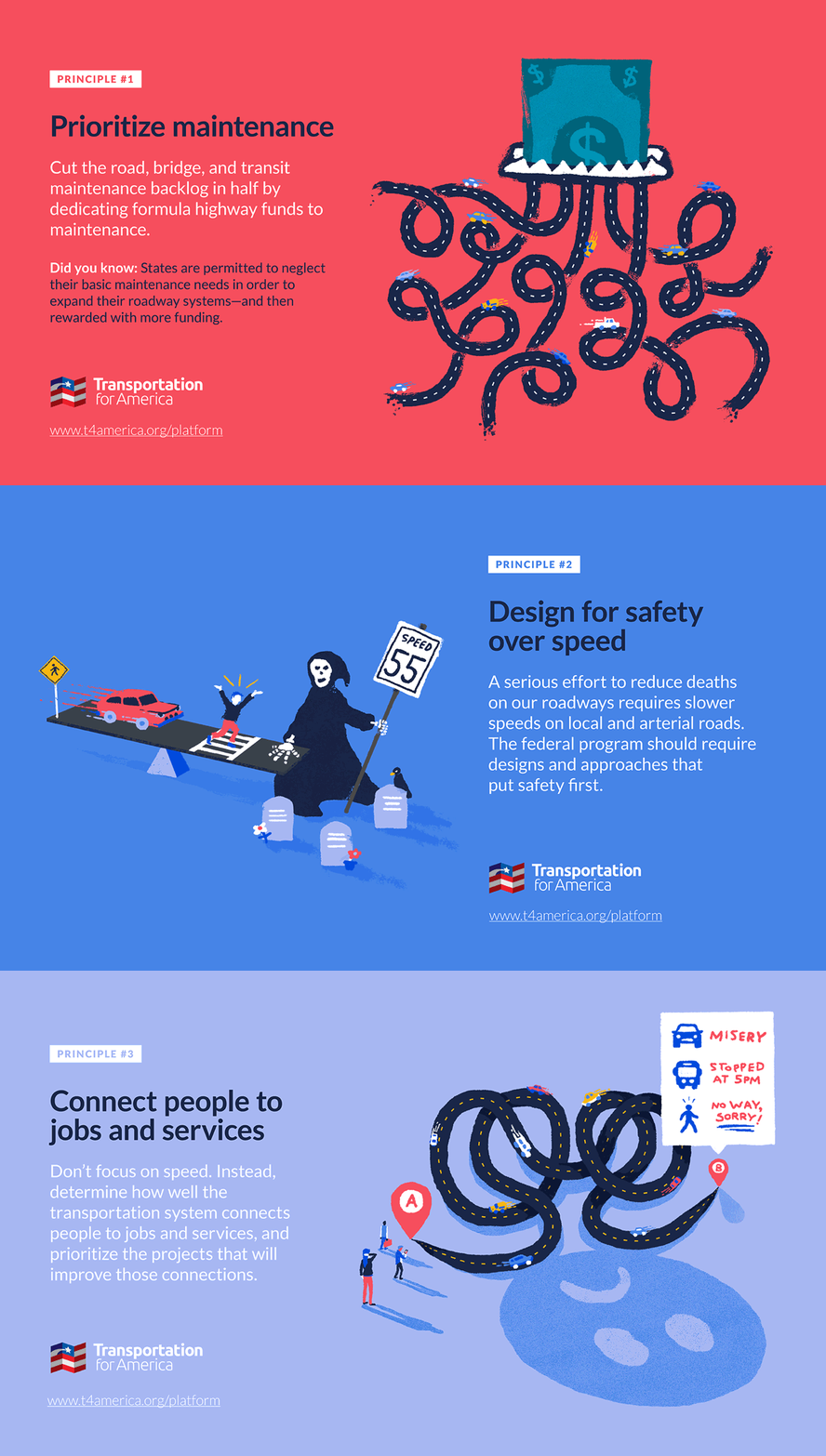
It’s past time to elevate the national conversation about infrastructure beyond just the price tag.
Learn more about our platformLatest From The Blog


Progress for passenger rail in the South and…
Apr 10th, 2024


Building back better: Reflections on the state of…
Apr 9th, 2024

FTA helps deliver more buses for less
Apr 2nd, 2024

I cannot find the zoom link, I registered…
Jan 6th, 2024

A rare look behind the curtain of Transportation…
Jul 28th, 2023

In what Harrison Ford said was his most…
Jul 25th, 2023

Good example, walking to the local taco place…
Jul 24th, 2023