Posts Tagged "u.s. pirg"
Mad Men actors go to bat for high-speed rail in new video
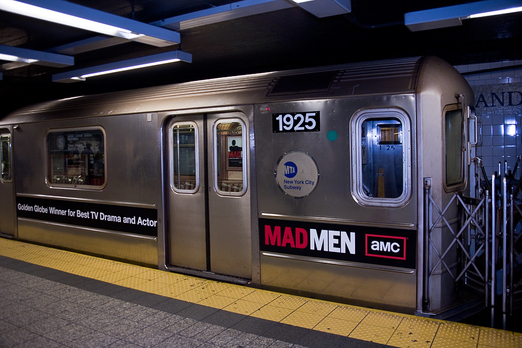 Two lead actors from Mad Men, the 1960s era advertising agency show, appear in a Funnyordie.com video endorsing high-speed rail posted earlier today. Attacks on high-speed rail in both Congress and state capitals prompted U.S. PIRG to tap actors Vincent Kartheiser and Rich Sommer for the segment, which was can be viewed below the fold.
Reports from AASHTO and U.S. PIRG highlight an unsustainable transportation status quo
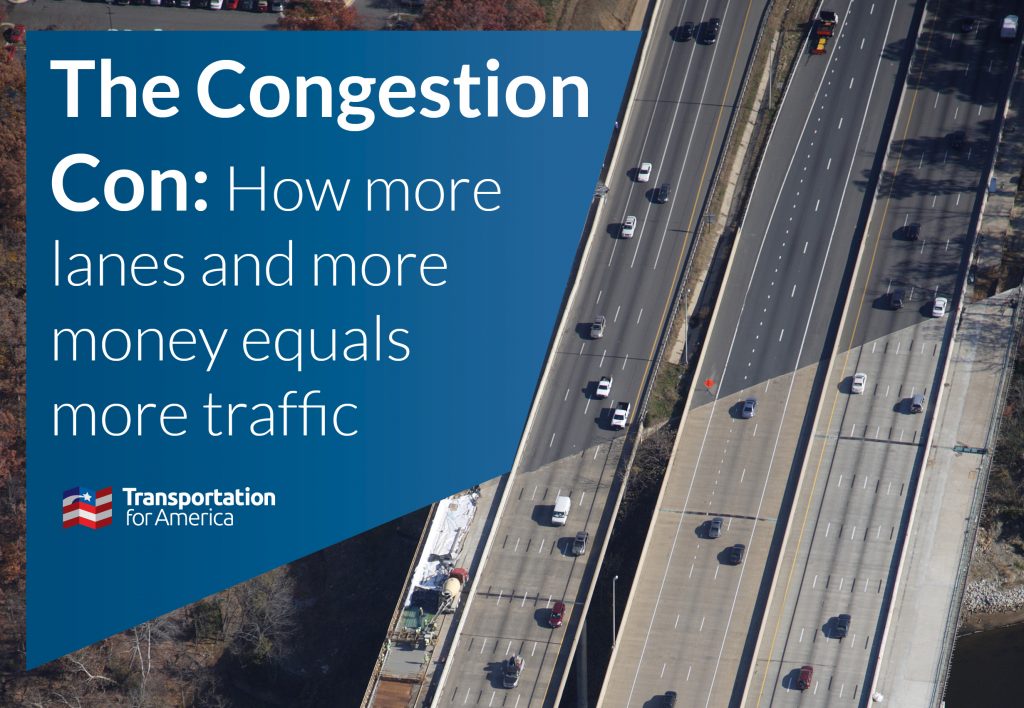
Two reports out this week speak, in quite different ways, to the urgent need for a fresh approach to federal transportation policy. In “Road Work Ahead”, U.S. PIRG sounds the alarm on the escalating deterioration of America’s infrastructure and the need to get serious about repair and restoration. The “Unlocking Gridlock” report from AASHTO emphasizes the problem of congestion in our increasingly urbanized nation, offering highway expansion as the solution.
SGA analysis reveals transportation projects create the most jobs at the lowest cost
 A new analysis of federal stimulus spending, co-authored by Smart Growth America, the Center for Neighborhood Technology and U.S. PIRG, reveals that during the first ten months of the American Recovery and Reinvestment Act (ARRA), investments in public transportation produced twice the jobs per billion dollars as did highway projects.
Tell Congress to make a historic investment in high speed rail
Congress is heading towards a decisive, historic moment on investing in high speed rail for America. But the outcome is far from certain. In the next few weeks, Congress will decide whether or not to give the Department of Transportation $1.2 billion or $4 billion on high speed rail for the next year. $8 billion was allocated for planning and implementing clean, efficient, high speed train travel in the economic stimulus earlier this year, and with another $4 billion, we’d be making a historic $12 billion investment in high speed rail.Tell Congress to keep $4 billion in the bill at www.fourbillion.com
Our three principles
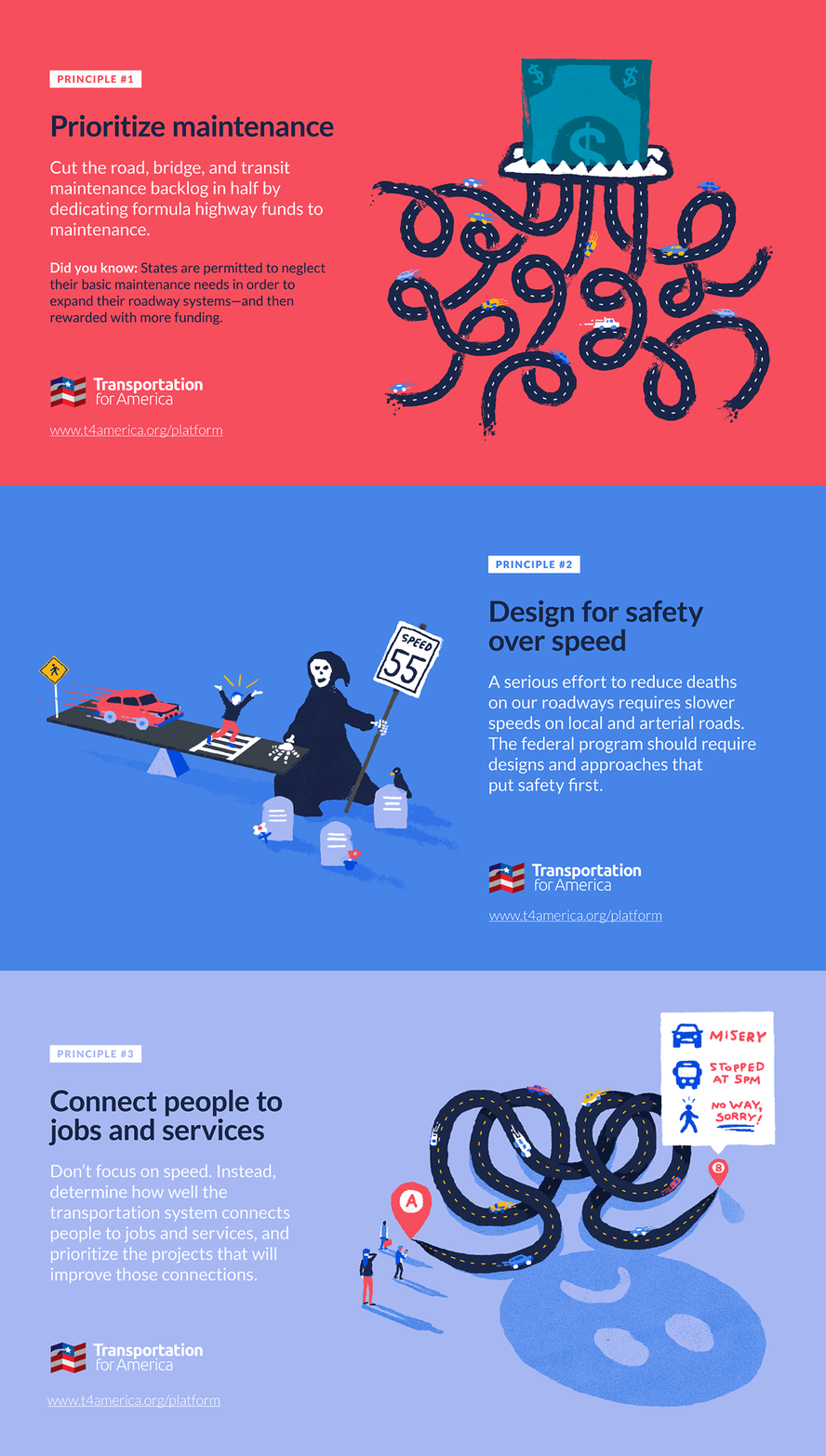
It’s past time to elevate the national conversation about infrastructure beyond just the price tag.
Learn more about our platformLatest From The Blog


Progress for passenger rail in the South and…
Apr 10th, 2024


Building back better: Reflections on the state of…
Apr 9th, 2024

FTA helps deliver more buses for less
Apr 2nd, 2024

I cannot find the zoom link, I registered…
Jan 6th, 2024

A rare look behind the curtain of Transportation…
Jul 28th, 2023

In what Harrison Ford said was his most…
Jul 25th, 2023

Good example, walking to the local taco place…
Jul 24th, 2023