Transportation For America » rural towns

Obama’s livability programs help rural America too

March 16, 2010
By Sean Barry

Is “livability” a valid proposition for big metropolitan areas alone? Some in Congress seem to think so, but we suspect that arises from a misreading of the term.

We’re talking, of course, about the Obama Administration’s initiatives for livable and sustainable communities. The President’s proposed budget allocates a modest amount of the transportation, housing and environmental protection budgets to promote planning and projects that integrate the three areas.

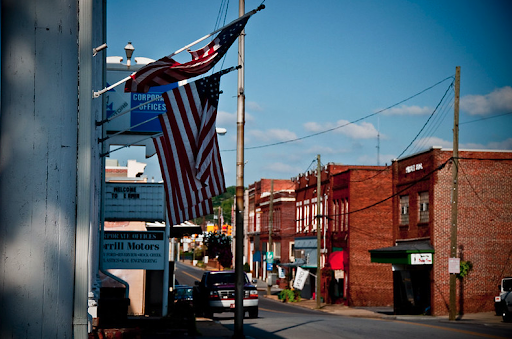
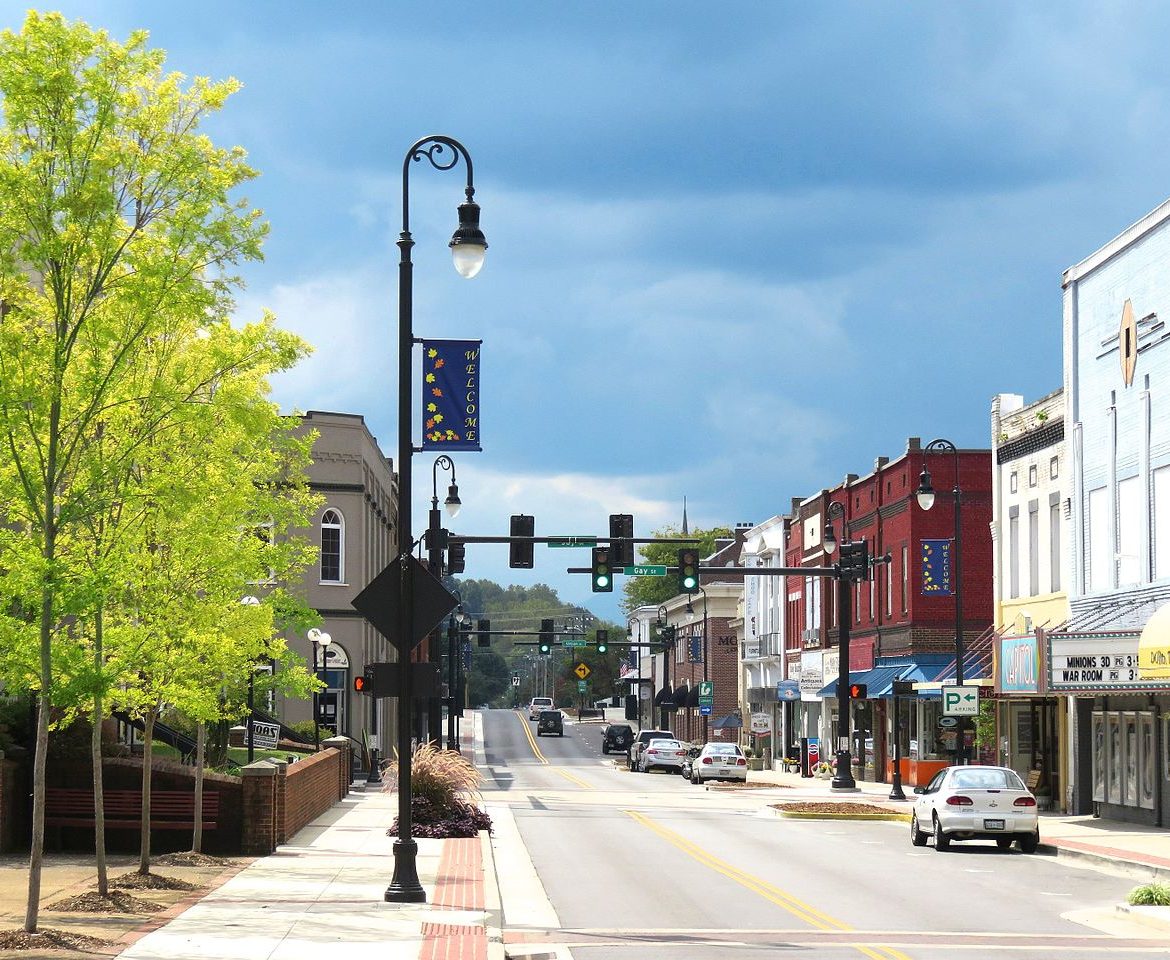
The idea is that investments in one should help promote goals in the other. So, for example, highway investments in a small town should have the effect of strengthening the existing Main Street rather than undermining it. Similarly, federally supported affordable housing investments should be linked up with affordable transportation, in areas served by public transit. You get the idea.

Recently, some members of Congress have expressed concern that this initiative applies only to urban areas. The truth is that rural towns and smaller cities have just as much – and very likely more – need for funds to help create smart plans and to fund innovative projects than metro areas.

Senator Mark Begich of Alaska said he worried that his small communities would be left out, and Representative Tom Latham of Iowa labeled livability programs as “boutique.” Senator Kit Bond of Missouri declared: “I’ve got a lot of constituents for whom livability means having a decent highway.”

It is certainly true that a decent highway could be a critical connection for a small town, but whether the highway makes the place more livable is very much determined by where that highway goes, the kind of development it promotes (or thwarts) and whether it is safe for older residents and children as it moves through town. These factors may determine whether the heart of that town lives or dies – as has been the case in countless towns across America.

If any place is in need of resources to make strong, smart plans and implement them well, it is rural America.

Deputy Transportation Secretary John Porcari said it well at a recent hearing: “it’s clear that livability really applies to rural areas as much as it does anywhere else,” adding that the standards would prioritize a revival of “the quality of life that many of us enjoy in small towns.”

No one is saying we should stop funding highways. In fact, one of the goals of livability programs and others like it is making sure we’re smart about which highways to build and which ones are in need of repair. That remains a top priority for the DOT and is reflected in the President’s budget.

We need more than one tool in the toolbox to give rural America the lift it needs. Many low-income Americans lack access to a car or have to share one with a relative. Seniors who are not longer able to drive need a means to reach groceries, health services and social events. Americans from both dense metros and wide plains struggle with long commutes and gridlocked roads that keep them away from their families.

Livability programs instruct transportation officials to look at the whole picture. Is this new road close to where people live? Does it help them get to work faster? Does it facilitate recreation and better quality of life? These are considerations that matter as much to rural Americans as anyone.

Senator Begich, Senator Bond, Representative Latham and others want what is best for their constituents. A focus on livability can help facilitate that. And one thing we do know is that the status quo no longer will.

Photo courtesy of Smart Growth America.

Bookmark and Share

Rural Senators focus on heartland transit

November 13, 2009
By Sean Barry

--AmtrakHow could a new transportation bill revitalize rural and small-town America? That was the focus of a Senate Democratic Steering Committee briefing on “Issues and Innovations for Small Towns and Rural Communities” in the Capitol Visitors Center last Friday.

Transportation for America co-chair and former Meridian, Mississippi Mayor John Robert Smith shared his perspective as chief executive of a mid-sized city in a rural area. During his tenure, Smith initiated a renovation of Meridian’s historic train station, sparking growth and economic vitality in the downtown corridor that is now the “life of Meridian.” The improvements that he championed resulted in $135 million in capital investments around the station, and property values quadrupled in an area previously devoid of residents. More importantly, a vital aspect of mobility was restored for all residents of the area. Knowing firsthand how vital Amtrak service was to Mississippians, especially many traveling on fixed budgets, he helped lead the fight to restore the train route between Atlanta and New Orleans, and has continued his advocacy for passenger rail travel ever since.

Rural and small-town residents throughout the country are seeking more transportation options and want to ensure that they’re not left behind. Briefing panelists emphasized that transportation reform, far from leaving the heartland in the dust, can actually encourage growth and improve quality of life.

For one thing, improving rural transportation helps seniors. In 2000, 23 percent of older adults in America lived in rural areas, and as they age, they risk being isolated in their homes in the absence of adequate transportation infrastructure. DSC_0064.JPGBroader accessibility is a challenge as well due to long distances some rural Americans must travel to reach employment, groceries and health services. And, intercity mobility remains limited in many parts of the country, cutting people off from friends, family and economic opportunity. During the briefing, Mayor Smith spoke not only about the economic benefits of revitalizing the area around the train station, but also about the transit service that connected low-income residents in Meridian’s HOPE VI housing development, ensuring their access to essential destinations.

Enhancing transportation safety, relieving highway congestion by shifting goods movement to freight rail, investing in public buses and paratransit services and increasing intercity and multi-modal connectivity are some potential solutions for small cities and rural regions. T4 America staff have partnered with National Association of Counties and the National Association of Development Organizations, both of which were represented at the briefing, to help promote these solutions as vital parts of the upcoming transportation bill.

Far from leaving rural America out, a much-needed overhaul to our nation’s transportation policy can in fact provide a needed lifeline and help rural areas and smaller towns succeed as vital, livable places for all.

Rochelle Carpenter of Transportation for America contributed to this report.

Bookmark and Share

56 million people in rural America looking for better transportation solutions

July 17, 2009
By Lilly Shoup

Ray LaHood on a trainA top priority in the transportation debate is addressing the mobility needs of the 56 million residents of rural areas and small towns in America – about 20 percent of the population of the United States. Rural areas and small towns often fall through the cracks of federal transportation policy, which focuses on statewide priorities for building new highways and often overlooks local needs and preferences.

Access to jobs, schools, shopping, and critical community services is just as vital for Americans living in small cities, towns and rural communities. Transportation for America has been working closely with our coalition partners on this important issue for some time. Now, it looks like Secretary of Transportation Ray LaHood is also getting on board.

Listening to folks at the La Crosse Interstate Fair in Wisconsin this week, he heard many of the same things that we already know:

  • It’s getting harder financially to depend on a truck or car for all of a family’s transportation needs.
  • Rural residents need public transportation just like city-dwellers do.
  • Access to commercial air service is increasingly difficult for rural areas.
  • Shippers of grain and other products need better freight options to get rurally produced goods to markets.

Clearly, the transportation system in rural areas and small towns faces challenges and demands that are unique from those in our metropolitan areas. Small cities and towns have higher concentrations of older Americans and families in poverty who would absolutely benefit from more affordable transportation options, beyond just driving. In addition, children in rural areas are 25 percent more likely to be overweight or obese than those in urban areas and face unique barriers to being active and maintaining a healthy weight. Non-metro areas have a larger share of people over age 65 (15 percent) than the country as a whole (12 percent) particularly across the middle of the country. (According to 2004 numbers.)

These challenges are amplified by global changes in the economic marketplace, insufficient funding to maintain substandard or unpaved roads, improve public transportation services, and upgrade or replace substandard and deteriorating bridges.

Our nation’s transportation infrastructure should provide access for all Americans, regardless of their geographic location, age, income, or disability status. While there are no easy answers here, Secretary LaHood’s comments are a good starting point for reframing the debate towards policy options that benefit all Americans, regardless of geography.

Bookmark and Share

New policy paper: Transportation in small towns and rural regions

May 28, 2009
By Stephen Lee Davis

Check out the sixth in our ongoing series of policy briefs. These policy briefs are short, four-page, concise summaries of an issue with interesting facts and some clear recommendations for improvement through the federal transportation bill. Download this Brief (pdf)

Smaller towns and rural communities face a different set of issues than urban or suburban America, and we need a transportation program that recognizes those differences, provides access for all people, and helps them succeed economically.

In our webinar two weeks ago, we talked about transportation challenges and solutions in smaller towns and rural areas, and we  encourage you to download the accompanying policy brief on Transportation, Small Towns and Rural Communities.

As the policy brief makes clear, our current transportation program leaves rural communities stranded.

Providing access to jobs and the economy is critical for these rural areas and smaller towns. Unfortunately, since many of the decisions about how to invest in transportation are made at the state and federal level, local residents often have little say over how their transportation dollars are spent.

The 56 million residents of rural areas and small towns – about 20 percent of the population of the United States – often fall through the cracks of federal transportation policy.

These towns have higher concentrations of elderly and low-income citizens, who face unique challenges in accessing their jobs, school or civic life. In addition, children in rural areas are 25 percent more likely to be overweight or obese than those in urban areas and face unique barriers to being active and maintaining a healthy weight.

Consider five short facts from this brief:

  • More than 1.6 million rural households do not have access to a car.
  • Demand for better transportation is growing — between 2002 and 2005, ridership for small urban and rural public transportation systems jumped nearly 20 percent.
  • Across America, households in the lowest 20 percent income bracket spend about 42 percent of their annual income on transportation. This burden is especially heavy during periods of high energy costs, since residents of rural areas drive about 17 percent more than than urban residents.
  • Limited transportation options are causing traffic congestion in small towns and rural areas to increase by 11 percent per year, twice the rate of large, urban areas.
  • There are more than 450,000 rural bridges, and almost half of the bridges more than 20 feet long are structurally deficient. 58 percent of highway fatalities occur on rural roads, a rate twice that of urban roads.

Rural transportation connects people to jobs, health care, and family and contributes to regional economic growth by linking businesses to customers, goods to markets, and tourists to destinations. Research has shown that rural and small metropolitan transit services offer measurable economic benefits. In one study, rural counties with transit service were found to have 11 percent greater average net earnings growth over counties without transit, and the estimated annual impact of rural public transportation on the national economy was over $1.2 billion.

Bottom line? Our nation’s transportation infrastructure should provide access for all Americans, regardless of their geographic location, age, income, or disability status. We need to care for our existing transportation network, while ensuring that we build a 21st century system that will allow residents of rural communities, small cities, and small towns to thrive.

Check out the webinars page to listen to or watch a recording of our recent session on this topic.

Bookmark and Share

Next Webinar May 14: Transportation in Small Cities, Towns, and Rural Regions

May 4, 2009
By Stephen Lee Davis

Our current transportation system isolates people in small cities, towns, and rural regions by providing few mobility options, limiting their ability to be economically competitive or access jobs, goods, and essential services. For these reasons, Transportation for America believes strongly that there should be a renewed commitment to rural areas in the next federal transportation bill.

Register now!

Please join Transportation for America’s next interactive webinar on May 14 at 2 p.m. EDT to learn how federal leadership can reform transportation systems to benefit those in small cities, towns, and rural regions, and transform these smaller communities into centers of economic vitality, improved health, and livable places.

A companion policy brief on transportation in small cities, towns, and rural regions will also be released on this date,  available online following the webinar with our other policy briefs.

Our discussion will be led by a panel of experts on rural transportation and related issues:

  • Matthew Chase, Executive Director of the National Association of Development Organizations,
  • Dale Marsico, Executive Director of the Community Transportation Association of America,
  • Dee Davis, President of the Center for Rural Strategies and Chair of the National Rural Assembly, and
  • Janice Brown, Executive Director of the Yellowstone Business Partnership.

Lisa Ballard, President of Current Transportation Solutions, will serve as the moderator, and will provide an overview of how T4 America’s transportation policy recommendations will boost local economies and achieve better quality of life outcomes in non-metropolitan areas.

Registration is free and open to the public. Register today and be sure to sign up for our other webinars being held over the coming months at t4america.org/webinars

Bookmark and Share

$4 gas helping revitalize small towns

July 15, 2008
By Andrew Bielak

Turned off by the cost of long drives to big box stores or shopping centers, residents in small towns are helping businesses in their local communities by staying closer to home. (Associated Press)

Bookmark and Share

About Us | Our Partners | Contact Us | For The Media | Become a Partner

Transportation for America
1707 L Street NW Ste. 250
Washington, DC 20036
202-955-5543

Creative Commons License
This site is licensed under a
Creative Commons License
.