Posts Tagged "rail"
Final grant clears the way to restore Gulf Coast passenger rail service

Last week’s announcement of a $178 million federal grant to make track and infrastructure improvements along the Gulf Coast rail corridor represents the last major funding hurdle to restoring passenger rail service from New Orleans to Mobile, AL.
Off the rails: A call for freight railroad reform

Between all seven Class I freight railroad companies, the U.S. saw over 1,000 derailments in 2022. Norfolk Southern (the company responsible for the derailment in East Palestine) had 119 by itself. Other railways had even more, like BNSF which derailed 279 times in 2022. Derailments are harmful to the supply chain at best and record-setting environmental disasters at worst. The systemic problems within the freight industry that have led to derailments also have the side-effect of delaying passenger rail service.
Bad faith arguments continue: Another look at the #SoNotBusy Gulf Coast Corridor

Over a month ago, we explained why freight railroads CSX and Norfolk Southern (NS) were trying to halt the return of passenger rail service on the Gulf Coast—an effort that could hinder passenger rail service across the country. Well, CSX is still at it, and their easily-disputed claims are proof that freight railroads have had free rein to stand in the path of passenger rail for far too long.
Lemonade from lemons: Improvements worth celebrating within flawed infrastructure bill
Money from the finalized $1.2 trillion infrastructure deal is already flowing out to states and metro areas who are plugging it right into projects both already underway and on the horizon. After covering six things the administration should do immediately to maximize this mammoth infusion of unexpected cash, here’s a longer look at some of the law’s incremental or notable successes, with the aim of equipping the administration and advocates alike to steer this money toward the best possible outcomes.
From policy to action: Six things USDOT should do yesterday to maximize the potential of the infrastructure deal
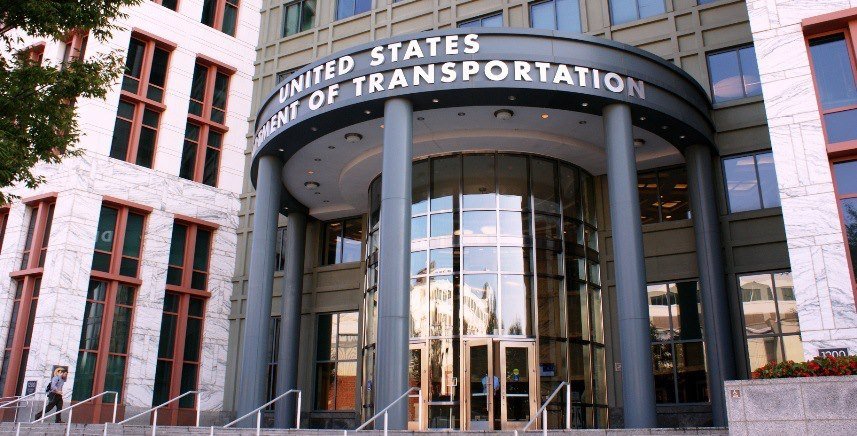
Because of the shortcomings in the Infrastructure Investment and Jobs Act (IIJA)’s actual policy, an enormous amount of pressure now rests on USDOT and Secretary Buttigieg to deliver on the administration’s promises. But the good news is that there are scores of actions that USDOT can take to deliver positive outcomes for equity, climate, safety, state of repair, and enhancing community connections.
Want to save the climate? Start by funding transit operations
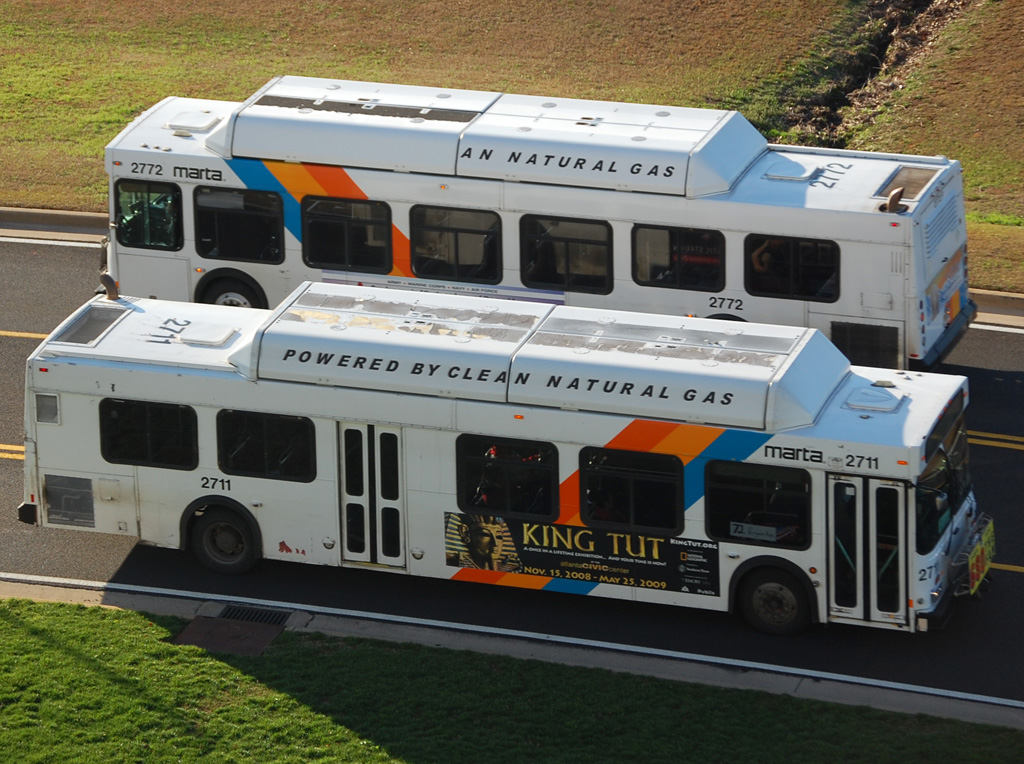
The current trend of more driving will make it harder for us to reach our emissions goals. Making public transit a more convenient and reliable option so people can access the things they need while taking shorter or fewer car trips is one way to reverse the trend of more driving.
Statement on Surface Transportation Board’s expanded capacity

A statement from Transportation for America chairman and former mayor of Meridian, MS, John Robert Smith, on the Surface Transportation Board (STB)’s recently expanded capacity:
House builds on the FAST Act’s change to provide better and more balanced passenger rail service
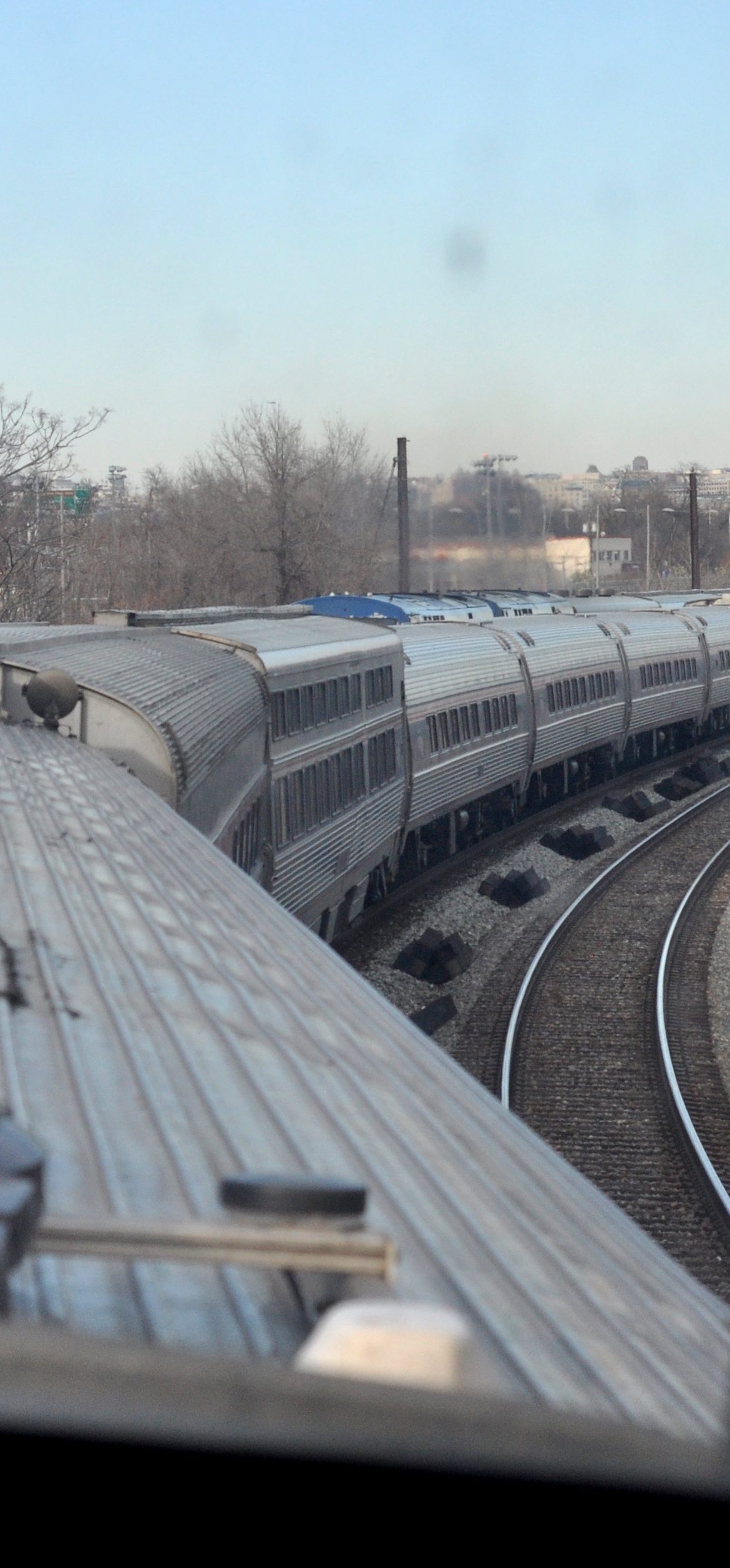
Expanding and improving our nation’s passenger rail network to bring better, more reliable passenger rail service to more people is one of the best ways to improve access for millions of Americans in big urban areas and small rural ones alike. The House transportation bill takes some important steps to balance passenger rail with the rest of our transportation investments. Here are the details.
Urge your representative to support public transit funding in next federal budget
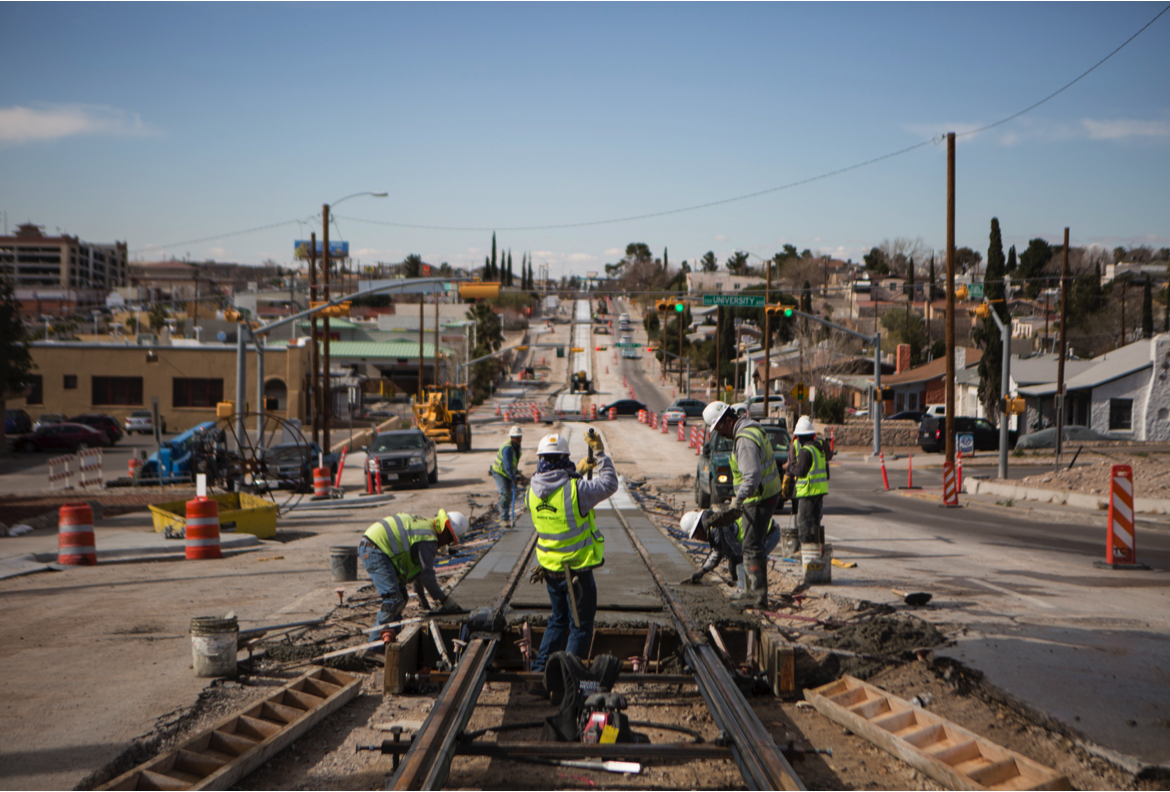
After two straight years of the Trump administration pushing to eliminate all funding for building or improving public transportation systems, Congress is right now deciding how much funding to provide for transit in the FY19 budget. To make sure Congress knows they need to continue funding public transportation, T4America is circulating a sign-on letter for organizations and elected officials.
The economic development potential of passenger rail for downtowns
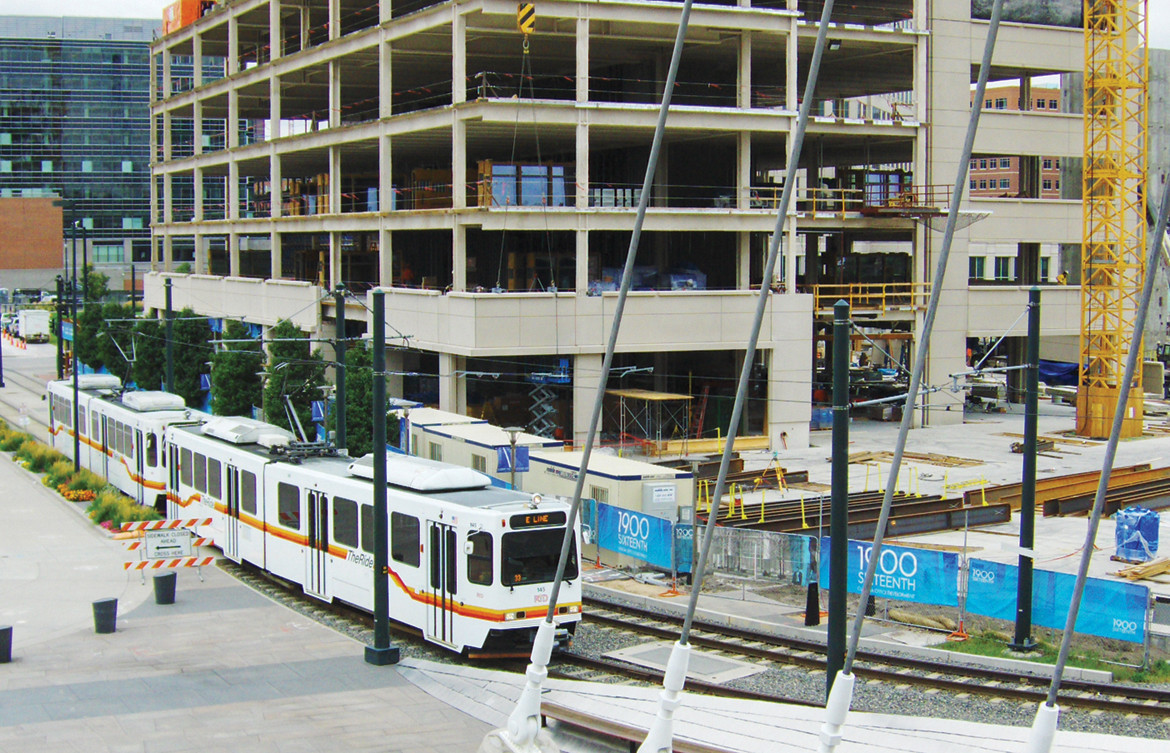
In a Next City piece, T4America board chair John Robert Smith discussed strong public investment in downtowns in smaller cities — especially those with passenger rail connections — as a smart way to signal to the market that the public sector is committed to downtown.
Yankee efficiency paired with southern hospitality is one recipe for successful passenger rail
Our country’s burgeoning passenger rail renaissance has not gone unnoticed in the deep South, and at least one coalition of southern leaders are working hard to grow and expand service in three states in the deep South. This week I had the privilege of traveling on the rails through the northeast with these gentlemen on a trip to inspire and see firsthand how other cities have invested in passenger rail and used it as an economic catalyst for their communities.
Florida’s high-speed rail loss is the Northeast’s gain
Secretary Ray LaHood is in a good mood this morning. The U.S. Department of Transportation has announced the recipients of $2 billion in high-speed rail funds, a total of 22 “carefully selected projects that will create jobs, boost manufacturing and spur development while laying the foundation for future economic competitiveness,” LaHood wrote on his blog. […]
New York Times: High-speed rail deserves continued support
Originally uploaded by pgengler to Flickr. The New York Times resolutely defended high-speed rail in an editorial this morning, characterizing the elimination of remaining funds for the program this fiscal year as “harebrained.” The budget deal reached by the White House and Congress zeroed-out the $1 billion allocated for high-speed rail in fiscal year 2011 […]
Government audit confirms that TIGER, rail grants followed merit-based process, despite GOP complaints
Although a Government Accountability Office (GAO) found that the Obama administration set and followed a merit based decision-making process for awarding high-speed rail and TIGER grants, several Republican lawmakers claimed the report revealed a lack of transparency and accountability for where the money went. “Although we can develop cost-effective high-speed rail transportation in this country, […]
Mad Men actors go to bat for high-speed rail in new video
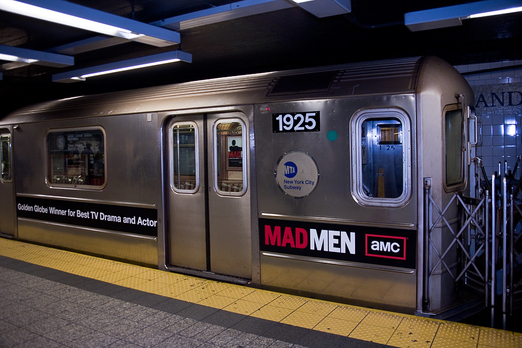 Two lead actors from Mad Men, the 1960s era advertising agency show, appear in a Funnyordie.com video endorsing high-speed rail posted earlier today. Attacks on high-speed rail in both Congress and state capitals prompted U.S. PIRG to tap actors Vincent Kartheiser and Rich Sommer for the segment, which was can be viewed below the fold.
Transit advocates in Oregon and Montana take to the op-ed pages
A pair of op-ed pieces published in the past week illustrate a clamoring for action on a transportation bill that invests in the future and expands travel options for all Americans – and a resistance to the deep cuts some are championing in Washington. The head of a development firm specializing in green building and […]
Vice President Biden makes the case for rail, cites T4 America co-chair’s hometown as an example
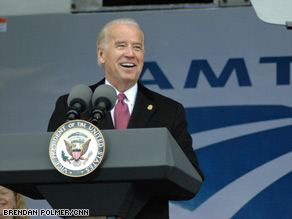 Vice President Joe Biden made an emphatic case for high-speed rail in Philadelphia today as the Obama administration kicks off series of events to highlight the need for infrastructure investment. The Vice President singled out Meridian, Mississippi mayor and T4 America campaign co-chair John Robert Smith, who served his hometown for four terms.
California needs smart station planning to maximize high-speed rail’s benefits
 High-speed rail investment has the potential to yield great economic and environmental rewards for California, but only if communities make smart decisions about land-use and growth at and around new stations. A new report prepared by the San Francisco Planning and Urban Research Association offers prescriptions for how communities can prepare for rail investments.
Speeding up, cleaning up freight movement in the U.S.
Since Chairman Oberstar introduced the Surface Transportation Authorization Act (STAA) last summer, we’ve increasingly heard that addressing freight congestion is going to be a major component of any national transportation policy. We face a choice in how the nation will step up to meet the coming demand — and how clean those solutions will be. The upcoming reauthorization of the federal transportation bill is a great opportunity to help achieve a smarter, greener freight system. The innovative freight projects highlighted in this week’s “Good Haul” report by the Environmental Defense Fund demonstrates the practical solutions that are economically smart, protect us from harmful air pollution, and provide jobs for American workers.
Debate panelists split over buses, broader impact of transit investments
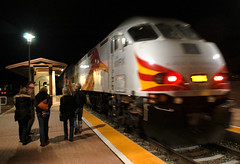 Monday’s online debate on conservatives and public transportation was billed as a back-and-forth on why the ideological right should embrace public transportation. While differences persisted between our conservative and libertarian panelists about the impact of transit investments, another schism developed over how big a role buses should play.
Our three principles
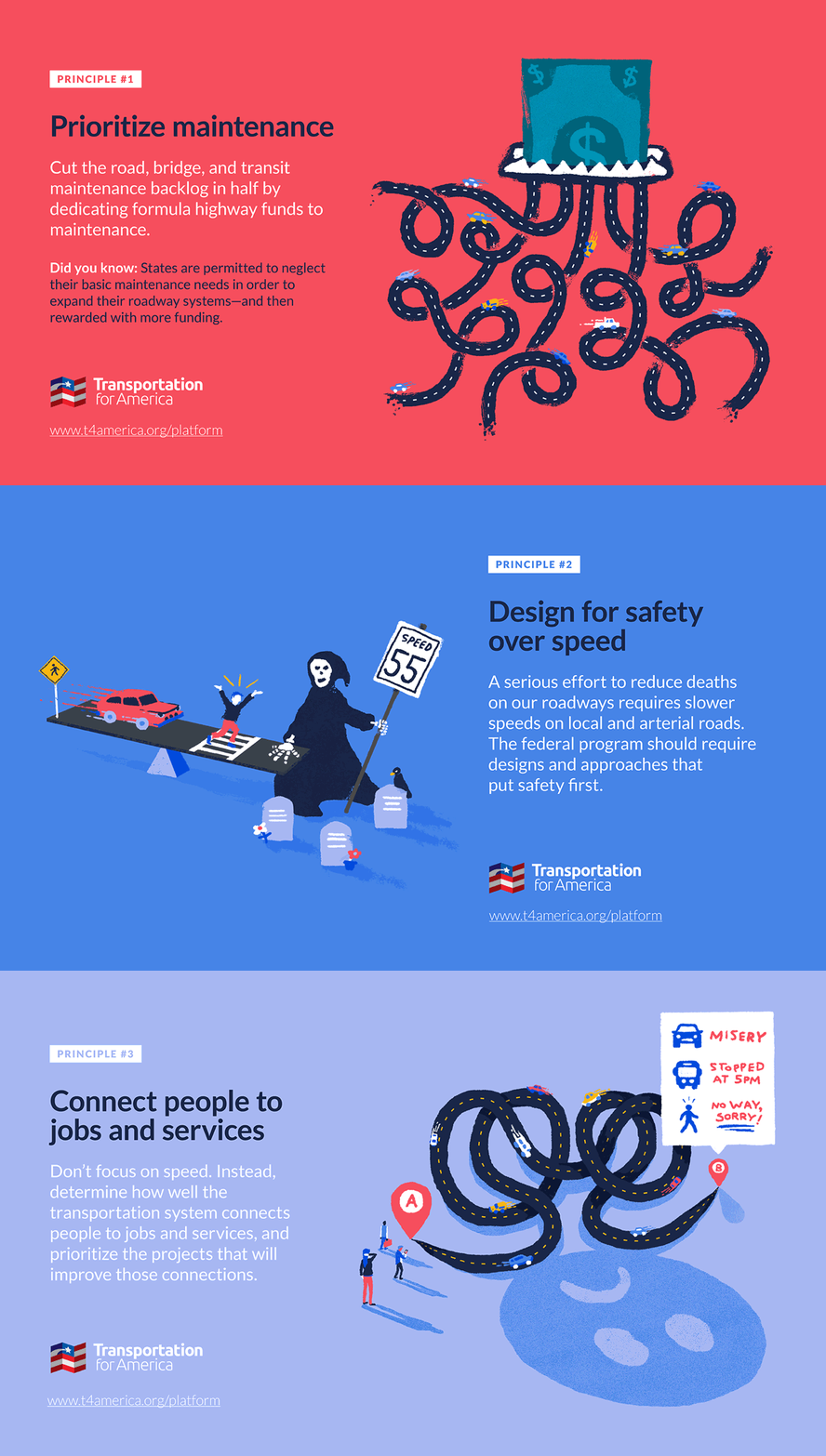
It’s past time to elevate the national conversation about infrastructure beyond just the price tag.
Learn more about our platformLatest From The Blog


Progress for passenger rail in the South and…
Apr 10th, 2024


Building back better: Reflections on the state of…
Apr 9th, 2024

FTA helps deliver more buses for less
Apr 2nd, 2024

I cannot find the zoom link, I registered…
Jan 6th, 2024

A rare look behind the curtain of Transportation…
Jul 28th, 2023

In what Harrison Ford said was his most…
Jul 25th, 2023

Good example, walking to the local taco place…
Jul 24th, 2023