Posts Tagged "planning"
Measuring what we value: Prioritizing public health to build prosperous regions
A new package of case studies released today by T4America, in partnership with the American Public Health Association, showcases a range of strategies that metro area planning agencies can use to strengthen the local economy, improve public health outcomes for all of their residents, promote social equity and better protect the environment.
How can MPOs and citizens better engage with each other?
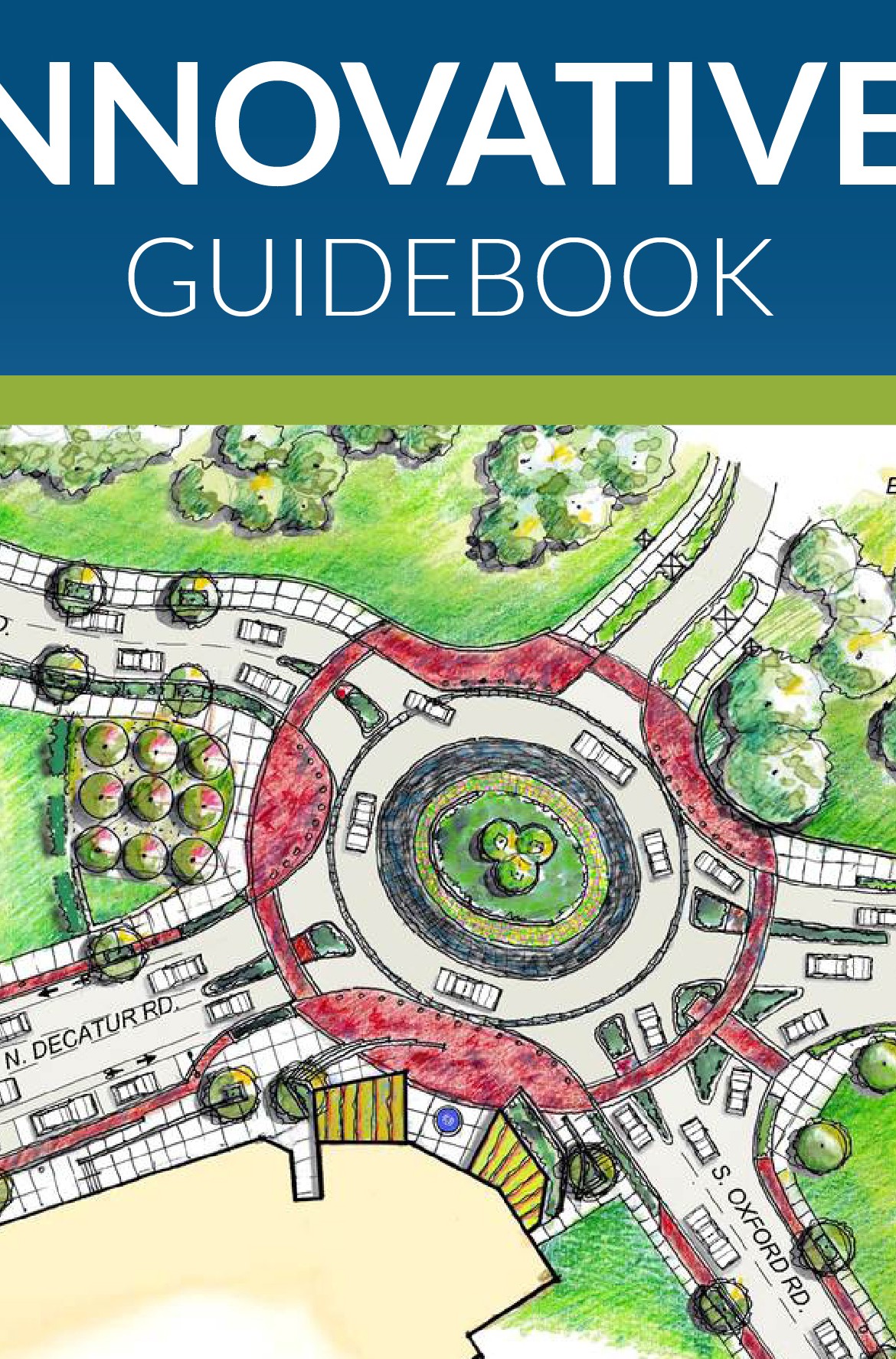
Building on the range of new ideas for metropolitan planning organizations outlined in our Innovative MPO Guidebook, join us on September 30, 2015, at 3 p.m. EDT for the fourth webinar in our series as we address a common complaint from both metropolitan planning organization (MPO) staff and citizen activists: how to best engage one another to shape the regional planning process.
Pilot program to support smart planning around new transit lines will benefit 21 different cities

How can communities make the best use of land around transit lines and stops, efficiently locate jobs and housing near new transit stations, and boost ridership (increasing the amount of money gained back at the farebox along the way)? 21 communities today received a total of $19.5 million in federal grants from a new pilot program intended to do exactly that.
California needs smart station planning to maximize high-speed rail’s benefits
 High-speed rail investment has the potential to yield great economic and environmental rewards for California, but only if communities make smart decisions about land-use and growth at and around new stations. A new report prepared by the San Francisco Planning and Urban Research Association offers prescriptions for how communities can prepare for rail investments.
Planning for the future: Washington’s new Woodrow Wilson Bridge
Here in Washington, DC last weekend, the 12-foot-wide bicycle and pedestrian lane of the Woodrow Wilson interstate bridge over the Potomac River held its grand opening, filling with bikers and walkers joining the thousands of cars that cross the bridge each day. The bridge, connecting Virginia and Maryland on the southern part of the Capital Beltway, is a vital transportation link in the region, where Interstate 95 (and the large majority of truck traffic) bypasses Washington, continuing north or south along the eastern seaboard. But making the Wilson Bridge an intermodal success was not easy.
Our three principles
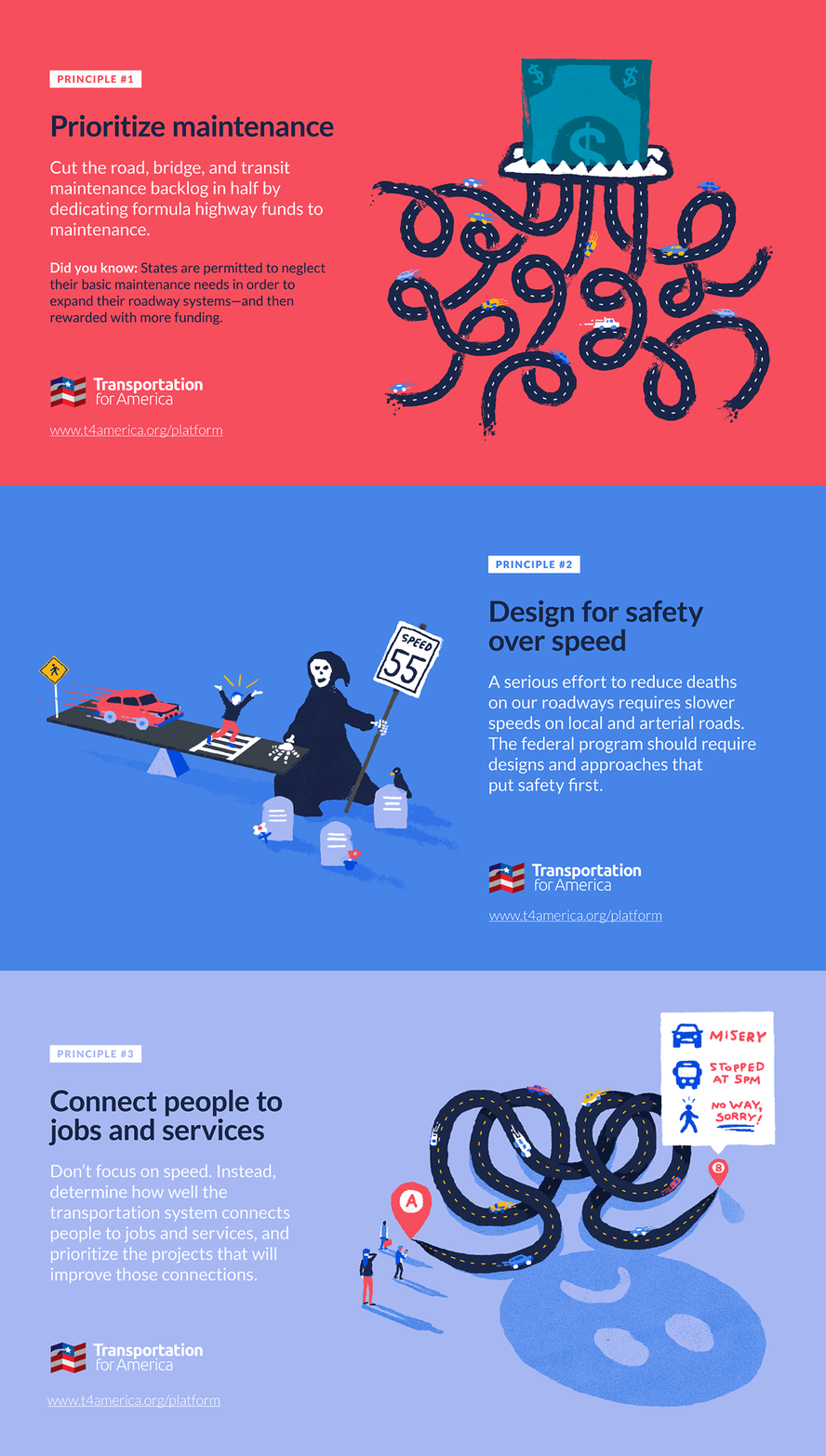
It’s past time to elevate the national conversation about infrastructure beyond just the price tag.
Learn more about our platformLatest From The Blog


There’s a climate cost to America’s freeways, and…
Apr 23rd, 2024


Progress for passenger rail in the South and…
Apr 10th, 2024

I cannot find the zoom link, I registered…
Jan 6th, 2024

A rare look behind the curtain of Transportation…
Jul 28th, 2023

In what Harrison Ford said was his most…
Jul 25th, 2023

Good example, walking to the local taco place…
Jul 24th, 2023