Posts Tagged "new starts"
Federal transit funding delays grab headlines across the country

Since we launched Stuck in the Station this summer—which catalogues the egregious (and wholly avoidable) delays in transit funding under this administration—dozens of media outlets across the country have covered the news.
USDOT has become the biggest obstacle in the way of delivering transit projects on time and on budget
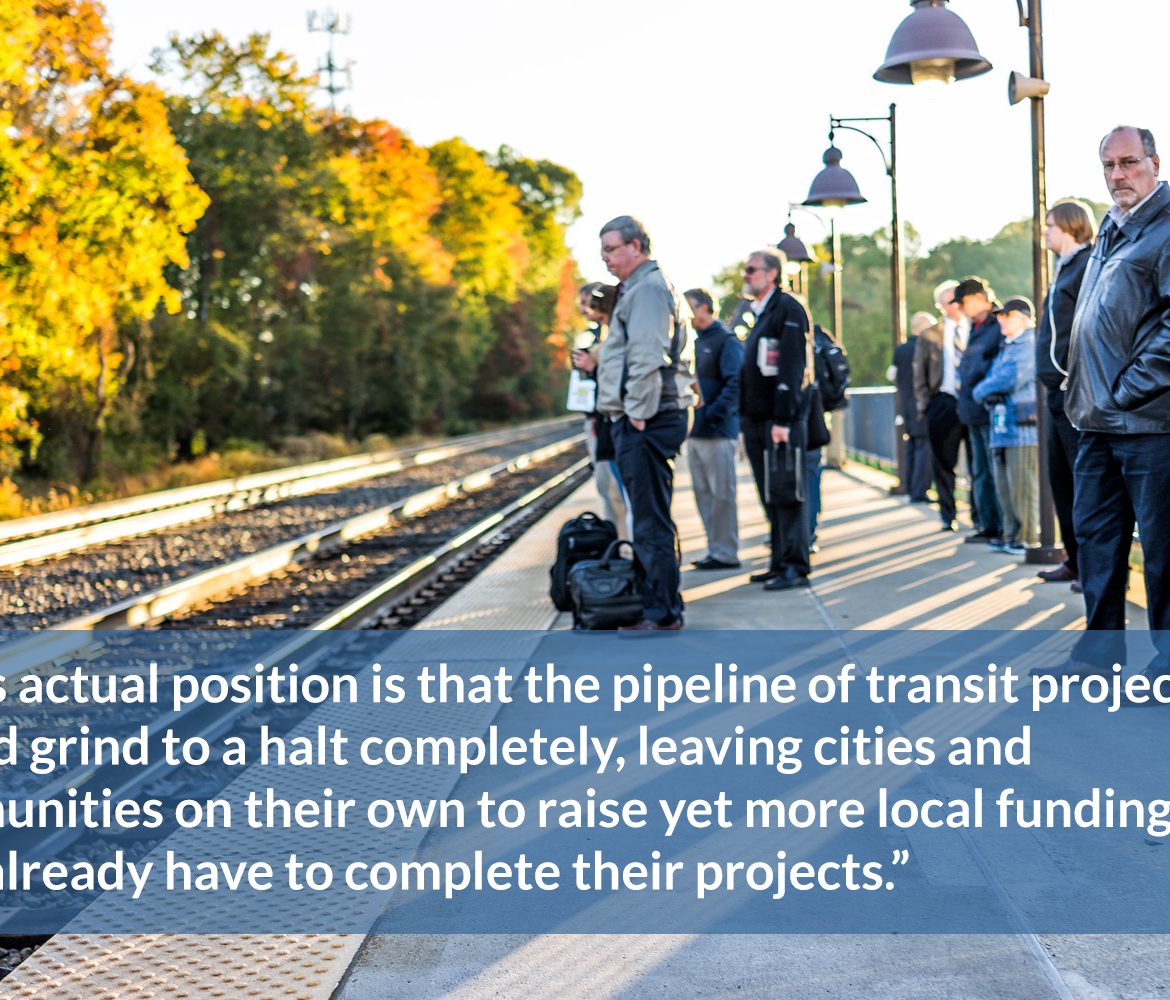
Our updated Stuck in the Station resource shows how USDOT was already slow-rolling transit funding well before Congress gave them another $1.4 billion 157+ days ago to build or expand transit systems across the country.
Gov. Accountability Office: The FTA “runs the risk of violating federal law”
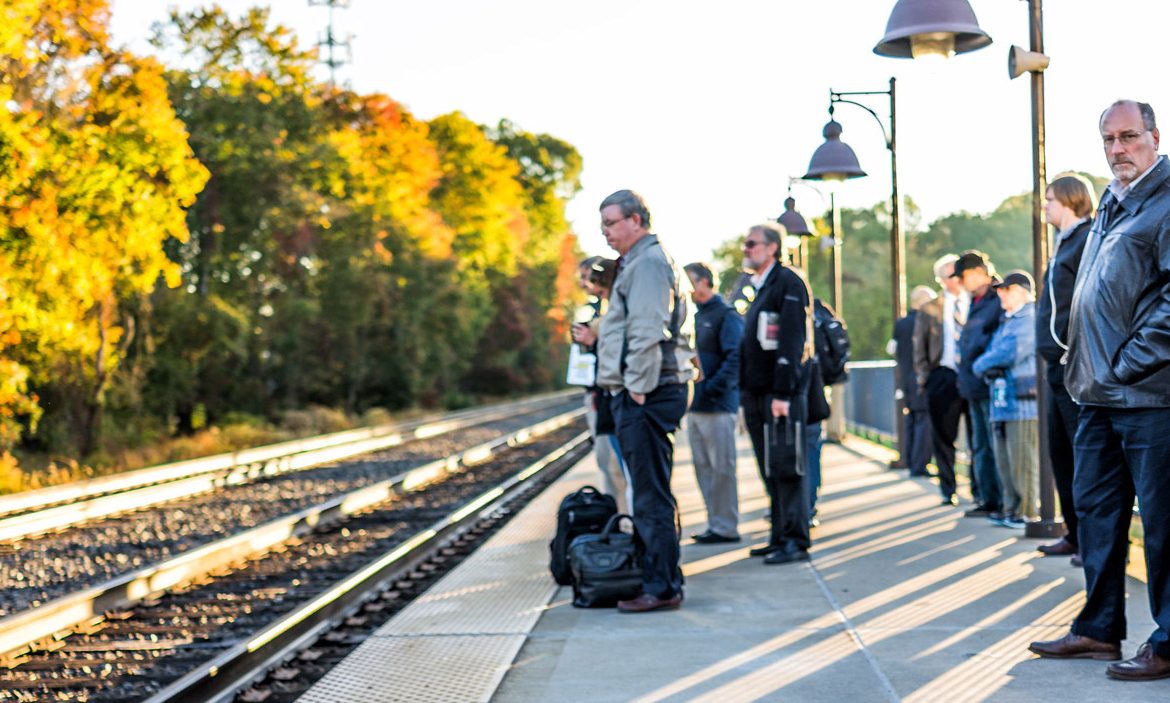
With the release last week of Stuck in the Station, we detailed how the Federal Transit Administration (FTA) has been delaying the distribution of $1.4 billion to help build and expand transit systems across the country. 153 days (and counting) after Congress handed billions to USDOT and the FTA, they finally spoke up last week.
Urge your representative to support public transit funding in next federal budget
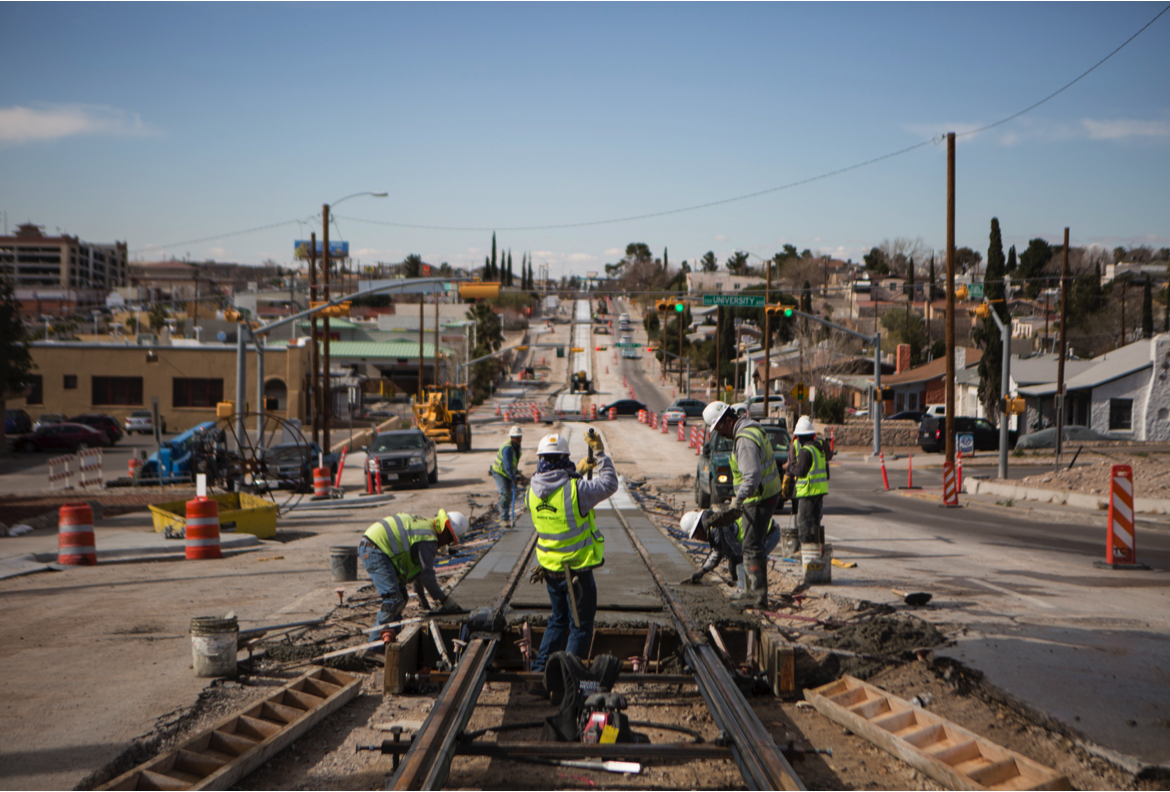
After two straight years of the Trump administration pushing to eliminate all funding for building or improving public transportation systems, Congress is right now deciding how much funding to provide for transit in the FY19 budget. To make sure Congress knows they need to continue funding public transportation, T4America is circulating a sign-on letter for organizations and elected officials.
Eight things to know about the president’s budget and infrastructure plan
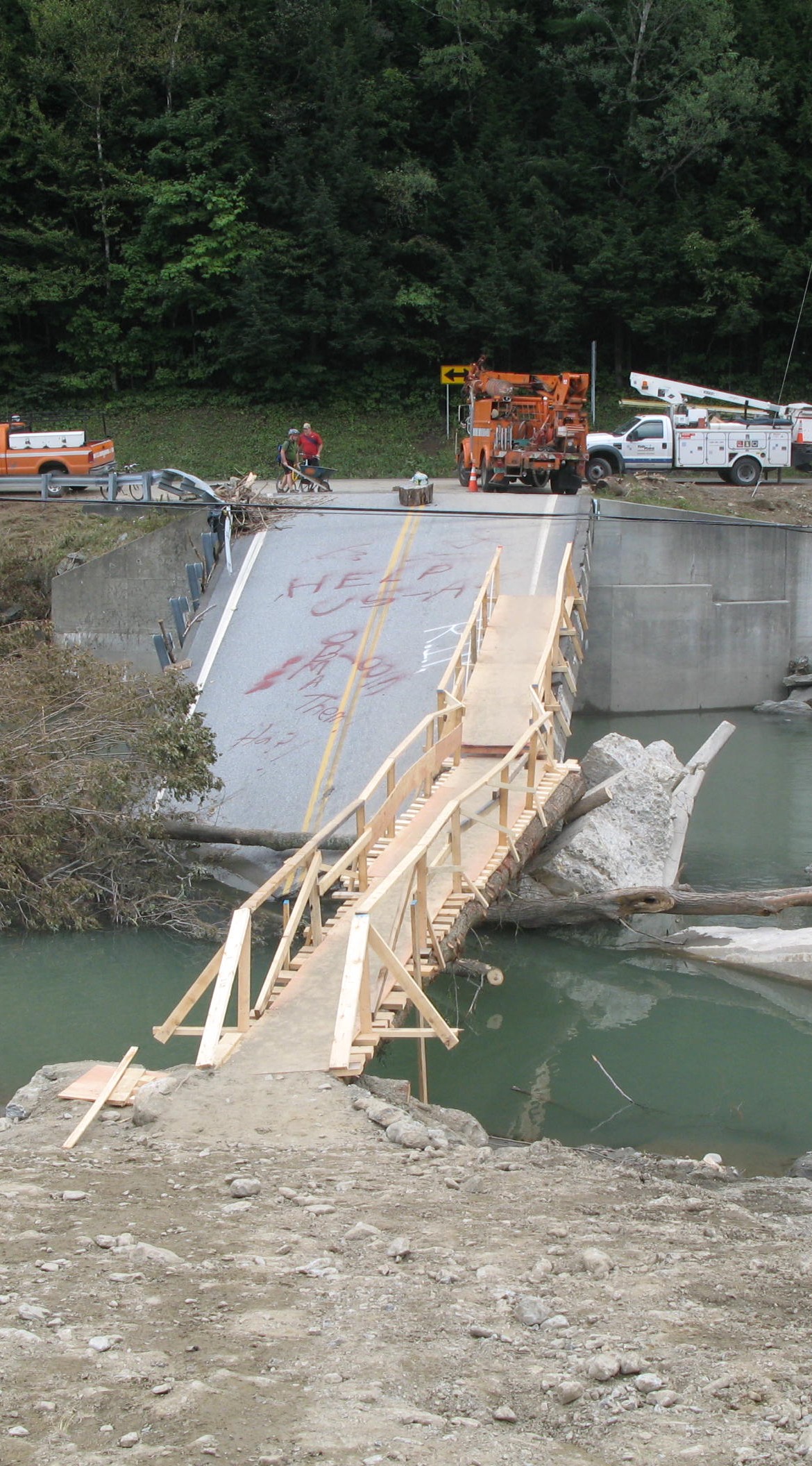
After promising the release of an infrastructure plan since the early days of his administration over a year ago, President Trump finally released his long-awaited plan for infrastructure investment. Since he did it on the same day he released his budget request for the next fiscal year, it’s worth considering them together and asking: what do these proposals mean for infrastructure?
New report: Transit funding supports manufacturing jobs from coast to coast
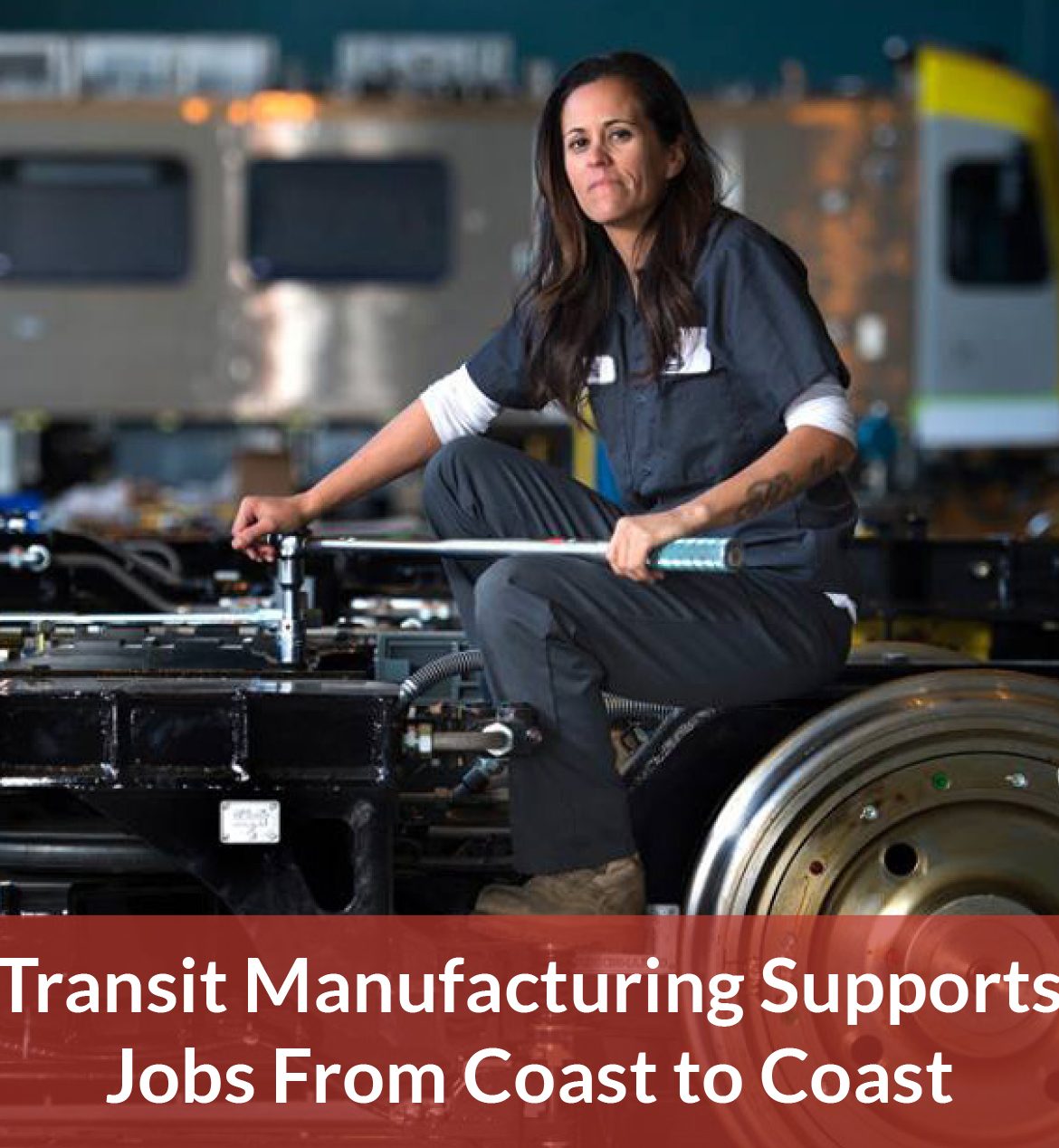
Public dollars devoted to making capital improvements to public transportation systems support thousands of manufacturing jobs, in communities small and large, in nearly every state across the country.
Proposed cuts to federal transit funding threaten thousands of manufacturing jobs in the supply chain from coast to coast

Thousands of manufacturing jobs, in communities small and large, in nearly every state across the country, are currently threatened by cuts to federal transit funding proposed by both the Trump Administration and Congress.
Statement from Transportation for America on House Passage of THUD Appropriations
Today, the House of Representatives passed H.R. 3354, the “Make America Secure and Prosperous Appropriations Act, 2018”, which contains the Fiscal Year 2018 Transportation, Housing and Urban Development (THUD) appropriations. Beth Osborne, interim T4America director, issued the following response:
House & Senate reject president’s request to end all federally supported transit construction
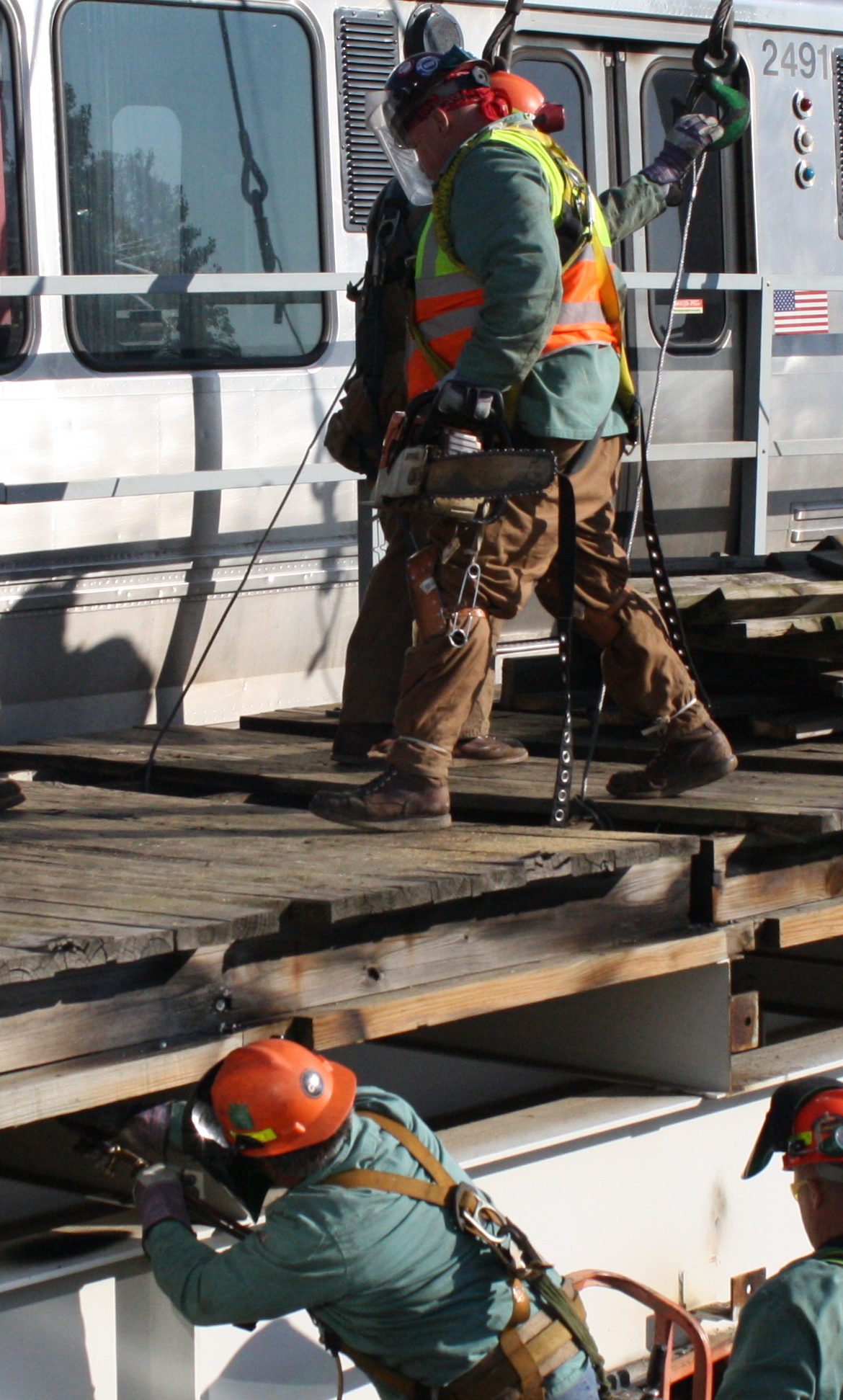
Over the last week, House and Senate committees have both passed transportation budget bills for the upcoming year. For the most part they again rejected President Trump’s requests to eliminate the TIGER grant program, halt all new federally supported transit construction, and slash passenger rail service.
Trump admin’s full budget proposal makes clear their intent to end federal support for transit construction
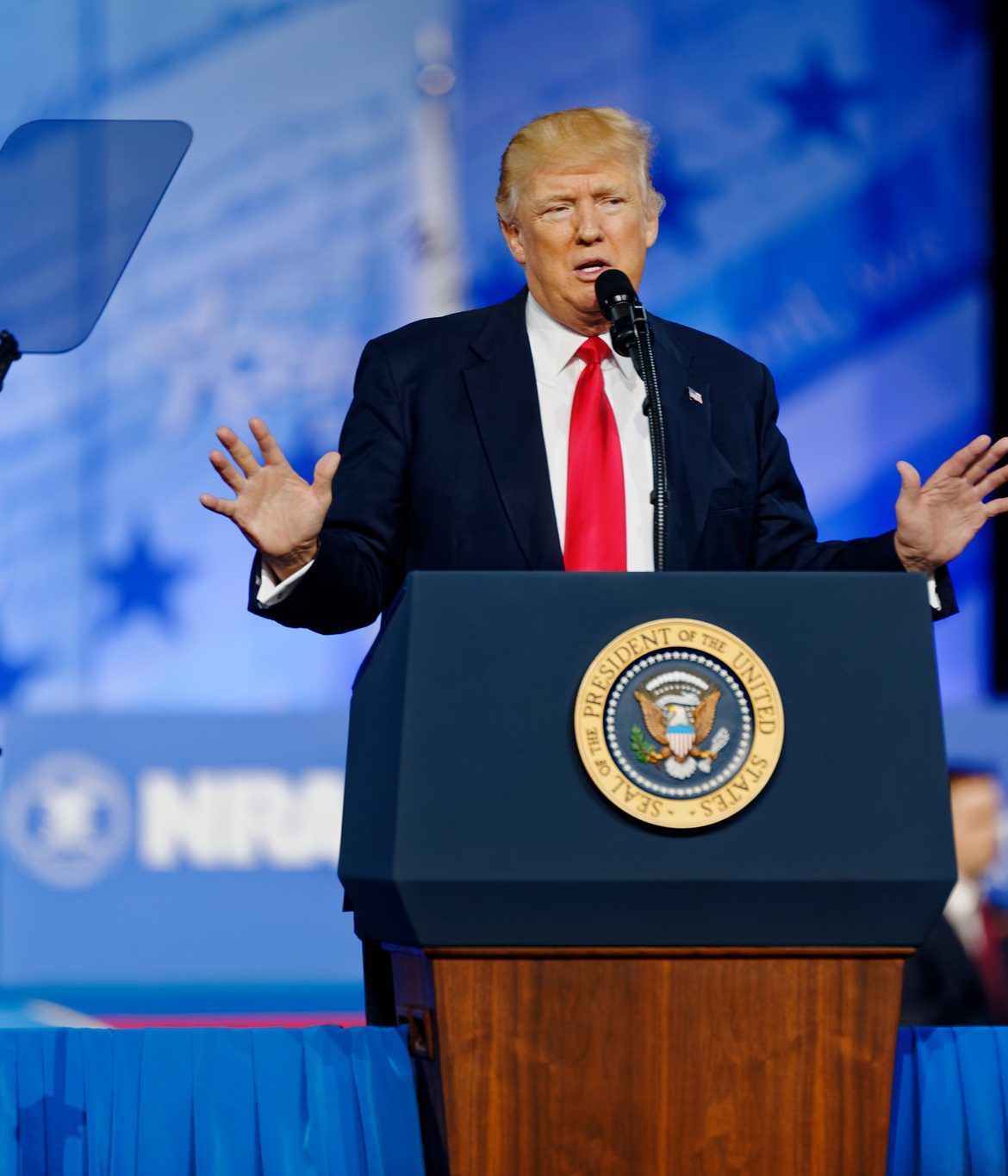
The Trump administration released their full budget proposal for 2018, ending any possible uncertainty about their belief that highway projects are always inherently in the national interest, transit is explicitly a local concern, and leveraging greater local and state investment in transportation is not a trend to be encouraged.
Avoiding a government shutdown, Congress moves to preserve TIGER and transit funding — for now
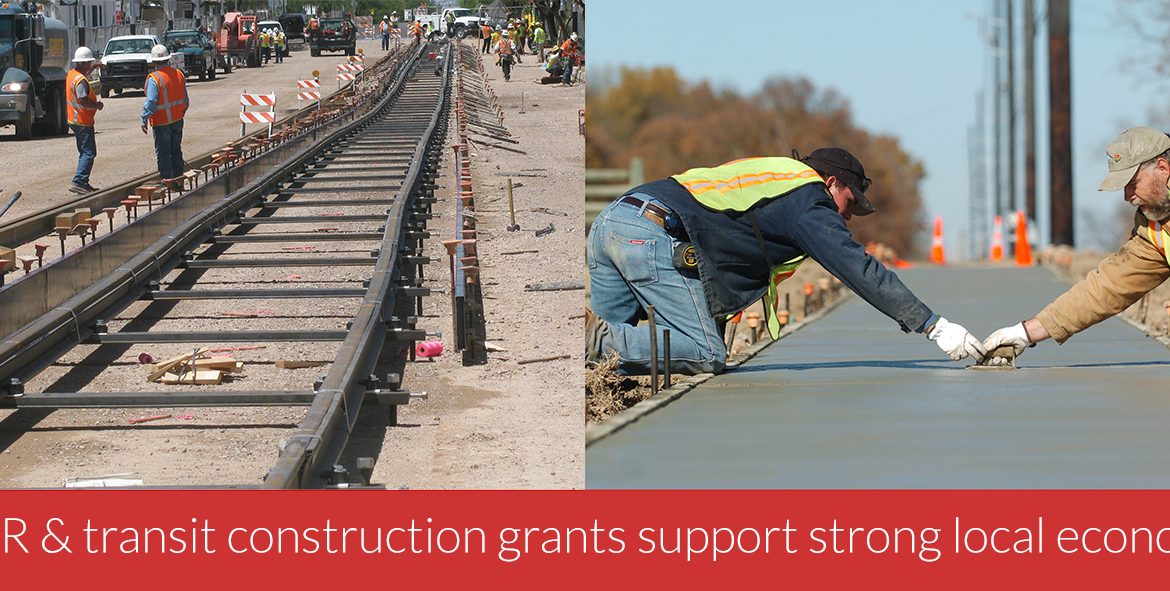
In a budget deal to fund the government through the end of September, Congress partially accommodated the President’s requests for more defense and security spending, but ignored his requests to eliminate funding for TIGER, new transit construction, and other programs vital for building strong local communities.
162 organizations and local business and elected leaders from 30 states urge Congress to support TIGER & public transit funding
162 organizations, including elected state/local officials and chambers of commerce, sent a letter to House and Senate appropriators today urging them to preserve funding for competitive TIGER grants and the construction of new public transit service. Both are vital programs that support smart investment and also encourage local communities to raise their own funding to invest in their priority projects.
Trump admin moving to end transit construction program and TIGER immediately
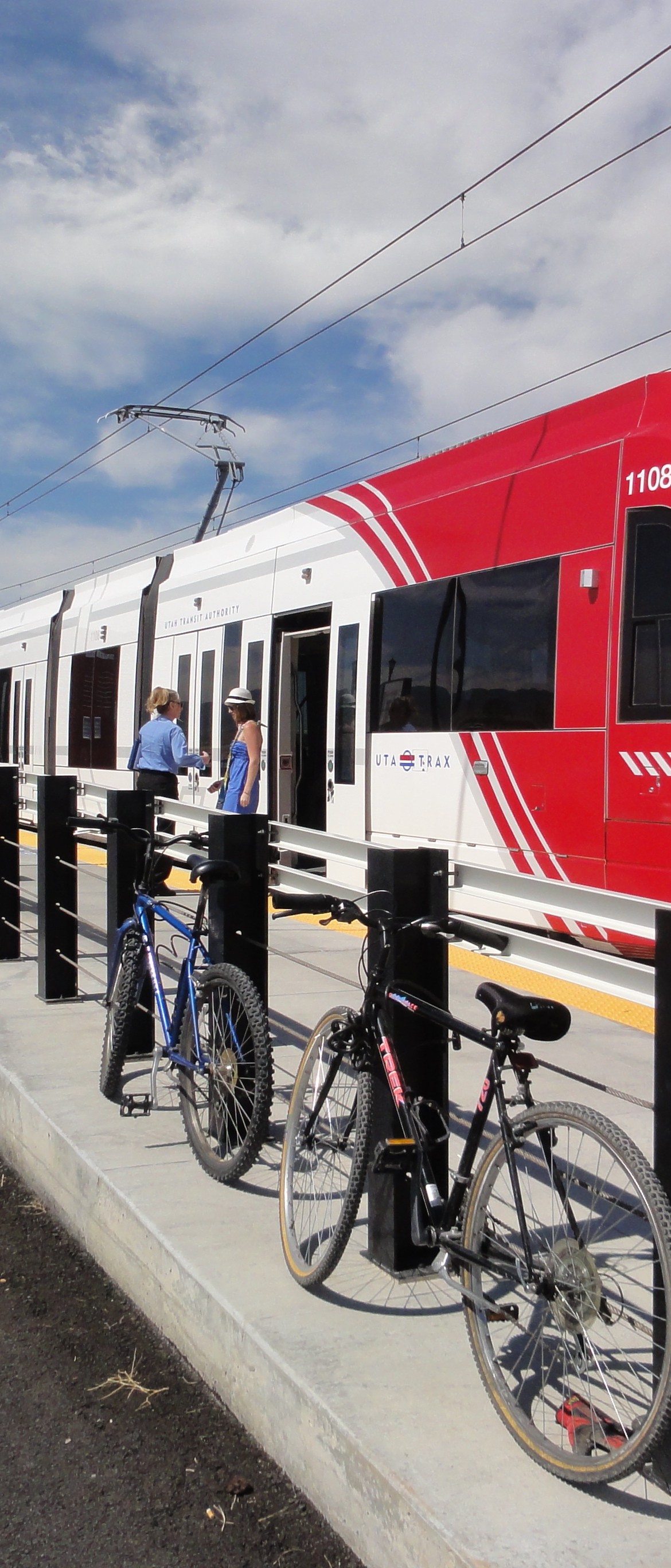
New documents released this week by the Trump administration make it clear that 2018 won’t be soon enough to eliminate funding for future transit construction and TIGER competitive grants — they want them gone now, in 2017.
Seven things to know about President Trump’s budget proposal
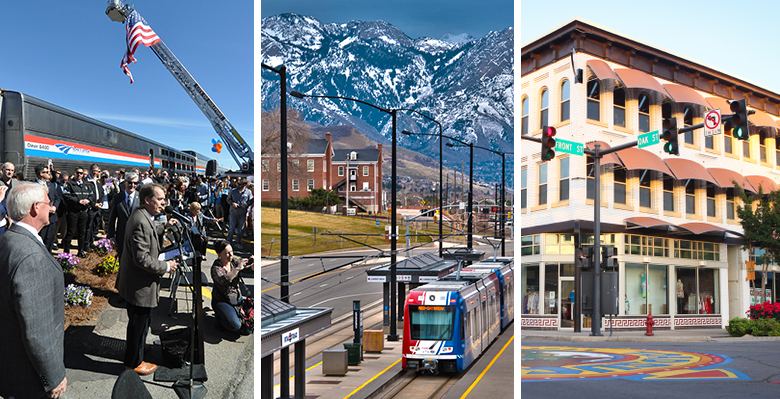
There is no good news for transportation in President Trump’s first budget request to Congress. We take a look beyond the headlines and unpack seven things you need to know about this first salvo in the annual budget-making
Trump’s budget will hurt local communities
President Trump’s first budget request for Congress is a direct assault on smart infrastructure investment that will do damage to cities and towns of all sizes — from the biggest coastal cities down to small rural towns. Tell your representatives that this proposal is a non-starter and appropriators in Congress should start from scratch.
President Trump’s budget request severely undercuts stated commitment to investing in infrastructure
Earlier today, President Trump released his budget proposal for FY 2018 that cuts the U.S. Department of Transportation’s discretionary budget by 13 percent, ends the popular TIGER competitive grant program, eliminates the New & Small Starts transit construction program, and terminates funding for long-distance passenger rail funding, among other notable cuts.
President Trump’s federal infrastructure priorities likely to be revealed this week
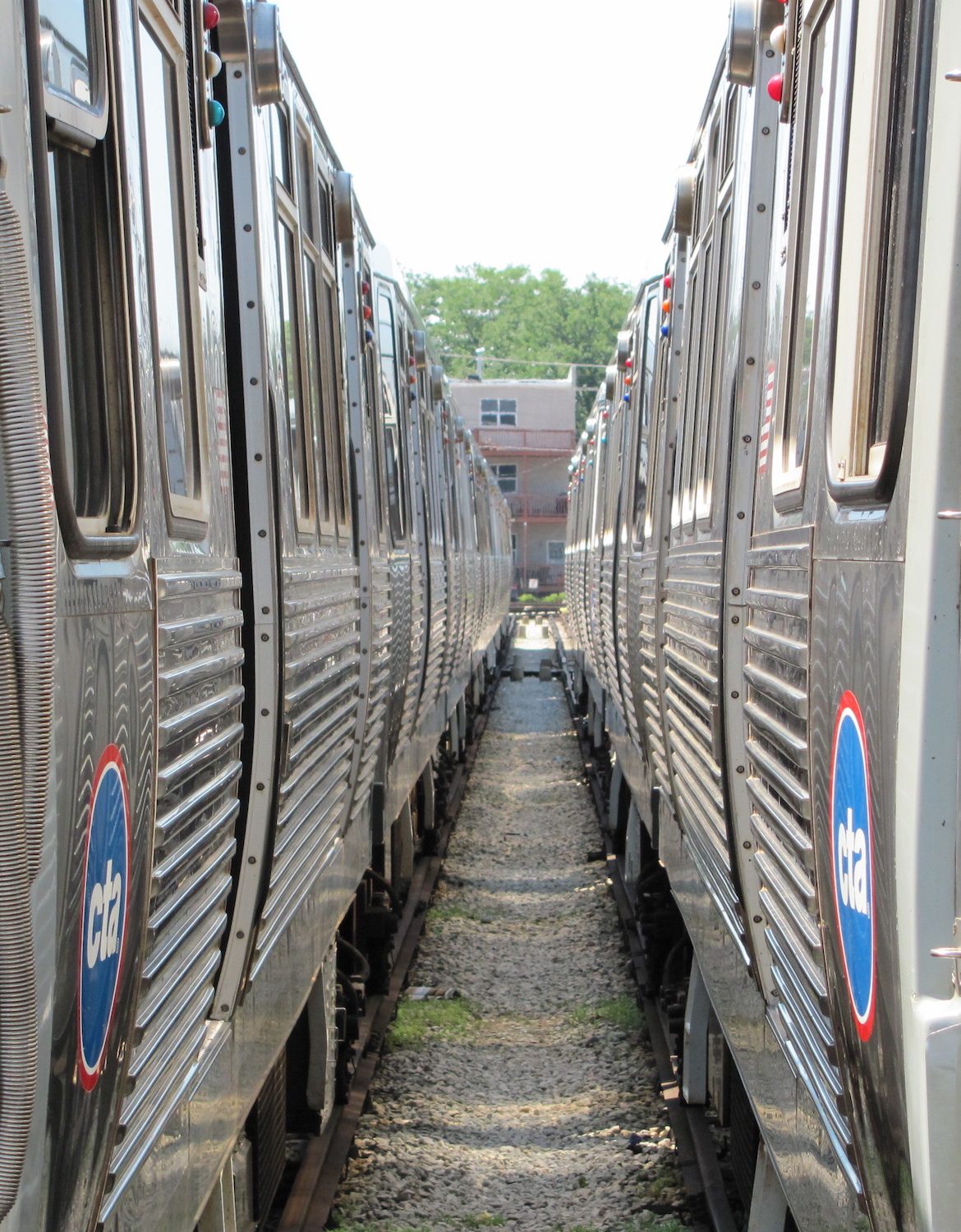
There’s no need to wait months for President Trump’s $1 trillion infrastructure package to discover the transportation priorities of this president — they’ll be clearly telegraphed with the release of his first annual budget later this week. For months there’s been endless discussion of the President’s $1 trillion pledge to “build new roads, and highways, and bridges, and airports, and tunnels, and […]
Do our federal transportation priorities match the rhetoric we use to justify more spending?
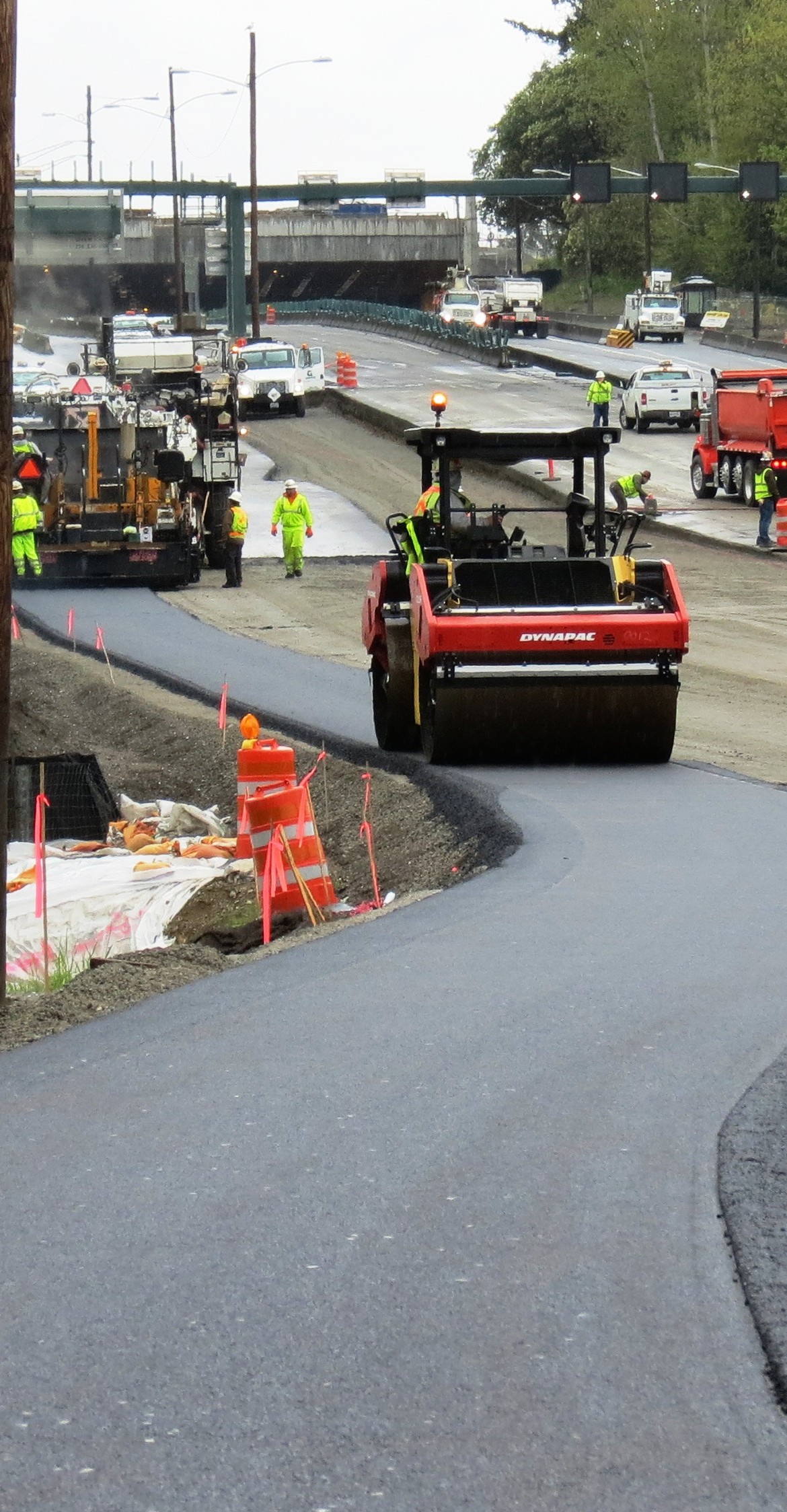
With the Trump administration readying both an annual budget and discussing a possible large infrastructure package, Transportation for America this morning urged a key Senate subcommittee not to stop investing in programs that promote innovation, encourage collaboration and maximize benefits for local communities.
After years of trying to slash funding, the House proposes solid funding for next round of TIGER grants
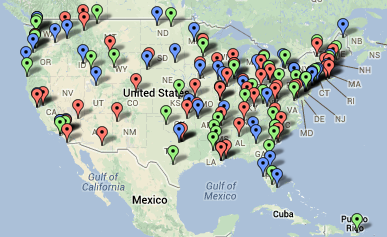
After several years of consistently trying to cut or outright eliminate the program’s funding entirely, House appropriators last week approved $450 million for competitive TIGER grants within the annual budget bill for all transportation and housing programs.
Senate transportation appropriations bill adheres to local leaders’ call to fund TIGER, public transit and passenger rail
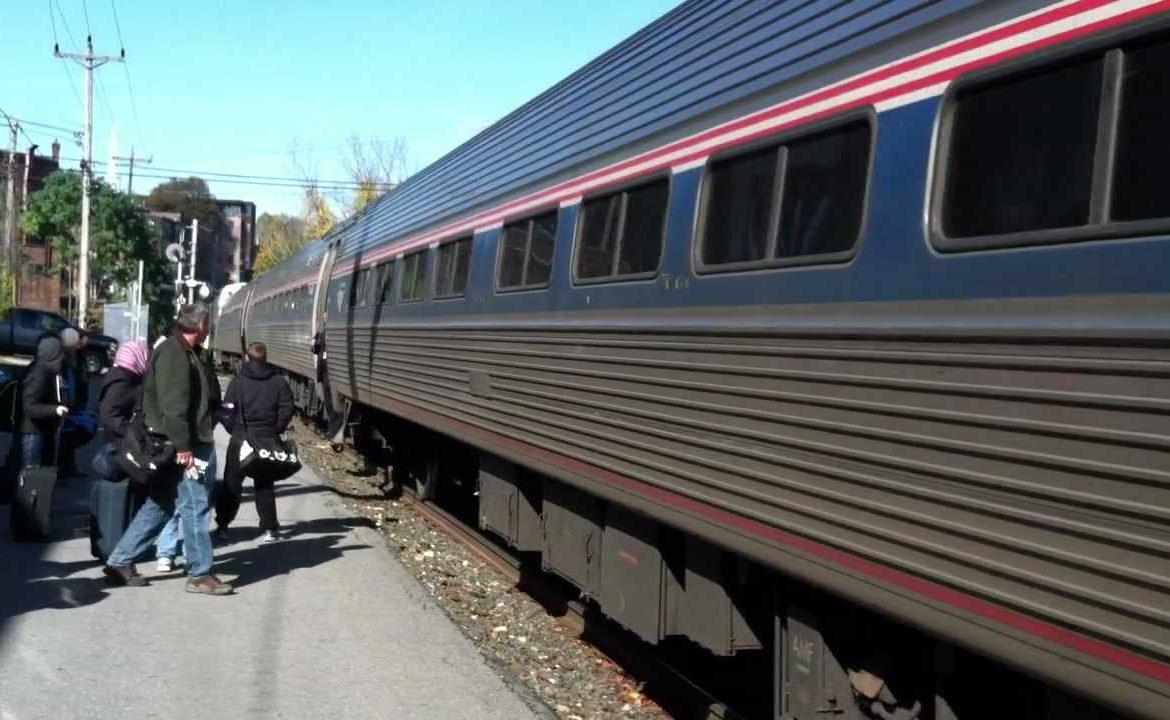
The annual transportation and housing appropriations bill – known as T-HUD – was approved last week by the Senate Appropriations Committee and contains good news for transportation.
Our three principles
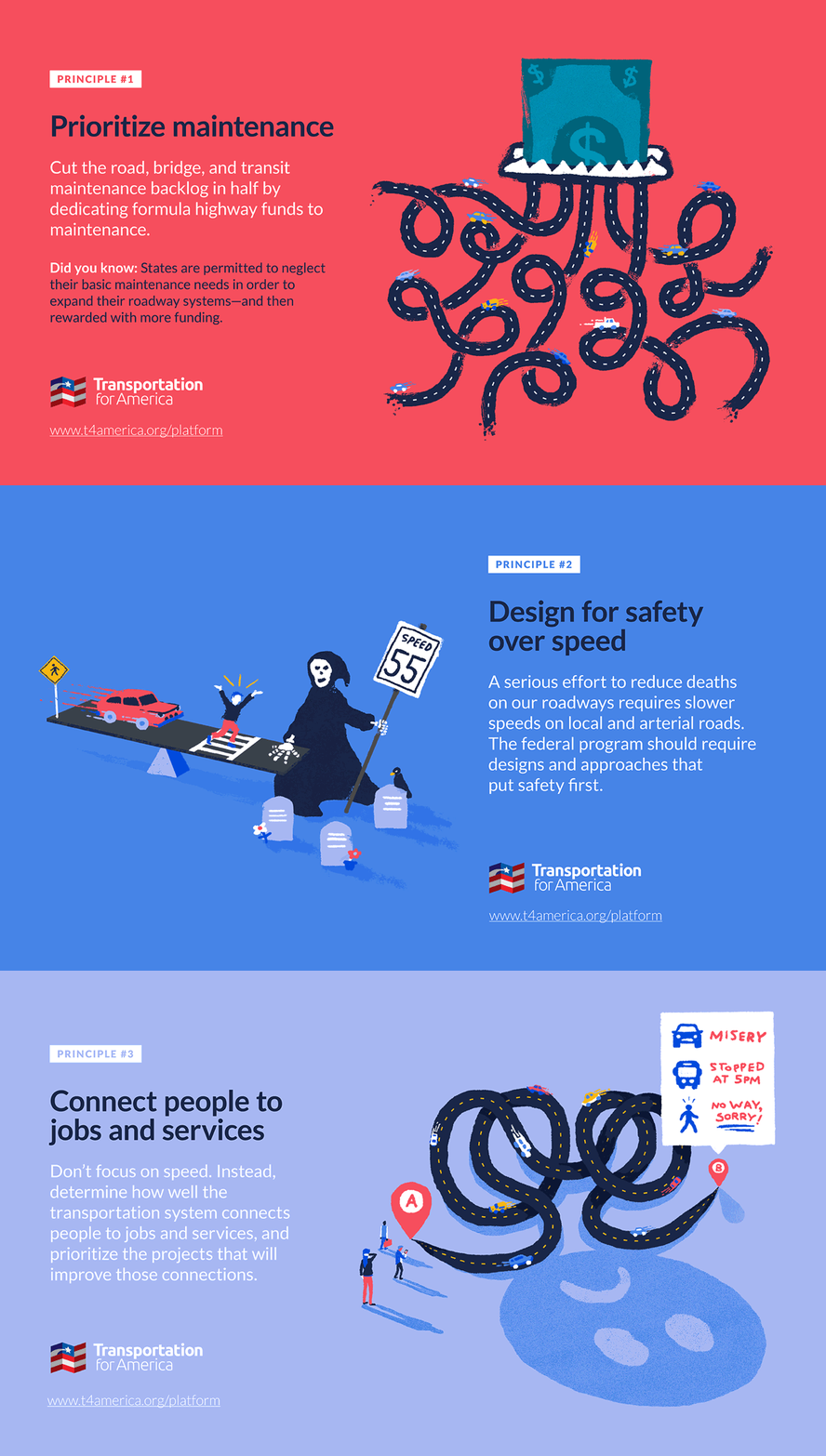
It’s past time to elevate the national conversation about infrastructure beyond just the price tag.
Learn more about our platformLatest From The Blog


Progress for passenger rail in the South and…
Apr 10th, 2024


Building back better: Reflections on the state of…
Apr 9th, 2024

FTA helps deliver more buses for less
Apr 2nd, 2024

I cannot find the zoom link, I registered…
Jan 6th, 2024

A rare look behind the curtain of Transportation…
Jul 28th, 2023

In what Harrison Ford said was his most…
Jul 25th, 2023

Good example, walking to the local taco place…
Jul 24th, 2023