Posts Tagged "maryland"
Maryland’s governor is fighting a more objective process for choosing transportation projects
While other states and regions across the country are using new tools to evaluate potential transportation projects and pick the ones that offer the best return for taxpayer money, Maryland Governor Hogan and his administration are staunchly opposing similar new policies that add accountability and transparency to that process.
While other cities try to replicate Houston’s successful bus network overhaul, Maryland’s plan for Baltimore falls short
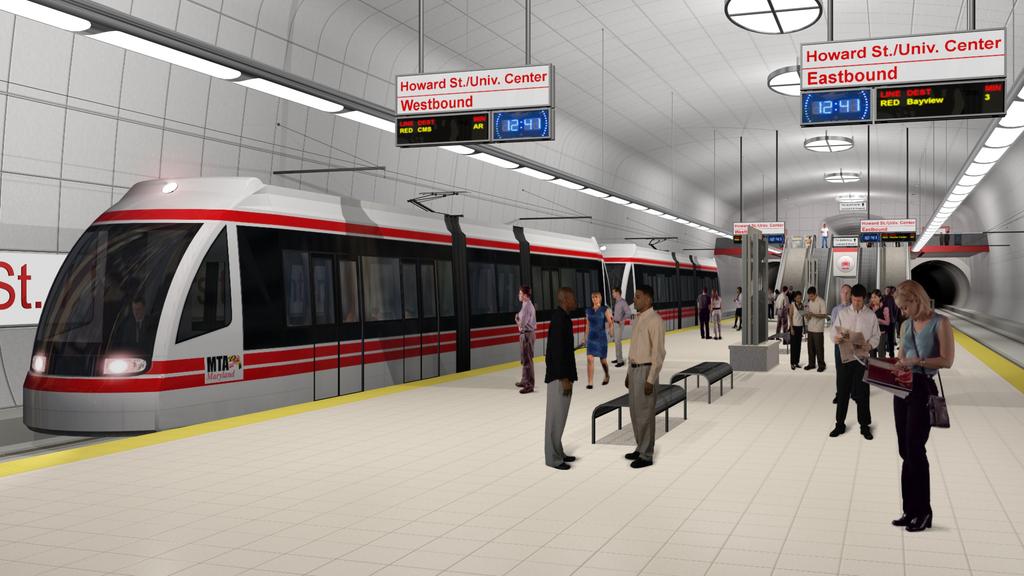
At a time when other cities are redesigning their bus transit service and aggressively investing in public transportation overall to provide more consistent, predictable service to serve residents and employers, Baltimore — thanks to the state of Maryland — is attempting to get the most out of its bus system with only marginal new investment and changes in service that won’t do much to improve access to jobs, schools, or opportunity.
A look at progress around the country on improving state transportation policy & raising new funding
Scores of state legislatures are still in session or nearing the end of their sessions. With transportation funding and policy on the docket in scores of states, here’s a roundup of the progress being made in states working to create more transparency, build more public trust in transportation spending, and even raise new money.
Maryland attempting to bring accountability & transparency into process for selecting transportation projects

Maryland is attempting to join the growing movement of states trying to ensure that transportation projects are selected and built on their merits in a more transparent process. T4America testified today in favor of a bill that would move the needle in that direction.
The Baltimore Sun agrees: Baltimore needs the Red Line
Yesterday, The Baltimore Sun editorial board heartily affirmed the necessity of the Red Line for Baltimore’s future, calling it “the economic shot in the arm” that the city needs and urging Maryland Gov. Larry Hogan to approve both it and the Purple Line project in the DC suburbs.
The Red & Purple transit lines in Maryland would position Maryland for long-term economic success
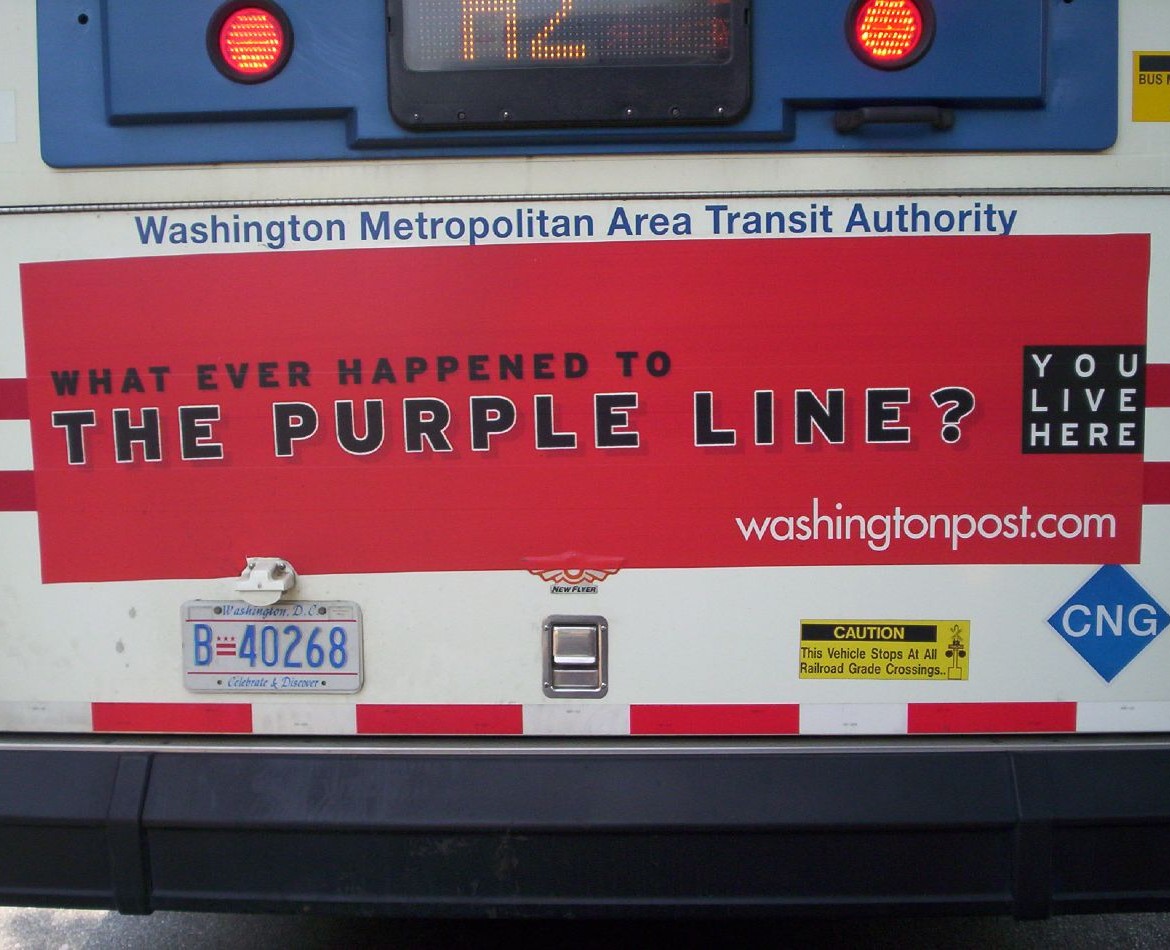
Drawing from experience across the nation, a new Transportation for America report attempts to assess the full range of potential economic benefits from the planned Red and Purple transit lines in Maryland. The key finding: With benefits that far outweigh the costs, these two lines would help position Maryland for economic success in ways that few other investments are likely to do.
Economic analysis shows Red and Purple lines could be major boon for Maryland, the city of Baltimore and suburban Washington, DC
The two rail transit lines being considered by Maryland Governor Larry Hogan and his advisers could help leverage billions of dollars in income, increased productivity and expanded tax base, according to a new analysis from Transportation for a America.
Voters in two states consider measures to restrict funding to transportation uses
Facing the uncertainty of stable federal transportation funding and often unwilling to raise their own taxes to fund transportation, some states have seized upon the idea of protecting their transportation revenues for transportation uses. On Nov. 4, Maryland and Wisconsin voters will be deciding on similar measures that would put transportation funds into protected accounts that can’t be appropriated for non-transportation uses.
Follow-Up: Maryland pols raise their gas tax, voters respond supportively

While the conventional wisdom is that voting for a tax increase spells doom for a politician, recent evidence from Maryland continues to show that state politicians rarely lose their seats when they vote for a gas tax hike.
In state elections, voters decline to punish pols for raising transportation taxes

Raising the gas tax is a political death sentence, right? Well, not necessarily. In at least two states where legislators raised gas taxes or other fees in the last two years, voters have responded by sending almost all of the supportive members of both parties back to their state houses. Could it be that voters are more supportive of raising revenue than we think?
In 2013, 20-plus states took up transportation funding: Here’s the final tally
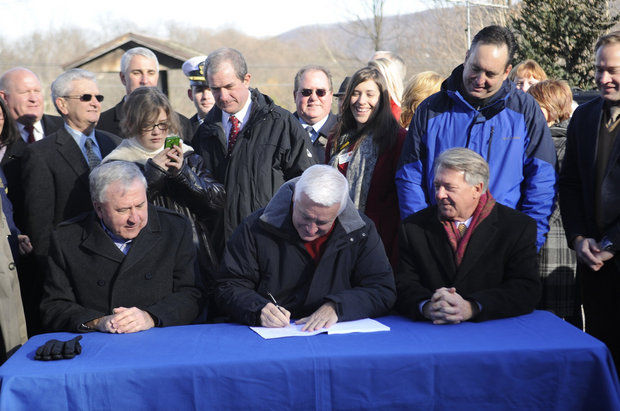
With a large number of state legislatures convening as the new year gets underway, it’s worth a look back at an important trend from 2013: States stepping forward to raise additional money for transportation. With federal funding remaining flat in 2012′s transportation bill (MAP-21) and after years of deferred action during the long recession, a large number of states, metro areas and local communities moved to supplement federal dollars with new revenues of their own.
Ambitious Maryland plan moves forward to index gas tax, add sales tax for transportation
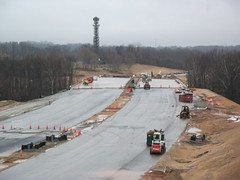 When Maryland’s Intercounty Connector (ICC) highway opened in 2011, it did more than create a new east-west toll road between I-270 and I-95 in the northern suburbs of Washington, DC: It also severely hampered Maryland’s ability to build other large-scale transportation projects for years to come. But now there’s significant momentum to raise new state revenues for transportation to ensure that the state won’t have to shelve their plans for a 21st century transportation system.
Planning for the future: Washington’s new Woodrow Wilson Bridge
Here in Washington, DC last weekend, the 12-foot-wide bicycle and pedestrian lane of the Woodrow Wilson interstate bridge over the Potomac River held its grand opening, filling with bikers and walkers joining the thousands of cars that cross the bridge each day. The bridge, connecting Virginia and Maryland on the southern part of the Capital Beltway, is a vital transportation link in the region, where Interstate 95 (and the large majority of truck traffic) bypasses Washington, continuing north or south along the eastern seaboard. But making the Wilson Bridge an intermodal success was not easy.
Our three principles
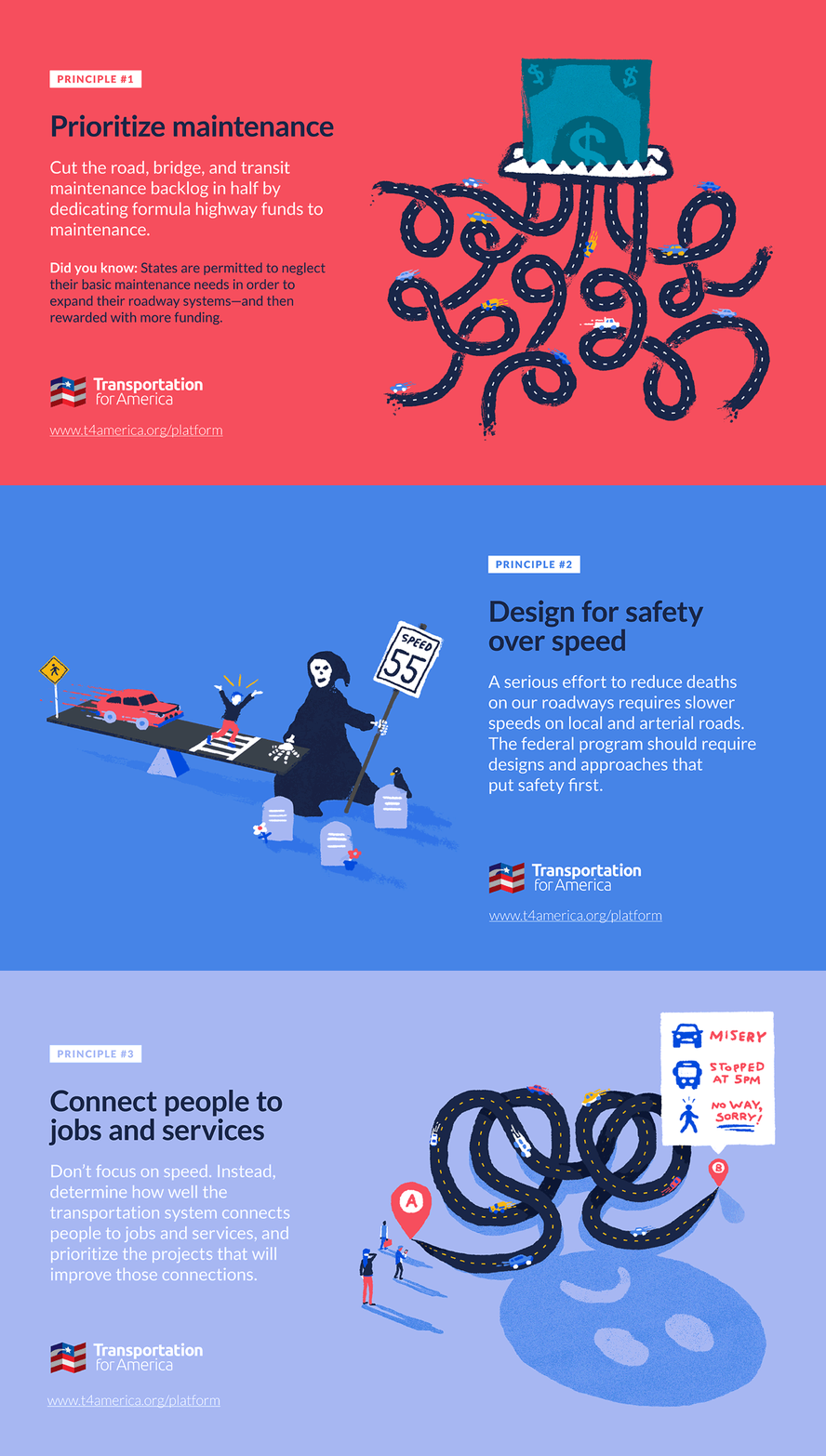
It’s past time to elevate the national conversation about infrastructure beyond just the price tag.
Learn more about our platformLatest From The Blog


Progress for passenger rail in the South and…
Apr 10th, 2024


Building back better: Reflections on the state of…
Apr 9th, 2024

FTA helps deliver more buses for less
Apr 2nd, 2024

I cannot find the zoom link, I registered…
Jan 6th, 2024

A rare look behind the curtain of Transportation…
Jul 28th, 2023

In what Harrison Ford said was his most…
Jul 25th, 2023

Good example, walking to the local taco place…
Jul 24th, 2023