It’s time to make the link between health and transportation
October 13, 2009By Sean Barry
Most of the news coverage about what is happening in Washington compartmentalizes health and transportation, missing key connections between the two.
This week, Americans from around the country will speak to their representatives, seeking to emphasize those links. The “health fly-in” will commence Thursday and is sponsored by Transportation for America, the American Public Health Association, the Complete Streets campaign and PolicyLink, a research institute specializing in social equity.
The U.S. transportation system – our roads, bridges and highways, as well as bicycle and pedestrian paths – propels our social and economic lives. Unfortunately, the system we have takes a significant toll on our health and safety.
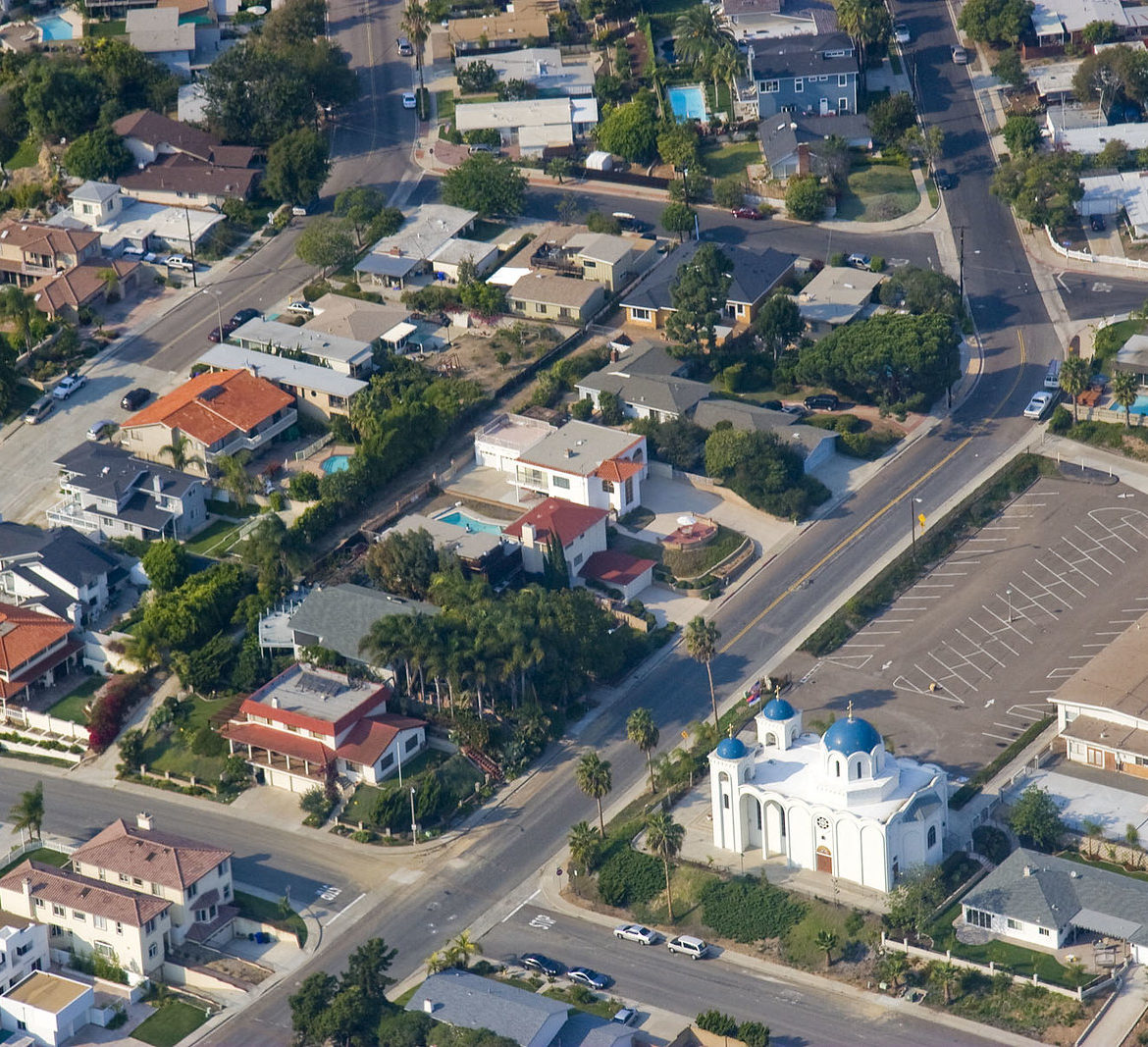
By building neighborhoods, towns and cities that require a car trip for nearly every move we make, we have literally engineered physical activity out of our daily lives. In many sprawling communities, driving is the only option for getting to school, work and recreation, and new road projects tend to favor speeding cars over the people who cross the street.
Poor air quality resulting from pollution contributes between $40 billion and $60 billion to U.S. health care costs annually. Each hour spent in the car increases the risk of obesity. And further, the lack of emphasis on transit, walking and biking lowers mobility for disadvantaged Americans and makes our streets less safe for people both behind the wheel and on foot.
Transportation policy can no longer be viewed in isolation. That is why groups like the American Public Health Association are educating people about the links between the built environment and our personal well-being and organizations from different policy arenas that never saw the need to work with each other before are joining hands.
This week has been all about making the health and transportation link more concrete, and there is more to come.
Today’s Headlines — 06/12/09
June 12, 2009By Andrew Bielak
- Boston’s Metropolitan Area Planning Council unveils a new plan for smarter development. (Boston Globe)
- Gas prices reach an eight-month high. (USA Today)
- The Energy Information Administration projects a steep drop in oil output around the world. (Grist)
- Transportation and housing costs for families can’t be disentangled. (Arizona Daily Star)
Webinar Wrap: Housing and Development
April 21, 2009By Stephen Lee Davis
![]() |
| Download the third and fourth in a series of policy briefs from T4 |
Our third webinar took place last week, and almost 300 people attended the session to hear from development experts on the connections between transportation policy, real estate development, and affordable housing.
- Policy Brief: Transportation and Housing (pdf)
- Policy Brief: Transportation and Development (pdf)
- Audio and video recording of the entire webinar
- Podcast audio file (.mp3)
- Podcast video file (.mp4)
- Sign up for more sessions on the webinars page
With economic crisis putting jobs in jeopardy, homes in foreclosure and entire communities in peril, Americans are facing extraordinary challenges in finding affordable and accessible housing options. Now more than ever, we need federal leadership to help make the critical link between our housing and transportation policies and creating revitalized communities where people can find good places to live and convenient ways to get around.
Shelley Poticha, President and CEO of Reconnecting America and the Center for Transit Oriented Development moderated the discussion and provided an overview of the Transportation for America Campaign.
Christopher Leinberger, Visiting Fellow at the Brookings Institution and Partner of Arcadia Land Company; discussed the benefits of walkable urbanism and the linkages between land value and transportation systems. Ann Norton, Senior Staff Attorney at the Housing Preservation Project, provided a snapshot of Blueprint planning from the Minneapolis / St. Paul Metropolitan Area that links up transportation and land-use planning. Finally, John McIlwain, Senior Resident Fellow at the Urban Land Institute discussed policy options for locating housing around transportation nodes and creating compact, mixed use, mixed income neighborhoods.
There are still more webinars on tap. The next session is April 30 on Transportation, Public Health and Safety.
Reminder: Housing and development webinar this Thursday
April 13, 2009By Stephen Lee Davis
Transportation for America wants to remind you about our ongoing series of webinars, continuing this Thursday (4/16) at 4:00 p.m. EDT. This week, we’ll be partnering with the National Housing Conference to conduct an interactive webinar with a terrific panel of experts discussing the complex relationships between transportation and housing.
With the economic crisis putting jobs in jeopardy, homes in foreclosure and entire communities in peril, Americans are facing extraordinary challenges in finding affordable and accessible housing options. Now more than ever, we need federal leadership to help make the critical link between our housing and transportation policies and create revitalized communities where people can find affordable places to live and convenient ways to get around.
In this webinar, real estate development professionals and affordable housing advocates will explore the linkages between transportation and housing development, the shift in housing and real estate preferences and value, and the creation of affordable mixed-use development near jobs and transit.
Panelists will include:
Shelley Poticha, President and CEO of Reconnecting America and the Center for Transit Oriented Development; John McIlwain, Senior Resident Fellow at the Urban Land Institute and J. Ronald Terwilliger Chair for Housing at the Urban Land Institute; Christopher Leinberger, Visiting Fellow at the Brookings Institution; Partner of Arcadia Land Company; and Director of the Graduate Real East Development Program at the University of Michigan; and Ann Norton, Senior Staff Attorney at the Housing Preservation Project.
Registration is free, so sign up today for this great session at t4america.org/webinars.
Worldchanging: Is ‘The Old Economy of Car Dependence’ Over?
November 25, 2008By Stephen Lee Davis
If you’re not reading Worldchanging on a regular basis, you’re definitely missing one of the most positive, encouraging, and exciting daily blasts of news from the world of sustainability and innovation. Alex Steffen and his team have been tirelessly working to point the way to a brighter future for America and the world that contrasts powerfully to the most dire predictions of energy shortages and global warming if we do nothing.
Sometimes when we’re so focused on innovation, there can be a blind trust in some mystery technology, not yet created, that will solve our energy problems. This is especially apparent with regard to our automotive fleet that will “one day soon” run on banana peels or solar power. Alex and Worldchanging, to their credit, have looked around and seen obvious, ready-to-go solutions to curb our energy thirst and cut emissions, while still getting us where we need to go, outlined in a wonderful essay from a year ago, entitled “My Other Car is a Bright Green City.”
We bring up Worldchanging also to point you to a short piece written by Transportation For America communications director David Goldberg on the connection between the current housing crisis and the old development model based on inexpensive fuel.
In truth, the phenomenon of sending people ever farther into the countryside to find houses that they (barely) qualified to purchase played no small role in the current global financial crisis. The epicenter of the U.S. foreclosure crisis can be found on the metro fringes. The buyers who stretched and took on variable-rate or interest-only mortgages, along with punishing commutes, to get into houses on the edge found themselves caught in a double bind.
As gas prices and commute costs rose, their “cheap” houses became ever more costly, even as mortgage payments adjusted along with rising interest rates. But when they went to sell, they found the bottom had dropped out of that market, thanks not only to higher gas prices, but also to demographic and cultural changes that were leading more households to look for homes in more convenient locations.
Read the full article at Worldchanging, and bookmark them for return visits. Our thanks to Alex and Worldchanging for the space.
Millions spend half of income on housing
September 23, 2008By Andrew Bielak
While a prolonged drop in home prices continues to ripple through the nation’s economy, millions of Americans are still struggling to pay for their homes. According to the Associated Press, nearly 15 percent of homeowners with a mortgage spend more than half their income on housing costs. (Adrian Sainz and Alan Zibel)
Scott Bernstein on Smart City Radio
September 18, 2008By Andrew Bielak
The president of the Center for Neighborhood Technology talks about the true cost of commuting and the impact high gas prices will have on where people choose to live. (Smart City Radio)
$$/Sustainability Matched: New Economics of Place
September 2, 2008By Andrew Bielak
Scott Polikov of Citiwire examines how the real estate market will respond to a changing world in which a sense of place is becoming increasingly important to developing a community.
‘Smart growth’ is shaping the focus of modern housing development
August 28, 2008By Andrew Bielak
A columnist for the Fort Worth Star-Telegram says that residential development that values density, easy transportation, and mixed-use neighborhoods is gaining ground in North Texas.
A Different Kind of Bike Tour
August 26, 2008By Andrew Bielak
As more and more Americans look to ride around their neighborhoods on two wheels instead of four, real estate agents are seeing the value in giving clients tours by bike. (Wall Street Journal — Nancy Keates)