Posts Tagged "climate change"
Takeaways from the Smart Growth Electrification Roundtable

On January 23, 2024, Transportation for America, in partnership with the Bicameral Electrification Caucus, organized a roundtable discussion on Capitol Hill on the vital connection between smart growth and transportation electrification, and the strategies that need to be prioritized to achieve transportation equity and decarbonization goals in the next transportation reauthorization. When it comes to decarbonizing transportation it’s not about either-or. We need both electrification and more mobility choices to meet our emissions targets.
Transportation for America Applauds Long-awaited USDOT GHG Rule

The GHG emissions measure will require U.S. states and territories to measure and report transportation-related emissions on federal roadways. WASHINGTON, D.C. (Nov. 27) — Last Wednesday (11/22), the Biden Administration released the U.S. Department of Transportation’s greenhouse gas (GHG) rule. The rule requires all 50 states, as well as the District of Columbia and Puerto […]
Transit’s physical cliff: Climate change

California and New York State Legislatures voted to save transit from the fiscal cliff in 2023. While a win for transit can be a win for the climate, changing conditions across the country demonstrate the need for transit to find ways to be both fiscally and physically resilient.
Inverting the IIJA’s double standard
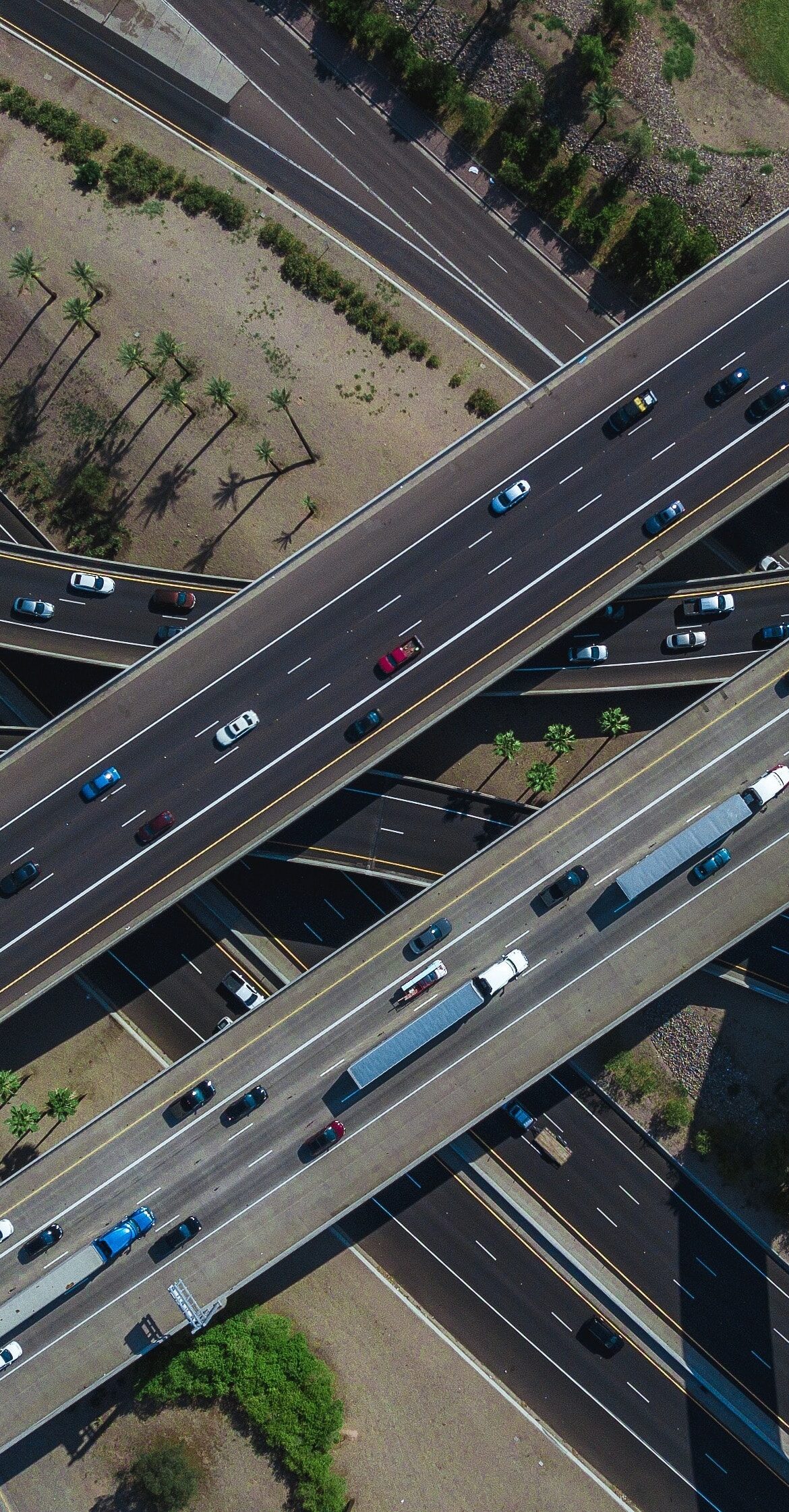
The IIJA and IRA are hailed as landmark pieces of climate legislation. Unfortunately, by prioritizing the status quo of flexibility and formula status for highway projects, the IIJA is set to see the gains of any individual emissions-reducing projects go up in smoke. When the Infrastructure Investment and Jobs Act (IIJA) was passed two years […]
No time to lose: Federal rule ready to boost awareness of transportation emissions
Comments close tomorrow 10/13 on a greenhouse gas emissions rule that could reestablish sunlight and accountability for transportation’s impact on climate change. Here’s what’s next for the proposed measure.
Electric vehicles aren’t good for equity, but we should try
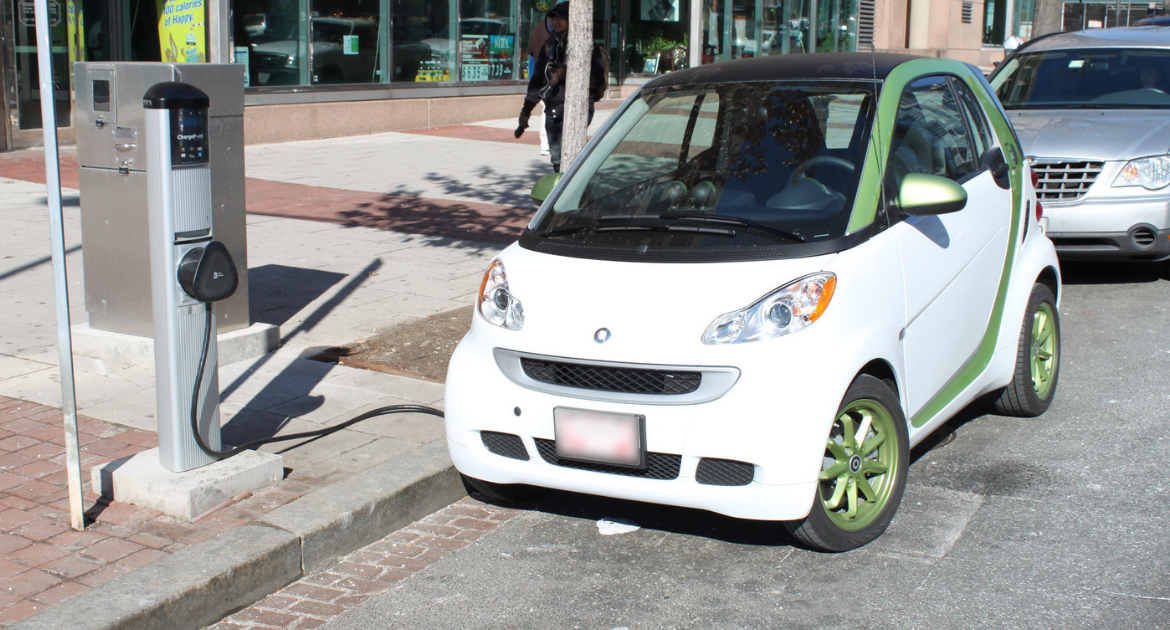
Electric vehicles, while vital for reducing emissions and meeting our long-term emissions reduction goals, are not a good strategy for improving existing inequities in transportation. But there are specific things we can and should do to make this transition more equitable than it otherwise would be.
Electric vehicles are good for emissions, bad for advancing equity
Climate funders, electric vehicle industry groups, and environmentalists are rightly confronting the question of how to address equity in the electric vehicle space. They may not like the answer.
Want to save the climate? Start by funding transit operations
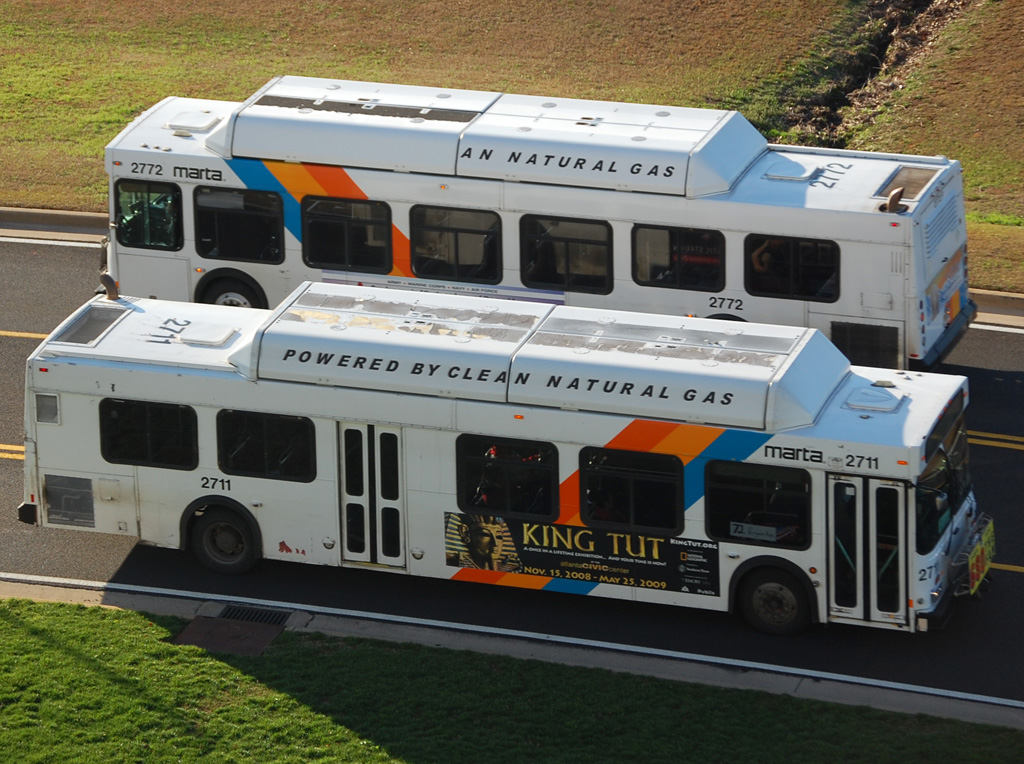
The current trend of more driving will make it harder for us to reach our emissions goals. Making public transit a more convenient and reliable option so people can access the things they need while taking shorter or fewer car trips is one way to reverse the trend of more driving.
More highways, more driving, more emissions: Explaining “induced demand”
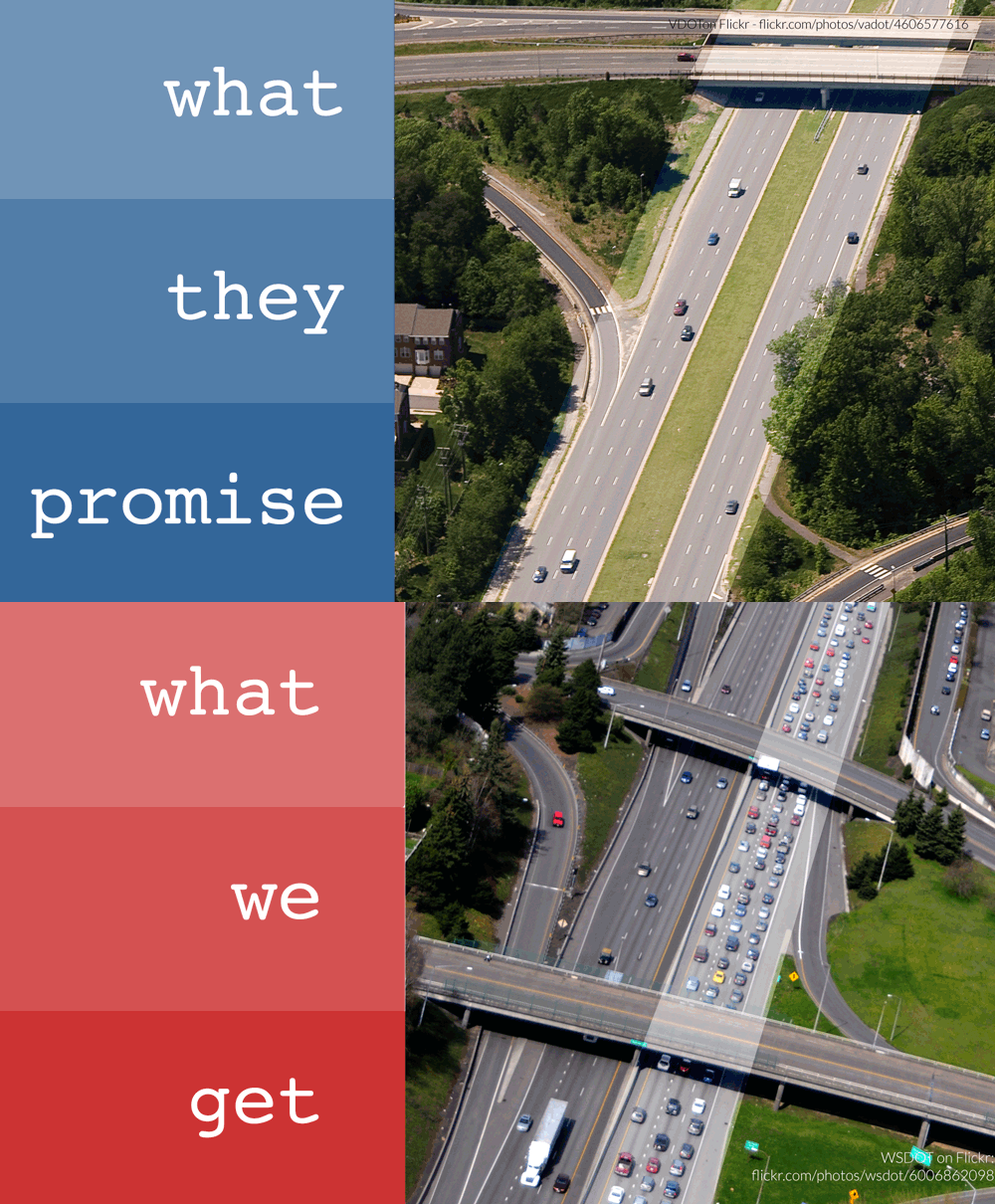
Even if we hit the most ambitious targets for changing our cars and trucks over to electric vehicles, we will fail to meaningfully reduce emissions from transportation without confronting this simple fact: new roads always produce new driving. This costly feedback loop referred to as “induced demand” is the invisible force short-circuiting the neverending attempts to eliminate congestion by building or expanding roads.
WATCH NOW: Going #BeyondEVs in three webinars, including one with Sec. Anthony Foxx
Electrifying vehicles is critical to reducing transportation emissions, but they can’t get the job done on their own—Americans need the freedom to drive less. In honor of Earth Day next Tuesday, we’re hosting three webinars diving into this issue, including one with former USDOT Secretary Anthony Foxx and Rep. Nikema Williams (GA-5).
Why Transportation for America joined an electric vehicle coalition
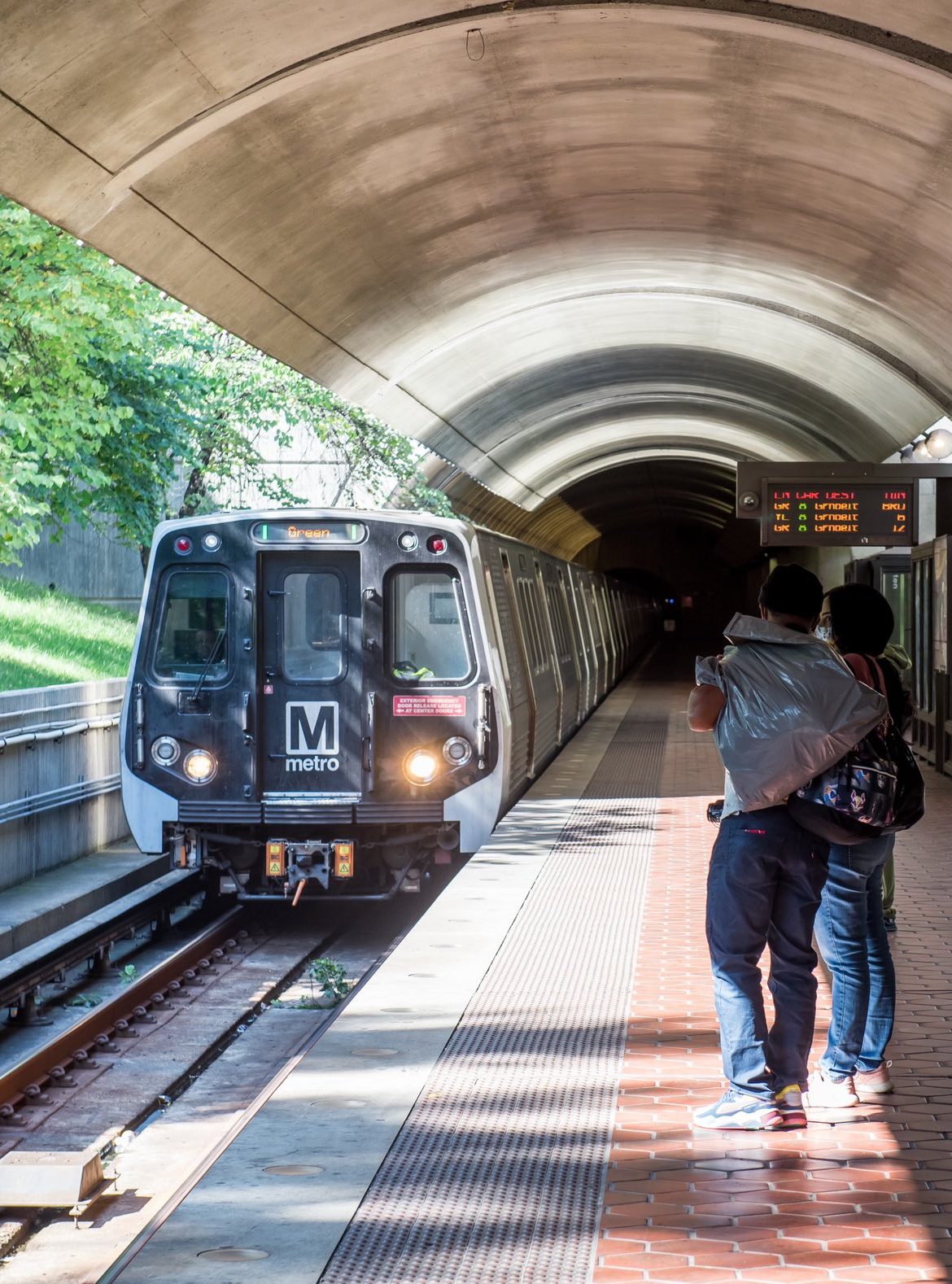
If you’ve been following Transportation for America for a while, you know that electric vehicles on their own aren’t enough to reduce emissions from the transportation sector—the largest source of U.S. emissions. That’s why we joined CHARGE, a new coalition of cross-industry stakeholders advocating for a holistic approach to electrifying the U.S. transportation network.
Why the INVEST Act is good for climate and business

We can have it all: a federal transportation program that reduces carbon emissions while boosting our economy. The House of Representatives led the way last summer with the INVEST Act, a bill that starts the work of connecting federal funding to the transportation outcomes Americans—including our businesses—need. Here’s how.
Answers to your questions about Driving Down Emissions

We recently hosted a webinar to discuss our new report, Driving Down Emissions. We received many more great questions during the webinar than we had time to address, so we are answering some of the big ones here.
Driving Down Emissions in Minnesota
State and local policymakers have an important role to play in making it possible for people to drive less, which is essential for lowering transportation emissions. With our partners at Move Minnesota we produced a new case study companion to Driving Down Emissions looking at how Minnesota has seen some success reducing transportation emissions, why that progress won’t be sufficient, and how to stop leaving valuable strategies to create more livable and equitable communities on the table.
We’ll never address climate change without making it possible for people to drive less
With transportation accounting for the largest share of carbon emissions in the U.S., we’ll never achieve ambitious climate targets or create more livable and equitable communities if we don’t find ways to allow people to get around outside of a car—or provide more housing in places where that’s already an option. Our new report shows how we can reach those targets while building a more just and equitable society.
Senate Democrats recommend less driving—as Senate committee approves billions for new roads
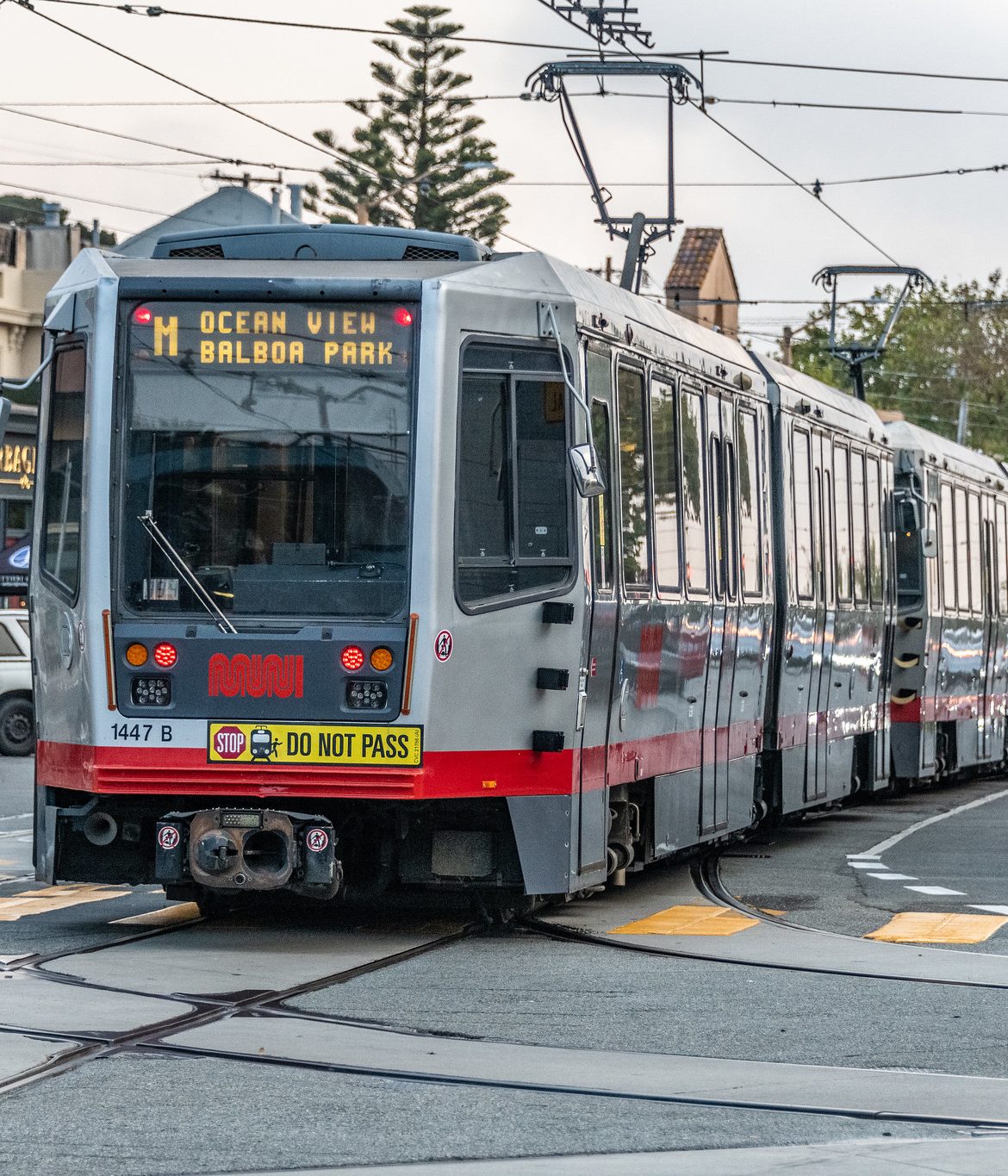
The Senate Democrats’ Special Committee on the Climate Crisis recently released a report recommending key federal actions in each sector to avert the impacts of climate change, incorporating a number of Transportation for America’s recommendations. In fact, the very first recommendation for the transportation sector is to enable Americans to choose walking, biking, or public transportation over driving.
Webinar recap: How the Senate’s transportation proposal would make climate change worse
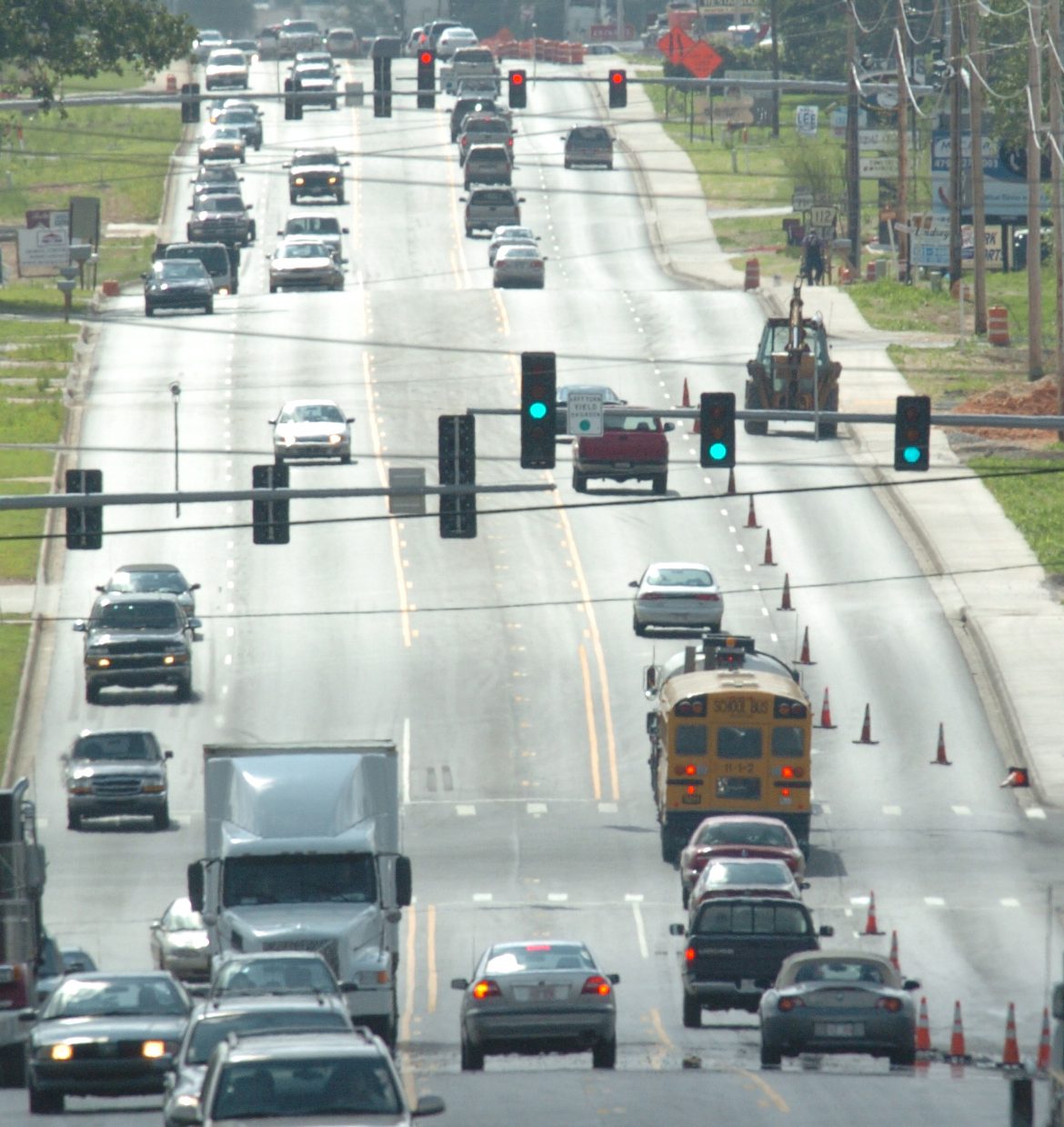
Transportation is the largest source of U.S. carbon emissions, and most of it comes from driving. But a long-term transportation bill passed by a Senate committee last summer would only make this problem worse. Last week, along with Third Way, we discussed the role federal transportation policy plays in making climate change worse—and what a better transportation bill looks like.
Why the Senate’s transportation bill is terrible for climate
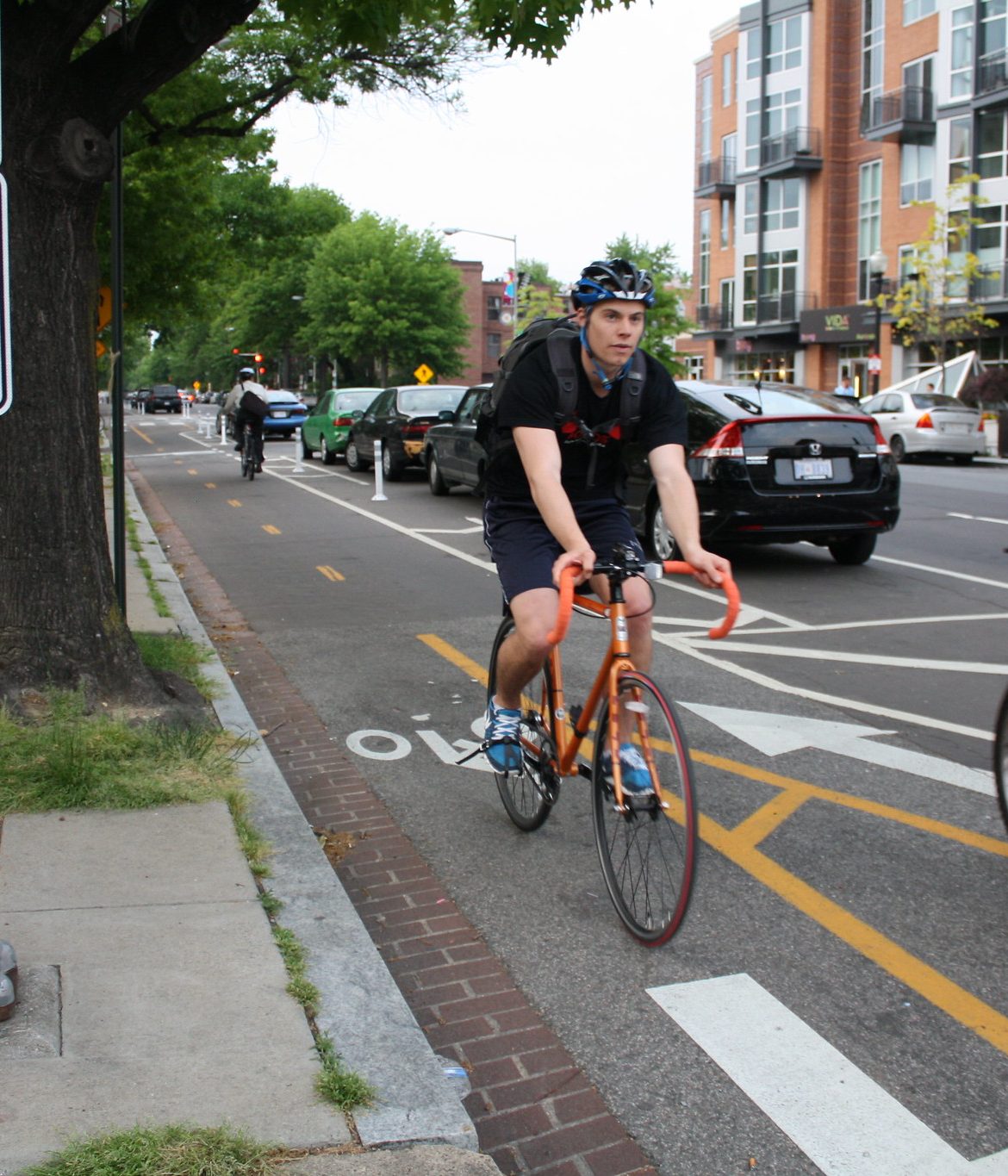
Last summer, the Senate Environment and Public Works Committee passed a long-term transportation bill that was praised for its climate title, marking the first time the word “climate” was included in a bipartisan transportation bill. But while this climate title was worth celebrating, the bill overall would actually result in more emissions, not less. Here’s how, and why we need a different approach.
Biden/Sanders Unity Task Force report falls short on climate
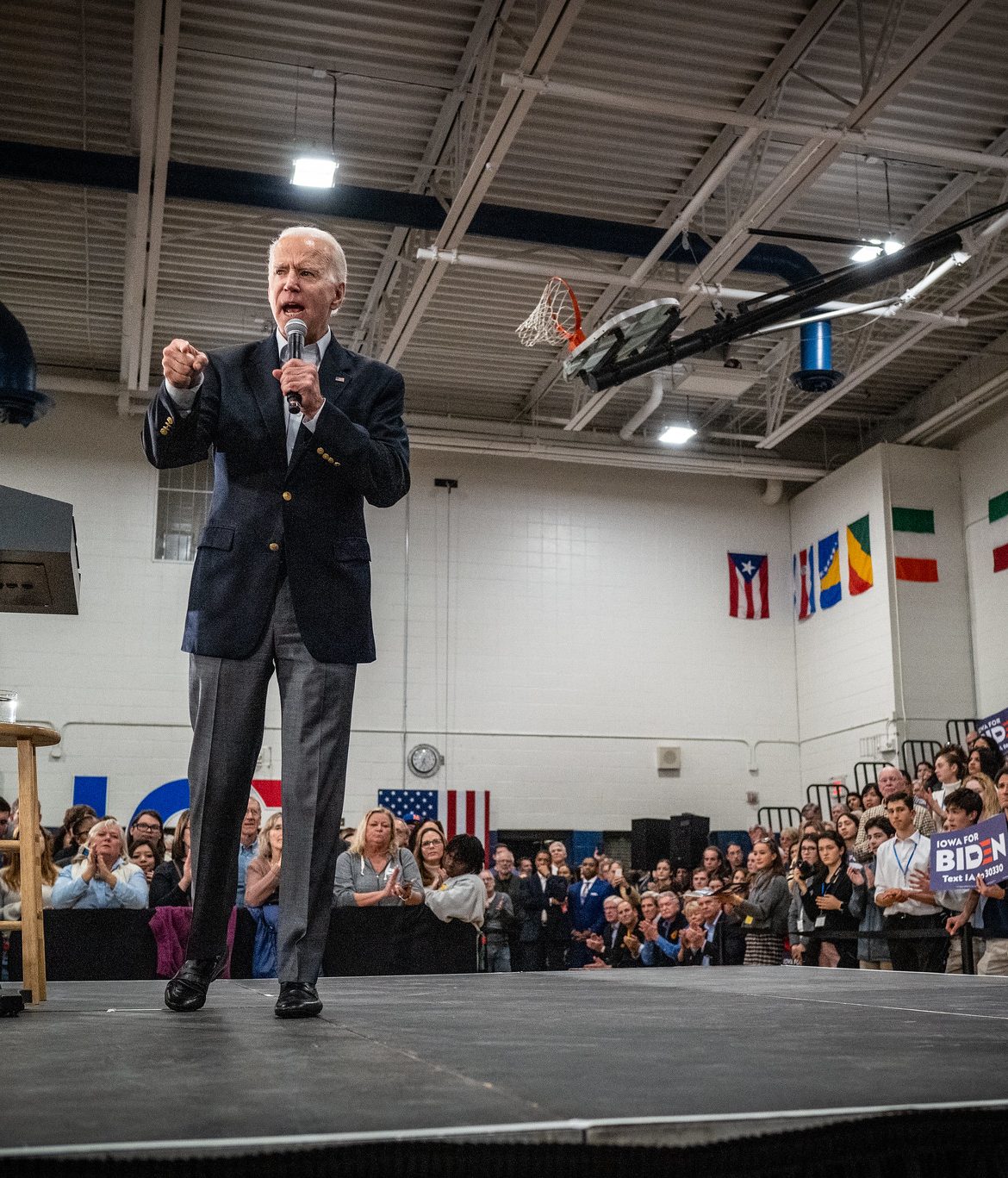
Last week, Joe Biden’s presidential campaign jointly released policy recommendations across a range of issues in partnership with Bernie Sanders supporters through a Unity Task Force. Climate change takes a prominent role in the 110-page report, but the proposal fails to call for the comprehensive changes needed to address transportation emissions. Here’s how the Unity Task Force recommendations fall short, particularly in comparison to the House’s new climate blueprint and the INVEST Act.
House transportation bill goes big on climate
House transportation leaders introduced legislation to update our national transportation program to address climate, equity, safety and public health. Climate advocates and climate leaders on the Hill should recognize the strides taken with this proposal from Congress and fight to protect those changes in the bill.
Our three principles
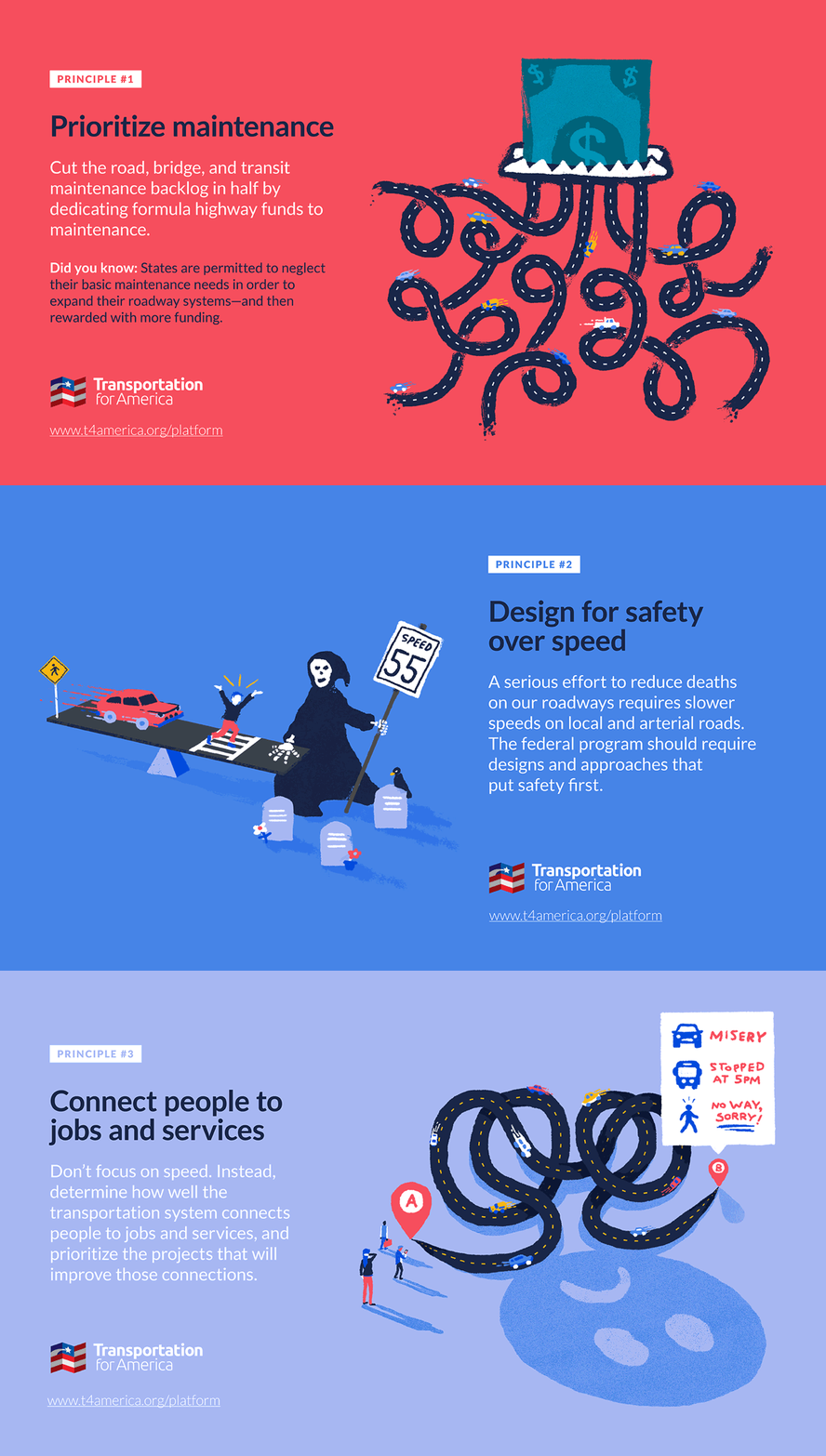
It’s past time to elevate the national conversation about infrastructure beyond just the price tag.
Learn more about our platformLatest From The Blog


There’s a climate cost to America’s freeways, and…
Apr 23rd, 2024


Progress for passenger rail in the South and…
Apr 10th, 2024

I cannot find the zoom link, I registered…
Jan 6th, 2024

A rare look behind the curtain of Transportation…
Jul 28th, 2023

In what Harrison Ford said was his most…
Jul 25th, 2023

Good example, walking to the local taco place…
Jul 24th, 2023