Posts Tagged "buses"
King County’s blueprint for better bus speed and reliability
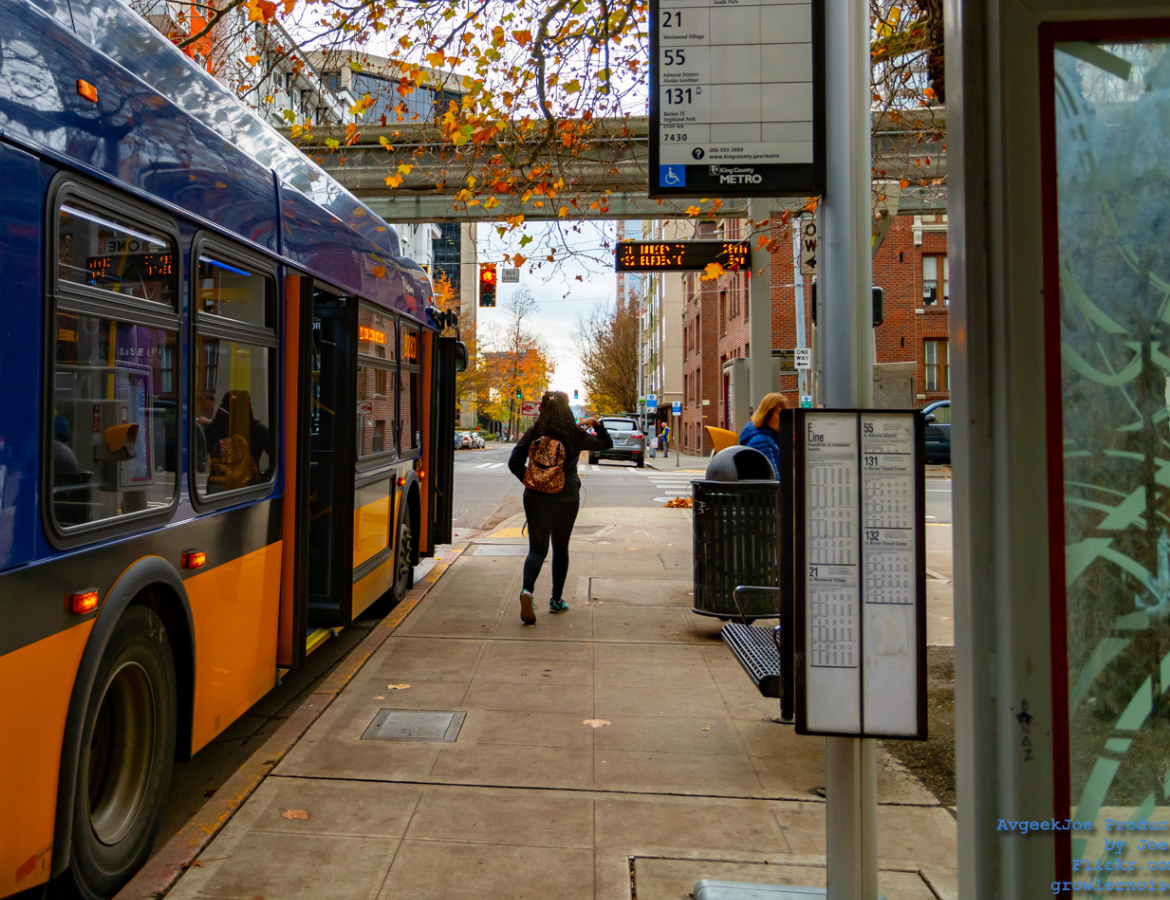
The Seattle area’s busiest transit agency released their “playbook” for better transit through smart incremental improvements and community partnerships. Focusing on bus speed and reliability, this guidebook is a valuable resource for any transit agency looking to build trust with riders.
Transit adaptability during the COVID-19 pandemic
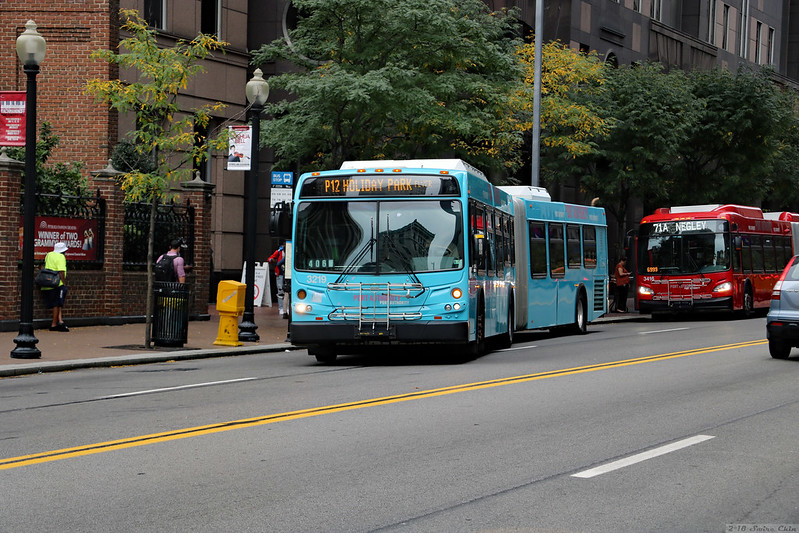
Transit agencies across the United States have struggled with decreased ridership, safety hazards, and low morale as a consequence of the COVID-19 pandemic. Yet some have responded by changing their approach to better serve everyday riders, make transit free or more affordable, and rethink what the future of transit should look like to reduce emissions and provide access for those who need it most.
Reducing emissions with better transit, part three: Examples from leading cities
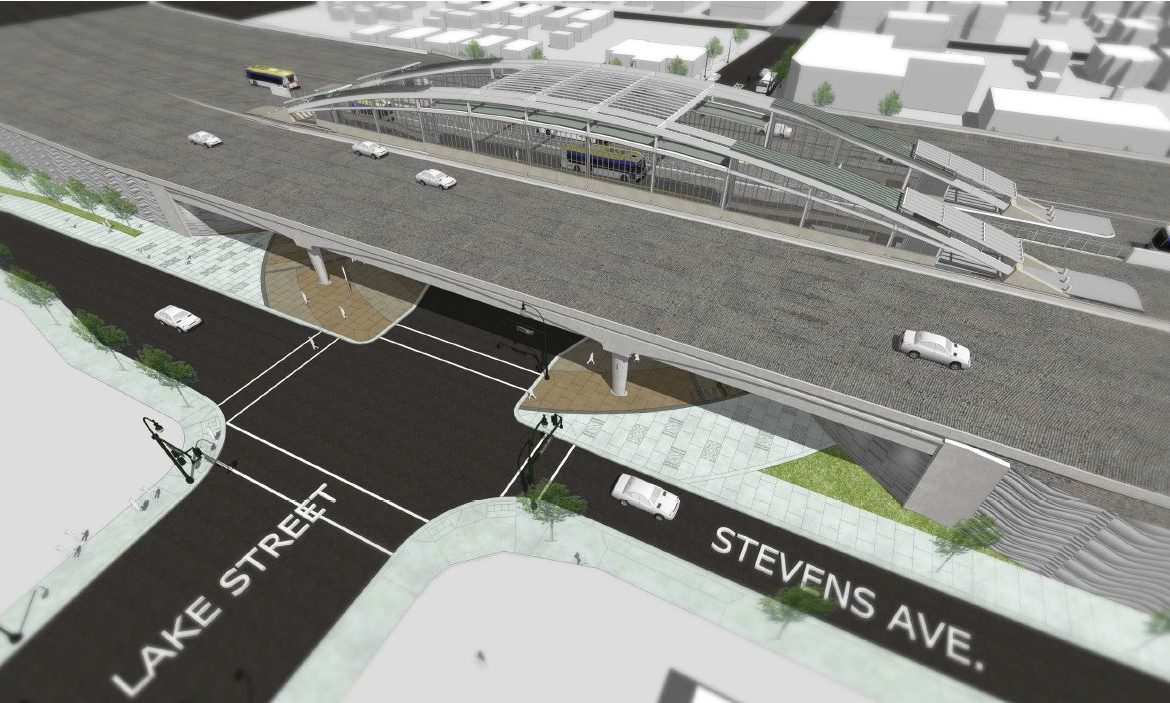
reater transit use is key for lowering emissions, and cities across America are reconsidering how they serve their residents with public transit—and the land uses that encourage better service and ridership. Several cities are laying the groundwork to make this happen—even outside of the “transit hotspots” one may expect.
Rose Lanes get love from Portland City Council
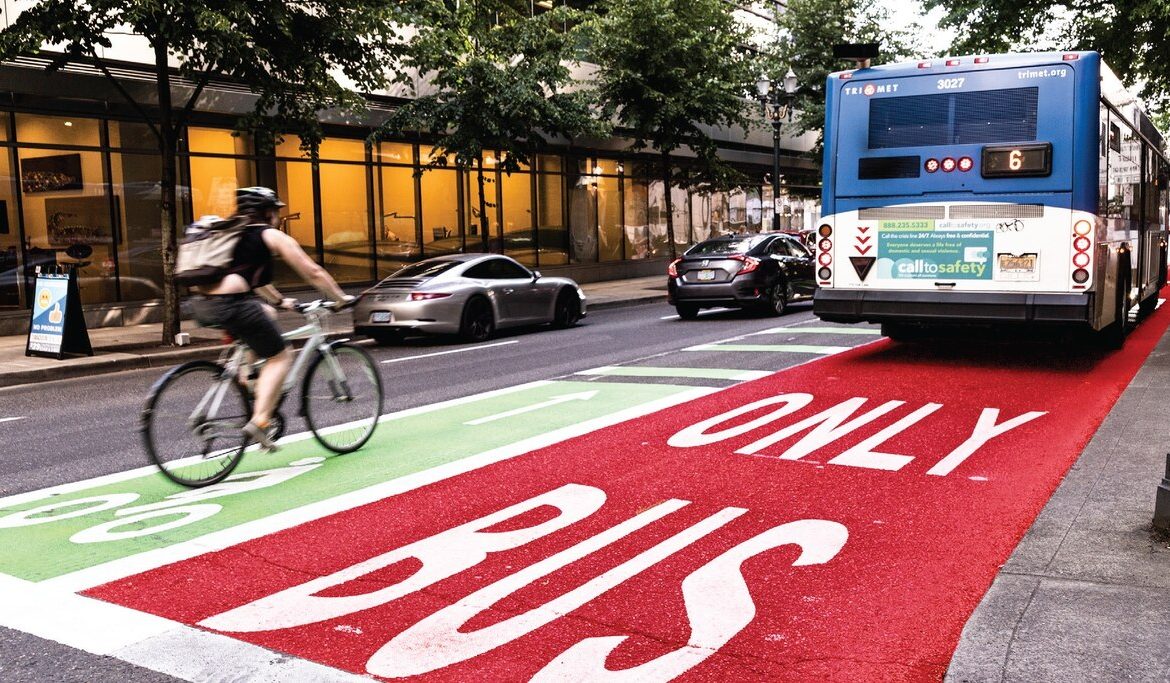
The Portland City Council is moving forward with a plan to improve transit service through a series of targeted improvements to some of the city’s most delayed bus and streetcar corridors. Known as the Rose Lane Project, it’s designed to advance equity, reduce carbon emissions, and increase transit ridership with quick-build projects. It also offers lessons to other cities struggling with sluggish transit systems mired in a sea of cars.
Safety over speed week: Prioritizing safety is intrinsically connected with improving transit service

Nearly every bus transit rider starts and ends their trip with a walk, and decisions made to prioritize vehicle speed over safety often have significant impacts on transit. This excerpt from the new book “Better Buses, Better Cities” helps explain how better bus transit and prioritizing safety over speed are intrinsically related.
While other cities try to replicate Houston’s successful bus network overhaul, Maryland’s plan for Baltimore falls short
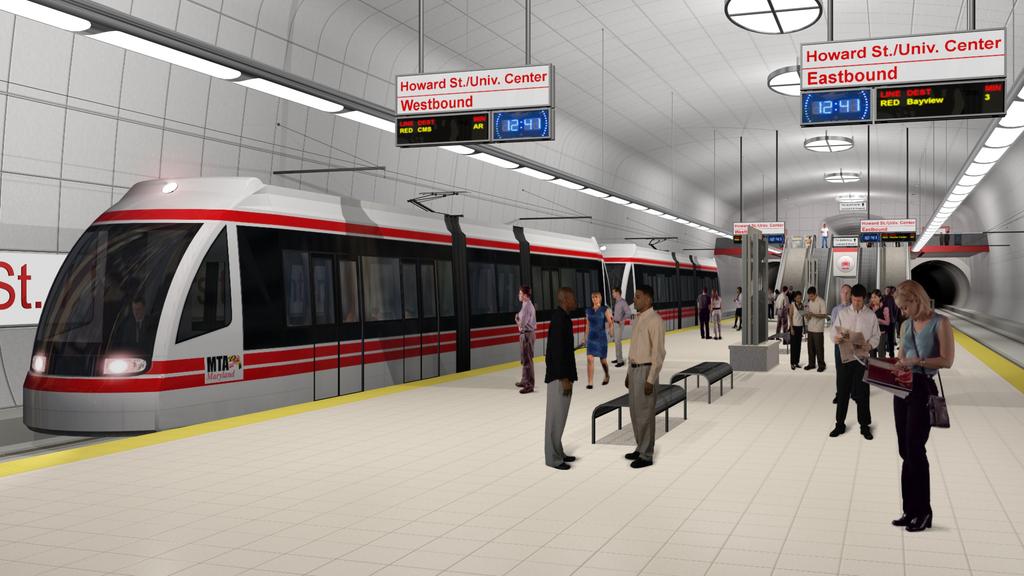
At a time when other cities are redesigning their bus transit service and aggressively investing in public transportation overall to provide more consistent, predictable service to serve residents and employers, Baltimore — thanks to the state of Maryland — is attempting to get the most out of its bus system with only marginal new investment and changes in service that won’t do much to improve access to jobs, schools, or opportunity.
Can-do places: How Seattle is accommodating population growth and sustaining economic growth while maintaining quality of life
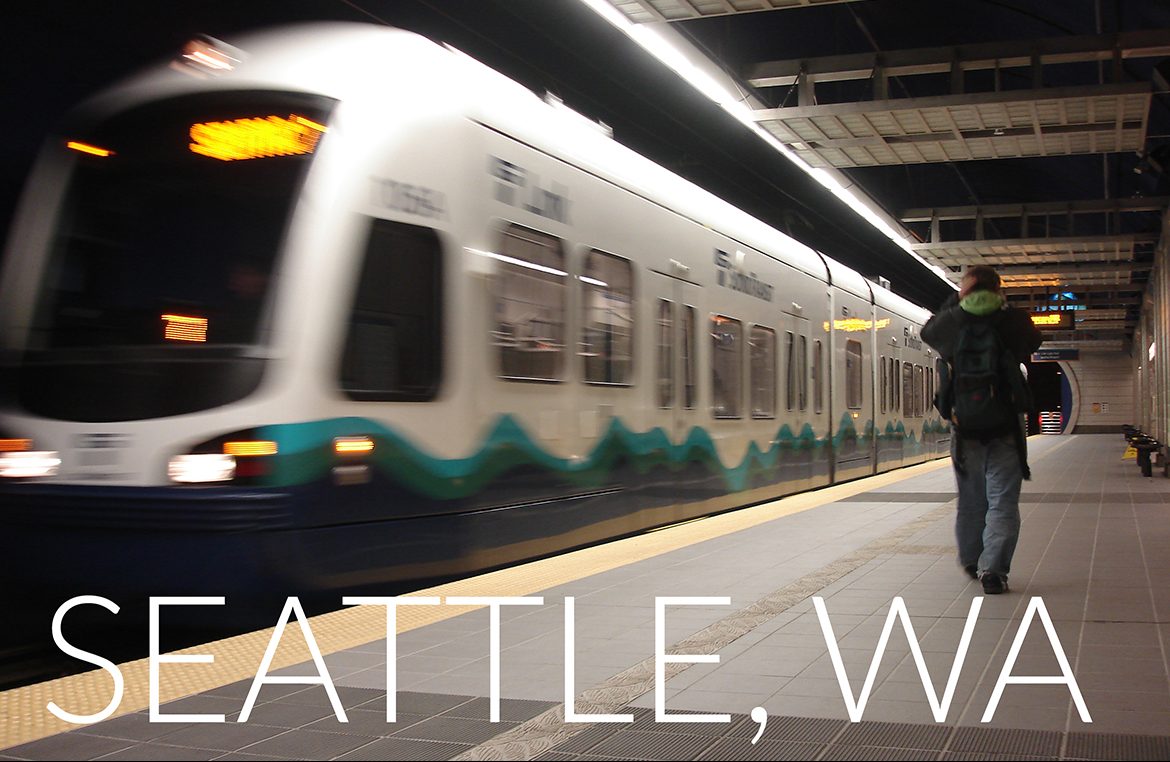
This story from Seattle, Washington is the seventh in our series of stories illustrating how local communities across the country are casting a vision and often putting their own skin in the game first with local funding while hoping for a strong federal partner to make those plans a reality.
After city council action, Indy voters will decide on expanding and improving regional transit this November
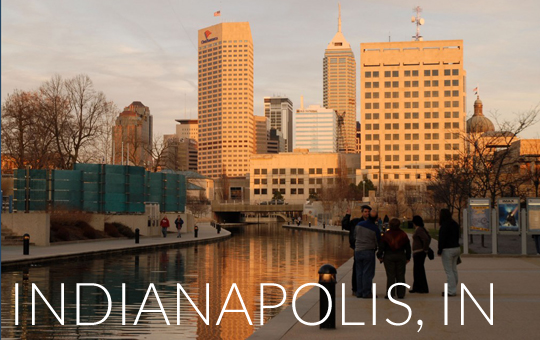
Indianapolis took another big step forward this week in their ongoing efforts to expand and improve transit service across the city and region. Monday night, the Indianapolis City-County Council voted to place a measure on this November’s ballot to allow voters to decide whether or not to raise new funding for transit service.
Join us next week for an online discussion about “Buses Mean Business”
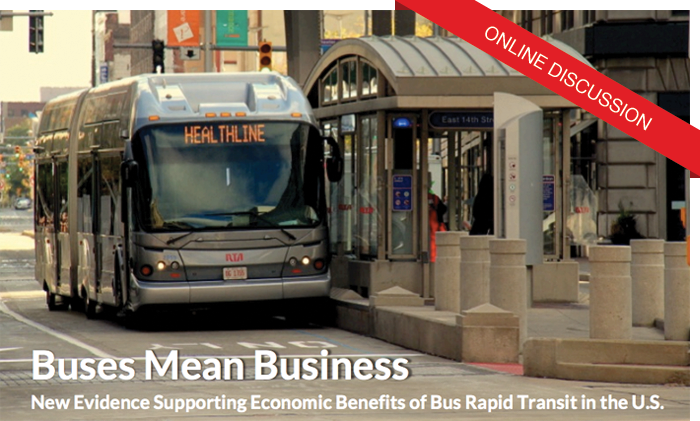
Join us on Monday, January 25, 2016 at 3:30pm EST to learn all the details of this new research from the report’s author, as well as what this means for communities considering a BRT line.
New study finds positive economic development benefits associated with bus rapid transit projects

Today T4America unveiled the findings of a new peer-reviewed study that examined existing bus rapid transit (BRT) lines and found strong evidence that BRT systems in the U.S. can indeed generate economic development, attract jobs, retail and affordable housing — at a cost that’s well within reach for many mid-sized American cities.
Buses Mean Business: New evidence supporting economic benefits of bus rapid transit
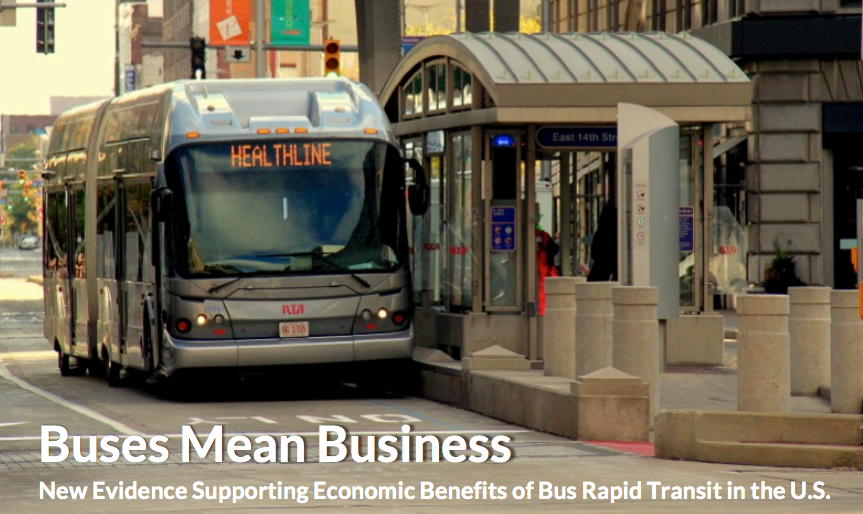
For those of you in the DC area next week (including those of you planning to attend the Transportation Research Board conference), join us on Tuesday for the national release of a new academic study on the economic benefits resulting from smart investments in bus rapid transit. Join us next week on Tuesday, January 12th at 10:30 a.m. inside the Carnegie Library across from the DC convention center to hear from the report authors and other notable speakers.
Indiana Governor signs bill allowing Indianapolis to vote on transit ballot measures
In a huge victory for citizens and the local business community, Indiana Gov. Mike Pence (R) Wednesday signed a long-sought bill giving metro Indianapolis counties the right to vote on funding a much-expanded public transportation network, including bus rapid transit.
Saving a transit system and turning the tide for the future of a mid-sized city
 Last month, the citizens of Baton Rouge, LA, voted to raise their taxes to preserve and expand their struggling bus system. To pass it, churches, faith-based groups and local organizers teamed up with businesses and institutions. As we’ve seen in similar local measures, they won by explaining exactly what taxpayer money would buy, building a diverse coalition and getting out the vote.
Atlanta-area transit system 14 days from shutting down, 2 million rides disappearing
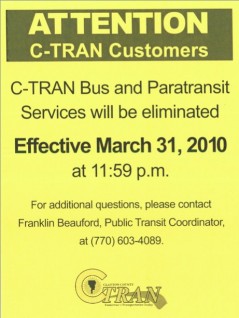 Clayton County, one of metro Atlanta’s five core counties, will terminate all transit service in 14 days. The transit service, which provides over 2 million rides each year on buses “full to bursting” with riders, according to MARTA CEO Beverly Scott, will shut down service entirely, leaving the 50% or more of C-Tran riders with no regular access to a car stranded.
Debate panelists split over buses, broader impact of transit investments
 Monday’s online debate on conservatives and public transportation was billed as a back-and-forth on why the ideological right should embrace public transportation. While differences persisted between our conservative and libertarian panelists about the impact of transit investments, another schism developed over how big a role buses should play.
Last week’s elections a net plus for public transportation
Last Tuesday’s election results were a win for public transit, although high-profile state and national races stole most of the headlines. According to the Center for Transportation Excellence, 72 percent of transportation ballot measures received voter approval on November 3. November’s ballot included seven measures in five states – Colorado, Indiana, Maine, Michigan and Ohio. […]
California Supreme Court hands victory to local transit riders and providers
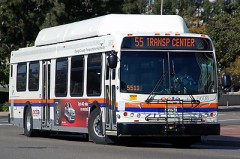 A recent California Supreme Court decision could restore billions in funding for public transportation in the nation’s most populous state. The Court’s ruling late last week upheld a lower court decision declaring the state’s $3.6 billion raid of public transit funds illegal and ordered that the money be returned to local transit providers.
Our three principles

It’s past time to elevate the national conversation about infrastructure beyond just the price tag.
Learn more about our platformLatest From The Blog


Progress for passenger rail in the South and…
Apr 10th, 2024


Building back better: Reflections on the state of…
Apr 9th, 2024

FTA helps deliver more buses for less
Apr 2nd, 2024

I cannot find the zoom link, I registered…
Jan 6th, 2024

A rare look behind the curtain of Transportation…
Jul 28th, 2023

In what Harrison Ford said was his most…
Jul 25th, 2023

Good example, walking to the local taco place…
Jul 24th, 2023